

We may earn a commission when you buy through links on this page, at no extra cost to you. Learn more.
Sancerre wine tasting reveals the fresh citrus, green fruit, floral aromas, and mineral character of Sauvignon Blanc from France’s Centre-Loire, along with distinctive Pinot Noir reds and rosés. The wines express differences between three principal vineyard soils: clay-limestone, chalky limestone, and flint-rich ground. Learning to recognize those differences makes it easier to compare bottles, select food pairings, and appreciate why Sancerre is more diverse than its reputation as a crisp white wine suggests.
Sancerre is one of France’s best-known wine appellations, but its appeal extends beyond a familiar Sauvignon Blanc profile. Its rolling vineyards, cool continental influences, varied exposures, and distinctive geological formations create wines with different aromas, textures, and levels of concentration. A thoughtful tasting can include several white wines alongside a Pinot Noir red and rosé, offering a practical introduction to the region’s identity. Whether you are planning a tasting at home or exploring French wine for the first time, understanding the appellation’s grapes and terroir provides a useful starting point.
Understanding Sancerre and Its Loire Valley Origins
Sancerre is a protected French wine appellation in the Centre-Loire, east of Bourges, on the left bank of the Loire River. Its vineyards cover approximately 3,053 hectares and extend across 14 communes in the Cher department, according to the Centre-Loire wine council’s five-year production figures. Although Sauvignon Blanc dominates its reputation, the appellation also makes red and rosé wines from Pinot Noir.
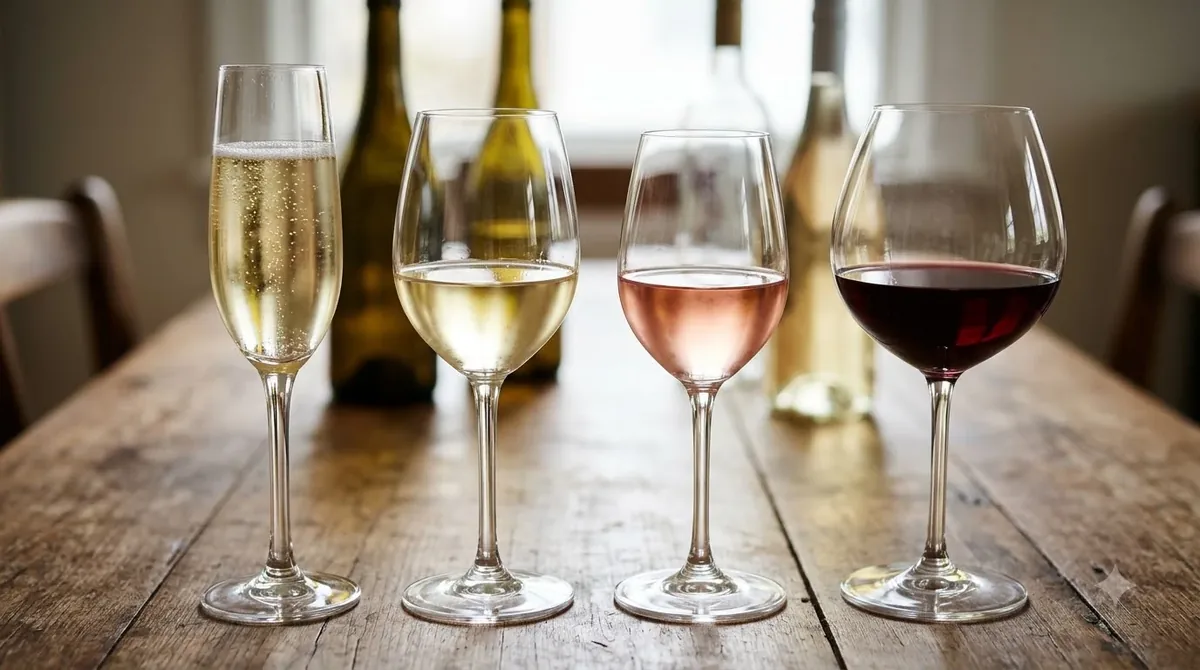
The vineyards surround the hilltop town of Sancerre, where sloping vineyard parcels follow the contours of the landscape. The Loire River influences the local climate by moderating temperature variations, while the region’s inland position contributes to relatively cool growing conditions. This combination helps preserve the natural acidity that gives many Sancerre whites their refreshing character.
The appellation has a history that predates its modern international reputation. According to the Centre-Loire wine council, historical evidence of vines in the area dates to 582. During the 12th century, Augustinian monks from Saint-Satur and the counts of Sancerre helped develop winegrowing. Pinot Noir was historically important, and the region became known for its red wines before phylloxera devastated much of the vineyard toward the end of the 19th century.
Sauvignon Blanc subsequently became the principal grape associated with Sancerre. White wines received AOC recognition in 1936, followed by red and rosé wines in 1959. These distinctions matter during a tasting because the appellation’s name identifies a geographic origin rather than a single grape variety. The color of the wine provides the first useful indication of which variety is in the glass.
For a broader perspective on regional wine identities, compare Sancerre with other wine regions. Its combination of cool-climate freshness, limestone, clay and flint makes it particularly distinctive within the Loire Valley. The Centre-Loire wine council’s Sancerre overview provides additional information about the appellation’s geography, history and production.
Recognizing the Three Main Sancerre Soil Types
One of the most interesting parts of Sancerre wine tasting is comparing wines from different vineyard soils. The appellation’s three principal geological categories are terres blanches, caillottes and flint-rich clay-siliceous soils. Each provides a different setting for Sauvignon Blanc, influencing the way growers describe the wines’ fruit, structure, and aromatic expression.
Terres blanches, or white soils, consist primarily of clay and limestone associated with Kimmeridgian marls. These soils are particularly characteristic of the western part of the Sancerre vineyard. Their water-retaining clay component and limestone content are associated with fuller, more powerful expressions of Sauvignon Blanc. In the glass, such wines can feel broader and more concentrated, with citrus fruit supported by a substantial palate.
Caillottes are chalky and limestone-rich soils, sometimes described as stony or pebbly. They are associated with fruit-forward, expressive wines that can show lemon, grapefruit, orchard fruit and a lively finish. Their relatively approachable character makes caillottes-grown Sauvignon Blanc a useful starting point when introducing someone to Sancerre.
Flint-rich soils, known locally as silex, contain flint, clay and siliceous conglomerates. They occur particularly toward the eastern part of the vineyard. Wines from these parcels can show a distinctive stony character, sometimes accompanied by smoky or restrained aromas. Their structure and mineral impression can make them especially interesting to compare with fruitier examples from caillottes.
| Soil type | Main composition | Typical wine expression | What to notice |
|---|---|---|---|
| Terres blanches | Kimmeridgian marl, clay and limestone | Fuller and more powerful | Concentration, breadth and citrus fruit |
| Caillottes | Chalk and limestone | Fruity and expressive | Fresh fruit, lively acidity and direct aromas |
| Silex | Flint, clay and siliceous material | Distinctive and mineral | Stony impressions, aromatic restraint and length |
These descriptions are useful tasting tendencies rather than guarantees. Vineyard exposure, harvest conditions, vine age, fermentation choices and aging also influence the finished wine. Two bottles from the same broad soil category can taste noticeably different, particularly when their producers use different winemaking approaches.
Tip: For a useful comparison, pour three Sauvignon Blanc wines from different Sancerre soil types side by side. Taste the caillottes example first, then the terres blanches wine, and finish with the silex expression. Compare fruit intensity, palate weight and the character of each finish rather than trying to identify a particular mineral flavor with certainty.
Exploring Sauvignon Blanc Aromas, Acidity, and Texture
White Sancerre is made from Sauvignon Blanc and is typically dry, fresh and aromatic. Its most recognizable characteristics include citrus fruit, green fruit, fresh herbs, floral notes and a mineral impression. The balance between bright acidity and a rounded palate is an important part of what makes the wines appealing.
Begin by looking at the wine. Most young white Sancerre has a pale straw or light gold appearance, sometimes with subtle green reflections. Color alone does not establish quality or age, but it provides a useful first observation. A clear, bright appearance is typical of a sound, properly stored bottle.
Next, smell the wine before swirling it. Look for lemon, lime, grapefruit, green apple, pear, gooseberry and freshly cut grass. Elderflower and other delicate floral aromas can also appear. Some bottles lean toward green and citrus notes, while others offer riper orchard fruit or tropical impressions.
Swirl the glass gently and smell again. Additional aromas may emerge as the wine makes contact with air. Depending on the producer and vineyard, you may notice herbs, white flowers, wet stone or a subtle smoky impression. Avoid assuming that every Sancerre must smell exactly the same. The appellation includes many different vineyard sites and winemaking approaches.
Acidity is usually one of the most important structural characteristics. Sauvignon Blanc naturally retains high acidity, particularly in cool growing conditions. On the palate, this creates a refreshing sensation, gives the wine definition and helps it pair with foods that have their own bright flavors.
Pay attention to the middle of the palate as well as the finish. A lighter, straightforward example may feel crisp and direct, with citrus and green fruit leading into a clean ending. A more concentrated wine can feel broader, with greater texture and layers of fruit. Some premium examples spend extended periods on their lees before bottling, developing additional texture and complexity.
The best approach is to describe what you actually find rather than relying on a memorized list of tasting terms. One person may identify grapefruit while another recognizes lemon zest. Both descriptions can be reasonable observations of the same wine.
Comparing Sancerre Red, White, and Rosé Wines
Although Sauvignon Blanc accounts for most of Sancerre’s international reputation, Pinot Noir offers two additional styles worth including in a tasting. Red Sancerre and rosé demonstrate that the appellation’s identity is based on place, not just its famous white grape. Comparing all three colors also shows how the same regional setting can support different wine experiences.
White Sancerre: The classic expression is a dry Sauvignon Blanc with high acidity, citrus fruit, green apple, gooseberry and herbal or floral aromas. Depending on the vineyard, it may feel light and crisp or more concentrated and textured. It is usually the natural starting point for a regional tasting because it represents the appellation’s best-known style.
Red Sancerre: Made from Pinot Noir, red Sancerre commonly shows cherry, red berries, Morello cherry and subtle spice. Its tannin level is generally lower than that of Cabernet Sauvignon or Syrah, and its acidity helps maintain freshness. The style can range from relatively light and accessible to more structured and complex examples, depending on vineyard conditions and winemaking.
Serve red Sancerre slightly cool rather than at a warm room temperature. A temperature of 55–60 F works well for a lighter Pinot Noir expression. This allows the wine’s red-fruit aromas and acidity to remain clear without making it seem excessively warm or alcoholic.
Rosé Sancerre: This style also uses Pinot Noir. It typically shows a pale pink or salmon color, delicate red-fruit aromas and a fresh, lively palate. Depending on the producer, strawberry, raspberry, floral notes and subtle citrus impressions may appear.
Rosé is particularly useful when building a tasting around different occasions and foods. It can accompany salads, seafood appetizers and lighter meals without the additional tannin of a red wine. Its freshness also makes it a natural option for an outdoor lunch or an informal gathering.
For a comparative tasting, pour white Sancerre first, rosé second and red last. This sequence moves from the most delicate aromatic expression toward the more noticeable structure of Pinot Noir. Use separate glasses when possible so that the characteristics of each wine remain easy to distinguish.
Serving Temperatures and Organizing a Sancerre Tasting
Correct serving temperature helps reveal the aromas and structure of Sancerre. White wines served too warm can seem less refreshing, while excessively cold temperatures can suppress their fragrance. A simple tasting arrangement with three or four bottles allows you to compare styles without overwhelming the palate.
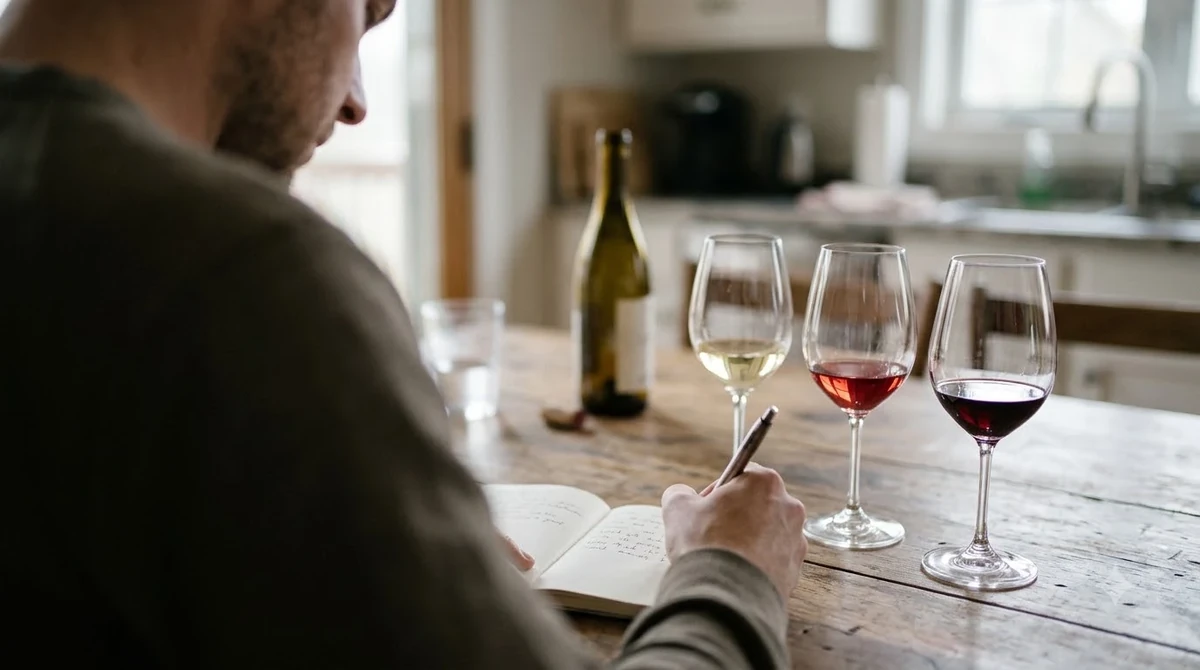
For white Sancerre, aim for approximately 45–50 F. This range preserves its crisp acidity while allowing citrus, green fruit and floral aromas to emerge. If the bottle comes directly from a very cold refrigerator, let it warm slightly before pouring. Red Sancerre is best served around 55–60 F, while rosé generally benefits from a serving temperature of 45–50 F.
Use standard wine glasses with a reasonably open bowl. A Sauvignon Blanc glass or a general-purpose white wine glass works well for the white wines. A medium-sized red wine glass gives Pinot Noir enough room to release its aromas. Avoid filling glasses too generously because space above the wine helps collect aromatic compounds.
A standard tasting pour is approximately 2–3 ounces per wine, allowing several comparisons without committing to full servings. For a normal serving, use a 5-ounce pour. A 750 ml bottle provides approximately five standard glasses.
A practical tasting sequence
For a focused home tasting, select three or four bottles representing different characteristics. You might choose a straightforward Sancerre Sauvignon Blanc, a more concentrated white from a named vineyard site, a Pinot Noir rosé and a red Sancerre. If the selection includes wines from different soils, arrange them so that you can compare their fruit, texture and finish.
Before pouring, prepare a clean table, water, neutral crackers and a simple tasting sheet. Write down the producer, grape variety, vintage and any vineyard information available. Keep the bottles at the appropriate temperatures and pour small amounts so that everyone can revisit the wines during the session.
For each wine, follow the same sequence: appearance, aroma, palate and finish. Record the dominant fruit, acidity, body and any distinctive herbal, floral or mineral impressions. Comparing notes after tasting often reveals differences that might otherwise be overlooked.
Do not rush between bottles. Give each wine a few minutes in the glass, especially if it initially seems restrained. Some wines become more expressive with gentle aeration, while others are best appreciated for their immediate freshness.
A tasting that includes both young and more mature examples can also demonstrate how Sauvignon Blanc develops. Young wines tend to emphasize primary fruit and freshness, while selected premium wines can acquire additional complexity with bottle age. The ideal drinking window depends on the individual wine rather than the appellation name alone.
Pairing Sancerre With Cheese, Seafood, and Everyday Food
Sancerre’s high acidity makes it particularly adaptable at the dining table. White Sauvignon Blanc works well with foods that have fresh, bright flavors, while Pinot Noir offers more flexibility with poultry, mushrooms and lighter meat dishes. Choosing a pairing based on acidity, tannin, fat and sweetness helps keep both the food and wine in balance.
The classic regional match is Crottin de Chavignol, a goat cheese associated with the Sancerre area. Its tangy flavor and creamy texture complement the bright acidity and citrus character of Sauvignon Blanc. Depending on the cheese’s age, its texture may range from soft and fresh to firmer and more concentrated.
Fresh goat cheese, herb salads and vegetable dishes are other natural options. Sauvignon Blanc can cut through the richness of creamy cheese while matching the freshness of green herbs. A salad with lemon dressing, asparagus or fresh peas can also work, provided the seasoning does not overwhelm the wine.
Seafood is another strong pairing category. Grilled white fish, smoked fish, oysters, shrimp and simply prepared shellfish can complement the citrus and mineral character of Sancerre. Sushi and sashimi are also established choices because the wine’s acidity helps refresh the palate between bites.
Preparation matters. A grilled fish fillet with lemon and fresh herbs is generally a better match than the same fish served with a heavy, sweet sauce. Delicate seafood dishes benefit from a wine that does not overwhelm their flavors.
Red Sancerre offers a different range of possibilities. Pinot Noir’s moderate structure and relatively low-to-medium tannin make it suitable for roasted chicken, turkey, duck, mushroom dishes and lightly seasoned pork. Cherry and earthy notes can complement browned mushrooms and roasted vegetables.
Rosé Sancerre works with lighter appetizers, grilled vegetables, seafood salads and simple picnic foods. Its fresh character can bridge the gap between seafood-friendly white wine and more fruit-oriented red wine pairings.
There are a few useful principles to remember. Acidic foods need wines with equal or higher acidity, so Sauvignon Blanc is generally more suitable than a low-acid white for a strongly lemon-dressed dish. Salt and fat can soften tannin, although Sancerre’s red wines are generally less tannic than many full-bodied reds. Avoid pairing a tannic red with oily fish, and be cautious with very spicy dishes because alcohol and tannin can amplify chili heat.
Sweetness also matters. A dry Sancerre is usually not the best partner for a very sweet dessert because the wine may taste sour or thin beside it. Choose a wine at least as sweet as the dessert for a more balanced finish to the meal.
Selecting Bottles and Understanding Sancerre Aging Potential
Choosing a Sancerre involves more than recognizing the appellation name. Producer, vineyard location, grape variety, vintage conditions and winemaking decisions all contribute to the final style. Understanding these factors makes it easier to select bottles for an introductory tasting or a more detailed comparison.
For a first bottle, a straightforward white Sancerre is a useful choice. Look for a producer whose wine emphasizes fresh citrus, green fruit and lively acidity. These characteristics provide a clear introduction to Sauvignon Blanc from the region without requiring extensive knowledge of individual vineyard sites.
For a more advanced tasting, explore single-parcel or vineyard-designated wines. Sites such as Monts Damnés, Cul de Beaujeu and Chêne Marchand are recognized names worth investigating. Their different locations and geological conditions provide opportunities to compare more specific expressions of the appellation.
Do not assume that a vineyard name automatically guarantees a particular flavor. Growing conditions, harvest timing, fermentation and aging all influence the finished wine. A producer’s approach can be just as important as the soil category.
Age is another important consideration. Many everyday Sancerre whites are intended to be enjoyed relatively young, while selected premium examples can develop additional complexity. Fresh citrus and green-fruit aromas may become softer over time, with greater emphasis on texture and secondary characteristics.
Some higher-quality wines receive extended lees aging before bottling. Decanter reports that certain examples spend up to 18 months on their lees, contributing texture and additional complexity. Selected single-vineyard wines can benefit from several years in the bottle, although not every Sancerre is designed for extended cellaring. For a deeper discussion of these differences, Decanter’s explanation of Sancerre’s flavors, aging potential and food pairings is a useful additional resource.
For storage, keep bottles in a dark, stable environment at approximately 55 F, ideally with consistent humidity and minimal vibration. Store cork-finished bottles on their sides to keep the cork from drying out. Avoid locations near ovens, radiators or windows where temperatures fluctuate.
Once opened, refrigerate still Sancerre and aim to enjoy it within 3–5 days. Use a suitable closure to reduce unnecessary oxygen exposure. White wines may lose some of their initial freshness after opening, so tasting the bottle over a couple of days can also provide an interesting comparison of how its aromas change.
For additional regional comparisons, try an Alsace wine tasting to explore a different French white-wine tradition, or compare Sancerre with Bolgheri wine tasting to understand the contrast between Loire Sauvignon Blanc and Tuscany’s red-wine styles. These comparisons help place Sancerre’s freshness and acidity within a broader understanding of European wine.
Frequently Asked Questions
Is Sancerre the same grape as Sauvignon Blanc?
No. Sancerre is a geographic appellation in France, not a grape variety. White Sancerre is made from Sauvignon Blanc, while red and rosé Sancerre are made from Pinot Noir. The distinction is important because a wine labeled Sancerre identifies its origin as well as its production rules.
Why is Sancerre sometimes compared with Pouilly-Fumé?
Both appellations are in the Centre-Loire and are well known for Sauvignon Blanc. Sancerre lies on the Loire’s left bank, while Pouilly-Fumé is on the opposite bank. Both can show citrus, herbal and mineral characteristics, but differences in individual vineyard sites and producer choices make direct bottle comparisons more useful than assuming they taste identical.
Does Sancerre contain oak flavors?
Many Sancerre Sauvignon Blanc wines are made in stainless steel or other neutral vessels to preserve their fresh fruit character. Some producers use oak barrels or other maturation techniques to add texture and complexity. Oak influence is therefore a stylistic choice rather than a defining requirement of the appellation.
What does the term silex mean on a Sancerre wine description?
Silex is the French term for flint and refers to flint-rich vineyard soils. These soils contain flint, clay and siliceous material. The term may appear in vineyard descriptions or producer information to identify a particular geological setting rather than a grape variety or winemaking technique.
Can beginners enjoy a Sancerre tasting without professional wine equipment?
Yes. A few clean wine glasses, a bottle opener, water and simple tasting notes are sufficient for an informative session. Three contrasting bottles can demonstrate differences in soil expression, grape variety and wine structure. Professional tasting equipment is not necessary to recognize citrus aromas, acidity, fruit intensity and finish.
Sancerre rewards careful tasting because its wines combine recognizable Sauvignon Blanc freshness with meaningful differences in vineyard character, texture and style. Start with a classic white, compare the three soil expressions, and then explore Pinot Noir rosé and red wines to understand the full appellation. With suitable serving temperatures, thoughtful food pairings and a little attention to producer choices, Sancerre becomes much more than a familiar name on a restaurant wine list.
More in Wine Regions
 Willcox Wine Trail: Discover Arizona’s High-Elevation Wine CountryUpdated Nov 20, 2026
 Yakima Valley Wine Region: Find the Best Styles to TryUpdated Nov 20, 2026
 Vosne Romanee Wine Tasting: Identify Aromas and Choose Better PairingsUpdated Nov 20, 2026
 Yakima Valley Wine Festival: Find the Best Seasonal Wine EventsUpdated Nov 20, 2026
 Wales Vineyards: Discover Cool-Climate Wines and Where to VisitUpdated Nov 20, 2026
 Yountville Wine Festival: Discover Napa Wines and Local FoodUpdated Nov 20, 2026