


We may earn a commission when you buy through links on this page, at no extra cost to you. Learn more.
Maremma wine is the diverse family of coastal Tuscan wines made in and around the province of Grosseto, including Vermentino whites, Sangiovese-led Morellino reds, rosés, and international-grape blends. The name points to a landscape and a broad wine identity rather than one single flavor or grape. For a first bottle, choose Vermentino for a fresh white, Morellino di Scansano for a lively red, or a Maremma Toscana DOC blend when you want a broader expression of the area’s grapes.
Southern Tuscany’s Maremma sits between inland hills and the Tyrrhenian coast, where sea breezes, varied soils, and a long growing season support several distinct styles. Understanding the difference between the wider Maremma area, the Maremma Toscana DOC, and the more narrowly defined Morellino di Scansano DOCG makes labels easier to read and bottles easier to choose.
What Maremma Wine Means on an Italian Label
Maremma wine describes a broad family of wines from southwestern Tuscany, not one mandatory grape blend. The Maremma Toscana DOC covers the province of Grosseto, while Morellino di Scansano DOCG identifies a more specific Sangiovese-based red from the Scansano area.
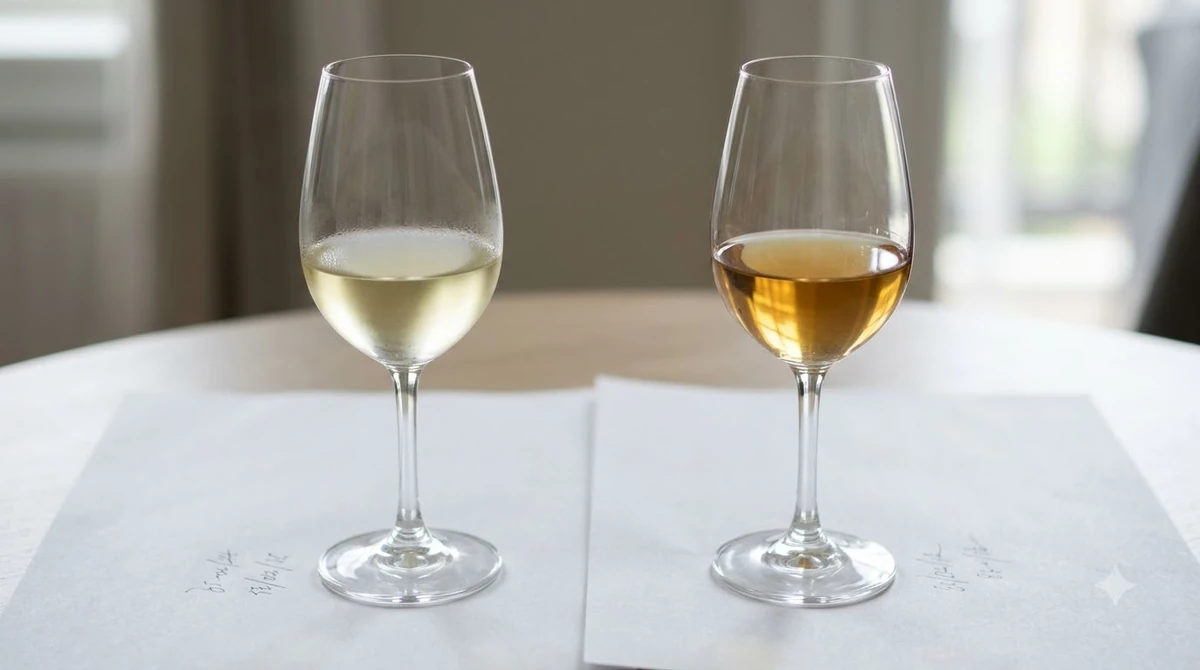
The distinction matters because a bottle labeled Maremma Toscana DOC may be white, red, or rosé and can use local grapes such as Vermentino, Sangiovese, Ciliegiolo, and Alicante alongside international varieties. A Morellino di Scansano label is more specific: the wine must contain at least 85% Sangiovese, with a limited allowance for other red grapes permitted in Tuscany. Both names belong to the same broad southern Tuscan landscape, but they tell you different things about origin and composition.
There are also other local appellations and village identities within the wider Maremma landscape. That is why it helps to read the name on the front label carefully rather than treating every wine from this corner of Tuscany as interchangeable. A bottle carrying the broad Maremma Toscana designation offers room for stylistic variety; a Morellino di Scansano bottle gives a clearer signal that Sangiovese is the central grape and that the wine comes from its defined production area. For a closer look at the geography and local denominations, see our guide to the Maremma wine region.
Coastal Hills, Sea Breezes, and Varied Soils
Maremma’s wines reflect a large and varied territory in southern Tuscany, with vineyards extending from the slopes of Mount Amiata to coastal sites, the Argentario peninsula, and the island of Giglio. The combination of inland hills, maritime air, and sharply different soils helps explain why the area produces both fresh whites and substantial reds.
The Maremma Toscana consortium describes its DOC territory as covering the province of Grosseto, an area of about 4,500 square kilometers. Inland, gently rolling hills suit vines and olive trees; farther northeast, Mount Amiata rises above the landscape as a long-dormant volcano. Around Pitigliano and Sorano, volcanic ground and pale tuff outcrops create a very different setting from the coastal zones, where clay soils, pine woods, and sea air shape the vineyard environment.
Some of the most dramatic sites are on the Argentario peninsula and Giglio, where small vineyard terraces sit high above the sea. On Giglio, some vineyards occupy steep, terraced ground where cultivation has had to adapt to small parcels and exposed slopes. This range of settings means that the word Maremma does not predict one uniform soil signature. A wine from a warm inland slope, a volcanic hillside, and a breezy coastal parcel may have different weight, aroma, and texture even when all three carry a Maremma connection. A Decanter overview of Maremma also highlights the coastal identity of Vermentino and the role of local red grapes such as Ciliegiolo and Alicante.
The Grapes Behind Maremma Whites and Reds
Vermentino is the leading white-grape reference for coastal Maremma, while Sangiovese anchors Morellino di Scansano and remains important in the wider area’s red wines. Local varieties such as Ciliegiolo and Alicante add regional character, and growers also work with international grapes including Cabernet Sauvignon, Cabernet Franc, Merlot, and Syrah.
Vermentino is a useful starting point for anyone exploring Maremma whites. It is associated with the area’s coastal identity and is often described through fresh fruit, herbal notes, and a saline edge that recalls the sea-influenced landscape. Depending on site and winemaking, a Vermentino can feel light and brisk or broader and more rounded. Ansonica is another white grape connected with the Tuscan coast and nearby islands, while the broad Maremma Toscana DOC framework also accommodates other white varieties and blends. Under the DOC rules, a varietal Vermentino must contain at least 85% Vermentino; the Vermentino Superiore designation raises that minimum to 95%.
Sangiovese gives Morellino its recognizable Tuscan frame: lively acidity, red-fruit character, and a savory quality that works naturally with food. Ciliegiolo and Alicante offer alternatives to a Sangiovese-dominant profile, while Cabernet Sauvignon, Cabernet Franc, Merlot, and Syrah can bring darker fruit, firmer structure, or a different balance of tannin. These international grapes are not an attempt to make every Maremma red taste alike; they are part of the area’s flexible approach to matching grape and site. The result is a region where a crisp white, a bright everyday red, and a more concentrated blend can all make sense.
Understanding Morellino, Maremma Toscana DOC, and Riserva
Three label clues help make sense of the range: Maremma Toscana DOC signals a broad protected origin, Morellino di Scansano DOCG identifies a Sangiovese-led red, and Riserva indicates a more mature style with additional ageing. The denomination and vintage matter more than a generic assumption that all Tuscan wine is powerful or heavily oaked.
According to the Morellino di Scansano consortium, the DOCG rules require at least 85% Sangiovese and allow up to 15% other red varieties authorized in Tuscany. The consortium also lists a maximum grape yield of 9,000 kilograms per hectare for DOCG Morellino, compared with 12,000 kilograms per hectare for the DOC category. These are production limits, not measurements of alcohol or finished wine volume. They help show how the more tightly defined DOCG category differs from the broader local DOC rules.
The consortium describes the current-vintage Morellino style as ruby-colored, fruity, fresh, savory, and smooth, with a little tannin; it can be released the year after harvest. Its Riserva style is described as spending two years ageing and developing a garnet color, cherry and plum fruit, spice, vanilla, and a fuller, slightly tannic palate. Its official Morellino wine-style overview gives a concise comparison of the two expressions. Use the figures below as a quick guide to the denomination and climate information published by the Morellino consortium. For label context beyond Maremma, our Wine Regions overview explains how Italian origin terms fit into the wider system of regional and appellation names. The practical point is simple: DOC and DOCG are protected geographical categories, but neither one tells you every detail of body, oak use, or the producer’s preferred style.
| Reference point | Figure | What it means |
|---|---|---|
| Minimum Sangiovese in Morellino di Scansano DOCG | 85% | Sangiovese must form the clear majority of the blend. |
| Maximum other permitted red grapes | 15% | Other Tuscan-authorized red varieties may make up the balance. |
| Maximum grape yield for Morellino DOCG | 9,000 kg/ha | The DOCG yield ceiling listed by the consortium. |
| Maximum grape yield for the DOC category | 12,000 kg/ha | The consortium’s comparison figure for DOC production. |
| Morellino Riserva ageing description | 2 years | The consortium’s stated ageing period for the Riserva style. |
| Average temperature in Morellino territory | 15°C | The consortium’s annual average reference. |
| Average winter and summer temperatures | 7°C / 24°C | The consortium’s seasonal averages. |
How Maremma Wine Tends to Taste
Maremma wine ranges from crisp, coastal whites to juicy, food-friendly reds and deeper blends, so tasting expectations should begin with the grape and label. Vermentino commonly brings freshness and a savory coastal impression, while Morellino typically emphasizes red fruit, lively freshness, and moderate tannin.
A young Morellino is often the most approachable red introduction. The consortium’s description highlights ruby color, fruit, freshness, savoriness, and a smooth palate with a little tannin. In practical terms, that points toward a red that can accompany a meal without demanding a long decant or a special occasion. Sangiovese’s acidity keeps the wine lively beside tomato-based dishes, while the moderate tannin gives it enough shape for grilled meats and aged cheeses.
More structured Maremma reds can feel darker and broader, especially when Cabernet Sauvignon, Cabernet Franc, Merlot, or Syrah feature in the blend. Ciliegiolo and Alicante bring further options beyond the familiar Sangiovese profile. Rosato adds another side of the region: it can work as an aperitif or sit beside seafood, vegetables, and mixed antipasti. White wines also vary: a lean Vermentino suits a simple seafood meal, whereas a fuller white may work better with richer fish, poultry, or dishes with cream. The producer, grape mix, and vintage determine the final balance, so the broad regional name should be a starting point rather than a tasting guarantee.
Food Pairings for Maremma Whites, Reds, and Rosé
Pair Maremma wines by matching freshness, weight, and tannin to the food: Vermentino works with seafood and herbs, Morellino suits tomato dishes and grilled meat, and rosato can bridge vegetables, cured meats, and lighter main courses. The coastal and agricultural cooking of southern Tuscany gives these wines plenty of natural partners.
For Vermentino, choose grilled sea bass, shrimp, calamari, clams, or a seafood pasta with lemon and parsley. Its acidity helps cut through olive oil, while herbal and citrus flavors make sense beside fennel, green vegetables, and fresh herbs. Ansonica can also work with simply prepared fish and shellfish. Avoid burying a delicate white under very hot chili or a heavy sauce; strong heat can make alcohol seem more pronounced, and a rich preparation can hide the wine’s freshness.
Pair Morellino with tomato-sauced pasta, roast pork, grilled lamb, sausage, mushrooms, or a board of salumi and firm Tuscan cheeses. Tomato dishes benefit from a red with good acidity, while protein and salt soften the impression of tannin. For a more concentrated Maremma red, try grilled beef, braised short ribs, or rosemary-scented lamb. Rosato is flexible with prosciutto, bruschetta, grilled zucchini, tomato salad, and roast chicken. A useful rule across the table is that acidic food needs a wine with equal or higher acidity; salty and fatty foods can soften tannin, while oily fish can clash with tannic reds. For another Italian wine region to compare on a food-focused itinerary, explore our guide to Puglia wineries.
Serving, Choosing, and Storing a Bottle
Serve Maremma whites chilled but not icy, and let reds warm slightly above refrigerator temperature rather than pouring them too warm. A few degrees can change how clearly you notice acidity, fruit, alcohol, and tannin, especially in a Vermentino or a structured Sangiovese-based red.
As a practical starting point, serve Vermentino and other light whites at 45–50°F, fuller whites at 50–55°F, and rosato at 45–50°F. Pour most young Morellino and lighter red blends at 55–60°F; a fuller, more structured red can be served closer to 60–65°F. If a young, full-bodied red seems tight, give it 30–60 minutes in a decanter. A simple young Morellino generally needs less air, so start with a small pour and let the glass reveal whether it opens with time.
For a standard 750 ml bottle, a five-ounce pour gives about five glasses. Keep unopened bottles on their sides in a cool, dark place near 55°F, away from temperature swings and direct light. After opening, refrigerate still wine and aim to finish it within three to five days; bring a white or red back toward its serving temperature before pouring. A useful buying approach is to choose the grape and occasion first, then compare the denomination, vintage, and producer. The regional name tells you where the wine comes from, but the grape and the producer’s style are the better clues to what will be in your glass.
Tip: When choosing your first bottle, start with a Vermentino if you want a fresh coastal white or a young Morellino di Scansano if you want a versatile Tuscan red. Then try a Maremma Toscana DOC blend to explore how Ciliegiolo, Alicante, Cabernet, Merlot, or Syrah can change the region’s style.
Frequently Asked Questions
The distinctions between Maremma Toscana DOC, Morellino di Scansano DOCG, and Giglio’s vineyard traditions answer many first-time questions about this part of Tuscany.
Is Maremma Toscana DOC the same as Morellino di Scansano DOCG?
No. Maremma Toscana DOC covers a broad territory and a wide range of wine styles, while Morellino di Scansano DOCG is a more specific Sangiovese-led red denomination. The Morellino consortium says the DOCG status began with the 2007 harvest, following the area’s earlier DOC recognition.
Can Maremma produce sparkling wine as well as still wine?
Yes. The official Maremma Toscana specification recognizes sparkling and quality sparkling categories, including white, rosato, Ansonica, and Vermentino sparkling wines. These sit alongside still wines and show that the denomination is not limited to the familiar red, white, and rosato bottles found on introductory wine lists.
Does Morellino di Scansano have to be bottled in its production area?
The Morellino consortium states that bottling must take place inside the grape-production area. It also recognizes an exception for wineries that were already bottling Morellino outside the area before DOCG recognition, preserving a limited historical allowance.
What is special about the old vineyards on Giglio Island?
The Maremma consortium notes that some island vineyards retain traditional stone structures called palmetti, once used to press grapes before cellar work. It also describes an older vine-training practice that uses small crossed cane partitions to support short spurs.
Are sweet wines part of the Maremma Toscana denomination?
Yes. The denomination’s official production specification includes passito and late-harvest versions among its permitted wine types, as well as Vin Santo. These styles offer an alternative to the dry Vermentino, red blends, and rosato that are more commonly associated with the region.
Maremma is one of Tuscany’s most varied wine landscapes, and its bottles reward attention to the grape and the precise denomination on the label. Begin with Vermentino or Morellino di Scansano, then explore the broader Maremma Toscana range to discover how coastal, volcanic, and inland sites shape the wines.
More in Wine Regions
 Willcox Wine Trail: Discover Arizona’s High-Elevation Wine CountryUpdated Nov 20, 2026
 Yakima Valley Wine Region: Find the Best Styles to TryUpdated Nov 20, 2026
 Vosne Romanee Wine Tasting: Identify Aromas and Choose Better PairingsUpdated Nov 20, 2026
 Yakima Valley Wine Festival: Find the Best Seasonal Wine EventsUpdated Nov 20, 2026
 Wales Vineyards: Discover Cool-Climate Wines and Where to VisitUpdated Nov 20, 2026
 Yountville Wine Festival: Discover Napa Wines and Local FoodUpdated Nov 20, 2026