

We may earn a commission when you buy through links on this page, at no extra cost to you. Learn more.
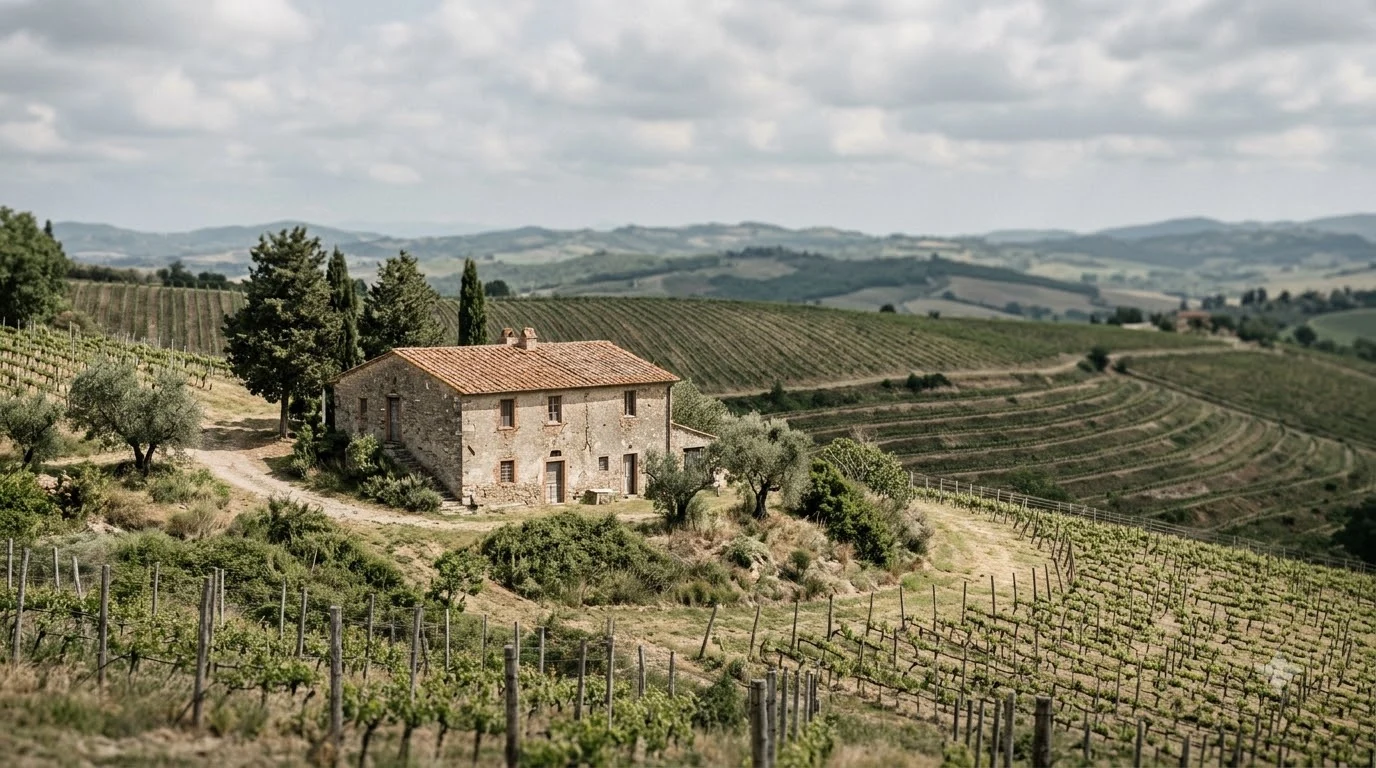
The croatia wine region is best understood as four distinct wine areas, each shaped by a different mix of climate, landscape, and native grapes. Istria and Kvarner are known for Malvazija and Teran, Slavonia and the Danube for Graševina, the Croatian Uplands for crisp whites and sparkling wine, and Dalmatia for Plavac Mali and Pošip. That range makes Croatia especially rewarding for drinkers who want to move beyond familiar international varieties.
Although Croatia is a relatively small country, its vineyards stretch from cool inland hills to sunlit Adriatic islands. The result is not one house style but a collection of regional identities: fresh whites, savory reds, structured coastal wines, and traditional sweet bottlings. Learning the four regions is the simplest way to understand what a Croatian wine label is telling you.
How Croatia’s Four Wine Regions Fit Together
Croatia has four officially recognized wine regions: Croatian Uplands, Slavonia and Podunavlje, Istria and Kvarner, and Dalmatia. Their differences follow the country’s geography, from the continental plains and hills in the north and east to the Mediterranean coast and islands in the west and south.
Continental vineyards tend to favor whites and cooler growing conditions, while the coast has a stronger Mediterranean influence and more red varieties. Vina Croatia describes the country as a meeting point of Mediterranean, Alpine, and Pannonian influences; its regional overview outlines the four zones.
On the map, Istria and Kvarner occupy the northern Adriatic, including Krk; Dalmatia extends south toward Dubrovnik and includes Hvar, Brač, and Korčula. The Croatian Uplands cover central and northwestern areas such as Plešivica, Zagorje, Međimurje, and Moslavina, while Slavonia and Podunavlje reach east toward the Danube.
The Croatian National Tourist Board lists 258 recognized grapevine varieties, including 134 autochthonous, or native, varieties. That diversity explains why local names matter: alongside Chardonnay and Cabernet Sauvignon, Croatia’s most distinctive wines often come from grapes with deep regional roots. For a broader way to compare wine geography, the Wine Regions overview explains how climate and place influence a bottle’s style. Croatia is a particularly clear example because its four zones are compact enough to compare, yet different enough to produce markedly different wines.
Istria and Kvarner: Malvazija, Teran, and Island Whites
Istria and Kvarner combine a mild Mediterranean climate with cooler continental influences from inland Croatia, producing both fresh whites and structured reds. The region’s signature pairing is Malvazija Istarska from Istria and Žlahtina from the island of Krk, with Teran providing its best-known red counterpoint.
Malvazija Istarska, or Istrian Malvasia, is usually a dry, refreshing white. The Croatian National Tourist Board describes citrus and apple aromas, a light color, and a gently bitter finish. Bottles from western Istria are a natural starting point, although choices in harvest and cellar work can produce versions with more texture and savory detail.
Teran is the key red variety of central Istria, where an inland microclimate suits its fresh, structured style and dark-fruit character. Its savory edge works with grilled meat, roast pork, mushrooms, and aged cheese. Rather than a soft Mediterranean red, Teran can have enough acidity and grip to remain lively beside rich food.
Kvarner adds Žlahtina, grown especially on Krk and associated with Vrbnik. Usually light and dry, it suits seafood and coastal dishes. Sansigot and Trojišćina add local interest alongside Chardonnay, Merlot, and Pinot Noir. A tasting of Malvazija, Teran, and Žlahtina quickly shows the range of this northern coastal region. Pair Malvazija with grilled squid, shrimp, white fish, olive oil, or herbs; serve Teran with lamb, beef, game, or aged cheese, and Žlahtina with shellfish. The Savoie wine region offers another example of mountain influences preserving freshness in a compact area.
Slavonia and the Croatian Danube: Graševina Country
Slavonia and Podunavlje form Croatia’s eastern wine region, stretching from areas around Virovitica and Daruvar toward the Danube and Baranja. Its defining grape is Graševina, known internationally as Welschriesling, which can produce everything from light, fresh everyday whites to fuller, more complex wines.
Important areas include Kutjevo, Baranja, Erdut, Ilok, Srijem, and Daruvar; Venje and Mitrovac are named vineyard areas in the Kutjevo wine country. The Croatian National Tourist Board identifies Slavonia and Podunavlje as Croatia’s highest-volume wine region, a contrast with the smaller, steeper parcels on Adriatic islands.
Graševina is the essential grape to recognize. Although it is not native to Croatia, it has become a defining local wine. Fresh, stainless-steel versions may show apple, citrus, and light herbs; riper fruit or more elaborate cellar work can create greater body and complexity. Producers also use it for sparkling and late-harvest wines, so the grape name alone does not tell you the sweetness level.
Other whites include Chardonnay, Sauvignon Blanc, Pinot Gris, Pinot Blanc, Riesling, and Traminer; the last is especially aromatic, with floral and spice notes. Red wines have a smaller profile, but Frankovka (Blaufränkisch), Pinot Noir, Cabernet Sauvignon, Merlot, and Zweigelt offer a useful contrast to the region’s white-wine identity. Dry Graševina suits freshwater fish, roast chicken, pork schnitzel, vegetables, and mild cheeses. Aromatic Traminer works with fragrant spices and richer poultry, while Frankovka pairs with grilled sausages, roast pork, and mushrooms. Comparing producers and vineyard sites is more revealing than assuming every Graševina tastes alike.
Croatian Uplands: Cool-Climate Whites and Sparkling Wine
The Croatian Uplands cover central and northwestern Croatia, including Međimurje, Zagorje, Prigorje, Plešivica, and Moslavina. Cooler conditions and hilly vineyards favor aromatic whites, lighter reds, and an increasingly visible sparkling-wine tradition, particularly around Plešivica.
Common international grapes include Riesling, Sauvignon Blanc, Chardonnay, Pinot Gris, Pinot Blanc, Sylvaner, and Welschriesling. Local varieties add regional character: Škrlet is associated with Moslavina, Pušipel with Međimurje, and Kraljevina with Prigorje. These are useful names to seek out when you want something less familiar.
Škrlet is typically fresh and approachable, with citrus, orchard fruit, and herbal notes. Pušipel can be more concentrated, while Kraljevina is valued for its freshness and suitability for sparkling wine. Cool conditions often keep these wines energetic rather than heavy.
Plešivica is the area to watch for sparkling wines. Kraljevina is one local grape used in the region, while Chardonnay and Pinot Noir also appear. These wines emphasize acidity and freshness, offering a contrast to the riper, more powerful styles found on the southern coast. Whites dominate, but Pinot Noir and Blaufränkisch are also grown. The region’s lighter reds provide a contrast to the fuller wines of Dalmatia. The Tasmania wine region provides another cool-climate comparison for sparkling wine and vibrant whites.
Dalmatia: Plavac Mali, Pošip, and Adriatic Vineyards
Dalmatia is Croatia’s warm southern coastal region, extending from the Zadar area to Konavle near Dubrovnik. It is especially associated with red wines from Plavac Mali, but Pošip, Grk, Babić, Debit, and other indigenous grapes make its white-wine story just as distinctive.
Plavac Mali is Dalmatia’s best-known red grape, thriving on steep, sun-exposed slopes of the Pelješac Peninsula and the islands of Hvar and Brač. The Croatian National Tourist Board describes it as full-bodied and dark, with notes of dried fruit, cherry, blueberry, and plum. Ripe examples can be powerful, with substantial alcohol and firm tannin. Pelješac is home to Dingač, a named wine-growing area rather than a grape variety. The name signals a specific place: Plavac Mali is the central grape behind the area’s best-known reds. Steep slopes and exposure to Adriatic sun help create ripe, intense wines that contrast with lighter reds from the Croatian Uplands.
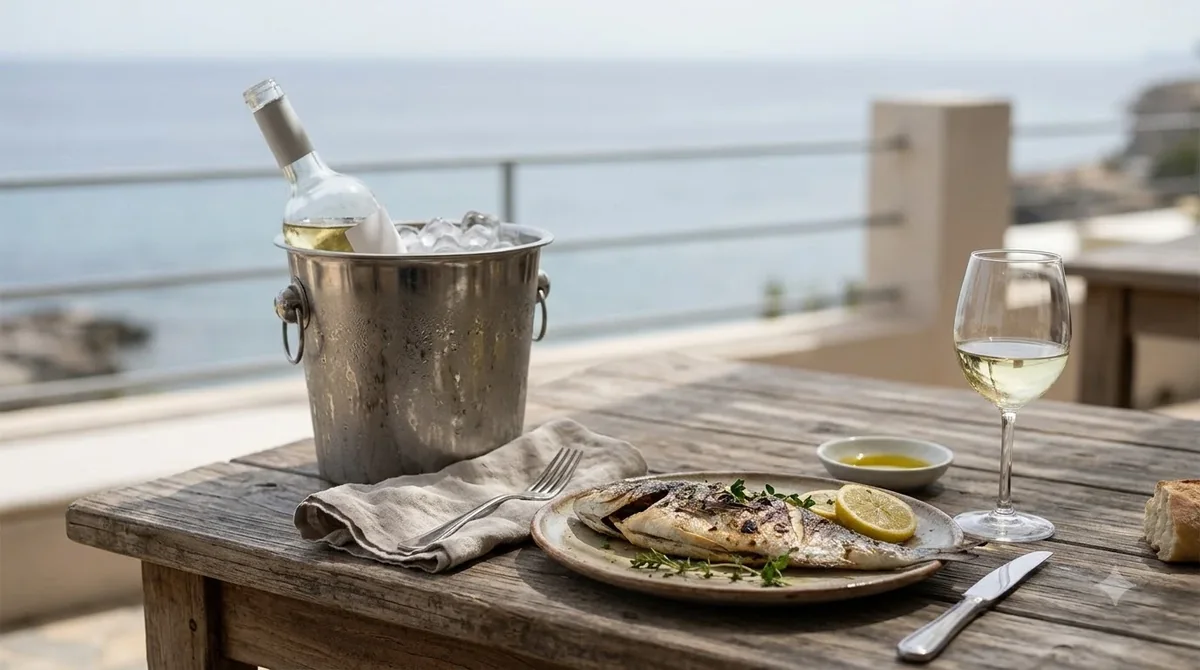
Pošip is a leading white grape associated with Korčula, producing dry wines with ripe citrus, stone-fruit, and herbal character. Grk is another indigenous white from the island. Around Šibenik and Primošten, Debit makes whites and Babić offers a structured red alternative to Plavac Mali. Other local grapes include Maraština, Kujundžuša, Plavina, Bogdanuša, and Dubrovnik Malvasia, which can be made dry or sweet from lightly dried berries. Crljenak Kaštelanski, also called Tribidrag and associated with Zinfandel, is identified by the Croatian Tourist Board as one of Plavac Mali’s predecessors. Pair Dalmatian whites with grilled fish, octopus, shellfish, and olive-oil dishes; Pošip can handle richer seafood, while Grk suits grilled white fish and local cheeses. Plavac Mali pairs with lamb, beef, slow-cooked meat, and aged cheese, whose protein and fat soften tannin. The Croatian National Tourist Board’s Dalmatia profile outlines the region’s grapes and places.
How to Choose, Pair, and Serve Croatian Wine
The easiest way to buy Croatian wine is to begin with the region and then choose a grape that matches the style you enjoy. Start with Malvazija for a dry coastal white, Graševina for a versatile inland white, Teran for a fresh and structured red, or Plavac Mali for a fuller southern red.
Match the grape to the style
For a crisp white, choose younger Malvazija, Žlahtina, or Graševina; for more body, consider Pošip or a fuller hillside Graševina. Teran offers a fresh, savory red, while Plavac Mali is richer, darker, and more tannic. Škrlet and Kraljevina are good introductions to the Croatian Uplands.
Sweetness matters, too: wine should be at least as sweet as the dessert. With fruit tart, pastries, or a sweet dried-grape bottling, choose a wine with enough sweetness to avoid tasting sour or thin. For savory dishes, consider body, acidity, and tannin together.
Food pairing by structure
High-acid whites such as Malvazija, Žlahtina, and Graševina suit dishes with lemon, vinegar, or tomato. Pošip handles grilled fish with richer sauces, while Plešivica sparkling wine works with fried seafood, salty appetizers, and creamy cheeses. Salt and fat soften tannin, making Plavac Mali more comfortable with lamb or aged cheese than delicate fish.
Alcohol and tannin can amplify chili heat, so high-alcohol Plavac Mali or firm Teran may struggle with very spicy dishes. A fresher white or slightly off-dry style is often easier. Oily fish can clash with tannic reds; choose an acidic white instead.
Serving temperatures and portions
Serving temperature changes a wine’s balance: whites served too warm can seem heavy, while warm reds can emphasize alcohol. Use these ranges as practical starting points.
| Wine style | Examples from Croatia | Serving temperature |
|---|---|---|
| Light whites | Žlahtina, fresh Malvazija, young Graševina | 45–50°F |
| Fuller whites | Pošip, fuller Malvazija, textured Graševina | 50–55°F |
| Light reds | Pinot Noir, lighter Blaufränkisch | 55–60°F |
| Full reds | Plavac Mali, structured Babić | 60–65°F |
| Sparkling | Plešivica sparkling wine | 40–50°F |
| Sweet whites | Sweet dried-grape wines | 43–50°F |
A standard pour is about 5 ounces, so a 750 ml bottle provides approximately five glasses. Smaller pours make it easier to compare Malvazija, Graševina, Pošip, Teran, and Plavac Mali in one tasting. Keep sparkling wine chilled and let fuller reds warm slightly in the glass.
Tip: Build a four-bottle Croatian tasting around one wine from each region: Malvazija from Istria, Graševina from Slavonia, a sparkling wine from Plešivica, and Plavac Mali from Dalmatia. Serve the whites and sparkling wine first, then move to the reds so the fuller tannins do not overwhelm the lighter styles.
Storage and opening
Store cork-finished bottles on their sides in a cool, dark place near 55°F. Refrigerate opened still wines and aim to finish them within 3–5 days; sparkling wine generally holds for 1–3 days with a suitable stopper. Young, full-bodied Plavac Mali may benefit from 30–60 minutes in a decanter.
Start with region, grape, and intended style. Dingač signals a specific Dalmatian origin, while Graševina points toward an inland white-wine tradition; both cues help distinguish bottles within Croatia’s broad range.
Frequently Asked Questions
Is Croatia mainly a red-wine or white-wine country?
White grapes dominate much of the country’s inland production, especially in Slavonia and the Croatian Uplands. Dalmatia has a stronger red-wine identity, so the answer depends on which part of Croatia is being discussed rather than on one national style.
Is Plavac Mali the same grape as Zinfandel?
No. Crljenak Kaštelanski, also called Tribidrag, is the Croatian grape associated with Zinfandel, while Plavac Mali is a separate variety with a documented family connection to it. Plavac Mali is especially associated with Pelješac, Hvar, and Brač.
Which Croatian white wine is easiest for a beginner to try?
Graševina is a useful starting point because it appears in several styles, from light and fresh to fuller and more complex. Malvazija Istarska is another approachable choice, especially for drinkers who enjoy dry whites with citrus, apple, and a gently savory finish.
What does Dingač mean on a Croatian wine label?
Dingač is a named wine-growing area on the Pelješac Peninsula, not the name of a grape. It is associated with Plavac Mali, and the name signals a specific Dalmatian origin rather than a generic Croatian red blend.
Does Croatia make sparkling wine?
Yes. Plešivica in the Croatian Uplands is particularly associated with sparkling wine, supported by its cooler climate and suitable soils. Producers use local grapes such as Kraljevina as well as varieties including Chardonnay and Pinot Noir.
For a first taste of the croatia wine region, compare one bottle each of Malvazija, Graševina, and Plavac Mali, then add a sparkling wine from Plešivica or a Dalmatian white such as Pošip. Those wines show how four distinct growing areas can create a much wider range of flavors than the country’s size might suggest.
More in Wine Regions
 Willcox Wine Trail: Discover Arizona’s High-Elevation Wine CountryUpdated Nov 20, 2026
 Yakima Valley Wine Region: Find the Best Styles to TryUpdated Nov 20, 2026
 Vosne Romanee Wine Tasting: Identify Aromas and Choose Better PairingsUpdated Nov 20, 2026
 Yakima Valley Wine Festival: Find the Best Seasonal Wine EventsUpdated Nov 20, 2026
 Wales Vineyards: Discover Cool-Climate Wines and Where to VisitUpdated Nov 20, 2026
 Yountville Wine Festival: Discover Napa Wines and Local FoodUpdated Nov 20, 2026