

We may earn a commission when you buy through links on this page, at no extra cost to you. Learn more.
The Iowa wine trail network gives visitors a way to explore cold-climate wines at family-run tasting rooms across the state, from the Loess Hills to the Mississippi River valley. The phrase can also refer to a specific Upper Mississippi Valley route, so it helps to distinguish the statewide network from that named trail. Start with one region, choose two or three stops, and leave time to discover grapes such as Brianna, Frontenac, Marquette, and La Crescent.
Iowa wine country is less about a single continuous vineyard corridor than a collection of small destinations connected by country roads, river towns, and regional travel routes. The best visit begins with a clear sense of geography and an appetite for varieties that are well suited to the Midwest.
How the Iowa wine trail system is organized
Iowa’s wine-trail names describe both a statewide network and individual regional routes, and the distinction matters when planning a drive. The Iowa Wine Growers Association’s current trail information describes seven primary regions, while an older association overview lists eight trails and uses “The Iowa Wine Trail” for a specific Upper Mississippi Valley route.
The seven regional groupings on the association’s current registration page are Western Iowa, Heartland, Corridor, Northern Iowa, Driftless, Amana, and Southeast. The association also identifies geographically concentrated wine tours, including the I-80, Loess Hills, and Scenic Rivers tours. Those tours are useful planning ideas, but they are not presented as additional primary regions in the refreshed program. For the live lineup and participating stops, start with the association’s Iowa Wine Trails and Stops page.
The older named Iowa Wine Trail description follows the Upper Mississippi Valley and identifies communities including Anamosa, Baldwin, Bankston, Clinton, Decorah, Fredericksburg, Guttenberg, Marquette, and West Branch. That route is a useful reference for river-country travel, but it should not be mistaken for a single loop connecting every winery in the state. A statewide trip that tries to combine the Driftless area, Des Moines, and the Loess Hills in one day would involve too much driving to enjoy the tasting rooms.
Trail membership and public access are separate questions. The association’s digital map is the best starting point for building a current stop list, but confirm each winery’s opening days, tasting format, food policy, and group arrangements before setting out. Readers comparing other regional routes can also see how a more compact Great Lakes itinerary works on the Traverse City wine trail.
What Iowa’s cold-hardy grapes taste like
Iowa’s signature wines are shaped by grapes bred or selected to withstand cold winters and a shorter growing season. The result is a distinctive mix of bright whites, fruit-forward reds, and off-dry styles rather than a simple copy of the Cabernet- and Chardonnay-led regions many visitors already know.
The Iowa Wine Growers Association says more than 40 grape types are grown in the state, including cold-hardy varieties such as Brianna, Vignoles, Frontenac, and Maréchal Foch. Brianna is a white grape that can make a balanced semi-sweet wine with notes of apricot, peach, pineapple, citrus, and honey. La Crescent often produces an aromatic white that ranges from off-dry to sweet, with apricot, peach, and citrus character. These wines can be a natural first stop for visitors who enjoy fruit-forward whites.
Red-wine fans should look for Frontenac, Marquette, and Maréchal Foch. Frontenac is known for deep color and lively acidity, so the finished wine can feel brisk even when the fruit seems ripe. Marquette is another cold-climate red and can make a more structured, dry style; Maréchal Foch is an established hybrid that appears in Iowa vineyards and blends. Ask whether a producer’s red is dry, semi-sweet, or sweet before choosing a flight, because sweetness varies by winery and vintage.
Hardiness figures help explain why these grapes suit the region. The association describes Brianna as hardy to around minus 25°F, La Crescent as able to tolerate temperatures as low as minus 36°F, and Frontenac Gris as hardy to at least minus 35°F. Those are vineyard survival characteristics, not tasting temperatures or guarantees that every site has identical growing conditions. Iowa State University Extension notes that cultivar suitability varies by region; its Iowa grape-variety guidance separates varieties suited to the southern, central, or all parts of Iowa.
| Grape | Reported cold hardiness | Common wine profile |
|---|---|---|
| Brianna | About -25°F | Semi-sweet white; peach, pineapple, citrus, honey |
| La Crescent | As low as -36°F | Aromatic white; off-dry to sweet, apricot and citrus |
| Frontenac Gris | At least -35°F | White or rosé styles; peach, pineapple, tropical fruit |
Try two grapes side by side, such as Brianna and La Crescent, or compare two expressions of Frontenac. Ask whether the difference comes from the grape, residual sugar, fermentation, or aging; a focused comparison can reveal more than a flight of unrelated samples.
Which Iowa wine regions to explore first
Choose a region based on the kind of landscape and day trip you want, then narrow the list to wineries that fit your route. The western hills, central Iowa countryside, northern farm country, and Mississippi River communities each offer a different setting and a different mix of stops.
Western Iowa is a strong choice for a drive through the Loess Hills and the state’s western countryside. The current regional list includes Breezy Hills Winery, Country Barn Winery, Innspiration Winery, Oscar Carl Vineyard, and Prairie Crossing Winery as eligible stops. That mix gives travelers a way to combine wine tasting with scenic rural roads and communities near the Missouri River side of the state. A western itinerary is best planned as its own outing rather than joined to a same-day visit in eastern Iowa.
The Heartland region reaches through central Iowa and includes names such as Jasper Winery, Madison County Winery, Snus Hill Winery, Summerset Winery, and Tassel Ridge Winery. The Corridor region includes Cedar Ridge Winery and Distillery, Fireside Winery, Glyn Mawr Vineyard and Winery, Old Man’s Creek Vineyard and Winery, and Walker Homestead Farm and Winery. These clusters suit trips built around Des Moines, Iowa City, or nearby towns.
For river scenery, compare the Driftless and Southeast groupings. The Driftless list includes Eagles Landing Winery, Park Farm Winery, TYCOGA Winery, Wide River Winery, and Winneshiek Wildberry Winery; Southeast options include Olathea Creek Vineyard and Winery, Ardon Creek Vineyard and Winery, and Wooden Wheel Vineyards. Northern Iowa adds Soldier Creek Winery, Lazy Acre Vineyard, and Rustic River Winery. Amana is a distinct cultural destination, so verify the current route status before planning around that label. For more background on regional boundaries, browse the site’s overview of Wine Regions. These names are not a ranking: pick a cluster that suits your starting point, preferred scenery, and wine interests.
How to plan a relaxed day or weekend
A rewarding Iowa wine outing usually has two or three winery stops, not six or seven. Plan around a compact area, leave a generous gap for lunch and scenery, and treat each tasting room as a destination rather than a quick checkpoint.
For a simple day, reserve the late morning for the first winery, schedule lunch or a picnic break around midday, and make one afternoon visit your second main stop. A third stop can work when the wineries are genuinely close together and the tasting formats are short, but do not assume a map makes rural roads quick to travel. Allow time to park, check in, ask questions, taste at a measured pace, browse the bottle selection, and reach the next destination without rushing.
A weekend gives you more flexibility. Stay near your chosen region and visit a different cluster the next day rather than repeating a long drive after several tastings. You might pair a central Iowa day around Jasper or Madison County with a separate Corridor visit, or devote one day to the Driftless area and another to a river town. Leave room for local restaurants, shops, and outdoor viewpoints.
Save winery addresses in driving order and check the full route rather than relying only on a directory sequence. Ask about group reservations, walk-in availability, tasting fees, food service, outdoor seating, and whether children or pets are permitted. A special event can change normal tasting procedures, so confirm a few days before travel. Plan transportation before the first tasting: choose a designated driver who will not drink, or arrange a local ride, since rural areas may have fewer rideshare options than a city. Smaller pours and water can make a tasting more comfortable, but they do not make it appropriate for someone who has been drinking to drive. Buy bottles near the end of the day or ask how to keep them cool.
Tip: Keep your first itinerary to two or three stops in one region, and put the farthest drive before the tasting rather than after it. A designated driver should remain alcohol-free for the entire route.
How to taste and pair Iowa wines
Approach a tasting as a chance to compare style, sweetness, acidity, and structure, not as a test with right or wrong answers. Iowa producers work with a wide range of cold-climate grapes, so a short conversation with the person pouring can make unfamiliar names easier to understand.
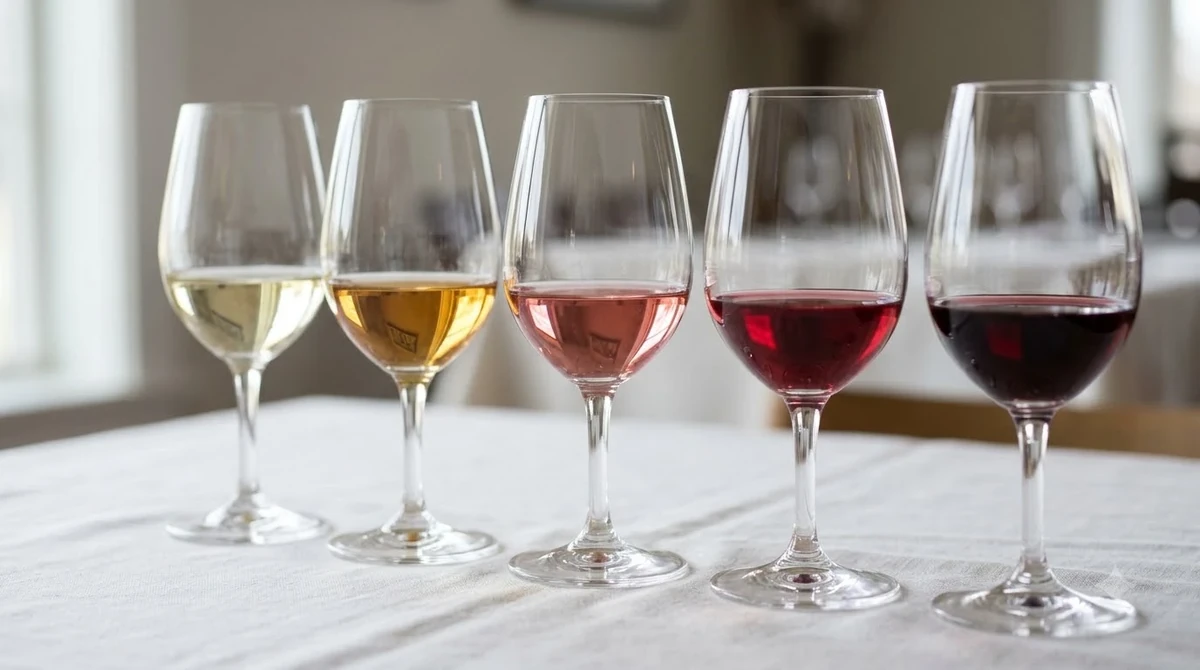
Start with lighter wines and move toward fuller reds or sweeter dessert styles. If a flight includes Brianna, La Crescent, Frontenac Gris, Marquette, and Frontenac, ask the server to explain the order. Notice how acidity refreshes the palate and how tannin creates a drying sensation in some reds.
Food makes the differences clearer. High-acid whites suit foods with matching acidity, such as goat cheese with vinaigrette or tomato-based dishes. Semi-sweet whites pair with fruit, mild cheeses, or gently spiced dishes, while dessert wine should be at least as sweet as the dessert. Salt and fat soften tannin, so a structured red may suit a burger, grilled sausage, or aged cheese better than oily fish. Be cautious with very spicy food: alcohol and tannin can make chili heat seem stronger. Choose a crisp white or rosé for salmon, trout, or a seafood spread, and ask whether the winery offers a local cheese plate or permits outside picnics.
Temperature has a noticeable effect on aroma and balance. A light white or rosé generally shows well around 45–50°F, while a fuller white is often better around 50–55°F. Light reds can be served at 55–60°F and fuller reds around 60–65°F. Sweet whites are usually most refreshing at 43–50°F. These are serving guidelines rather than strict rules, and a winery may pour a sample at the temperature that best suits its style.
When to visit and what to check before setting out
Late spring through fall is the easiest period for a scenic winery drive, but the best date depends on the experience you want. Summer brings long daylight and outdoor seating where available; late summer and fall can add vineyard color and harvest activity; colder months may suit indoor tastings, but schedules can be more limited.
Do not assume every winery follows the same calendar. A farm-based tasting room may have different hours from an urban location, and some close on selected weekdays or shift to event-based service. Check each stop’s website or call shortly before visiting, especially from late fall through early spring. Verify the street address as well as the town; some wineries sit several miles outside the community named in a listing. For a group of six or more, contact the winery ahead to ask about seated tastings, tours, or food. Smaller groups should still check whether reservations are recommended, since a tasting room may be hosting a wedding, live music, or a private event. Ask about tasting length and mobility access; vineyard paths, gravel parking areas, and older farm buildings can differ.
Plan bottle transport before the first pour and keep purchases out of direct sun and away from a hot vehicle. At home, store bottles away from heat and strong light, ideally near 55°F, and keep cork-finished bottles on their sides. Keep expectations flexible: a winery might have its tasting room open while vineyard tours are unavailable, or a special event may change the day’s atmosphere. Two well-chosen visits, a good lunch, and time to enjoy the countryside are enough for a satisfying first trip, and you can return for a different region after discovering which Iowa grapes you like best.
Frequently Asked Questions
These quick answers cover details that can affect which stops you choose and how you use the association’s trail information.
What does “eligible winery” mean on the Iowa Wine Growers Association list?
The association says the trail benefits are reserved for members in good standing. Locations awaiting membership renewal may still be named in the directory, but their map treatment and linked visitor information can differ from eligible members.
Are all stops on a wine trail wineries that make wine?
No. The Heartland listing specifically identifies The Wijn House and Wines of Iowa as retail stops, so a trail can include places to buy Iowa wine as well as production wineries. Read the stop description before assuming that a tasting flight or vineyard tour is available.
Can I find cider or mead on an Iowa wine route?
Yes. The Southeast regional list includes Bridgehouse Cider and Bootleg Hill Honey Meads, giving visitors alternatives to grape wine. Their products and tasting formats are different from those at a vineyard, so confirm what each location is serving before you go.
Why might the Amana Wine Trail listing change?
The association’s trail page says an official Amana Wine Trail needs at least four stops; otherwise, the area may be handled as a wine tour. Its listed eligible stops include Ackerman Winery and Fireside Winery in the Village, while other locations are shown as pending membership renewal.
Does Iowa have a long history of organized wine promotion?
WineAmerica reports that the Iowa Wine Growers Association was established in 2000 to support education, promotion, marketing, and legislative input. It also points to the Midwest Grape and Wine Industry Institute at Iowa State University, which began supporting the industry in 2006.
Iowa is worth exploring with an open mind and a regional plan: its cold-hardy grapes offer styles that can be very different from familiar wine regions. Choose one corner of the state, confirm the individual stops, and let the wines guide your next visit.
More in Wine Regions
 Willcox Wine Trail: Discover Arizona’s High-Elevation Wine CountryUpdated Nov 20, 2026
 Yakima Valley Wine Region: Find the Best Styles to TryUpdated Nov 20, 2026
 Vosne Romanee Wine Tasting: Identify Aromas and Choose Better PairingsUpdated Nov 20, 2026
 Yakima Valley Wine Festival: Find the Best Seasonal Wine EventsUpdated Nov 20, 2026
 Wales Vineyards: Discover Cool-Climate Wines and Where to VisitUpdated Nov 20, 2026
 Yountville Wine Festival: Discover Napa Wines and Local FoodUpdated Nov 20, 2026