

We may earn a commission when you buy through links on this page, at no extra cost to you. Learn more.
The dao wine region is a mountainous wine area in north-central Portugal known for elegant reds, textured whites, granite soils, and high-altitude vineyards. Its best-known grapes include Touriga Nacional and Encruzado, while Jaen, Alfrocheiro, Tinta Roriz, and Malvasia Fina add depth and variety. Cool nights, warm summers, and shelter from Atlantic winds help preserve freshness and structure. The result is food-friendly wine that can reward time in the cellar.
Often overshadowed by the Douro, Dão offers a different expression of Portuguese wine: less defined by monumental river terraces and more by granite uplands, native grapes, and a measured balance of fruit, acidity, and tannin. Bottles range from fresh everyday wines to complex estate bottlings.
Where Dão Sits in Portugal and Why Its Setting Matters
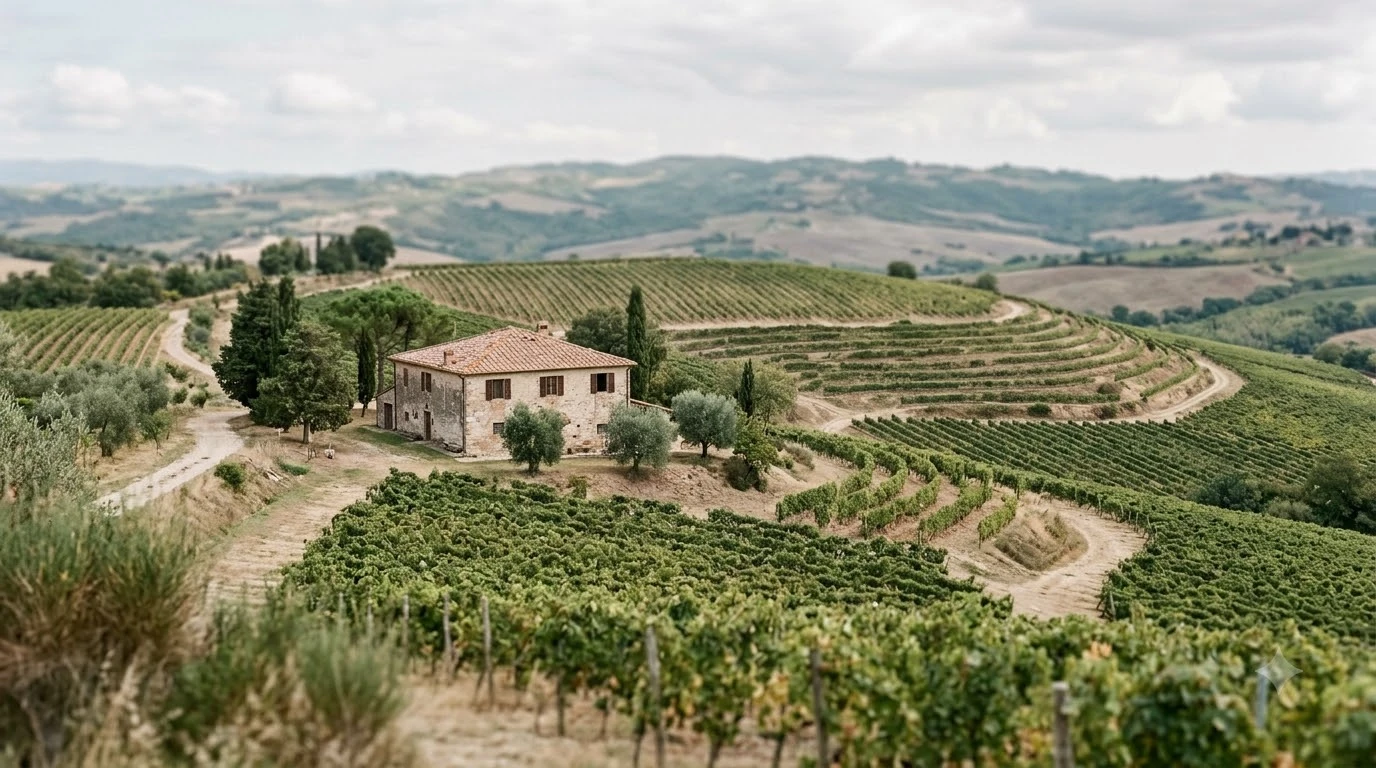
Dão lies inland in north-central Portugal, in the historic Beira Alta area around Viseu. A ring of mountains separates its vineyards from the Atlantic coast and the hotter continental interior, creating a sheltered growing area where altitude and exposure matter as much as latitude.
The Serra do Caramulo and Serra do Buçaco form important barriers to the west, while the Serra da Nave and Serra da Estrela help shield the region to the north and east. The Dão, Mondego, and Alva valleys create local differences in slope, exposure, and morning fog.
Adega de Silgueiros dates Dão’s demarcation to 1908. Viseu is a useful reference point, but vineyards stretch across several municipalities and subregions. Unlike Portugal’s coastal districts, Dão can have hot, dry summer days and distinctly cool nights in higher sites.
For readers comparing mountain wine areas, the Savoie wine region and Dão share an emphasis on elevation and local grape identity, although their climates and varieties differ. The broader Wine Regions directory can help place Dão among Portugal’s other appellations and the wider European map.
Granite Soils, Elevation, and Climate Shape the Wines
Altitude and granite are two of the clearest keys to Dão’s style. Most vineyards sit around 400 to 500 meters above sea level, with some reaching 800 meters, and the dominant soils are low-fertility granites with scattered schist deposits.
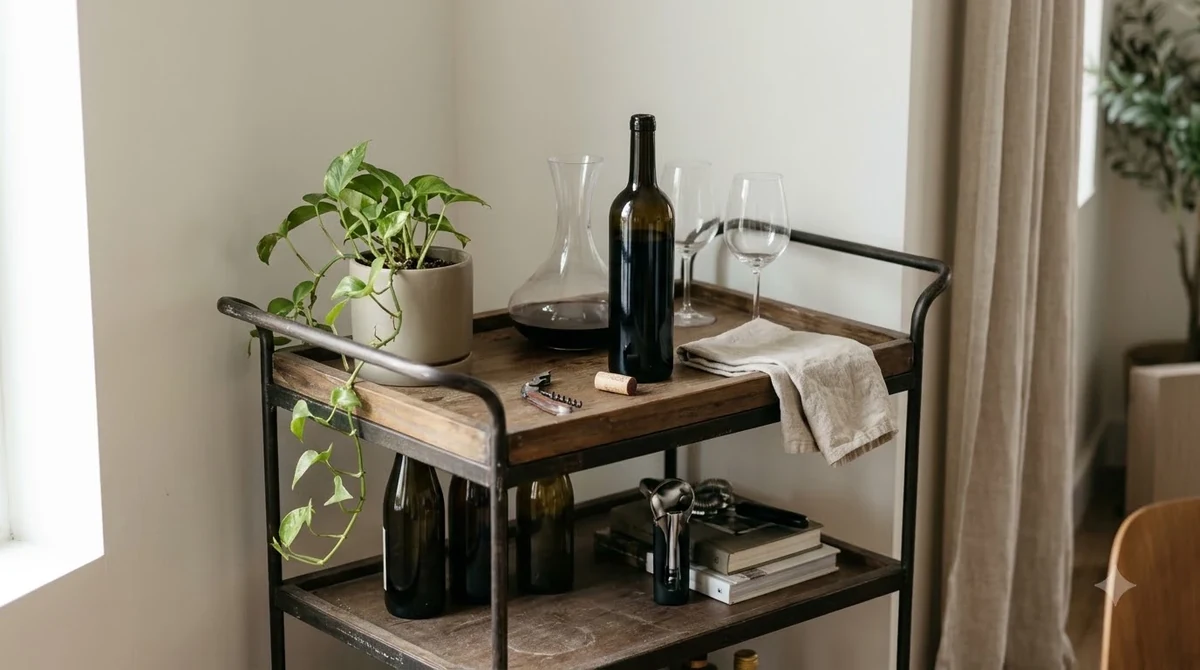
Adega de Silgueiros identifies porphyroid granite, locally called “horse’s tooth,” as characteristic of the region and estimates that about 97 percent of Dão’s vineyards are on this granite. Its generally lean, free-draining character can limit vine vigor and encourage roots to explore cracks in the underlying rock. The smaller schist areas, particularly toward parts of the west and south, add variation rather than replacing granite as the regional signature.
The Portuguese Vine and Wine Institute describes cold, rainy winters and summers that can be very hot and dry. Mountain shelter and cool nights help grapes ripen while retaining acidity; Decanter also notes overnight cold air on the plateau and morning fog over the Dão, Mondego, and Alva valleys.
These conditions help Dão reds combine ripe fruit with firm acidity and measured tannins. Whites can retain citrus and orchard-fruit notes while developing texture. Results still depend on elevation, rainfall, aspect, picking date, and cellar choices.
Native Grapes That Give Dão Its Identity
Dão’s character comes from a family of Portuguese varieties rather than one grape alone. Touriga Nacional is the signature red, Encruzado leads the whites, and grapes such as Jaen, Alfrocheiro, Tinta Roriz, Malvasia Fina, and Bical create a broad range of blends and single-variety wines.
Touriga Nacional brings structure, deep color, and a perfumed profile often associated with violets, dark berries, and spice. Encruzado is prized for its texture and freshness; it can make a substantial white without losing a firm line of acidity. Wine Enthusiast describes Encruzado as a variety that contributes texture in Dão, while Decanter highlights its ability to work both without oak and with lees or barrel maturation.
Jaen—known as Mencía across the Spanish border—often gives a more fragrant, supple expression than Touriga Nacional. Alfrocheiro contributes color and freshness, while Tinta Roriz (Tempranillo) supplies structure. Tinta Pinheira, Baga, and Bastardo add further local distinctions.
White blends may include Malvasia Fina, Bical, Cercial, Gouveio, Rabo de Ovelha, or Uva Cão alongside Encruzado. Some add floral or orchard-fruit notes; others support acidity or weight. Single-grape bottlings show varietal character, while blends balance aroma, texture, and freshness. The Switzerland wine region offers a comparison in mountain viticulture, although its varieties differ.
Dão Red Wines: Touriga Nacional, Jaen, and Blends
Dão reds are generally medium to full in body, with firm acidity, moderate to well-integrated tannins, and flavors that can move from fresh red berries to darker fruit, spice, and savory earth. Touriga Nacional often provides the backbone, but the most characterful bottles may give Jaen, Alfrocheiro, or old mixed plantings an equal role.
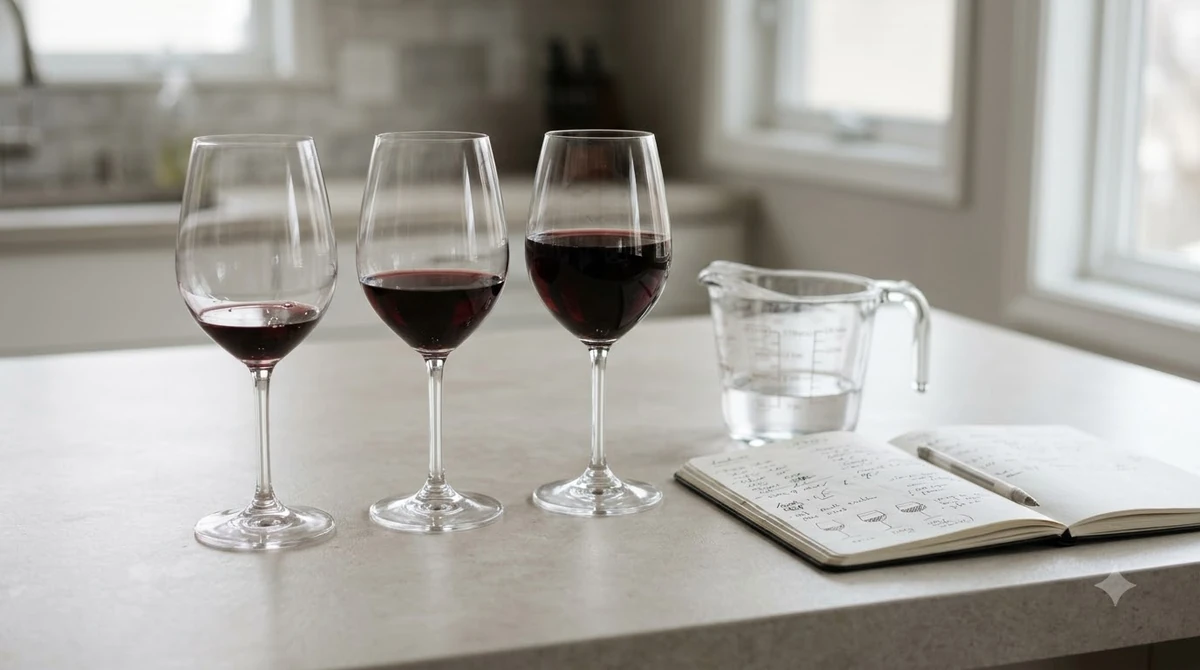
A Touriga Nacional-led wine is a good starting point for drinkers who like structured reds. Expect a deep ruby color, concentrated blackberry or black-cherry fruit, floral notes, and a firm frame of tannin. In Dão, that structure is often balanced by freshness and aromatic lift, rather than pushed toward the dense, powerful style sometimes associated with other Portuguese regions. The most serious examples can develop additional layers with bottle age.
Jaen provides a different route into the region. It tends to be more open and fragrant, with red cherry, plum, violet, and herbal notes, and it can feel approachable earlier than a firmly structured Touriga Nacional. Alfrocheiro can sit between those poles, contributing color and dark fruit while retaining freshness. Tinta Roriz often appears in blends where the producer wants more structure and familiar plum or berry character. Blending is not a sign of lesser quality: Touriga Nacional can provide aromatic shape, Jaen freshness, Alfrocheiro color and fruit, and Tinta Roriz structure. Other producers bottle one grape to show a variety or site directly. Oak, stainless steel, and concrete all appear, shaping texture and fruit expression in different ways.
Useful reference points include Quinta dos Roques, known for varietal wines such as Touriga Nacional, and Quinta da Pellada, whose Serra da Estrela wines can be distinctive and age-worthy. Casa de Santar is associated with Silgueiros; Quinta dos Carvalhais is in Terras de Senhorim. Compare grape, subregion, and vintage rather than assuming every Dão red tastes alike.
White, Rosé, and Sparkling Wines from Dão
Dão is not only a red-wine region. Its whites range from fresh and citrus-led to textured and age-worthy, while rosés emphasize red-fruit freshness and sparkling wines add another option for aperitifs or meals.
Encruzado is the white grape to seek out first. It can show lemon, pear, stone fruit, and a mineral edge, with fuller texture than the crispest Portuguese whites; its acidity balances that body. Producers may use stainless steel for direct fruit or lees and oak for creaminess and savory complexity. Malvasia Fina, Bical, and Cercial add floral, orchard-fruit, or brisker notes. The official regional profile describes Dão whites as fresh and balanced, with fruit, citrus, floral, and sometimes mineral notes.
Dão rosés are usually light to medium in weight, with red-berry aromas and balanced acidity. The Portuguese Vine and Wine Institute describes sparkling wines as fresh and persistent, with fine bubbles and white-fruit or red-fruit profiles. Serve a crisp white or rosé around 45 to 50°F, a fuller Encruzado around 50 to 55°F, and sparkling wines around 40 to 50°F; richer oak-matured whites may show best at the warmer end of the range.
DOP Dão, the Seven Subregions, and How to Read a Label
The Dão name sits within a formal system of Portuguese wine designations. The DOP Dão identifies wines from the core mountain appellation, while the wider Terras do Dão IGP and the separate DOP Lafões have their own geographic scope and rules.
The Portuguese Vine and Wine Institute lists seven DOP Dão subregions: Alva, Serra da Estrela, Terras de Senhorim, Besteiros, Silgueiros, Castendo, and Terras de Azurara. Decanter describes a west-to-east pattern: Atlantic-facing western sites generally have smaller day-night swings and earlier picking, while higher Serra da Estrela sites can allow longer hang time and more tannin development.
| Regional detail | Reported figure | Why it matters |
|---|---|---|
| Typical vineyard elevation | 400–500 meters | Altitude supports cool nights and freshness. |
| Highest vineyard sites | Up to 800 meters | Higher sites can extend ripening and preserve acidity. |
| Porphyroid granite | About 97% of vineyards | Granite is the region’s defining soil type. |
| Official Dão subregions | 7 | Labels may identify a more specific origin within the appellation. |
| Demarcated region established | 1908 | Dão has a long-standing appellation identity. |
The figures come from the official regional description and Adega de Silgueiros, which dates the demarcation to 1908 and identifies porphyroid granite across around 97 percent of vineyards. The Comissão Vitivinícola Regional do Dão oversees certification and use of the DOP and IGP names. “Dão” signals the protected appellation; a named grape suggests a varietal bottling, while an estate or vineyard name points to a more specific origin. Read terms such as Reserva or Garrafeira alongside the producer and vintage. For boundaries and designation details, consult the Portuguese Vine and Wine Institute’s Dão profile.
Subregion names help compare bottles from the same producer or grape. Serra da Estrela wines may feel more structured than those from warmer western sites, though vintage and winemaking matter too. Decanter’s regional profile of Dão describes producers and site distinctions.
How to Serve, Pair, and Store Dão Wines
Dão’s combination of acidity, fruit, and moderate to firm structure makes it versatile at the table. Choose the wine by weight and tannin: structured Touriga Nacional blends suit richer foods, while fresher Jaen, rosé, and Encruzado can work with lighter dishes or meals built around herbs and vegetables.
Pair Touriga Nacional with grilled beef, roast lamb, pork shoulder, or browned mushrooms. Protein and fat soften tannin, making a fatty cut or olive-oil-rich dish a natural match. Jaen suits roast chicken, sausages, grilled vegetables, and tomato-based dishes; aged hard cheese can also soften a midweight blend. Encruzado suits roast chicken, pork loin, shellfish, grilled white fish, and creamy dishes. Its weight stands up to richer sauces while citrus notes refresh the palate. Avoid strongly tannic reds with oily fish; with chile-heavy food, lower alcohol and tannin help keep heat in check.
Match sweetness as carefully as body: wine should be at least as sweet as dessert. Fresh whites and rosés suit salty snacks, cheese, olives, and cured meats; structured reds need enough fat or protein to balance tannin.
Tip: Chill a Dão red lightly rather than serving it warm. A lighter Jaen-based wine can be refreshing at 55–60°F, while a fuller Touriga Nacional blend is better around 60–65°F. If the bottle feels too firm, give it 30–60 minutes in a decanter; young, structured reds often open with air.
Pour about 5 ounces per glass; a 750-milliliter bottle gives roughly five servings. Store unopened bottles on their sides near 55°F. Refrigerate opened still wine and aim to finish it within 3–5 days, bringing reds back toward serving temperature before pouring. The Tasmania wine region offers another cool-climate comparison, though its grapes and growing conditions differ.
Frequently Asked Questions
What does DOP mean on a Dão wine label?
DOP stands for “Denominação de Origem Protegida,” the Portuguese wording for Protected Designation of Origin. It is the protected-origin category used across the European Union, linking the wine to a defined place and its production rules. The designation is different from the broader IGP category.
Is Dão a coastal wine region?
No. Dão is inland in north-central Portugal, and mountain ranges separate it from direct Atlantic exposure. The region’s cool nights and sheltered conditions are part of what distinguishes it from coastal areas such as Vinho Verde or Lisboa.
Why do some Dão wines smell of pine or eucalyptus?
Decanter notes that pine and eucalyptus trees are common in the landscape and can lend subtle scents to some wines. These herbal impressions sit alongside fruit and floral notes rather than defining every bottle. Their prominence varies by site, grape blend, and winemaking.
Who certifies Dão wines?
The Comissão Vitivinícola Regional do Dão, commonly abbreviated CVRD, manages and certifies the region’s DOP and IGP designations. Its responsibilities include protecting the regional names and controlling their authorized use. The Portuguese Vine and Wine Institute lists the commission in its regional information.
What is the difference between Dão and Lafões?
They are separate protected designations in the same broad part of central Portugal. Lafões lies north of Dão and includes the municipalities of Oliveira de Frades, São Pedro do Sul, and Vouzela. The official regional description notes that Lafões has its own rules and a distinct microclimate, even though granite is important in both areas.
Dão is a rewarding place to look beyond the best-known Portuguese wine names. Start with an Encruzado for texture and freshness or a Touriga Nacional blend for structure, then compare Jaen and Alfrocheiro to see how much range the region’s native grapes offer. The most revealing bottles are those that balance ripe fruit with the cool, lifted character of the mountain vineyards.
More in Wine Regions
 Willcox Wine Trail: Discover Arizona’s High-Elevation Wine CountryUpdated Nov 20, 2026
 Yakima Valley Wine Region: Find the Best Styles to TryUpdated Nov 20, 2026
 Vosne Romanee Wine Tasting: Identify Aromas and Choose Better PairingsUpdated Nov 20, 2026
 Yakima Valley Wine Festival: Find the Best Seasonal Wine EventsUpdated Nov 20, 2026
 Wales Vineyards: Discover Cool-Climate Wines and Where to VisitUpdated Nov 20, 2026
 Yountville Wine Festival: Discover Napa Wines and Local FoodUpdated Nov 20, 2026