

We may earn a commission when you buy through links on this page, at no extra cost to you. Learn more.
Bolgheri wine tasting introduces you to Tuscany’s celebrated coastal wines, especially structured Cabernet Sauvignon, Merlot, and Cabernet Franc blends with ripe dark fruit, fresh acidity, and Mediterranean herbal character. Located along the Tyrrhenian Sea, Bolgheri produces some of Italy’s most recognized international-style reds, including the prestigious Bolgheri Superiore and Bolgheri Sassicaia appellations. A tasting also reveals refreshing Vermentino whites, expressive single-variety wines, and the influence of the area’s varied soils and maritime climate. Comparing these styles side by side helps explain why Bolgheri has become one of Tuscany’s most distinctive wine destinations.
Bolgheri occupies a relatively small stretch of the Tuscan coastline, but its wines have earned an international reputation. Unlike the Sangiovese-centered traditions associated with Chianti and Brunello di Montalcino, Bolgheri is particularly known for Bordeaux-inspired blends that combine international grape varieties with the character of coastal Tuscany. Whether you are visiting local wineries, attending a guided tasting, or exploring bottles at home, understanding the appellations, grapes, and regional conditions makes each glass more interesting.
1. Where Bolgheri Is Located and What Makes Its Terroir Distinctive
Bolgheri is a coastal wine-producing area in the municipality of Castagneto Carducci, within the province of Livorno in Tuscany. Its position between the Tyrrhenian Sea and the inland hills creates growing conditions that help international red grapes achieve ripeness while retaining freshness.

According to the Bolgheri Consortium, the appellation stretches approximately 13 kilometers from north to south and 7 kilometers from east to west. Vineyards range from around 10 to 380 meters above sea level, creating differences in exposure, soil composition, drainage, and temperature. Most vineyards occupy the flatter central area, while others extend toward the surrounding hills and forested slopes.
The sea plays an important role in the area’s growing conditions. Maritime breezes moderate temperatures and help ventilate vineyards, while abundant sunlight supports the ripening of Cabernet Sauvignon, Merlot, and Cabernet Franc. The Consortium reports an average annual temperature of 15.5 degrees Celsius, approximately 60 degrees Fahrenheit, and windy conditions on at least 250 days per year.
These conditions help explain why Bolgheri wines can combine ripe fruit with a relatively fresh palate. Warm Mediterranean summers encourage full grape development, while sea breezes help maintain balance rather than producing wines that taste exclusively heavy or overripe.
Understanding the soils
Soil diversity is another important part of Bolgheri’s identity. The regional Consortium describes 27 different soil units identified through a study completed in 2006. These include sandy clay loam, gravelly areas, marine deposits, and alluvial material carried down from the surrounding hills.
Vineyards nearer the coast generally have sandier soils, while foothill areas can contain more clay and silt. Inland slopes include gravelly sections and different combinations of limestone-bearing material. These variations influence drainage, water availability, vine growth, and the development of individual grape varieties.
The Consortium’s official explanation of Bolgheri’s terroir describes how marine and alluvial geological influences contribute to the area’s unusually varied soils. Rather than assuming every Bolgheri bottle tastes the same, consider the producer’s vineyard location and grape selection when comparing wines.
For broader regional context, explore our guide to Wine Regions, which explains how geography, climate, and local production rules influence the wines in your glass.
2. The Grapes Behind Bolgheri’s Famous Red Wines
Bolgheri’s red wines are primarily built around Cabernet Sauvignon, Merlot, and Cabernet Franc. Syrah and Petit Verdot frequently provide additional blending options, while Sangiovese appears less often in traditional international-style combinations.
Cabernet Sauvignon is particularly important because it supplies structure, dark-fruit character, and substantial tannin. Typical aromas include blackcurrant, blackberry, cedar, tobacco, and occasionally green herbal notes. Its firm tannins and ability to age make it an important component in more structured Bolgheri wines.
Merlot brings a softer texture and generous fruit. Expect ripe plum, black cherry, and sometimes chocolate or earthy notes. Its medium tannins make it useful for balancing Cabernet Sauvignon, especially when a producer wants a blend that is approachable without losing structure.
Cabernet Franc adds another dimension. Depending on ripeness and winemaking, it can contribute red and dark berries, violet, herbs, pepper, and fresh acidity. Its growing importance has also encouraged more producers to release single-variety Cabernet Franc wines.
Additional red varieties
Syrah contributes darker fruit, spice, and savory character. Its tannins are generally medium-plus to high, depending on the wine’s extraction and ripeness. Petit Verdot can add color, concentration, and structure in smaller blending proportions.
Sangiovese provides a different Tuscan expression, with red cherry, herbal flavors, and lively acidity. Although it is not the defining grape of the area’s classic Bordeaux-style blends, some producers use it to create wines with a more recognizable connection to traditional Tuscan red wine.
The Consortium’s planting statistics identify Cabernet Sauvignon, Merlot, and Cabernet Franc as the three leading varieties. Vermentino is the principal white grape, followed by smaller plantings of varieties such as Sauvignon Blanc and Viognier.
Single-variety bottlings are particularly useful during a tasting because they allow you to recognize what each grape contributes before moving on to more complicated blends. A Cabernet Sauvignon can demonstrate structure, a Merlot can show softer fruit and texture, and Cabernet Franc can reveal the herbal and aromatic qualities associated with coastal Tuscany.
3. Bolgheri Rosso, Superiore, and Sassicaia Explained
Bolgheri has several appellation categories, and understanding their differences makes a tasting flight much easier to organize. Bolgheri Rosso generally offers a more approachable expression, while Bolgheri Superiore and Bolgheri Sassicaia follow stricter production and aging requirements.
Bolgheri DOC was originally established in 1983, when its production rules permitted white and rosé wines. A major regulatory revision in 1994 officially allowed red wines, establishing Bolgheri Rosso and Bolgheri Superiore while recognizing Sassicaia as a designated subzone.
Another important change came in 2011, when the rules permitted single-variety wines made from Cabernet Sauvignon, Merlot, and Cabernet Franc. Bolgheri Sassicaia subsequently became a separate DOC appellation in 2013.
| Wine category | Main characteristics | Minimum aging requirement |
|---|---|---|
| Bolgheri Rosso | Approachable red blends and permitted single-variety wines | One year |
| Bolgheri Superiore | More structured, age-worthy red wines | Two years, including at least one year in oak |
| Bolgheri Sassicaia | Estate-specific Cabernet Sauvignon-led wine | Two years, including at least 18 months in 225-liter barriques |
The aging requirements are useful reference points, but they do not guarantee that every bottle will taste identical. Producers make different decisions about fermentation, oak, extraction, blending, and bottle maturation. These choices can influence how fruit, acidity, tannin, and oak appear in the finished wine.
Bolgheri Rosso
Bolgheri Rosso is often the best starting point for a first tasting. These wines are generally designed to be enjoyed relatively young, with dark cherry, blackberry, plum, and Mediterranean herbs appearing alongside fresh acidity and moderate to substantial tannins.
Oak influence varies. Some producers use stainless steel and relatively limited wood contact, while others introduce oak to add spice, texture, and additional structure. The result can be an accessible red with enough complexity to demonstrate the regional style.
Bolgheri Superiore and Sassicaia
Bolgheri Superiore typically represents a more ambitious expression. Its two-year minimum aging requirement, including at least one year in oak, supports the development of more complex wines with additional structure and aging potential.
Bolgheri Sassicaia has its own production regulations. Its composition must include at least 80% Cabernet Sauvignon, with complementary varieties permitted within the remaining proportion. Its aging regulations require two years, including at least 18 months in 225-liter barriques.
The first commercially available Sassicaia vintage was 1968. Its success helped establish Bolgheri’s international reputation and encouraged other producers to explore Bordeaux varieties in coastal Tuscany.
4. What to Expect During a Bolgheri Wine Tasting
A Bolgheri tasting typically begins with ripe black fruit and develops toward savory, herbal, earthy, and oak-related aromas. The reds often have noticeable tannin, but good examples balance their structure with fresh acidity and concentrated fruit.
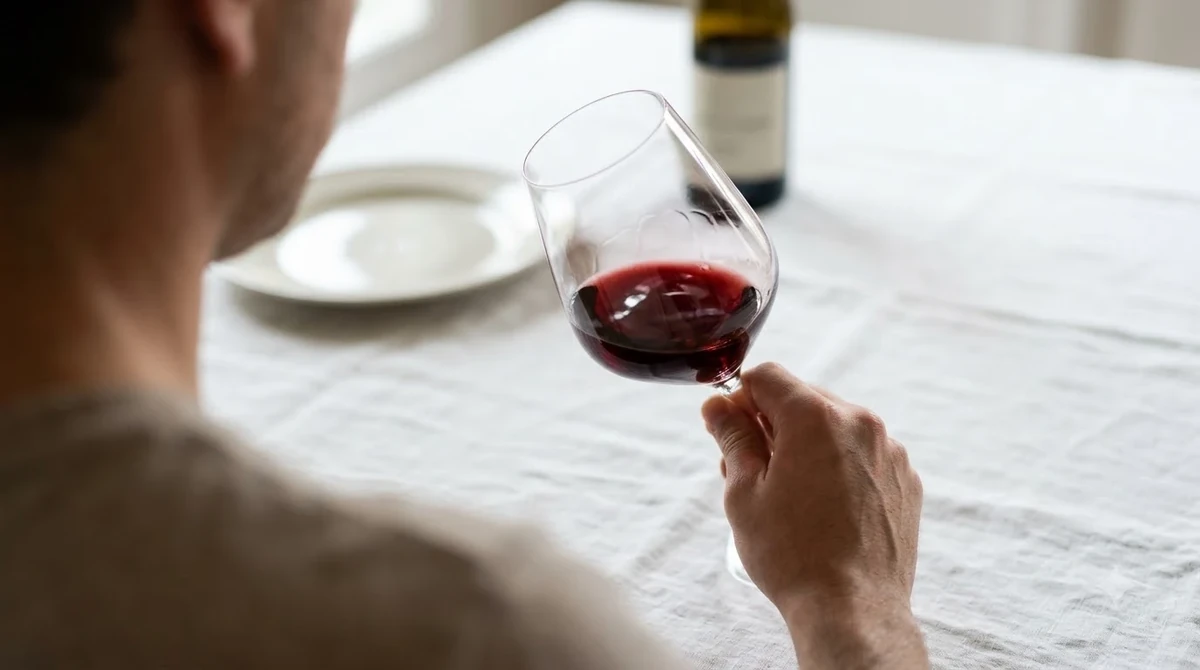
Start by examining the color. Young Cabernet Sauvignon-based wines often display deep ruby or purple-ruby tones. Older bottles may show garnet or brick-colored edges as they mature. Merlot-based wines can also appear deep ruby, with a softer visual impression depending on their age and concentration.
Next, assess the aroma. Swirl the glass gently and look for blackberry, blackcurrant, black cherry, plum, and blueberry. These fruit notes may be accompanied by tobacco, cedar, graphite, black pepper, dried herbs, balsamic aromas, and earthy characteristics.
Wine Enthusiast reviews of Bolgheri wines frequently describe combinations of blackberries, black cherries, tobacco leaf, graphite, pepper, herbs, and savory earth. These observations provide useful reference points, although individual wines can show very different aromatic profiles.
Evaluating structure and texture
Take a small sip and consider four characteristics: acidity, tannin, body, and finish. Acidity determines how fresh and lively the wine feels. Tannin creates a drying sensation around the gums and inside the cheeks, while body describes the wine’s overall weight and texture.
Cabernet Sauvignon usually contributes high tannin, while Merlot generally has medium tannin and a softer texture. Cabernet Franc can add freshness and herbal complexity. These differences are particularly noticeable when comparing single-variety bottlings with regional blends.
Pay attention to how the flavors change after swallowing. A well-balanced Bolgheri red may begin with ripe blackberry and cherry, develop into tobacco and Mediterranean herbs, and finish with persistent savory or mineral impressions.
Oak influence deserves separate attention. Vanilla, toast, cedar, baking spice, and cocoa can indicate maturation in wooden vessels. However, not every Bolgheri producer relies heavily on new oak, and the region also includes wines fermented or matured in concrete and other vessels.
Tip: Taste a younger Bolgheri Rosso before moving to a more structured Superiore or Sassicaia. Keep your first impressions simple: note the dominant fruit, tannin strength, acidity, oak influence, and length of the finish. Revisit the first glass afterward to see how your perception changes.
Do not overlook the whites
Bolgheri is especially famous for red wines, but Vermentino provides an important contrast. It generally offers citrus, white peach, pear, floral notes, and herbal freshness, making it a useful palate reset between richer reds.
Most Vermentino wines are fermented in stainless steel, although some producers use larger, older oak barrels. Sauvignon Blanc and Viognier also appear in smaller quantities, sometimes with additional oak influence.
5. Food Pairings That Work with Bolgheri Wines
Bolgheri red wines pair particularly well with grilled meats, roasted lamb, tomato-based dishes, mushrooms, and aged cheeses. Their fruit concentration and tannin structure make them especially suitable for savory food with enough protein, salt, and fat to balance the wine.
Cabernet Sauvignon-based blends are natural companions for grilled beef. A grilled ribeye, strip steak, or slow-roasted beef shoulder provides protein and fat that soften the perception of tannin. The wine’s dark fruit and herbal notes complement the browned exterior and savory flavors of the meat.
Merlot-led wines are especially versatile with roasted pork, meat lasagna, mushroom risotto, and dishes featuring tomato-based sauces. Their softer tannins and plum-like fruit work well with foods that have moderate richness without overwhelming delicate ingredients.
For Cabernet Franc-led Bolgheri wines, consider rosemary-roasted lamb, grilled sausages, herb-crusted pork, or roasted vegetables. The grape’s herbal character can complement rosemary, thyme, oregano, and other Mediterranean seasonings.
Cheese and vegetable pairings
Aged Pecorino Toscano and other firm cheeses make useful companions for structured reds. Salt and fat soften the perception of tannin, while the cheese’s savory character complements the wine’s darker fruit and herbal flavors.
Roasted eggplant, grilled mushrooms, and tomato-based vegetable dishes are also good options. Their savory flavors and natural sweetness can work with the ripe fruit found in Bolgheri blends. Mushroom preparations are particularly suitable for wines with earthy and tobacco-like notes.
Vermentino offers a different pairing direction. Try it with grilled shrimp, seafood pasta, grilled sea bass, calamari, or fresh salads with olive oil and lemon. Its acidity helps refresh the palate between bites, while its citrus and herbal flavors complement Mediterranean seafood.
For additional inspiration outside Italy, our Alsace wine tasting article explores how aromatic whites and regional food traditions create a different approach to wine pairing.
Pairings to approach carefully
Very spicy dishes can make high-alcohol, tannic reds seem hotter and more aggressive. If serving Bolgheri Cabernet with food containing chili, keep the heat moderate and include ingredients with some fat or sweetness.
Delicate oily fish can also be difficult with strongly tannic red wines. The combination may create an unpleasant metallic impression. For salmon or tuna, consider a lighter preparation and a less tannic wine, or choose a fresh Vermentino instead.
For dessert, choose a wine at least as sweet as the dish. Most dry Bolgheri reds are better suited to savory courses than to sweet desserts. A chocolate dessert, for example, can make a dry red taste more bitter and less balanced.
6. Serving Temperatures, Glassware, and Tasting Order
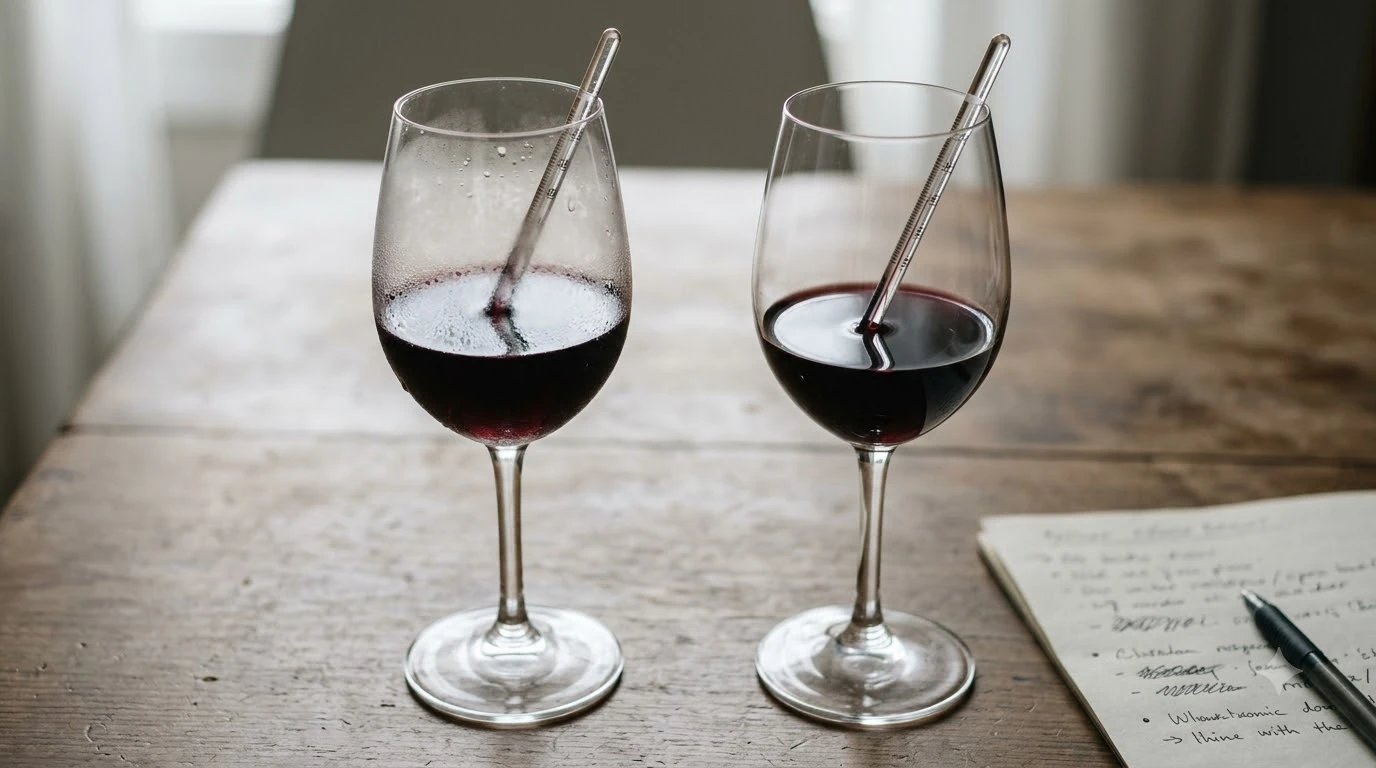
Serve Bolgheri reds slightly cooler than a warm room temperature and Vermentino cool enough to preserve its freshness. Proper serving temperatures help maintain the balance between fruit, acidity, tannin, and alcohol.
For structured Bolgheri Superiore and Sassicaia, a serving temperature of 60 to 65 degrees Fahrenheit is a useful starting point. More approachable and lighter Bolgheri Rosso wines can be served around 55 to 60 degrees Fahrenheit.
Vermentino is generally best served at 45 to 50 degrees Fahrenheit. This temperature range preserves its crisp character while allowing citrus, floral, and herbal aromas to remain perceptible.
| Wine style | Suggested serving temperature | Glassware |
|---|---|---|
| Bolgheri Rosso | 55–60°F | Medium red wine glass |
| Bolgheri Superiore | 60–65°F | Large red wine glass |
| Bolgheri Sassicaia | 60–65°F | Large Bordeaux-style glass |
| Bolgheri Vermentino | 45–50°F | Medium white wine glass |
| Bolgheri rosato | 45–50°F | White or rosé wine glass |
Use a glass with enough room to swirl the wine without spilling. A larger Bordeaux-style glass is particularly useful for Cabernet-based reds because it gives concentrated aromas space to develop. A medium-sized white wine glass works well for Vermentino.
How to organize a tasting flight
A useful Bolgheri tasting flight contains four to six wines. Begin with a Vermentino if you want to introduce the region’s white wine style, then move to a lighter Bolgheri Rosso before comparing more structured reds.
A practical sequence is:
- Bolgheri Vermentino: examine citrus, floral aromas, and acidity.
- Bolgheri Rosso: identify the basic regional red blend style.
- Single-variety Merlot: compare softer tannins and ripe plum fruit.
- Cabernet Franc: look for herbal aromas, freshness, and structure.
- Bolgheri Superiore: assess greater concentration and oak influence.
- Bolgheri Sassicaia: examine the Cabernet Sauvignon-led style and finish.
Use approximately 2 ounces per sample during a comparative tasting. A standard 750-milliliter bottle contains approximately five conventional 5-ounce servings, so one bottle can provide several smaller tasting pours.
Allow younger, full-bodied reds to breathe for approximately 30 to 60 minutes when appropriate. Older wines may need a gentler approach because extended exposure to air can diminish delicate aromas. Taste first, then decide whether decanting improves the wine.
Keep notes on each wine rather than relying entirely on memory. Record the producer, vintage, grape varieties, aroma, acidity, tannin, body, and finish. This makes it easier to identify which Bolgheri styles suit your preferences.
For a contrasting French region, our Chablis wine tasting guide explores a very different expression of acidity, mineral character, and white wine structure.
7. Planning a Bolgheri Winery Visit
A winery visit is an excellent way to understand how Bolgheri’s vineyards, production choices, and local traditions shape the wines. Plan to compare producers rather than concentrating exclusively on famous labels, because the area’s smaller estates can offer valuable insight into different interpretations of the same territory.
Begin in the village of Bolgheri, which provides a convenient starting point for exploring the surrounding countryside. The famous cypress-lined avenue is one of the area’s recognizable landmarks, and the surrounding vineyards connect the village with several established wine estates.
When selecting wineries, consider including one producer known for Cabernet Sauvignon-based blends, another with an emphasis on Cabernet Franc or Merlot, and a third with interesting Vermentino. This approach gives you a wider understanding of the region than visiting several estates that make similar wines.
What to ask during a tasting
Ask which grape varieties dominate each wine and whether the producer makes single-variety bottlings. Understanding the composition of a blend helps explain differences in tannin, acidity, fruit intensity, and aromatic complexity.
Questions about vineyard elevation and soil are also useful. A producer may be able to explain whether the grapes come from sandy plains, clay-rich foothills, or gravelly hillside parcels. These details provide context for the wine’s structure and ripeness.
Winemaking questions can be equally revealing. Ask whether fermentation takes place in stainless steel, concrete, or wood, and whether maturation uses new barriques or larger, older barrels. The answers help explain why two Cabernet-based Bolgheri wines can have very different textures and oak characteristics.
It is also useful to ask about the recommended drinking window. A younger Bolgheri Rosso may be ready to enjoy relatively soon, whereas a structured Superiore may benefit from additional bottle aging. Producers can explain how their wines develop over time and which vintages are best suited to immediate enjoyment.
Making practical arrangements
Book winery visits in advance, particularly when visiting smaller estates. Confirm the tasting duration, available languages, group size, and whether the appointment includes a vineyard walk or a tour of the production facilities.
Allow enough time between appointments to appreciate each tasting without rushing. Two or three carefully selected winery visits can provide a more useful comparison than trying to visit too many estates in one afternoon.
If you are driving, arrange transportation that does not require the driver to consume wine. Carry water and take notes after each tasting rather than attempting to remember every bottle at the end of the day.
Consider bringing a small notebook or using a phone to record producer names and wine details. Photographing labels, with permission where appropriate, can help you identify wines later when looking for the same bottles at home.
The most rewarding Bolgheri experience combines an understanding of the appellation with direct comparisons between producers. Focus on the relationship between grape variety, vineyard location, and winemaking rather than assuming that a more prestigious designation automatically matches your personal taste.
Frequently Asked Questions
Is Bolgheri wine the same as Super Tuscan wine?
No. Super Tuscan is an informal term for innovative Tuscan wines that historically did not always fit traditional appellation rules. Bolgheri is an official geographical appellation, and many of its internationally recognized reds are associated with the Super Tuscan movement. Not every Super Tuscan comes from Bolgheri, and not every Bolgheri wine is classified as a Super Tuscan.
Is Bolgheri Sassicaia made exclusively from Cabernet Sauvignon?
No. Its production regulations require at least 80% Cabernet Sauvignon, while the remaining portion may include permitted complementary varieties. Cabernet Franc is an important variety associated with the wine. This distinction separates Sassicaia from wines that must be entirely Cabernet Sauvignon.
Can Bolgheri wines be vegetarian or vegan?
Many wines are suitable for vegetarian diets, but vegan suitability depends on the producer’s clarification and filtration methods. Animal-derived fining agents, including egg white and gelatin, may be used during winemaking. Ask the producer about its cellar practices if vegan certification is important to your choice.
What does DOC mean on a Bolgheri wine label?
DOC stands for Denominazione di Origine Controllata, an Italian designation that identifies wines produced under specified geographical and production regulations. Bolgheri DOC controls matters such as permitted grape varieties, vineyard origin, and wine production requirements. Bolgheri Sassicaia DOC has its own separate production regulations.
Why do some Bolgheri wines have Toscana IGT on the label?
Toscana IGT is a broader Tuscan geographical designation that permits production choices outside the more specific DOC regulations. Producers may choose this classification for wines that do not meet particular Bolgheri DOC requirements or that follow a different production approach. The designation does not automatically indicate lower quality, as some internationally recognized Tuscan wines use IGT classification.
Bolgheri wine tasting offers a clear introduction to the distinctive character of coastal Tuscany, from fresh Vermentino to structured Cabernet Sauvignon and Merlot blends. Comparing Bolgheri Rosso, Superiore, and Sassicaia reveals how grape varieties, soils, aging requirements, and winemaking choices influence the finished wine. Whether you explore the region through a winery visit or a carefully selected tasting flight, these differences make Bolgheri an especially rewarding part of Italy’s wine landscape.
More in Wine Regions
 Willcox Wine Trail: Discover Arizona’s High-Elevation Wine CountryUpdated Nov 20, 2026
 Yakima Valley Wine Region: Find the Best Styles to TryUpdated Nov 20, 2026
 Vosne Romanee Wine Tasting: Identify Aromas and Choose Better PairingsUpdated Nov 20, 2026
 Yakima Valley Wine Festival: Find the Best Seasonal Wine EventsUpdated Nov 20, 2026
 Wales Vineyards: Discover Cool-Climate Wines and Where to VisitUpdated Nov 20, 2026
 Yountville Wine Festival: Discover Napa Wines and Local FoodUpdated Nov 20, 2026