

We may earn a commission when you buy through links on this page, at no extra cost to you. Learn more.
What is ava in wine? AVA stands for American Viticultural Area, a federally recognized grape-growing region in the United States that identifies where the grapes used to make a wine were grown. When a bottle carries an AVA designation such as Napa Valley, Sonoma Coast, or Willamette Valley, it makes a regulated claim about the geographic origin of its grapes. At least 85 percent of the wine must come from grapes grown within the named AVA, and the designation identifies a place rather than guaranteeing a particular wine style or quality level.
Wine labels often feature geographic names that communicate more than a winery’s location. A bottle might identify California, Oregon, Napa Valley, or a smaller region within a larger wine-producing area. Understanding these names makes it easier to compare bottles, recognize regional differences, and make more informed buying decisions. The American Viticultural Area system provides the framework behind many of these geographic descriptions, helping connect American wines with the landscapes where their grapes grow.
What an American Viticultural Area Means
An American Viticultural Area is a legally defined grape-growing region with an established name, geographic boundaries, and distinguishing natural or geographic characteristics. The designation allows a winery to identify the region responsible for the grapes in its wine, giving consumers more specific information about geographic origin.
The Alcohol and Tobacco Tax and Trade Bureau, commonly called the TTB, administers the federal AVA program. Its regulations define the boundaries of approved regions and establish the conditions wineries must meet before using an AVA name on a wine label. The official descriptions appear in Part 9 of Title 27 of the Code of Federal Regulations.
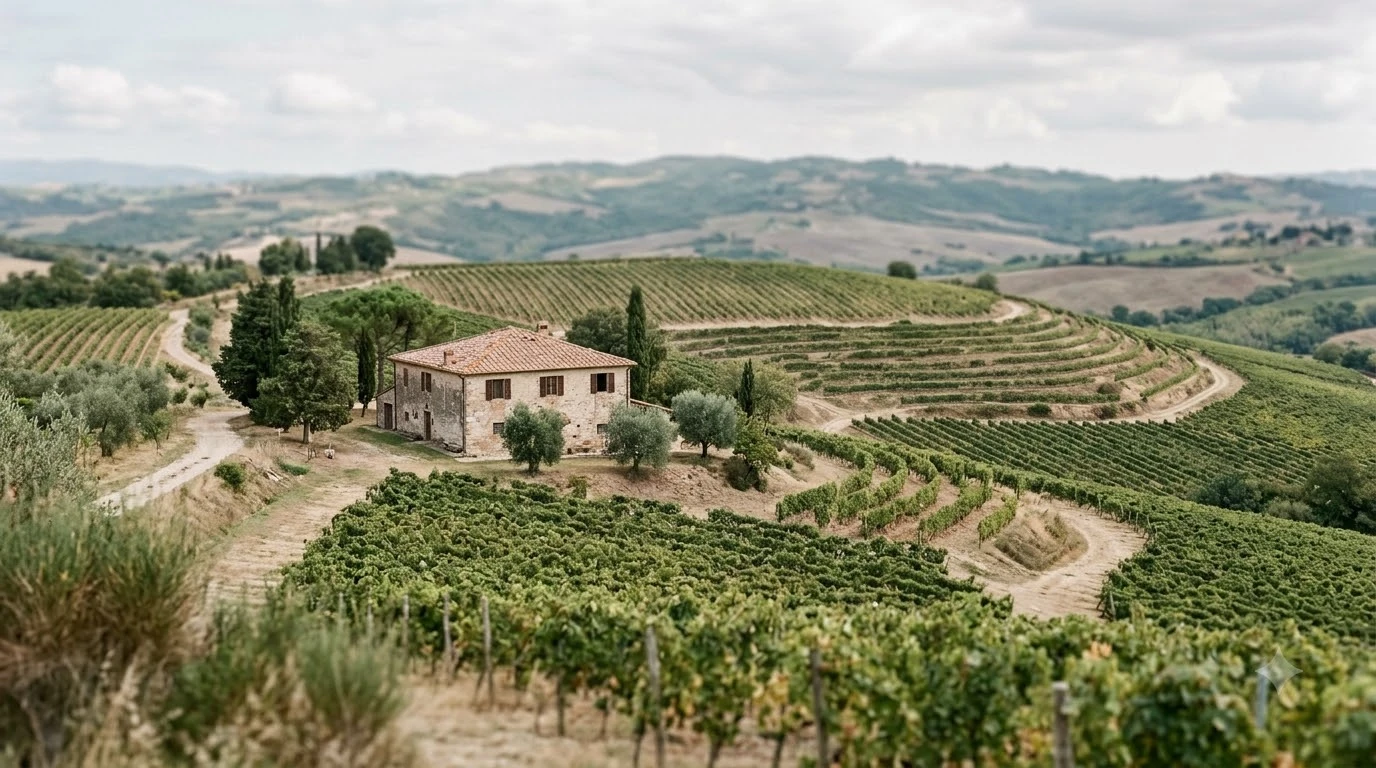
Geography is central to the system. An AVA might be distinguished by its elevation, soil composition, proximity to an ocean, mountain ranges, temperature patterns, or other physical features that affect grape growing. These characteristics help explain why vineyards in one region can produce different grapes and wine styles from vineyards located elsewhere.
For example, Napa Valley is an established AVA in California. Its name identifies a recognized grape-growing region rather than simply indicating that a winery has an address in Napa County. Likewise, Willamette Valley identifies an established Oregon wine region with its own geographic boundaries.
The purpose of an AVA is to make wine origin more precise. A consumer choosing between a wine labeled California and one labeled Napa Valley is looking at two different levels of geographic information. Both names identify origin, but Napa Valley points to a more specifically defined grape-growing area.
An AVA should therefore be understood as a geographic classification, not a tasting score. Two wines from the same AVA can differ considerably because of grape varieties, vineyard locations, harvest decisions, fermentation methods, oak treatment, blending, and aging. The designation establishes where the grapes originated, not whether the finished bottle will be excellent, average, or disappointing.
The 85 Percent Rule for AVA Wine Labels
The central requirement for using an AVA name on an American wine label is that at least 85 percent of the wine must be derived from grapes grown within that designated region. The wine must also be fully finished in the state or one of the states where the AVA is located, subject to specific regulatory exceptions.
This requirement makes an AVA designation a meaningful origin claim. A winery cannot simply purchase grapes from anywhere in the country and place a famous regional name on the label. The majority of the wine must genuinely come from within the boundaries of the named region.
Consider a hypothetical 100-gallon batch of wine labeled Napa Valley. At least 85 gallons’ worth of the wine must be derived from grapes grown within the Napa Valley AVA. The remaining 15 percent or less may come from outside the region, provided the finished wine meets all other applicable labeling requirements.
The 85 percent requirement is a minimum, not a target that every producer must use. Many wineries make wines using 100 percent estate-grown or regionally sourced grapes. Others purchase grapes from several vineyards within the same AVA to create a particular blend.
The rule also explains why an AVA designation should not be confused with a claim that every grape came from one vineyard. A regional designation identifies a broad geographic area. A wine labeled with a specific vineyard name makes a narrower origin claim and must satisfy the additional applicable labeling requirements.
Here is how several common geographic labeling categories compare under the federal rules and the California statewide requirement described by the Wine Institute:
| Geographic designation | Minimum grape-origin requirement | Additional requirement |
|---|---|---|
| American Viticultural Area | 85% | Fully finished in the state or states containing the AVA |
| County appellation | 75% | Fully finished in the state containing the county |
| California statewide appellation | 100% | California state law requires grapes to be grown and wine finished in California |
These figures illustrate why geographic names on wine labels carry different levels of specificity and different legal requirements. The California example is a state-specific requirement, not a universal rule for every American state. Other states may also impose standards stricter than the federal minimum.
For consumers, the practical lesson is simple: an AVA label offers a substantial geographic commitment without necessarily claiming that every grape came from inside the region. It is more specific than a broad state designation, but it does not automatically identify a single vineyard or estate.
Tip: When comparing two American wines, look at the geographic designation as well as the grape variety and producer. A Napa Valley Cabernet Sauvignon and a California Cabernet Sauvignon make different geographic claims, even if both wines are made from the same grape.
How Wine Regions Qualify for AVA Status
A proposed AVA must demonstrate that it is a recognizable grape-growing region with distinguishing characteristics, a defensible geographic boundary, and an established name. The TTB evaluates petitions before adding a region to the official list of approved American Viticultural Areas.
The application process is not limited to winery owners or large wine industry organizations. According to the TTB, any interested individual or group may petition to establish a new AVA or modify the boundaries of an existing one. This gives local winegrowers and other interested parties a way to seek formal recognition for a distinctive growing region.
A petition must provide evidence supporting the proposed name and explain why the requested boundary makes geographic sense. It must also describe the features that distinguish the proposed region from surrounding areas. These features can include soil, geology, climate, elevation, physical geography, and other conditions relevant to viticulture.
For example, a proposed region might contain vineyards at elevations that differ significantly from neighboring valleys. Another might have distinctive maritime influences that affect temperatures and growing conditions. The petition must explain why these characteristics justify recognizing the proposed area as a separate viticultural region.
Historical evidence can also help establish the identity of a region. The proposed name must have a recognizable geographic connection, rather than being an arbitrary marketing phrase invented solely to sell wine. Evidence of local recognition and grape-growing history can contribute to the case for official designation.
Once the TTB reviews a petition, the process can include regulatory publication and opportunities for public comment. The agency evaluates the supporting evidence before establishing the region through federal rulemaking. An approved AVA receives an official description and a boundary that wineries must follow when making origin claims.
The same general process applies when someone proposes a change to an existing AVA boundary. A region is not automatically expanded because vineyards have been planted nearby or because neighboring wineries want to share a geographic name. The proposed modification must be supported through the applicable regulatory process.
This system helps preserve the meaning of regional wine names. Without defined boundaries and enforceable labeling requirements, a geographic designation could become a loosely applied marketing term with little practical value for consumers.
People interested in the formal requirements can consult the TTB’s official AVA petition guidance, which explains the evidence and documentation required to establish or modify a region.
Nested AVAs and Examples of American Wine Regions
American wine geography can include several levels of regional designation, and some smaller AVAs exist entirely within larger ones. This arrangement allows labels to identify either a broad growing region or a more specific area with its own recognized geographic characteristics.

California provides familiar examples of this structure. Napa Valley is a major AVA, while smaller recognized regions within it include Oakville and Rutherford. A bottle carrying the Oakville designation identifies a more specific origin than one simply labeled Napa Valley.
The same general concept applies elsewhere in the country. The Willamette Valley in Oregon contains smaller AVAs, including Dundee Hills and Eola-Amity Hills. These geographic distinctions help wine drinkers explore how different parts of a larger growing region can produce wines with different characteristics.
Consider the following examples:
- Napa Valley, California: A widely recognized region associated with Cabernet Sauvignon, Chardonnay, and other varieties.
- Oakville, California: A smaller Napa Valley AVA that provides more specific geographic information than the larger regional designation.
- Rutherford, California: Another smaller Napa Valley region, recognized as a distinct growing area.
- Willamette Valley, Oregon: A major wine-growing region particularly associated with Pinot Noir, along with Chardonnay and other varieties.
- Dundee Hills, Oregon: A smaller AVA within the Willamette Valley, offering a more precise indication of origin.
- Eola-Amity Hills, Oregon: Another recognized Willamette Valley subregion with distinctive growing conditions.
These examples demonstrate how geographic specificity can help consumers understand wine labels. A Pinot Noir labeled Willamette Valley identifies a broad regional origin, while one labeled Dundee Hills identifies a smaller part of that larger region.
However, a smaller AVA is not automatically better than the larger region surrounding it. The designation indicates geographic precision, not a hierarchy of quality. A well-made wine from a broad AVA can be more enjoyable than a poorly made wine from a famous subregion.
It is also important to distinguish overlapping geographic boundaries from competing designations. An AVA can sit within another AVA, and the official boundary descriptions determine which regional names apply to a vineyard’s location. Producers must follow the relevant labeling requirements when choosing which geographic name to display.
Wine drinkers interested in exploring these relationships can use the TTB’s online AVA Map Explorer. The tool displays established and proposed boundaries, geographic relationships, state and county information, and links to official descriptions. For regulatory purposes, the official description in the federal regulations takes precedence if it differs from the online map.
What an AVA Tells You About the Wine
An AVA tells you where at least 85 percent of a wine’s grapes were grown, but it does not prescribe the grape variety, sweetness, alcohol level, aging method, or final flavor profile. Understanding this distinction helps consumers use geographic information without expecting every bottle from a region to taste alike.
Regional conditions can influence the grapes that wineries choose to grow and the characteristics of the resulting wines. Climate, elevation, soil drainage, rainfall, sunlight, and temperature patterns all affect vineyard decisions. These conditions can influence grape ripening, acidity, flavor development, and harvest timing.
For example, a consumer exploring Oregon Pinot Noir may encounter wines from the Willamette Valley and its smaller subregions. The geographic name gives useful context, but the producer, vineyard site, vintage, and winemaking decisions remain important when predicting the wine’s actual character.
Similarly, Napa Valley Cabernet Sauvignon is a recognizable regional category, but not every Napa Cabernet tastes the same. Differences in vineyard location, growing conditions, picking decisions, fermentation, and oak aging can produce noticeably different wines.
AVA regulations generally do not require a producer to use a particular grape variety. They also do not establish a universal production method or require a particular aging period. This makes the American system different from wine classification systems that prescribe grape varieties, yields, or production techniques for certain appellations.
For instance, an AVA does not automatically mean that a wine is:
- Made exclusively from Cabernet Sauvignon, Pinot Noir, Chardonnay, or another specific grape.
- Produced using organic or biodynamic farming methods.
- Aged in French oak barrels for a specified number of months.
- Made using traditional fermentation rather than modern cellar techniques.
- Dry rather than sweet, or sparkling rather than still.
- Made by a winery physically located inside the named AVA.
- Recognized as a premium or reserve-quality wine.
The final distinction is particularly important. An AVA is a geographic designation, not a certification of wine quality. The TTB’s approval of a region does not represent an endorsement of the wines made there.
To understand a bottle more completely, combine its AVA designation with its grape variety, producer, vintage, and any additional vineyard information. A geographic name provides the starting point for understanding origin, while the other details help explain what is actually inside the bottle.
How to Use AVA Information When Buying Wine
AVA information is most useful when comparing wines made from similar grape varieties or exploring differences between American wine regions. Rather than treating a famous geographic name as a quality guarantee, use it as one piece of information when deciding which bottle fits your preferences.
Start by identifying the grape variety. A Cabernet Sauvignon from Napa Valley, a Pinot Noir from Willamette Valley, and a Chardonnay from Sonoma County represent different combinations of grape and geographic origin. Knowing both details gives you a more useful starting point than relying on the region alone.
Next, consider how specific the geographic designation is. A state appellation identifies a broad origin, while an AVA identifies a federally defined grape-growing region. A smaller AVA within a larger region provides an even more precise geographic reference.
However, a narrower designation should not be treated as an automatic recommendation. A producer working with carefully selected grapes from a larger region may make an outstanding wine. Another producer operating within a famous subregion may use a different style or approach that does not suit your preferences.
It can also be helpful to compare wines from different AVAs made with the same grape variety. For example, compare California Cabernet Sauvignon with Napa Valley Cabernet Sauvignon, or explore Pinot Noir from Willamette Valley and its smaller subregions. This approach helps you learn how regional origin relates to the wines you enjoy.
Producer information is another useful consideration. Research the winery’s vineyard sourcing, winemaking approach, and experience with the grape variety. Some producers work with estate vineyards, while others purchase grapes from multiple growers within an AVA. Both approaches can produce quality wine.
Vintage information matters as well. Weather conditions change from one growing season to another, affecting grape ripeness and the decisions wineries make during harvest. Two wines from the same AVA can therefore show meaningful differences even when they come from the same producer and grape variety.
When exploring American wine labels, it also helps to understand related terminology. The Wine Glossary can help explain words such as appellation, varietal, vintage, and vineyard, which frequently appear alongside geographic names.
AVA knowledge can also help when planning a wine purchase for a gathering. A bottle’s geographic designation is one way to choose a regional theme, whether you are serving several California wines or comparing Oregon Pinot Noir with other American examples. If you are estimating quantities for a larger celebration, the guide to how much wine for 100 guests provides a useful starting point.
Remember that the AVA designation does not replace practical wine information. Check the grape variety, alcohol percentage, vintage, producer, and wine style before making a final decision. These details together offer a much clearer picture of the bottle than its geographic name alone.
Frequently Asked Questions
How many American Viticultural Areas are there in the United States?
The number of approved AVAs changes as new regions are established and existing boundaries are modified. The TTB maintains an official list of established, proposed, and pending areas, making its regulatory database the appropriate place to obtain the current count. Proposed regions should not be confused with fully approved AVAs.
Can an AVA include vineyards in more than one state?
Yes. An AVA can cross state boundaries when its approved geographic description includes land in multiple states. The Columbia Valley AVA, for example, extends across Washington and Oregon. Federal labeling rules account for this arrangement by allowing qualifying wines to be fully finished in one of the states containing the named AVA.
Can a winery use an AVA name if its winery building is outside that region?
Yes. The AVA designation primarily concerns where the grapes were grown, not the physical address of the winery. A winery located outside the named region can potentially use that AVA on its label if the wine satisfies the grape-origin requirement and the applicable finishing and labeling regulations.
Does an AVA designation apply to American fruit wines made from apples or berries?
No. The American Viticultural Area designation is specific to grape wine under the federal wine-labeling regulations. A producer making cider, apple wine, or another beverage from non-grape agricultural products cannot use an AVA appellation as though it were a grape-wine designation.
Can an AVA name appear in a winery’s brand name without the wine qualifying for that AVA?
AVA names appearing in brand names or other label references can be subject to additional federal restrictions. The TTB has specific rules addressing potentially misleading geographic references, including certain historical brand-name exceptions. A winery cannot assume that using an AVA name as branding automatically removes the need to comply with geographic-origin requirements.
Understanding what an AVA means makes American wine labels easier to interpret and gives you a clearer sense of where a wine’s grapes originated. The 85 percent rule provides a meaningful geographic standard, while the variety of American regions offers plenty of opportunities to explore different growing conditions and wine styles. The next time you choose a bottle, consider its AVA alongside the grape, producer, and vintage to make a more informed decision.
More in Wine Basics
 Which Rose Is Best for Your Taste, Budget, and Food PairingsUpdated Nov 21, 2026
 Is Cheap Wine Bad? How to Find Bottles Worth DrinkingUpdated Nov 21, 2026
 What To Write On A Wine Gift Tag: Thoughtful Messages For Every OccasionUpdated Nov 21, 2026
 Which Wine Is Best For Weight Loss? Compare Lower-Calorie ChoicesUpdated Nov 21, 2026
 What Is The Best Wine For Mimosas? Choose Bubbly That Balances Orange JuiceUpdated Nov 20, 2026
 Which Prosecco Is Best for Your Taste and OccasionUpdated Nov 20, 2026