

We may earn a commission when you buy through links on this page, at no extra cost to you. Learn more.
Whispering Angel white wine is a common search phrase, but Whispering Angel is actually a pale, dry rosé from Château d’Esclans in Provence, France. Its blend includes red-skinned grapes and Rolle, also known as Vermentino, which is a white grape. The finished wine is pink, not white, with fresh fruit, lively acidity, and a smooth, dry finish.
If you are looking for a crisp white wine with the Whispering Angel name, it helps to separate the grape varieties from the wine itself. The producer describes Whispering Angel as a Côtes de Provence rosé, and its pale color can look almost peach or copper in certain light. Here is what the wine actually is, why the white-wine confusion happens, and how to serve and pair the bottle.
What the Whispering Angel Name Actually Refers To
Whispering Angel is a Provence rosé made by Château d’Esclans, not a white wine bottling. The producer lists Grenache, Cinsault, Rolle (Vermentino), and Syrah among its varieties, gives the wine an alcohol level of 13%, and recommends serving it between 8°C and 12°C.
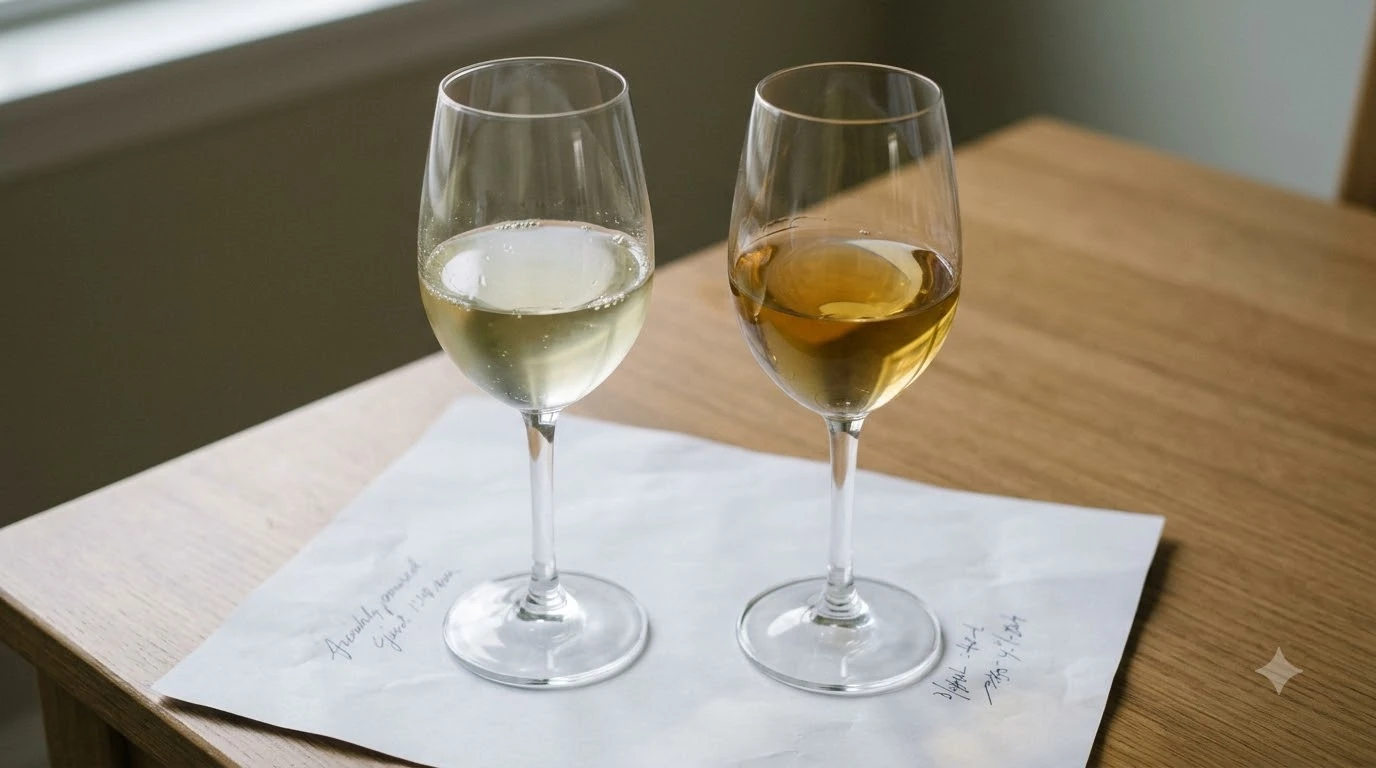
The phrase “white wine” most likely enters searches for two reasons. First, Whispering Angel is an extremely pale rosé, so its salmon, peach, and light pink tones can look almost white in a clear glass. Second, Rolle is a white grape variety used in the blend. Neither point changes the wine’s category: the bottle sold as Whispering Angel is rosé.
Rosé is its own style of wine, not simply white wine with a tint and not necessarily a mix of finished red and white wines. In Provence, the color generally comes from a short period of contact between juice and the skins of black grapes. The winemaker controls that contact to extract a small amount of pigment while retaining a fresh profile. The Provence wine body explains that direct pressing and skin maceration are two main routes to a finished rosé.
Grapes, Provence Origin, and the Role of Vermentino
Whispering Angel draws its identity from the Esclans Valley and nearby Côtes de Provence vineyards, according to Château d’Esclans. The producer names Grenache, Cinsault, Rolle (Vermentino), and Syrah as the grape varieties used.
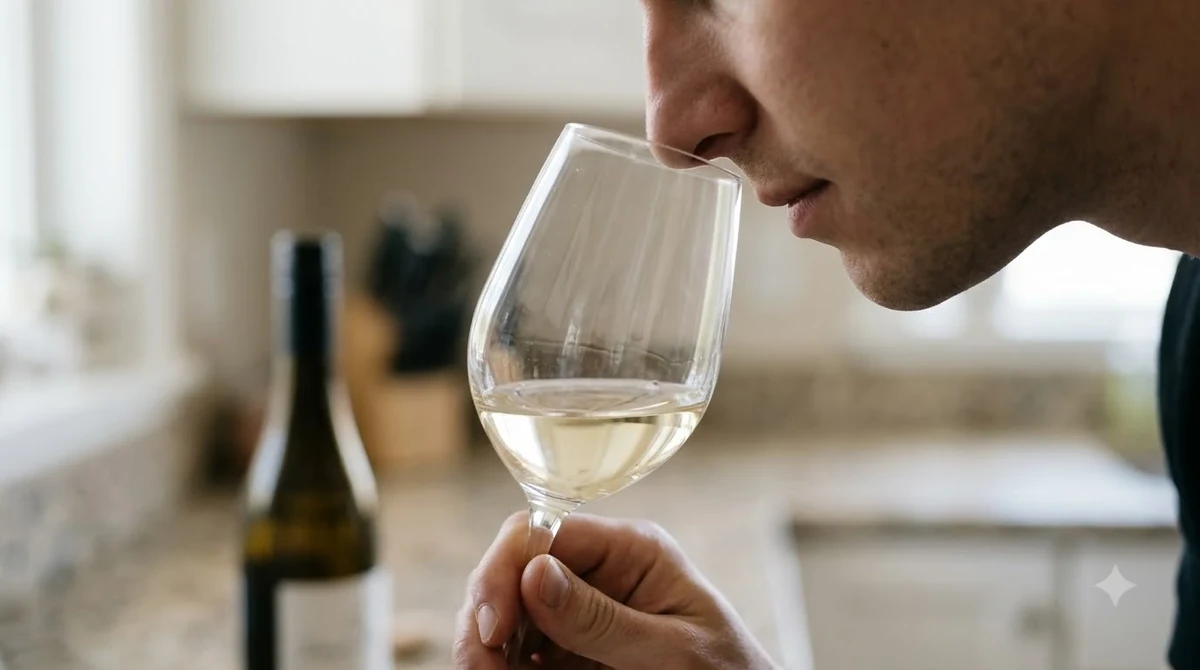
Grenache contributes ripe red-fruit character and body, while Cinsault is commonly used in Provence rosé for freshness and delicate fruit. Syrah can add darker berry and spice notes. Rolle, the local French name for Vermentino, is a white grape. The Provence wine body describes its aromas as citrus, pear, almond, and fennel, and says the variety can add texture, balance, and finesse. The exact proportions can vary by vintage, so a fixed percentage should not be assumed for every bottle.
That white grape is the central clue behind the search phrase. A wine can include a white variety and still be rosé when the overall blend and winemaking produce a pink wine. The Provence wine body notes that rosé is usually made from black-skinned grapes, although small amounts of white grapes can add flavor and roundness. The grape’s color is only one part of the finished wine’s identity; the finished wine’s color, production method, and official category matter too.
Château d’Esclans is based in the Provence region of southeastern France, with the Whispering Angel fruit sourced from vineyards around the Esclans Valley and the Côtes de Provence area. For a broader introduction to producers and labels, browse our guide to Wine Brands. If you want the closest match to the actual bottle rather than a white wine, our Whispering Angel rosé tasting notes provide a useful flavor-focused companion.
Flavor, Texture, Dryness, and Structure
Expect a dry, fruit-forward rosé with a pale color, fresh acidity, and a rounded texture rather than the lean, sometimes grassy profile associated with certain white wines. Wine Enthusiast’s review of the 2022 bottling identifies red-berry and citrus flavors, hints of tropical fruit, and a tangy, zesty finish.
Those descriptions fit the broader profile of Provence rosé: fresh fruit, gentle texture, and enough acidity to keep the wine refreshing. In the glass, look for strawberry, red currant, peach, citrus peel, or subtle floral notes. Not every vintage will show each aroma, and serving temperature can change which details stand out. Very cold wine may seem quieter, while wine that warms slightly in the glass can show more fruit and texture.
Dry does not mean flavorless or sharply sour. A wine can feel ripe and rounded while finishing dry because fruit aromas create an impression of sweetness even when little residual sugar remains. The Provence wine body describes the regional rosé style as fruit-forward and refreshing, and notes that a fruity sensation can be mistaken for sugar even in dry wines. This is why a pale rosé can seem generous without tasting like a sweet white wine.
Whispering Angel is also not a high-tannin wine in the way a young Cabernet Sauvignon or Syrah-based red can be. Its brief skin contact and rosé structure make it far lighter in tannin than those reds. That softer structure helps it work as an aperitif and alongside lighter foods, although acidity and fruit still matter when choosing a pairing.
How Provence Winemaking Creates the Pale Pink Color
Rosé color comes primarily from grape skins, not from a red-wine ingredient poured into white wine. Château d’Esclans says its Whispering Angel fruit is harvested at night, sorted, gently crushed, and processed with temperature control before fermentation in stainless-steel tanks.
In the standard Provence approach, a winemaker can press black grapes directly or allow crushed grapes to macerate briefly with their skins. The Provence wine body explains that skin maceration may last from 2 to 20 hours, depending on the desired color and style. Direct pressing gives the juice a shorter and gentler contact with the skins, usually creating a lighter shade. With either method, the winemaker separates the juice from the skins before fermentation is complete.
Château d’Esclans says it cools the grapes from about 20°C to 7–8°C during processing, uses closed-circuit pressing to limit oxidation, and ferments the wine in temperature-controlled stainless-steel tanks. The producer also describes twice-weekly bâtonnage, or stirring of the lees, during the process. Stainless steel helps preserve fresh fruit character rather than adding obvious oak flavors.
These details explain why the wine can have both a delicate color and a more substantial mouthfeel. Pale color does not mean the wine is diluted or necessarily light in flavor. The combination of grape selection, careful pressing, blending, and lees work shapes the balance between freshness and texture. For a deeper technical explanation of the style, the Provence wine body’s rosé winemaking overview describes direct pressing and skin maceration in more detail.
Serving Temperature, Glassware, and Storage
Serve Whispering Angel well chilled, but not so cold that its fruit disappears. Château d’Esclans recommends 8–12°C, while the Provence wine body gives 8–10°C as a general serving range for Provence AOP rosés; in Fahrenheit, those ranges are about 46–54°F and 46–50°F.
| Detail | Published or standard figure | What it means |
|---|---|---|
| Alcohol | 13% ABV | A full-strength still wine |
| Producer serving range | 8–12°C (46–54°F) | Chilled, but not frozen |
| Stated aging potential | 1–2 years | Best approached as a fresh, youthful rosé |
| Standard bottle | 750 ml | About five 5-ounce pours |
A practical target is around 48–50°F for a first pour. Chill the bottle in a refrigerator and bring it to the table shortly before serving. If the wine seems muted straight from the fridge, give it several minutes in the glass. A white-wine glass with a modest bowl is a useful choice because it concentrates the aromas without letting the wine warm too quickly. A standard 5-ounce pour leaves enough room to swirl and smell the wine. For a simple temperature comparison, taste a small amount near the lower end of the producer’s range, then revisit the glass after 5 minutes. The warmer sample may reveal more fruit and texture, while the cooler pour tends to emphasize freshness. Keep the bottle chilled between pours so later glasses stay in the same range.
The producer lists an aging potential of 1 to 2 years, which is a good reminder that Whispering Angel is generally intended for fresh, relatively early drinking rather than long-term cellaring. Store an unopened bottle in a cool, dark place, away from sunlight and temperature swings. For longer storage, keep bottles on their side near 55°F if they have a natural cork closure. Once opened, reseal the bottle and refrigerate it; most still rosé is best enjoyed within 3–5 days.
Tip: Chill the bottle before guests arrive, then pour a small sample first. If the wine seems muted, allow it to warm for 5–10 minutes rather than letting the whole bottle sit at room temperature.
Food Pairings That Suit a Dry Provence Rosé
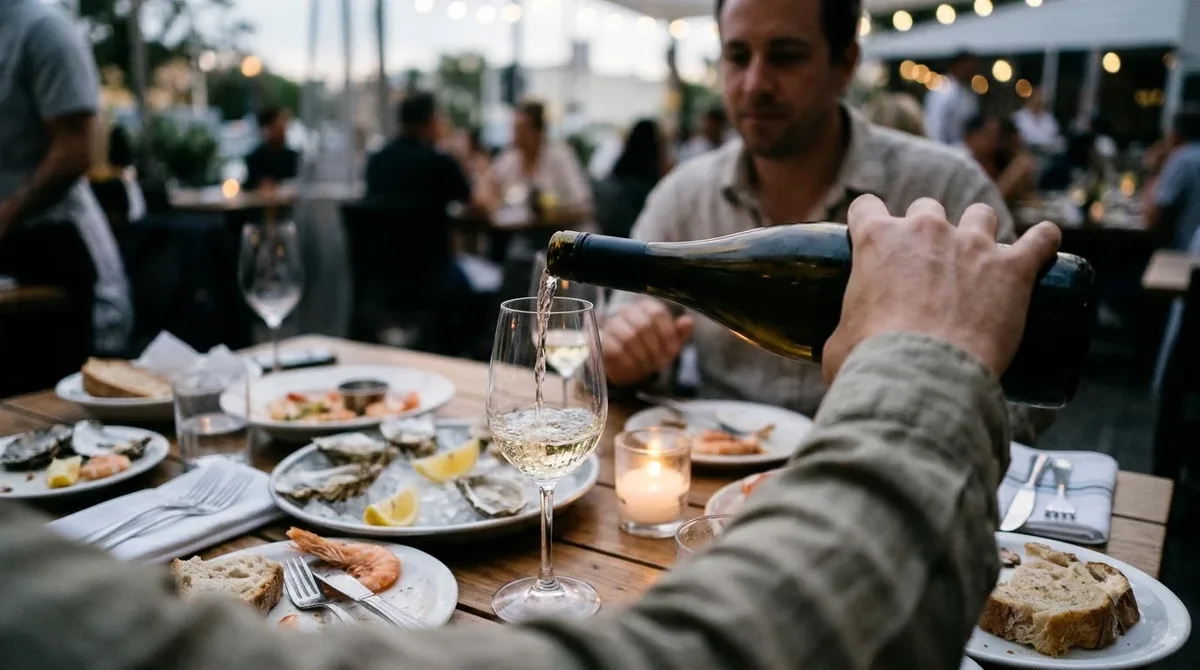
Pair Whispering Angel with foods that match its fresh acidity, moderate body, and red-fruit profile. Shellfish, grilled fish, roast chicken, salads with citrus dressing, and light pasta dishes are sensible starting points, while salty snacks and herb-driven Mediterranean dishes can also work well.
For seafood, try shrimp, scallops, crab, grilled prawns, or simply prepared white fish with lemon and herbs. The wine’s acidity can refresh the palate between bites, while its fruit is gentle enough not to overwhelm delicate flavors. Avoid pairing a light rosé with very tannic red-meat sauces or heavily charred preparations that can make the wine seem thin. Oily fish can be difficult with strongly tannic reds, but a dry rosé with modest tannin is a different proposition; choose a preparation with a clean citrus or herb accent.
For poultry, roast chicken, turkey, and chicken with a light cream sauce are natural matches. The wine’s texture can meet the richness of the dish, while acidity keeps the combination from feeling heavy. Pork tenderloin, veal, and grilled vegetables are also worth considering. Fresh goat cheese, feta, mild sheep’s milk cheese, olives, hummus, tapenade, or melon with prosciutto also make flexible appetizers. Salt can soften the impression of bitterness and make fruit seem more vivid. For spicy food, keep the heat moderate: chili can make alcohol and tannin seem stronger, so a very hot curry or pepper-heavy dish may overpower a 13% ABV rosé. For more on the bottle’s strength, see our explanation of Whispering Angel rosé alcohol content.
Sweet desserts are a less reliable match. A dry rosé can taste sour or austere beside a dessert that is much sweeter than the wine. Choose savory appetizers, fruit that is not heavily sweetened, or a lightly salted dish instead. If dessert is the goal, select a wine at least as sweet as the food rather than expecting a dry Provence rosé to perform like a dessert wine.
Frequently Asked Questions
The main points are straightforward: the named Whispering Angel cuvée is rosé, its listed blend includes Rolle, and the producer gives a 13% alcohol level and an 8–12°C serving range. These answers address the remaining label and serving questions.
Does Château d’Esclans produce other rosé labels?
Yes. Decanter identifies Garrus, Les Clans, Rock Angel, and The Palm by Whispering Angel among the estate’s other rosé wines. These are separate cuvées, not white versions of the Whispering Angel bottling.
Does every source list the same grape varieties?
No. Château d’Esclans lists Grenache, Cinsault, Rolle (Vermentino), and Syrah, while Decanter also includes Mourvèdre among grapes associated with Whispering Angel. The difference is a reason not to assume one fixed recipe for every release.
What score did Wine Enthusiast give its reviewed vintage?
Wine Enthusiast awarded the 2022 bottling 89 points. Its scoring key places wines from 87 to 89 points in the “Very Good” category, with 90 to 93 points described as “Excellent.”
How dry is a typical Provence AOP rosé?
Gilles Masson of the Centre de Recherche et d’Expérimentation sur le Vin Rosé describes the Provence AOP style as dry at less than 4 grams of residual sugar per liter. This is a regional style reference, not a laboratory result for every Whispering Angel vintage.
What does AOP mean on a French wine label?
AOP stands for Appellation d’Origine Protégée, translated as Protected Designation of Origin. It indicates that a product is tied to a defined geographic origin and its associated production framework, rather than merely naming a grape.
Whispering Angel is best understood as a pale, dry Provence rosé with a blend that includes both black-skinned grapes and white Rolle. If you came looking for a white wine, use the producer’s grape list and the bottle’s rosé designation to distinguish the two styles. Served chilled and paired with seafood, chicken, or Mediterranean appetizers, it shows why Provence rosé has such broad appeal.
More in Wine Brands
 Underwood Wine Price: Compare Bottles, Cans, and Pack SizesUpdated Nov 21, 2026
 Zenato Wine Price: Compare Styles and Choose the Right BottleUpdated Nov 21, 2026
 Zuccardi Wine Price: Compare Bottles and Find the Right RangeUpdated Nov 21, 2026
 Yellow Tail Moscato Review: Taste, Sweetness and Serving TipsUpdated Nov 21, 2026
 Wolf Blass Yellow Label Review: Choose Your Best StyleUpdated Nov 21, 2026
 Wolffer Estate Rose Review: Choose the Right Bottle for Your TableUpdated Nov 21, 2026