

We may earn a commission when you buy through links on this page, at no extra cost to you. Learn more.
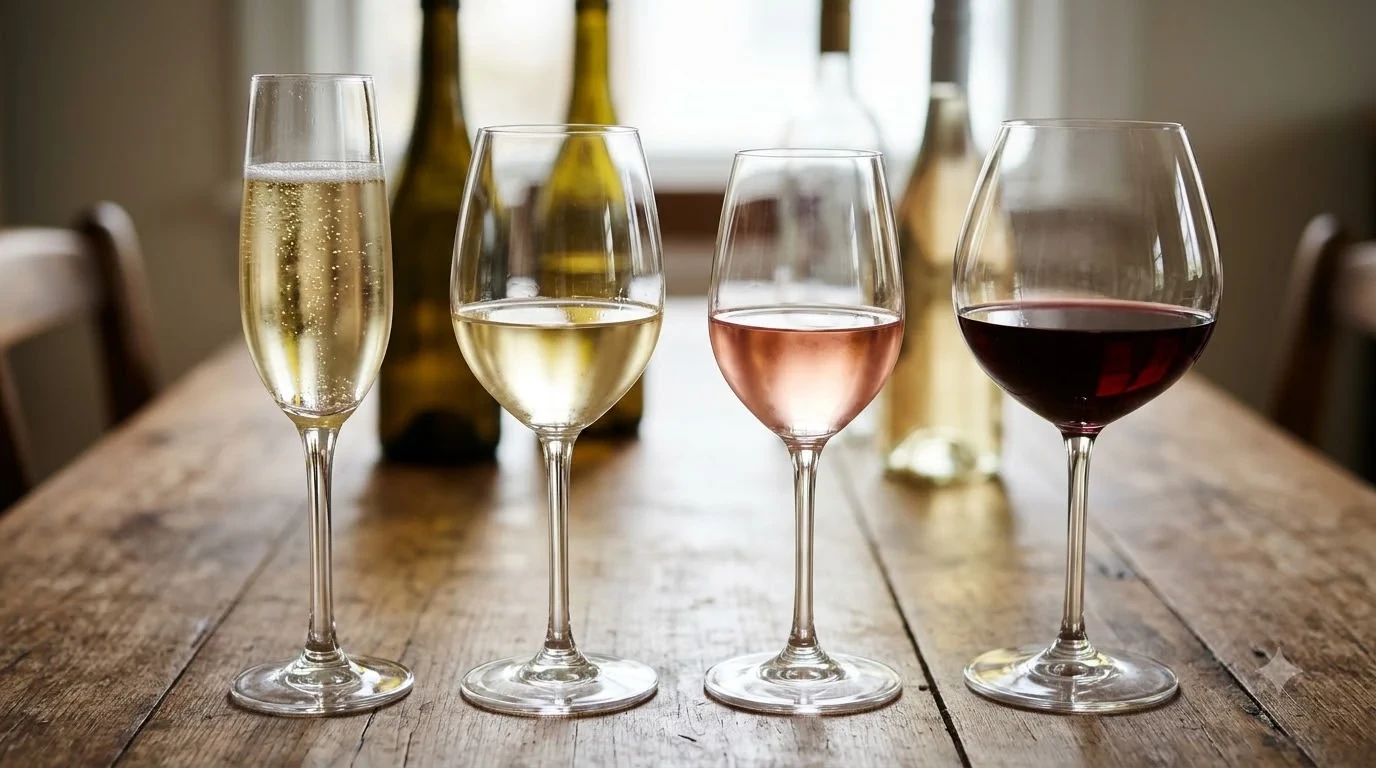
The phrase whitehaven white wine refers to Whitehaven’s Marlborough, New Zealand portfolio, led by crisp Sauvignon Blanc and supported by Chardonnay, Pinot Gris, Riesling and other whites. Its signature style favors fresh fruit, lively acidity and a clear sense of place, while the wider range offers rounder, more textured and sweeter options. The best bottle depends on whether you want a zesty aperitif, a food-friendly table wine or a richer white to serve with a substantial dish.
Whitehaven offers New Zealand white-wine drinkers more choice than Sauvignon Blanc alone. Its Marlborough portfolio spans familiar varietal bottlings, single-vineyard wines and skin-contact expressions.
What Whitehaven’s White Wine Range Includes
Whitehaven’s white-wine selection centers on Sauvignon Blanc, Chardonnay, Pinot Gris and Riesling, with Gewürztraminer and special bottlings adding more variety. The winery describes its wines as grown, crafted and bottled in Marlborough, so the range is tied to one of New Zealand’s best-known wine regions rather than being a collection of wines sourced from several countries.
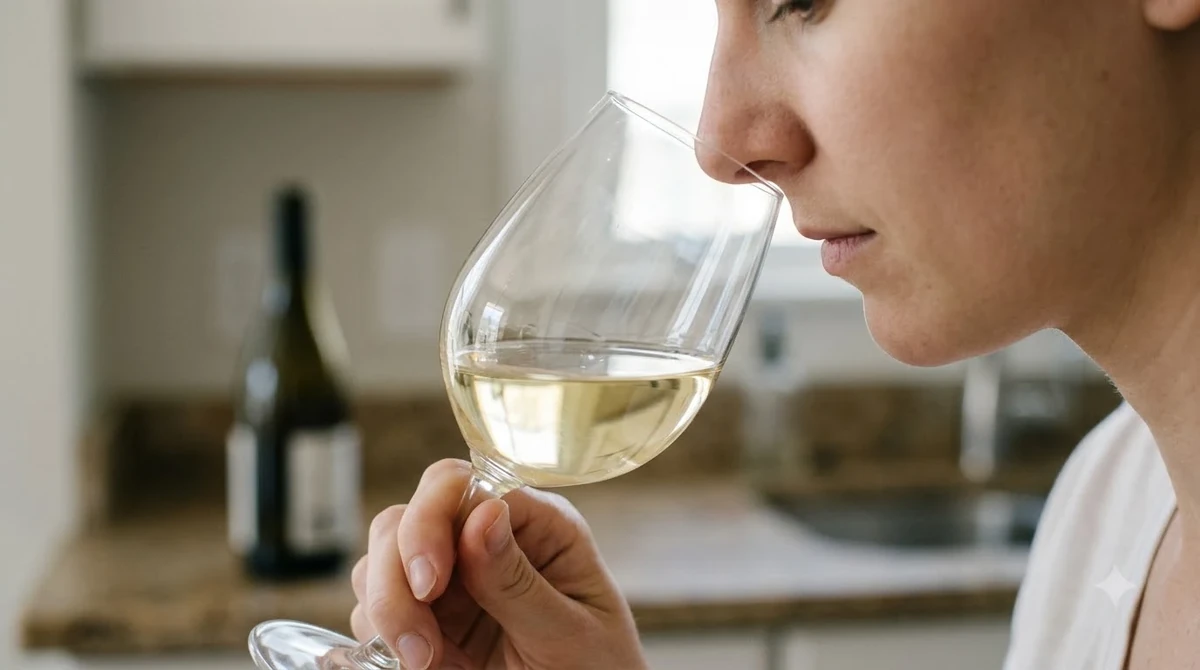
Sauvignon Blanc is the natural starting point and the wine that gives Whitehaven its clearest identity. Chardonnay is broader, Pinot Gris softer and fruit-led, Riesling can range from dry to sweet, and Gewürztraminer brings floral and spice aromas.
The range also includes wines made with more specific techniques or vineyard selections. Whitehaven lists a Block 11 barrel-fermented Sauvignon Blanc, a Tussocks skin-contact Pinot Gris and a Fossil Block Riverside Chardonnay in its Single Vineyard Series. These names signal a more focused expression than the core varietal bottlings: the first highlights a parcel and barrel fermentation, the second draws attention to skin contact, and the third identifies a particular Chardonnay site. Availability and vintage selection can vary by market, so treat the winery’s portfolio as a guide to its range rather than a guarantee that every bottling is on every US shelf.
Choose by texture and acidity: Sauvignon Blanc for citrus and herbs, Pinot Gris for softer fruit, Chardonnay for more body, Riesling for a dry-to-sweet spectrum, or Gewürztraminer for perfume and spice. A single-vineyard bottle is a good next step once you know which grape you prefer.
How Marlborough Shapes the Whitehaven Style
Marlborough’s combination of strong sunshine, low rainfall and free-draining soils helps produce whites with vivid aromas and refreshing acidity. The region sits at the northeastern end of New Zealand’s South Island, and its different valleys give Whitehaven a range of fruit profiles to work with.
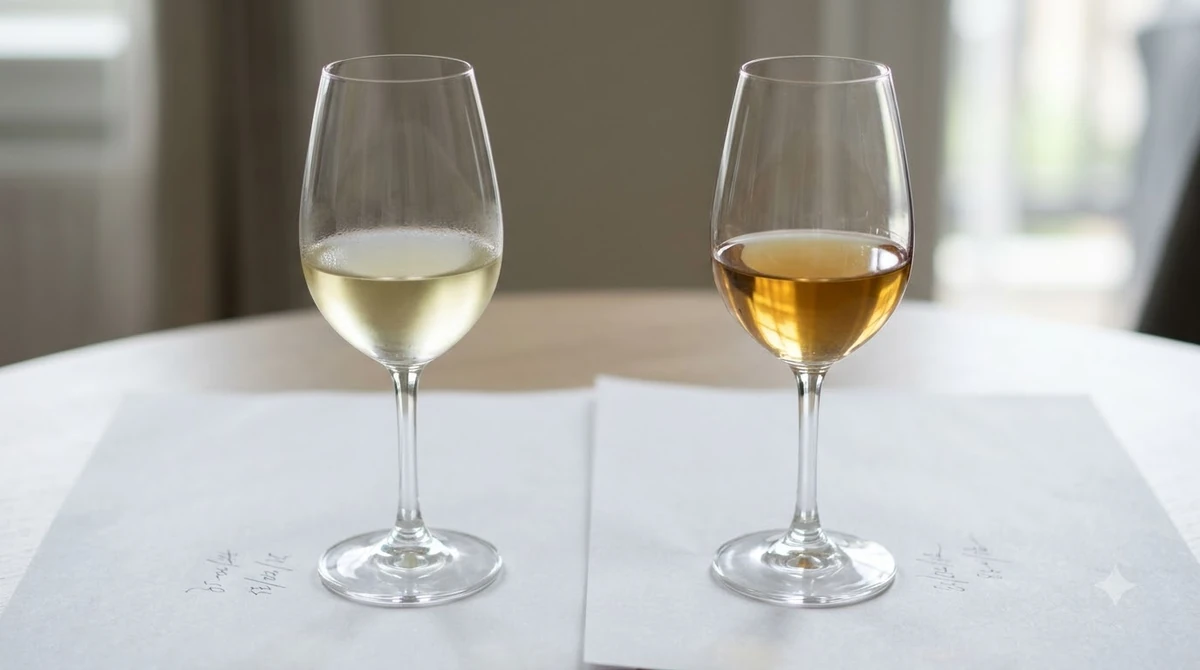
New Zealand Wine describes Marlborough as the country’s largest wine region, with almost 31,000 hectares of vines—around two-thirds of the national total. The region helped put New Zealand on the international wine stage through Sauvignon Blanc in the 1980s. The regional body’s Marlborough region profile outlines the soils and subregions behind that reputation.
Whitehaven names three sourcing areas: Wairau Valley, Awatere Valley and Southern Valleys. Warmer Wairau sites favor citrus and tropical fruit; the cooler, windier Awatere is associated with gooseberry, blackcurrant leaf and jalapeño. Southern Valleys sites contribute structure, texture and minerality.
Warm days develop flavor while cool nights slow ripening and preserve acidity. Marlborough Sauvignon Blanc can therefore combine passionfruit or citrus with cut grass, green herbs and a firm finish; Awatere tends to be more herbaceous than Wairau.
Flavor and Structure Across the Main White Varieties
Whitehaven’s wines differ in fruit, acidity, body and texture, so the grape name is a useful first clue. Not every white in the range tastes like the flagship Sauvignon Blanc.
Sauvignon Blanc is typically the sharpest and most aromatic of the core styles. Think lime, grapefruit, passionfruit, lemongrass, fresh herbs and sometimes green pepper or gooseberry. Its high acidity makes the finish feel brisk and refreshing. A Wine Enthusiast review of the 2024 Whitehaven Marlborough Sauvignon Blanc described lime, lemongrass and pink grapefruit aromas, lively acidity and a gently rounded texture. Treat those notes as a vintage-specific snapshot, not a promise that every release will taste the same. You can compare those descriptors with our Whitehaven Sauvignon Blanc tasting notes for a more focused look at the signature bottling.
Chardonnay is generally broader in body and less piercing in acidity than Sauvignon Blanc. It can show apple, pear, citrus or stone-fruit flavors, with added creaminess or savory texture depending on fermentation and aging choices. Whitehaven’s core Chardonnay sits alongside a Fossil Block Riverside single-vineyard bottling, giving interested drinkers a reason to compare a regional varietal wine with a more site-focused expression. Avoid assuming that every Chardonnay is heavily oaked: the grape can be made in fresh, restrained styles as well as richer, barrel-influenced ones.
Pinot Gris is often softer in acidity than Sauvignon Blanc, with pear, apple, melon and sometimes gentle spice. It can feel rounder through the middle of the palate, making it a useful bridge between zesty seafood whites and fuller dishes. Whitehaven’s Tussocks bottling is identified as skin-contact Pinot Gris, a cue that the winemaking aims for additional texture and a different relationship between fruit, phenolic grip and the finish. Riesling is the most flexible of the group: it can be dry and citric, or off-dry and sweet, with lime, apple, floral and mineral notes. Whitehaven also lists a Noble Riesling, a distinct sweet-wine option rather than simply another dry table white. Gewürztraminer is the aromatic outlier. The grape is commonly associated with rose-like florals, lychee, ripe stone fruit and spice, often with a fuller impression on the palate. It is worth considering for strongly seasoned dishes or fragrant cheeses, especially when the dish has a touch of sweetness or aromatic spice. For readers comparing red and white options within the label, our overview of Whitehaven Pinot Noir explains how the producer’s red wine differs in body, tannin and serving approach.
Serving Temperature, Glassware and Storage
White wines show their balance best when they are cool but not numbingly cold. For most crisp Whitehaven whites, aim for 45–50°F; fuller Chardonnay usually benefits from a slightly warmer 50–55°F range, while a sweet Riesling is best served around 43–50°F.
| White wine style | Serving temperature | What the temperature does |
|---|---|---|
| Sauvignon Blanc | 45–50°F | Keeps citrus, herbs and acidity fresh |
| Pinot Gris | 45–50°F | Preserves lift without hiding its softer fruit |
| Dry Riesling | 45–50°F | Balances aromatic detail and brisk acidity |
| Chardonnay | 50–55°F | Allows fuller texture and subtle oak notes to show |
| Sweet or Noble Riesling | 43–50°F | Maintains freshness alongside sweetness |
A practical method is to chill the bottle in the refrigerator and take it out briefly before pouring, particularly for Chardonnay. If a wine is too cold, the aromas seem muted and the texture can feel austere; if it is too warm, alcohol and softness can become more obvious while the freshness recedes. A standard white-wine glass with a slightly tapered rim is a reliable choice. You do not need an elaborate glass collection to appreciate the distinctions among these grapes.
A 750 ml bottle provides about five standard 5-ounce pours. Refrigerate opened still whites and enjoy them within 3–5 days. Store unopened cork-finished bottles on their side in a cool space near 55°F, away from sunlight and temperature swings. Fresh, fruit-driven Sauvignon Blanc is generally best enjoyed young unless a specific bottling is made for aging.
Tip: Start Sauvignon Blanc and Pinot Gris at 45–50°F, then let the wine warm slightly in the glass. The changing temperature can reveal more aroma without sacrificing the refreshing first sip.
Food Pairings for Whitehaven White Wines
Match the wine’s acidity and body to the food’s intensity. High-acid Sauvignon Blanc is especially effective with fresh seafood, shellfish, citrus dressings and tangy vegetables, while Chardonnay and Pinot Gris can handle dishes with more richness or a creamy element.
Try Sauvignon Blanc with oysters, shrimp, grilled white fish, ceviche, goat cheese, asparagus or salad with lemon vinaigrette. Its acidity refreshes the palate after fried seafood, and citrus and herb notes suit parsley, cilantro, basil and dill. Tomato salads and vinegar dressings also work better with this high-acid style than with softer whites.
Chardonnay fits roast chicken, seared scallops, salmon with cream, mushroom risotto or pasta with butter and herbs. Pinot Gris suits pork tenderloin, roast vegetables, mild curries, chicken salad and soft cheeses; its rounded fruit is often more accommodating than sharply acidic Sauvignon Blanc.
Riesling and Gewürztraminer suit aromatic food. Try Riesling with spicy Thai dishes, ginger, lime, pork or sweet-sour glaze; a slightly sweeter style can balance sweetness in the sauce. Gewürztraminer pairs with fragrant Indian or North African spices, glazed poultry and pungent cheeses. Keep wine at least as sweet as a sweet dish, and choose acidity equal to or higher than the food’s acidity. Hot chile can make alcohol feel stronger, so avoid a high-alcohol white with extreme heat. For dessert, choose a white that is at least as sweet as the dish. A Noble Riesling can be a natural candidate for fruit tart, poached pear or blue cheese, while a dry Sauvignon Blanc is usually better saved for the savory courses. Salty or fatty foods can soften a wine’s impression, but smoky or intensely sweet sauces may overwhelm delicate whites. Match the wine to the strongest flavor on the plate.
How to Choose the Right Whitehaven Bottle
Begin with the occasion and the texture you prefer rather than trying to memorize every vineyard name. Sauvignon Blanc is the clearest all-purpose starting point for a crisp aperitif or seafood meal; Chardonnay is the more natural choice for a fuller dish; Pinot Gris offers a softer middle ground; and Riesling or Gewürztraminer is worth considering when the food is spicy, fragrant or sweet-savory. Next, decide whether you want a straightforward varietal expression or a bottling with a more specific winemaking identity. The core range gives you a direct introduction to each grape. The Block 11 barrel-fermented Sauvignon Blanc is the obvious comparison for someone curious about how fermentation in barrel can change the texture and aroma of Sauvignon Blanc. Tussocks skin-contact Pinot Gris is the route for a drinker interested in a more tactile white, while Fossil Block Riverside Chardonnay offers a site-named counterpart to the core Chardonnay. Those distinctions are useful even if the wines are not all stocked in the same shop.
Vintage can shift the balance of ripe fruit, acidity and texture, so do not expect the same tasting note to apply exactly from one release to the next. A different vintage or a wine from a specific subregion may lean more toward passionfruit, herbs, citrus peel or mineral impressions. Treat critic notes as descriptions of particular bottles rather than permanent formulas for the brand.
Choose for the meal: a seafood starter calls for freshness, roast chicken can take more body, and spicy food may benefit from a touch of sweetness. Whitehaven’s identity is rooted in Marlborough, but grape and bottling style determine how a wine behaves at the table. Our guide to wine brands explains how producers build portfolios around place and grape.
Frequently Asked Questions
When were the first Sauvignon Blanc vines planted in Marlborough?
New Zealand Wine records the first Marlborough Sauvignon Blanc vine plantings in 1975. The variety’s international reputation developed over the following decades, helping establish Marlborough as a reference point for the grape.
What does AMW mean on a Whitehaven bottle?
AMW stands for Appellation Marlborough Wine, an organization that protects the provenance and authenticity of wines bearing the Marlborough identity. Whitehaven says it qualified for AMW certification in 2019 and carries the certification logo on its back label.
How large is Whitehaven Noble Riesling?
Whitehaven’s listed Noble Riesling format is 375 ml, which is half the volume of a standard 750 ml wine bottle. That smaller format is common for sweet wines because they are often poured in smaller servings.
What does skin contact mean for Pinot Gris?
Skin contact means the juice spends time in contact with the grape skins rather than being separated immediately after pressing. That contact can extract color, aroma compounds and phenolic texture, so a skin-contact Pinot Gris may feel more tactile than a conventional pale, gently textured version.
What alcohol level did Wine Enthusiast list for its 2024 Whitehaven Sauvignon Blanc review?
The reviewed 2024 Marlborough bottling was listed at 13 percent alcohol by volume in a 750 ml bottle. Alcohol levels can differ by vintage and bottling, so that figure describes the reviewed wine rather than every Whitehaven white.
Whitehaven’s white wines offer a practical way to explore Marlborough beyond a single Sauvignon Blanc style, from crisp citrus-driven bottles to rounder Chardonnay, softer Pinot Gris and aromatic or sweet options. Start with the grape that suits your meal, serve it at the right temperature and use the more specialized bottlings to explore texture and site as your preferences develop.
More in Wine Brands
 Underwood Wine Price: Compare Bottles, Cans, and Pack SizesUpdated Nov 21, 2026
 Zenato Wine Price: Compare Styles and Choose the Right BottleUpdated Nov 21, 2026
 Zuccardi Wine Price: Compare Bottles and Find the Right RangeUpdated Nov 21, 2026
 Yellow Tail Moscato Review: Taste, Sweetness and Serving TipsUpdated Nov 21, 2026
 Wolf Blass Yellow Label Review: Choose Your Best StyleUpdated Nov 21, 2026
 Wolffer Estate Rose Review: Choose the Right Bottle for Your TableUpdated Nov 21, 2026