
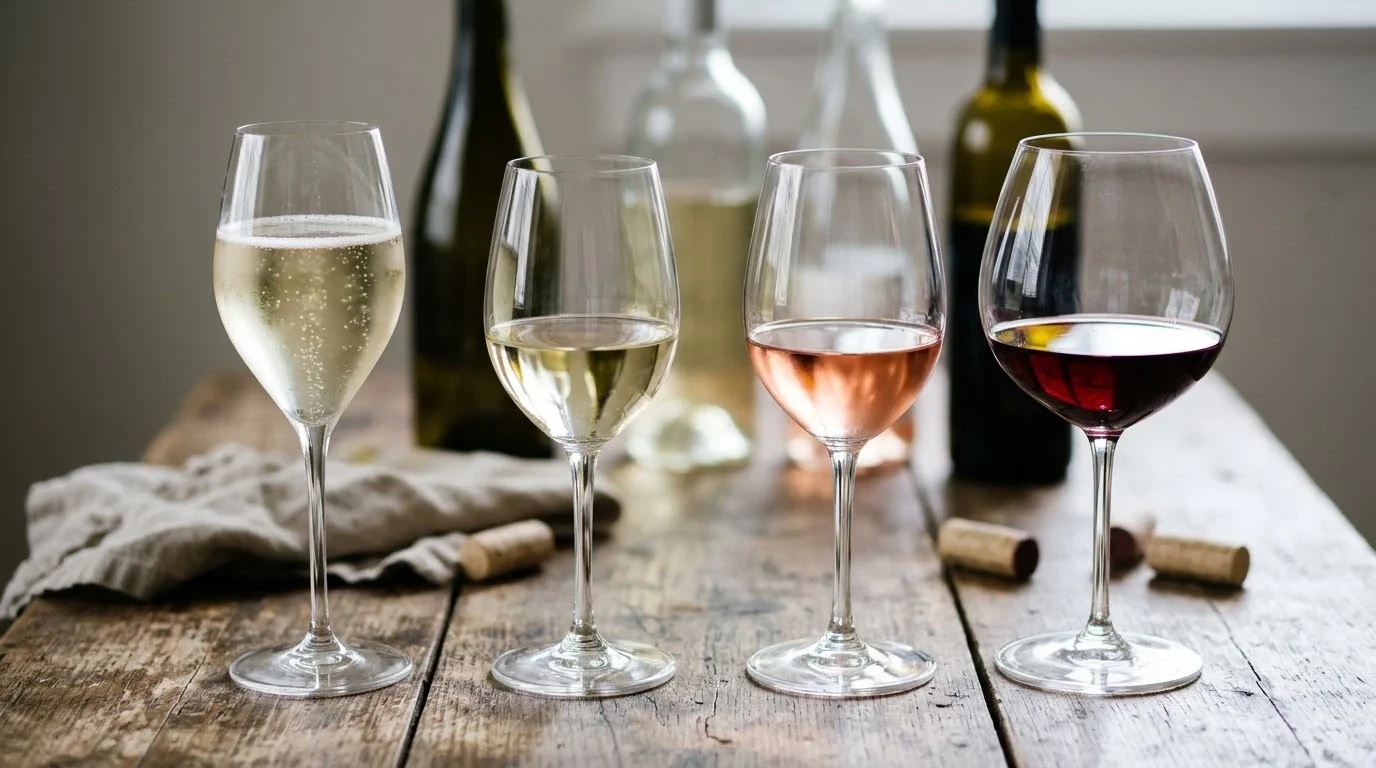

We may earn a commission when you buy through links on this page, at no extra cost to you. Learn more.
The term mumm napa wine refers to California sparkling wine made in Napa Valley using the traditional bottle-fermentation method, with styles ranging from classic Brut to rosé and Blanc de Blancs. The wines combine Chardonnay and Pinot Noir with other traditional sparkling varieties, then develop additional texture and toast during aging on the yeast. Knowing the grape blend, sweetness level, and serving temperature makes it easier to choose a bottle for an aperitif, a seafood dinner, or a celebration.
Mumm Napa is best understood as a sparkling-wine house with a clear regional identity, not as a California version of every French Champagne. Its range includes approachable nonvintage blends as well as more distinctive bottlings, and the same production method can produce noticeably different results depending on the grapes and time spent aging. The sections below explain what shapes the wines, what to expect from the main styles, and how to serve them with confidence.
Origins, Napa Valley Roots, and Regional Identity
Mumm Napa brings a French sparkling-wine tradition to California, but the fruit and finished wines are rooted in Napa Valley. That combination matters: the house uses the bottle-fermentation method associated with Champagne while expressing local grapes, vineyard sites, and a ripe fruit profile.
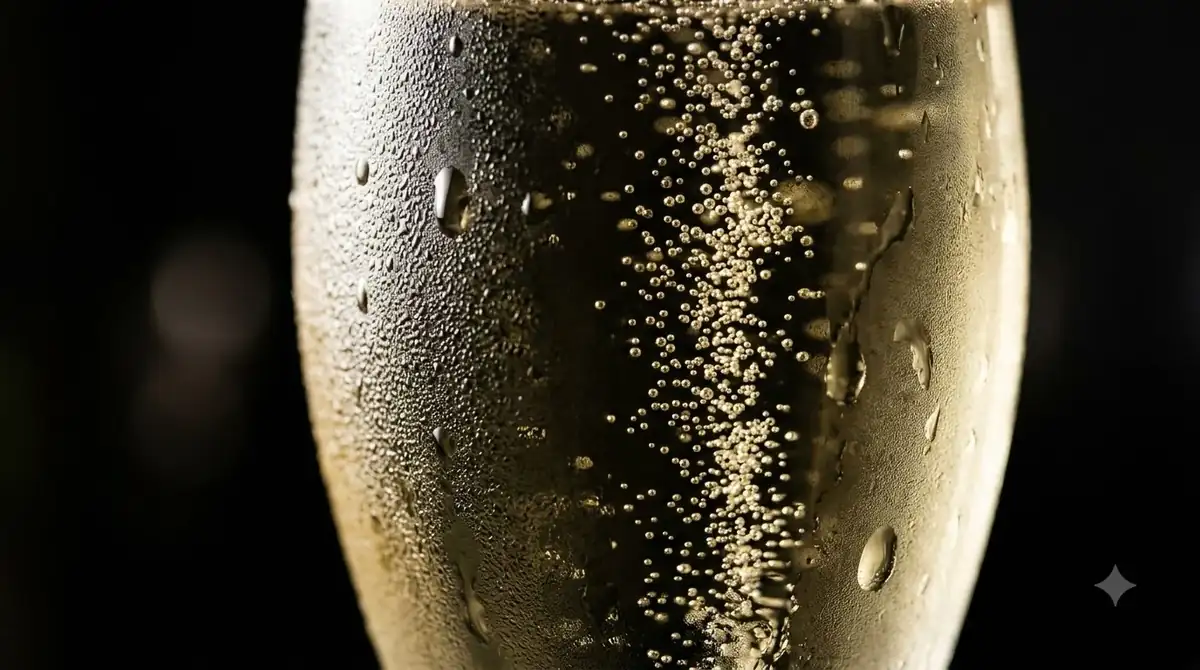
The brand’s background reaches back to G.H. Mumm, the Champagne house established in Reims in 1827. The French company began exploring California in the late 1970s, sending winemaker Guy Devaux to look for a suitable place to grow traditional sparkling-wine grapes. The first wine was produced under the name Domaine Mumm in 1983. The winery adopted the Mumm Napa name and opened to visitors in 1990, then established its Devaux Ranch estate vineyard in Carneros in 1991. This history links the California project to a historic Champagne lineage without making the California wines Champagne; that protected regional name belongs to sparkling wine from the Champagne region of France.
The southern Napa Valley is particularly useful for sparkling-wine grapes. Cooler growing conditions help preserve acidity, while the region’s fruit can contribute ripe apple, pear, citrus, and berry notes. Devaux Ranch sits in the Carneros American Viticultural Area, at Napa’s southern end. Its 110 acres are planted to Chardonnay, Pinot Noir, Pinot Meunier, and Pinot Gris. Mumm Napa also works with more than 50 growers during a typical harvest, drawing on multiple vineyard sources rather than relying on one estate site for every blend.
This broader sourcing gives the winemaking team options when balancing consistency and site character. A nonvintage wine can combine fruit from different lots to maintain a recognizable house style, while a vineyard-designated or vintage-dated cuvée can place more emphasis on a particular harvest. Readers exploring how producer identity shapes a bottle can use this background alongside the wider Wine Brands reference section.
Traditional Bottle Fermentation and Lees Aging
The defining production detail is méthode traditionnelle: the wine undergoes its second fermentation inside the bottle, where carbon dioxide is trapped and forms the bubbles. This method also gives the wine time in contact with yeast, a process that can add bread, biscuit, nut, and cream notes alongside fresh fruit.

Production begins with grapes harvested earlier than grapes intended for many still wines. Picking at a lower sugar level helps retain the natural acidity needed for sparkling wine. The fruit is gently pressed, and the juice is fermented into a still base wine, most often in stainless-steel tanks. A small portion may be fermented in oak, which can contribute extra layers without turning the finished wine into an overtly oaky style.
The winemaking team then blends base wines to shape the final profile. Yeast and a measured addition of sugar are added before the blend is bottled under a temporary crown cap. During the second fermentation, yeast converts the added sugar and creates carbon dioxide; because the bottle is sealed, the gas remains dissolved in the wine. The wine then rests on its lees, the spent yeast cells left after fermentation. Longer lees aging can develop a creamier texture and more pronounced toasted or pastry-like aromas.
Before release, the bottles are gradually tilted and turned so the sediment collects in the neck. This stage is called riddling. The neck is chilled and the temporary closure is removed, allowing pressure to eject the frozen yeast deposit; that step is disgorgement. A final addition of wine and sugar, known as dosage, establishes the finished sweetness. Mumm Napa explains these stages in its account of traditional-method sparkling production, including how the same broad method can lead to different house styles.
Key Mumm Napa Styles and Grape Blends
The most useful way to compare the range is by grape blend and flavor profile, rather than by color alone. Brut Prestige is the flexible starting point, Brut Rosé brings red-fruit character, and Blanc de Blancs puts Chardonnay in the foreground.
Brut Prestige is the classic nonvintage house style. Its blend is built around Chardonnay and Pinot Noir, with smaller portions of other varieties. Expect a bright profile that can include apple, pear, citrus, stone fruit, and a light biscuit or toast note. It suits drinkers who want a dry sparkling wine with enough texture to work at the table, not just as a welcome pour. A Wine Enthusiast review of Mumm Napa NV Brut Prestige describes grapefruit zest, fresh nectarine, and honey-baked brioche, alongside a soft texture and lively finish.
Brut Rosé gets its salmon-pink color and red-fruit emphasis from a Pinot Noir-led blend. Mumm Napa lists its Brut Rosé blend as 76% Pinot Noir, 22% Chardonnay, and 2% Pinot Meunier. The wine is Brut in style, has 12.5% alcohol by volume, and spends an average of 24 months in tirage. Strawberry and orange are central flavor cues, with toasted bread providing a savory counterpoint. This makes the rosé a useful choice when a meal includes salmon, sushi, roast poultry, or dishes with a little sweetness from fruit or glaze.
Blanc de Blancs means “white from whites,” so the style is made only from white grapes. Mumm Napa’s Blanc de Blancs is listed as 95% Chardonnay and 5% Pinot Gris, with 12.5% alcohol by volume and a Brut designation. Lemon, pear, apple, and toasted biscuit are the main flavor references. The Chardonnay-led structure makes it a natural match for shellfish and other seafood, and the small Pinot Gris component adds another layer without changing the wine’s pale color.
| Wine | Blend | Style and alcohol | Useful flavor cues |
|---|---|---|---|
| Brut Prestige | Chardonnay and Pinot Noir with smaller portions of Pinot Gris and Pinot Meunier | Brut; 12.5% ABV | Apple, pear, citrus, toast |
| Brut Rosé | 76% Pinot Noir, 22% Chardonnay, 2% Pinot Meunier | Brut; 12.5% ABV | Strawberry, orange, toasted bread |
| Blanc de Blancs | 95% Chardonnay, 5% Pinot Gris | Brut; 12.5% ABV | Lemon, pear, apple, biscuit |
| Devaux Ranch Brut blend | 58% Pinot Noir, 28% Chardonnay, 8% Pinot Meunier, 6% Pinot Gris | Traditional-method sparkling wine | Estate-grown grape expression |
Flavor, Sweetness, and the Right Serving Temperature
Most familiar Mumm Napa bottlings are Brut, a dry sparkling-wine category, but dry does not mean devoid of fruit or texture. The wines commonly balance fresh citrus and orchard fruit with acidity, bubbles, and richer notes that come from time on the lees.
Brut Prestige is a practical first choice for someone who likes crisp apple and pear with a little toasted character. Brut Rosé leans toward strawberry, raspberry, orange, and red apple, while Blanc de Blancs brings lemon, pear, and biscuit to the front. The exact balance can shift with the blend and disgorgement, so tasting notes are most useful as a guide to the wine’s general direction rather than a promise that every bottle will show the same sequence of aromas.
Sweetness terms on sparkling wine labels can be confusing because “Extra Dry” is sweeter than “Brut.” The common scale, from driest to sweetest, is Brut Nature, Extra Brut, Brut, Extra Dry, Dry, Demi-Sec, and Doux. Mumm Napa’s core Brut wines sit on the dry side of that scale. Dosage gives the winemaker a way to balance sharp acidity and determine whether a finished sparkling wine tastes austere, rounded, or noticeably sweet.
Temperature affects both the bubbles and the aromas. Serve sparkling wine at about 40–50°F: colder bottles feel brisker and show less aroma, while warmer bottles release more scent but can seem softer and less focused. A standard pour is about 5 ounces, and a 750 ml bottle provides roughly five glasses. A flute emphasizes the bead of bubbles, while a white-wine glass gives more room for aromas to open.
Tip: Chill the bottle thoroughly, then pour a small first glass and give it a minute in the glass. If the wine seems too quiet aromatically, let it warm slightly rather than serving the next pour straight from deep refrigeration.
Food Pairings for Brut, Rosé, and Blanc de Blancs
High acidity and active bubbles make dry sparkling wine especially adaptable at the table. Mumm Napa Brut styles can refresh the palate between bites, while the different grape blends help steer a pairing toward shellfish, poultry, richer cheeses, or dishes with fruit and spice.
Brut Prestige is a strong match for salty or creamy foods because the wine’s acidity and bubbles cut through richness. Try it with fried oysters, crab cakes, smoked salmon, roast chicken, or a cheese board featuring triple-cream cheese and aged cheddar. A plate of potato chips or salted almonds is a simple option, too: the salt makes the wine feel rounder and emphasizes its fruit, while the crisp finish keeps the combination from seeming heavy.
Blanc de Blancs is the natural direction for delicate seafood. Oysters, shrimp, crab, linguine with clams, and simply grilled white fish let its lemon and pear notes stay clear. Goat cheese and sliced apples also work because the fruit echoes the wine’s orchard-fruit character, while the cheese adds enough tang and creaminess to give the pairing shape. For acidic dishes with vinaigrette or citrus, choose a wine with equal or higher acidity so the wine does not taste flat beside the food.
Brut Rosé can take on dishes with more color and savory depth. Try it with grilled salmon, tuna, roast duck, mushroom tart, prosciutto, or sushi. Its red-fruit profile works well with berry sauces and lightly sweet glazes, while the bubbles refresh the palate after oily fish or richer poultry. Rosé sparkling wine is not a tannic red, so it can work with salmon in a way that a heavily tannic Cabernet Sauvignon generally cannot.
For spicy food, keep the heat moderate and favor dishes with citrus, herbs, or a touch of sweetness. Alcohol can make chili heat feel more intense, so a highly alcoholic or tannic pairing is often less comfortable with very spicy food. A dry Brut may work with mildly spiced shrimp or ginger-scented dumplings, but an especially hot chili sauce can overwhelm delicate sparkling-wine aromas. For a comparison with a still white wine, a reference such as Black Box Pinot Grigio alcohol content can help put a 12.5% sparkling wine in context.
Buying, Visiting, and Storing Mumm Napa
When choosing a bottle, begin with the occasion and the meal rather than the most elaborate label. A dry Brut is the most flexible option for a gathering, rosé is useful when red-fruit flavors would suit the menu, and Blanc de Blancs is the clearest fit for a seafood-focused meal. A nonvintage house blend is designed to deliver a consistent style across releases, while a vintage-dated or vineyard-specific wine can express the character of one harvest or site more directly.
Pay attention to the category and blend information on the bottle or producer’s current tasting notes. When comparing two bottles, look at the grape proportions, dosage, alcohol level, and lees-aging information together. Any one of those details can affect how full, dry, fruity, or creamy the wine feels. The winery and visitor center are at 8445 Silverado Trail in Rutherford, within Napa Valley. Its tasting program has included seated tastings, outdoor experiences, and guided formats that focus on the wines and the property. Visit planning should start with the winery’s current reservation information, since experience options and availability can change.
For storage, sparkling bottles can be kept upright or on their sides, but stable temperature matters more than bottle position. A cool area near 55°F is a useful target; avoid repeated swings in temperature, direct sunlight, or a warm kitchen shelf. Most core wines are intended to be enjoyed relatively young, while reserve bottlings may have longer aging potential. Once opened, keep the bottle cold and use a sparkling-wine stopper; the bubbles are usually best within one to three days, although the exact result depends on the wine and how well it is sealed. A proper stopper retains pressure better than the original cork, and a smaller remaining volume will lose its fizz more quickly because there is more air in the bottle.
Frequently Asked Questions
These answers cover a few additional details that help distinguish Mumm Napa’s history, vineyard program, and sparkling-wine collections.
What is Devaux Ranch named after?
Devaux Ranch honors Guy Devaux, Mumm Napa’s founding winemaker. He was sent to California to identify a suitable place for traditional-method sparkling wine grapes, and the Carneros estate later became a way to recognize his work. The vineyard’s name connects the current Napa program with the winery’s early development.
Does Mumm Napa make vintage-dated sparkling wine?
Yes. The Devaux Ranch Cuvée is made as a vintage-dated wine from selected grapes from each harvest. Mumm Napa describes this bottling as traditionally exclusive to members of its Club Mumm Napa, unlike a nonvintage blend designed to retain a consistent house profile.
How many base wines can go into a Mumm Napa blend?
The winery says its winemakers may evaluate 100 to 180 individual base wines during blending. This gives the team a broad set of components to work with, including different grape varieties, vineyard lots, and fermentation choices. The number is a range, not a fixed recipe for every bottle.
What is the difference between Mumm Napa and Mumm Sparkling?
Mumm Sparkling uses grapes from sparkling-wine regions across California, while Mumm Napa is specifically positioned as an expression of Napa Valley fruit. The winery says its Mumm Napa wines spend an average of about two years aging on the lees, contributing extra complexity, toastier notes, and a creamier texture. Both ranges use the traditional method.
Does Mumm Napa have a sustainability certification?
Mumm Napa says its winery received Napa Green certification in 2011. The certification is part of the winery’s stated sustainability history, alongside its work with a network of local grape growers. It is a winery-level credential, not a sweetness or quality classification for an individual bottle.
Mumm Napa is a useful choice for drinkers who want traditional-method sparkling wine with a distinctly California sense of fruit. Start with Brut Prestige for flexibility, choose Brut Rosé for red-fruit character, or reach for Blanc de Blancs alongside seafood. Serve the wine cold but not numbingly cold, and let the blend and the meal guide the final choice.
More in Wine Brands
 Underwood Wine Price: Compare Bottles, Cans, and Pack SizesUpdated Nov 21, 2026
 Zenato Wine Price: Compare Styles and Choose the Right BottleUpdated Nov 21, 2026
 Zuccardi Wine Price: Compare Bottles and Find the Right RangeUpdated Nov 21, 2026
 Yellow Tail Moscato Review: Taste, Sweetness and Serving TipsUpdated Nov 21, 2026
 Wolf Blass Yellow Label Review: Choose Your Best StyleUpdated Nov 21, 2026
 Wolffer Estate Rose Review: Choose the Right Bottle for Your TableUpdated Nov 21, 2026