

We may earn a commission when you buy through links on this page, at no extra cost to you. Learn more.
Black Box Pinot Grigio alcohol content is listed at 12.0% ABV for the brand’s 3-liter box. A 500 mL Black Box Pinot Grigio listing is 12.5% ABV, while the separate Lower Calorie Pinot Grigio is 6.5%. The package and product line matter, so the most useful answer is the percentage printed for the exact box you are buying.
Alcohol by volume, or ABV, tells you how much of a wine’s volume is pure alcohol. Black Box Pinot Grigio is usually discussed as a crisp, light-bodied white, but available product listings show that its alcohol percentage is not identical across every package. Here is how to read the numbers, work out a serving, and understand what the percentage means at the table.
The 3-Liter Box Is Listed at 12.0% ABV
The standard 3-liter Black Box Pinot Grigio listing from BevMo gives an alcohol content of 12.0% ABV. The same listing identifies the wine as Italian, from Trentino-Alto Adige, and describes pear, honeydew, and citrus aromas.
That 12.0% figure is a useful starting point when someone asks how strong the large Black Box Pinot Grigio is. It is not a low-alcohol wine, but it is also not unusually high for a still table wine. The percentage describes alcohol concentration, not sweetness, acidity, or weight on the palate; a crisp aroma or light body does not make the alcohol disappear.
There is also a difference between the percentage and the amount in the package. A 3-liter box contains four 750 mL bottle-equivalents, but the wine inside remains 12.0% ABV from the first pour to the last if it is the same product. The carton holds more total wine, and therefore more total alcohol, than one 750 mL bottle; it does not make the wine stronger by itself.
Package Size and Product Line Can Change the Number
Black Box Pinot Grigio listings do not all show the same alcohol percentage: a 3-liter version is listed at 12.0%, a 500 mL version at 12.5%, and the brand’s separate Lower Calorie Pinot Grigio at 6.5%. These are different product entries, not competing ways to describe one identical wine.
| Product listing | Package | ABV | What distinguishes it |
|---|---|---|---|
| Black Box Pinot Grigio | 3 L | 12.0% | Listed as Italy, Trentino-Alto Adige |
| Black Box Pinot Grigio | 500 mL | 12.5% | Listed as United States, California |
| Black Box Lower Calorie Pinot Grigio | 3 L | 6.5% | Wine-based beverage with natural flavors added |
The first two rows come from separate BevMo product listings. Its 3-liter page gives 12.0% ABV and Trentino-Alto Adige, Italy, while its 500 mL Tetra page gives 12.5% ABV and California, United States. Busch’s also describes a 500 mL Black Box Pinot Grigio at 12.5% ABV and says that package contains about three glasses. Those details explain why shoppers can encounter more than one ordinary Pinot Grigio percentage under the same brand name.
The 6.5% option is a different product. Black Box describes its Lower Calorie Pinot Grigio as a premium wine-based beverage with natural flavors added; the brand lists pear and pineapple notes and 70 calories per 5-ounce serving. Its lower alcohol percentage should not be applied to the regular 12.0% or 12.5% listings.
Compare the complete product name, package size, and ABV together. “Black Box Pinot Grigio” and “Black Box Lower Calorie Pinot Grigio” are not interchangeable descriptions, and the 3-liter and 500 mL listings also have different stated regional origins. BevMo’s 3-liter Black Box Pinot Grigio listing gives the 12.0% figure, while the brand’s Lower Calorie Pinot Grigio page explains the separate 6.5% beverage.
What a 5-Ounce Pour Means at 12% ABV
A 5-ounce pour of wine at 12.0% ABV contains about 0.6 fluid ounce of pure alcohol. That calculation also helps make sense of the large 3-liter box: it holds about 20 standard 5-ounce pours, or roughly four 750 mL bottles.
To estimate pure alcohol, multiply the pour size by the ABV expressed as a decimal. For a 5-ounce glass at 12%, multiply 5 by 0.12 to get 0.6 fluid ounce of alcohol. At 12.5%, the same pour contains 0.625 fluid ounce. The difference is small in one glass, but it shows why a 12.5% listing should not be described as exactly the same strength as a 12.0% listing.
The 3-liter carton holds 3,000 mL, equal to four 750 mL bottles. A U.S. 5-ounce serving is about 148 mL, so the carton works out to a little more than 20 such pours. The 500 mL package contains about 16.9 U.S. fluid ounces; dividing that by 5 gives roughly 3.4 servings, which is consistent with Busch’s description of about three glasses. Home pours can be larger than 5 ounces, so the actual number of glasses depends on how much goes into each one.
Tip: Use a 5-ounce measure once to see what it looks like in your usual glass. A wide-bowled white-wine glass can make a standard serving appear smaller than it is, especially when the glass is only partly filled.
The calculation is useful for planning a meal or gathering because it separates package volume from drink strength. A 3-liter box is not four times stronger than a 750 mL bottle; it is four times the volume at the same listed ABV. Total alcohol in the package rises because there is more wine, not because its concentration changes.
Pinot Grigio Style Is Not the Same as Alcohol Strength
Pinot Grigio is often associated with crisp Italian whites, but the grape can produce different weights and aromas depending on its region and winemaking. Wine Enthusiast describes Italian examples as often light-bodied and citrus-driven, while Pinot Gris from Alsace can be fuller-bodied and more floral.
Black Box’s listed aromas—pear, honeydew, and citrus—fit the fresh-fruited profile many drinkers expect from Pinot Grigio. Those notes are sensory descriptions, not evidence of added sweetness or lower alcohol. A wine can smell of ripe pear and still taste dry, and a light body can make a wine feel easy to drink without changing the alcohol in a measured pour.
Alcohol, acidity, sweetness, and body describe different parts of a wine. ABV measures alcohol concentration; acidity gives a white wine freshness; sweetness describes residual sugar perceived on the palate; and body is the weight or texture of the wine. Region also matters: Wine Enthusiast points to citrus-led Delle Venezie styles and more layered wines from Trentino-Alto Adige, while its discussion of Collio and Friuli Colli Orientali describes fuller examples with pear, apple, peach, and apricot. Decanter notes that Pinot Gris/Pinot Grigio can also show delicate spice, smokiness, and an occasionally oily texture. None of those qualities can be read from ABV alone.
Compare brands by their own package information rather than assuming every Pinot Grigio follows the same template. Someone checking the Bota Box Pinot Grigio alcohol content or the Cavit Pinot Grigio alcohol content should use the alcohol statement for that exact wine, just as with Black Box. The grape’s regional differences explain why two Pinot Grigios can have noticeably different body and flavor even when their ABV figures are close.
Serve at 45–50°F With Chicken and White Fish
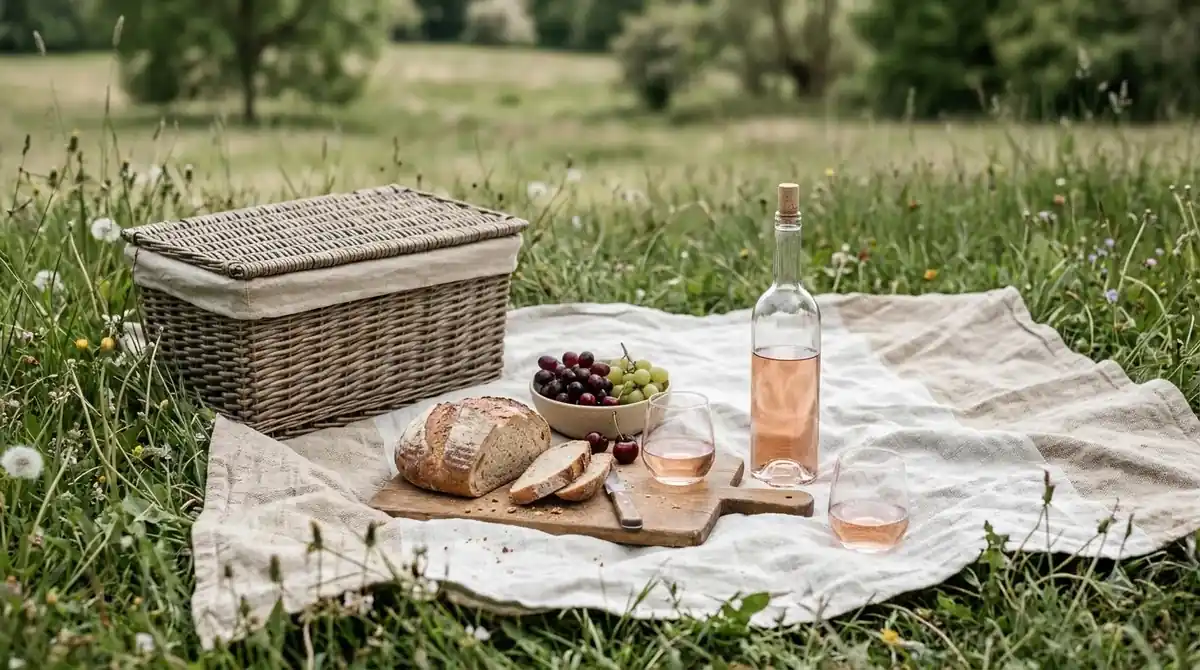
Serve a light, crisp Pinot Grigio around 45–50°F so its freshness stays lively without making the fruit seem muted. Black Box’s pear, honeydew, and citrus profile makes it a natural match for simple chicken dishes, white fish, and grilled vegetables.
A refrigerator is usually cold enough to chill the wine before serving, but a few minutes at the table can let the aromas open as the glass warms. If the wine is very cold, citrus and pear notes may seem restrained; if it gets warm, alcohol can feel more noticeable and the finish may seem less refreshing. The goal is cool rather than icy. Pour a modest amount into the glass so there is room to swirl and smell the wine without warming the whole serving in your hand.
For food, start with the wine’s light body and clean fruit. Grilled chicken with herbs, roasted zucchini, steamed white fish, shrimp, and simple pasta with olive oil can work well because none overwhelms the wine. A dish with lemon or another strong acidic ingredient calls for a wine with enough acidity to keep up; otherwise the food can make the wine seem flat. Fresh parsley, basil, dill, and a little garlic can echo the wine’s clean character.
Very hot chile sauces can make alcohol feel more pronounced, so a delicately flavored 12% white may be less comfortable beside a dish built around intense heat. Black Box is also practical for informal meals where a full bottle would be more than needed: the 500 mL package suits a smaller occasion, while the 3-liter box is more useful for multiple servings over time. With either format, chill the wine before pouring and make the serving size deliberate rather than filling the glass to the rim.
Keep the Open Box Chilled for Up to Six Weeks
Black Box says its boxed wine can stay fresh for up to six weeks after opening, and the 3-liter format lets you pour several servings without finishing the package at once. Keep the opened box chilled and close the spout between pours.
Bag-in-box packaging works differently from a bottle with a cork. As wine leaves through the tap, the inner bag collapses, limiting the amount of air that reaches the remaining wine. That design slows oxidation, which can make opened still wine taste tired, but it does not stop all changes. Six weeks is an upper freshness claim rather than a promise that every open box will taste identical on its final day.
For the best quality, keep the opened box in the refrigerator and avoid leaving the tap open, setting the package beside a stove, or storing it in direct sun. Warm storage can make fruit character fade more quickly. If the aroma becomes dull, the taste shifts toward stale or bruised fruit, or the finish seems unpleasantly flat, the wine may be past its best even if the package has not reached six weeks.
The 3-liter format is equivalent in volume to four standard 750 mL bottles, so its advantage is convenience rather than a different serving size. If you typically pour one glass at a time, the tap makes it easier to take a measured 5-ounce serving and put the rest away. The Black Box Chardonnay alcohol content is a separate product question because Chardonnay can differ in body, acidity, and alcohol from Pinot Grigio; the broader Wine Brands section can help put such comparisons in context.
Frequently Asked Questions
The most common questions concern the meaning of Pinot Grigio, the wine’s appearance, and what a percentage on the package actually measures. The answers below add context beyond the 12.0%, 12.5%, and 6.5% listings discussed above.
Is Pinot Grigio the same grape as Pinot Gris?
Yes. Pinot Grigio is the Italian name for the grape called Pinot Gris in France, including Alsace. The name changes with language and regional convention, not because the wines come from two unrelated grape varieties.
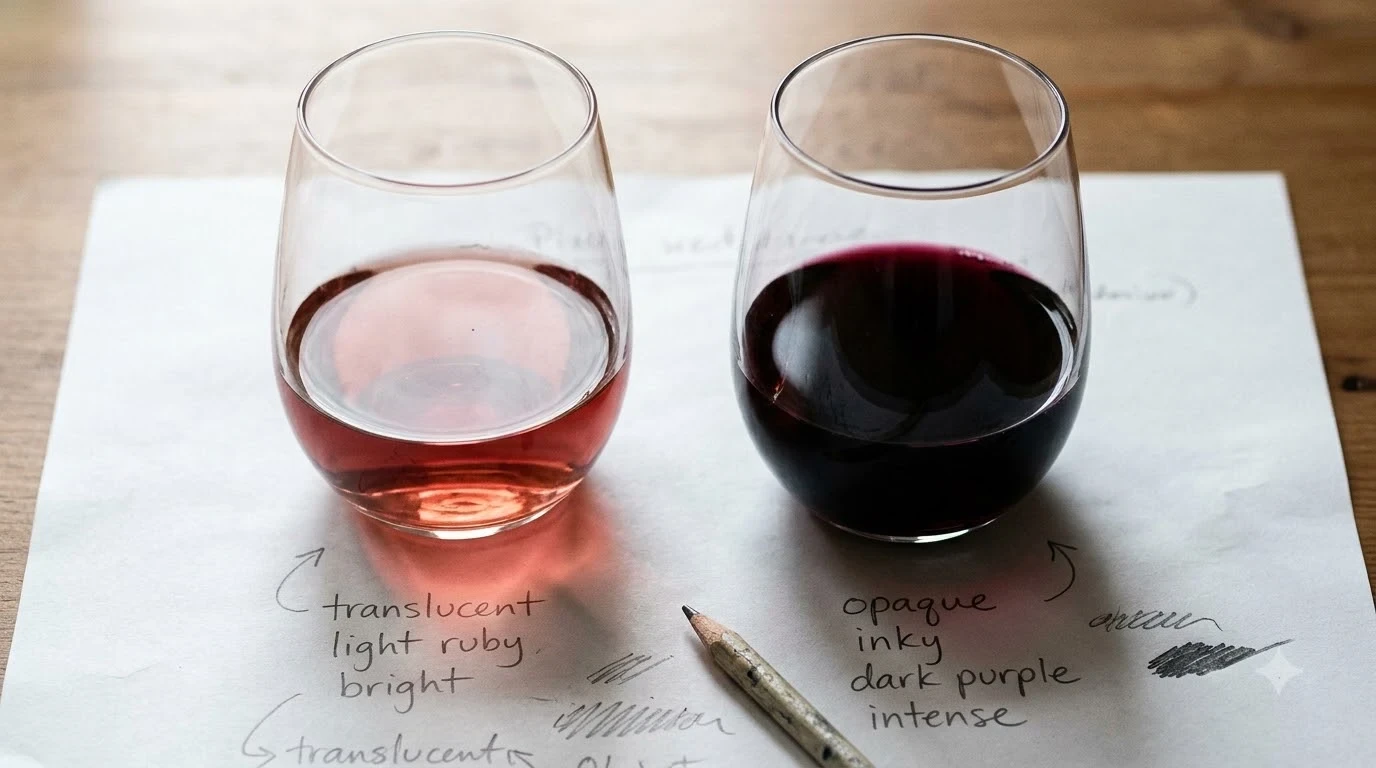
Why can a Pinot Grigio have a copper or pink tint?
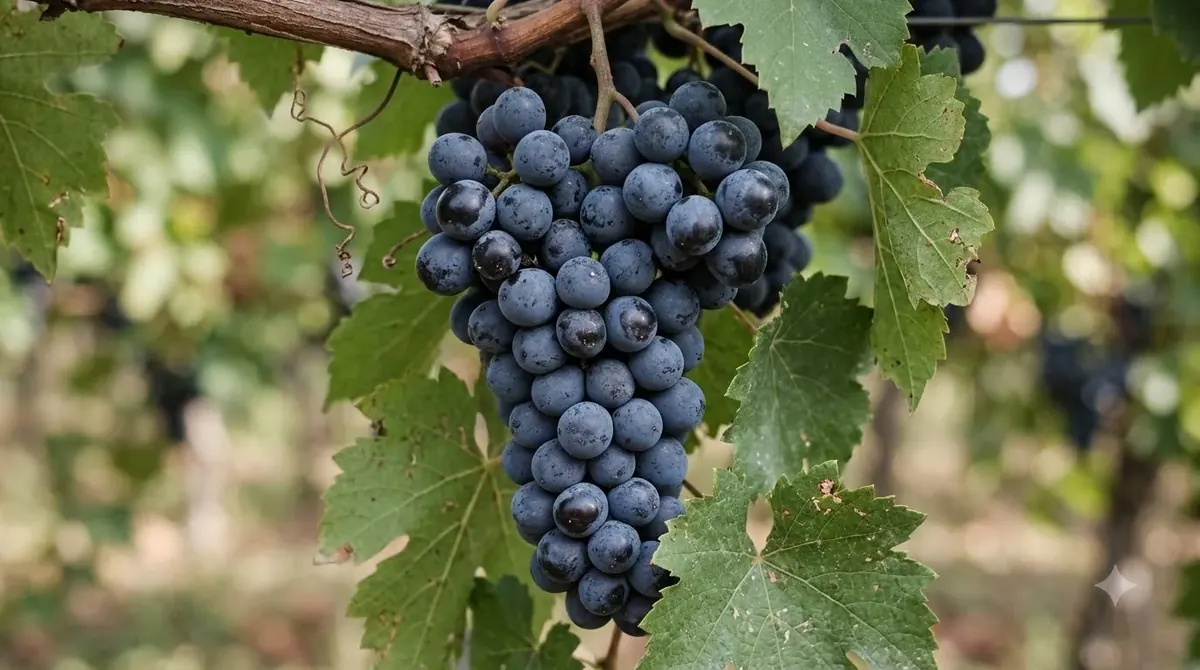
The grape’s skins are gray-blue rather than pale green, and contact between those skins and the juice can add color. In the Italian ramato style, Wine Enthusiast describes about 10 hours of skin contact as a way to create a pink nuance and add texture.
Does chilling the wine change its ABV?
No. Cooling a glass or box changes its temperature, not the percentage of alcohol by volume stated for the wine. Temperature can change how aromas and warmth are perceived, but it does not turn a 12.0% wine into a lower- or higher-ABV wine.
Can Pinot Grigio be sweet instead of dry?
Yes. Although many familiar Italian Pinot Grigios are dry, Decanter notes that Pinot Gris also appears in sweet, ageworthy late-harvest styles, particularly in Alsace. The grape name alone does not guarantee a dry finish.
How long can Pinot Grigio be stored before opening?
Wine Enthusiast’s varietal overview gives a broad one-to-five-year cellar window for Pinot Grigio/Gris, but that is not a recommendation to age every inexpensive, fresh-fruited box. Black Box Pinot Grigio is better approached as a convenient white for drinking while its pear and citrus character is fresh.
For the large standard Black Box Pinot Grigio, 12.0% ABV is the clearest starting figure, while the 500 mL listing is 12.5% and the Lower Calorie line is a separate 6.5% product. Match the percentage to the exact package, measure a 5-ounce pour for a consistent serving, and keep the opened box chilled to preserve its flavor.
More in Wine Brands
 Louis Latour Wine Price: Compare Bottles by Style and TierUpdated Nov 20, 2026
 Yellow Tail Moscato Price: What to Expect Before You BuyUpdated Nov 20, 2026
 Sutter Home Sweet Red Review: Find the Right Food PairingsUpdated Nov 20, 2026
 Franzia Chillable Red Review: Find the Right Serving StyleUpdated Nov 20, 2026
 Veuve Clicquot Rose Review: Flavor, Food Pairings and Buying AdviceUpdated Nov 20, 2026
 Rombauer Wine Price: Compare Bottles Before You BuyUpdated Nov 20, 2026