

We may earn a commission when you buy through links on this page, at no extra cost to you. Learn more.
how much wine for 100 guests depends on the event length and the other drinks available: plan about 40 bottles for a two-hour gathering, 60 for a three-hour wine-focused event, or 80 for a four-hour reception where wine is the main choice. Those estimates use one five-ounce glass per wine drinker per hour and five glasses from each standard 750-milliliter bottle. Reduce the count when many guests will choose beer, cocktails, or nonalcoholic drinks, and add a separate allowance for a sparkling toast.
The most reliable way to plan a large event is to count the people likely to drink wine, decide how many pours you want available, and convert those pours into bottles. A clear estimate is more useful than buying the same number for every 100-person gathering: a short cocktail party and a long reception with wine at dinner have different needs. The calculations below provide a practical starting point and show how to adapt your order to the guest list, menu, and service schedule.
How Much Wine for 100 Guests by Event Length
For 100 guests who each receive one five-ounce glass per hour, the basic estimate is 20 bottles for each hour of service. That works out to 40 bottles for two hours, 60 for three hours, and 80 for four hours, before adding a reserve.
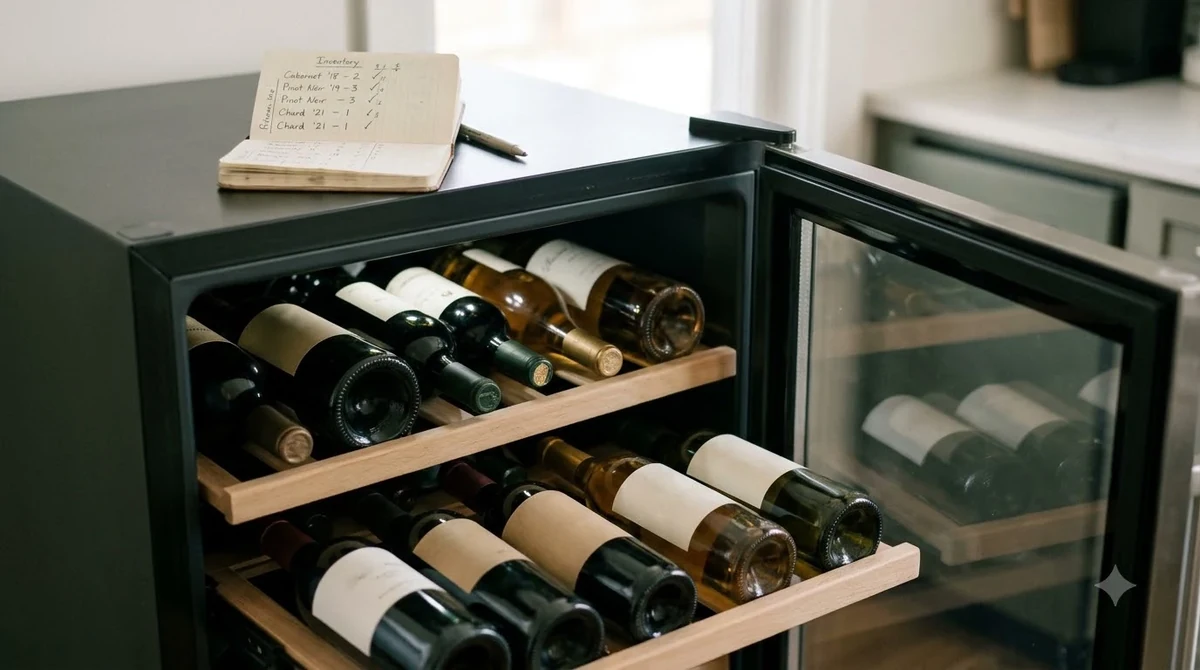
A standard 750-milliliter bottle holds approximately five five-ounce servings. Wine Enthusiast describes a professional pour as 5 to 6 ounces and estimates approximately five glasses from a 750-milliliter bottle; the exact yield depends on how consistently staff pour. Use five servings for planning because it is easy to calculate and helps prevent shortages. For the serving-size explanation, see Wine Enthusiast’s guide to pouring wine.
| Event length | Planned glasses per guest | Total five-ounce pours | Base bottles | With 10% reserve |
|---|---|---|---|---|
| 1 hour | 1 | 100 | 20 | 22 |
| 2 hours | 2 | 200 | 40 | 44 |
| 3 hours | 3 | 300 | 60 | 66 |
| 4 hours | 4 | 400 | 80 | 88 |
| 5 hours | 5 | 500 | 100 | 110 |
The table assumes all 100 guests drink wine and receive one glass in each hour. It is a deliberately simple baseline, not a prediction that every guest will drink at the same pace. A two-hour reception with beer, cocktails, and soft drinks may need fewer bottles than the table suggests, while a seated dinner followed by dancing may need more if wine remains the main beverage throughout.
The reserve column adds 10 percent and rounds up to whole bottles. For a three-hour event, that changes 60 bottles to 66; for a four-hour event, it changes 80 to 88. This cushion can cover uneven pours, additional guests, spills, or a service period that runs longer than expected. It is particularly useful when the event schedule is flexible or the final guest count is not completely settled.
Consider the type of event as well as its duration. A two-hour business reception with wine, beer, and soft drinks might be adequately served by the 40-bottle baseline if most guests drink wine. A three-hour anniversary dinner with wine on every table is more likely to use the 60-bottle estimate. An extended four-hour celebration where wine is the main beverage may require the full 80-bottle baseline or more.
For a smaller-scale comparison, the calculation behind how many bottles of wine for 20 guests is the same: multiply the wine-drinking headcount by the number of pours, then divide by five. Keeping the formula consistent makes it easier to adjust quantities when the guest list changes.
Calculate the Count From the Number of Wine Drinkers
The total guest count is not always the right number to use. If 100 people are invited but only 70 or 80 are expected to drink wine, calculate from that smaller group instead of automatically buying for 100 wine drinkers.
Use this formula: wine drinkers × planned glasses per drinker ÷ 5 = 750-milliliter bottles. For example, if 80 of the 100 guests are likely to drink wine and you plan three glasses per wine drinker, multiply 80 by 3 to get 240 pours. Divide 240 by 5, and the base requirement is 48 bottles. A 10 percent cushion brings the order to 53 bottles after rounding up.
Here is another way to see the difference. If only 70 guests drink wine and each receives two glasses, you need 140 servings, or 28 bottles. If 90 guests drink wine and each receives three glasses, the requirement rises to 270 servings, or 54 bottles. The event still has 100 attendees in both cases, but the wine order changes substantially.
Be realistic when estimating participation. A daytime family gathering may include children, designated drivers, and adults who prefer sparkling water. A formal dinner may have a higher share of wine drinkers, but guests may also alternate wine with water or another beverage. Ask the caterer about the expected mix, use RSVP information where it is available, and avoid counting every person as a wine drinker by default.
The same headcount adjustment matters when the bar has more than wine. If beer and cocktails are available throughout the event, some guests will split their drinks among those choices. A wine-only dinner calls for a different estimate from a reception with a full bar. The event worksheet should identify which drinks are available, when they are served, and whether wine is offered during the meal, cocktail hour, or both. For a wedding, the planning considerations in how much wine for a wedding can help you account for those separate service periods.
Tip: Make one headcount for all invited guests and a second estimate for likely wine drinkers. Calculate the bottles from the second number, then add a modest reserve instead of treating every guest as a guaranteed wine serving.
Set Aside Bottles for a Sparkling Toast
A toast should be counted separately from the wine served with dinner. A smaller three-ounce sparkling pour gives each guest a glass for the toast without using the same five-ounce assumption applied to still wine.
A 750-milliliter bottle contains about 25.4 fluid ounces, so a three-ounce toast pour yields roughly eight servings. For 100 guests, 100 multiplied by 3 ounces equals 300 ounces; 300 divided by 25.4 is about 11.8 bottles. Round that to 12 bottles as the mathematical minimum, or 13 if you want one additional bottle for spills and uneven pours. These bottles are separate from the still-wine totals in the event-length table.
Confirm whether the toast is the only time sparkling wine will be offered. If guests can also order sparkling wine during cocktail hour or dinner, those additional pours need their own allowance. A 100-person toast plus a later glass for 30 guests, for example, is not the same requirement as a single round for everyone.
Choose a style that suits the service. Prosecco is generally light and fresh, while Cava and other traditional-method sparkling wines tend to show more richness and complexity. Decanter discusses those differences in its wedding wine buying guide. For a toast, the practical priorities are a style most guests will enjoy, enough chilled bottles ready at once, and a pour size the staff can repeat quickly.
Choose a Practical Mix of Red, White, and Rosé
Once you have the total, divide the bottles into styles that fit the menu and guest preferences. A balanced starting point for a mixed crowd is 40 percent white, 40 percent red, and 20 percent rosé, then adjust the proportions for the season, food, and expected audience.
For a 60-bottle order, that starting split means 24 white, 24 red, and 12 rosé. For an 80-bottle order, it means 32 white, 32 red, and 16 rosé. These are planning proportions rather than fixed rules: a summer garden reception with seafood and salads may need more white and rosé, while a winter dinner featuring beef or lamb may call for a larger red share.
Keep the selection manageable. Two still-wine choices, one red and one white, can cover a broad range of tastes when the guest list is mixed. Add rosé when it fits the menu or when guests are likely to appreciate a chilled option. Decanter recommends keeping wedding table wine simple with a red and a white or rosé, rather than trying to match a separate bottle to every dish.
Choose approachable styles that work across several courses. Pinot Noir is a lighter-bodied red with relatively high acidity and lower tannin than Cabernet Sauvignon, while Merlot usually offers softer, medium tannin. For whites, Sauvignon Blanc and Riesling have high acidity, whereas Chardonnay is generally more moderate. Those broad differences can help you pick wines that suit the food without buying too many separate varieties.
Consider the serving setting as well as the label. A reception with a buffet and open bar may benefit from wines that can be poured across several dishes, while a seated dinner with a set menu allows a more deliberate red-and-white split. For more background on grapes, styles, and basic service choices, use the site’s Wine Basics reference.
Match the Wine to the Menu and Service Schedule
Food can change the way a wine tastes, so choose the broad mix with the menu in mind. For a meal spanning seafood, vegetables, poultry, and red meat, wines with fresh acidity and moderate structure are usually easier to pair across the table than a single very tannic red.
Acidic dishes work best with wines that have equal or higher acidity. A vinaigrette salad or tomato-based starter can make a low-acid wine seem flat, while crisp Sauvignon Blanc or Riesling can keep its freshness alongside those foods. Salt and fat soften tannin, which is one reason Cabernet Sauvignon can work with a fatty beef entrée but may seem harsh with a delicate fish course.
Think about the whole meal rather than matching each plate separately. Pinot Noir can be a flexible red for poultry, mushrooms, and salmon when the preparation is not especially oily. Chardonnay can work with roast chicken or richer seafood, and a dry rosé can bridge appetizers, salads, and grilled vegetables. Oily fish generally clashes with tannic reds, so offer a white or rosé for that course.
Service timing also affects how many bottles should be opened at once. If guests arrive at 6 p.m. and dinner begins at 7 p.m., the first hour may use sparkling wine or a modest amount of white and rosé, followed by the main table wines. Ask the caterer to keep some bottles unopened until the meal starts so the event does not exhaust its supply during the reception hour.
Consider the menu’s weight and intensity as well. A delicate seafood appetizer can be overwhelmed by a heavily tannic Cabernet Sauvignon, while a rich beef entrée may make a light white wine seem thin. A versatile red such as Pinot Noir and a fresh, high-acid white offer useful alternatives across a varied menu. If the meal includes spicy dishes, keep in mind that alcohol and tannin can make chili heat feel more pronounced.
Provide water and nonalcoholic options at every stage. They give guests a clear alternative and make the wine count more accurate because wine is not the only beverage available. The goal is to have enough wine for the planned service, not to assume that every attendee will choose it at every opportunity.
Plan Delivery, Storage, and Pouring for 100 People
A sound bottle count still needs a service plan. For 100 guests, decide who will receive the delivery, where bottles will be stored, how many serving stations will be used, and who is responsible for opening and chilling each wine.
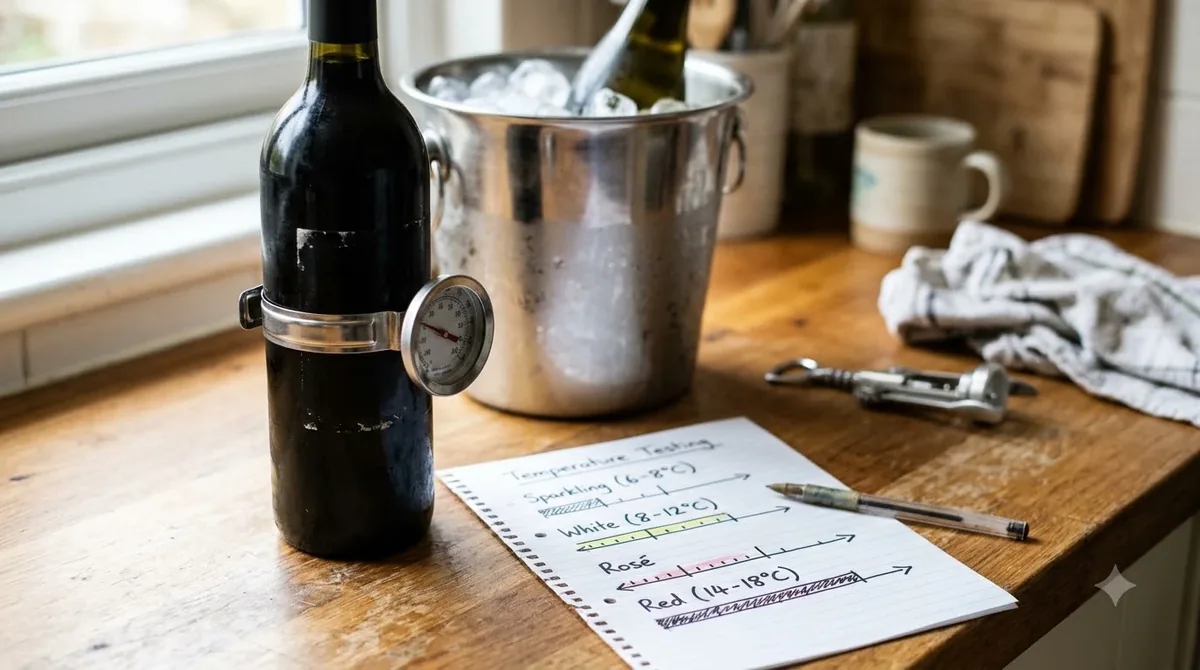
Keep unopened bottles in a cool, dark place; a storage temperature near 55 degrees Fahrenheit is a useful target. Chill light whites and rosé to about 45 to 50 degrees, fuller-bodied whites to 50 to 55 degrees, and sparkling wines to 40 to 50 degrees. If red wine is served too warm in a heated room, it can taste heavy, so lighter reds are often better around 55 to 60 degrees and fuller reds around 60 to 65 degrees.
Coordinate venue rules before arranging delivery. Ask whether the venue supplies glassware, ice, refrigeration, bartenders, and bottle opening, and whether it charges a corkage fee for wine you bring yourself. The details behind how much is corkage fee matter because a venue’s service rules can change what is practical to bring and who handles the bottles.
Use a measured five-ounce pour rather than filling glasses by eye. A wineglass can look large, and a freehand pour may use more than the amount in your spreadsheet. Assign a bartender or server to pour consistently, keep a marked pour measure at the bar, and ask the captain to check bottle usage during the first hour. If pours are running larger than planned, the team can adjust before the reserve is depleted.
Plan the physical service setup before the event begins. One busy bar may struggle to serve 100 guests quickly, especially when staff are also handling beer, cocktails, and nonalcoholic drinks. Two serving stations, or separate service points for cocktail hour and dinner, can make it easier to keep the line moving and monitor how much red, white, and sparkling wine remains.
Do not open every bottle at the start. Stage a few bottles at each bar, keep the rest chilled or stored safely, and release more as service requires. For a 60-bottle event, the lead bartender might start with a smaller working supply and ask for replenishment as dinner begins. This reduces warm leftovers and makes it easier to see whether one style is moving faster than another.
Finally, confirm delivery timing and returns in writing. Decanter notes that some wine merchants offer sale-or-return arrangements for unopened stock, but policies differ by seller and location. Ask about the return deadline, packaging requirements, and whether mixed cases are eligible. A written agreement is more reliable than assuming the extra cases can be sent back after the party.
Frequently Asked Questions
These practical answers cover additional planning details, including 12-bottle cases, 1.5-liter magnums, and larger boxed-wine formats.
How many cases of wine are 60 bottles?
Sixty standard bottles make five 12-bottle cases. If your supplier packs six-bottle cases or mixed cases, confirm the case format before arranging transport, since the total bottle count stays the same but the number of cartons changes.
Can I serve boxed wine at an event with 100 guests?
Yes, boxed wine can be a practical option for a casual buffet, outdoor gathering, or self-serve station. Wine Enthusiast notes that a common three-liter box equals four 750-milliliter bottles and about 20 five-ounce glasses; it also reports that opened bag-in-box wine can stay fresh for up to six weeks in the refrigerator.
How many glasses does a magnum bottle serve?
A 1.5-liter magnum holds twice the wine of a standard 750-milliliter bottle. At five ounces per glass, it provides about 10 servings, which can reduce the number of individual bottles servers need to open during a large dinner.
Should I buy extra wine if the guest count is not final?
Wait until you have a reliable RSVP count before placing the final order whenever the delivery schedule allows. If you must order earlier, ask the merchant about a change deadline and whether unopened bottles can be returned; do not assume every supplier offers the same policy.
Does the venue need to approve wine brought in from outside?
Usually, the venue or caterer sets the rules for outside alcohol, including whether a licensed bartender must open and serve it. Some venues also require advance delivery through their approved caterer, so confirm insurance, handling, glassware, and delivery requirements with the event manager before arranging transportation.
For most 100-person events, 40 to 60 bottles is a useful starting range when wine is one of several drinks or the gathering lasts about three hours; a longer wine-centered reception can require 80 bottles or more. Calculate from the number of wine drinkers, add a separate sparkling-toast allowance, and confirm the service plan with the venue before you order.
More in Wine Basics
 What Is The Best Wine For Mimosas? Choose Bubbly That Balances Orange JuiceUpdated Nov 20, 2026
 Which Prosecco Is Best for Your Taste and OccasionUpdated Nov 20, 2026
 Which Wine Is Best For Health? Understand the Risks and BenefitsUpdated Nov 20, 2026
 Which Champagne Is Best for Your Taste and OccasionUpdated Nov 20, 2026
 What To Put In A Wine Gift Basket For A Thoughtful, Memorable GiftUpdated Nov 20, 2026
 What Is the Best Wine for Mulled Wine? Choose a Smooth, Fruity RedUpdated Nov 20, 2026