

We may earn a commission when you buy through links on this page, at no extra cost to you. Learn more.
Dornfelder wine is a deeply colored German red made from a grape bred in Württemberg in the 1950s. It is known for thick skins, rich color and soft, plummy fruit, and most bottles are fermented dry. Dornfelder is mainly grown in Germany, where it is one of the most planted red varieties, and it suits easy-drinking reds as well as oak-aged bottles.
This guide covers where dornfelder comes from, how the wine usually tastes, how to serve it, and what to eat with it. If you are comparing German reds with French or Italian styles, the notes below will help you decide whether a dornfelder fits your table.
Where Dornfelder Comes From
Dornfelder was bred by the German grape breeder August Herold at the Weinsberg institute in Württemberg. The cross is usually dated to the mid-1950s, and it was named after Immanuel August Ludwig Dornfeld, a nineteenth-century figure tied to the Weinsberg viticulture school. The variety’s parents are Helfensteiner and Heroldrebe, both themselves crosses created earlier in the same breeding program.
Germany remains the center of dornfelder production, with the Palatinate and Rheinhessen holding a large share of the vineyards. Smaller plantings exist in Switzerland, England, Japan and several North American regions, including parts of California, New York and Virginia. Planting in Germany has leveled off in recent years rather than continuing to rise.
The name is often shortened on shelves and menus, so look for the full spelling on the label to be sure you are buying dornfelder. Wine lists in German restaurants may also group it with other red varieties from the same breeding program, which is a reminder of how closely connected these German crosses are.
How Dornfelder Tastes
Dornfelder is often described as deeply colored, with a soft and rich texture. Its thick skins carry a high level of phenolic compounds, which give the wine its strong color and gentle structure. Good examples usually have fresh acidity and can show floral aromas alongside the fruit.
The most common flavors are plum, blackberry and cherry. Some bottles have a hint of sweetness, but most are fermented dry. Early examples were made in a light, fruity style similar to Beaujolais nouveau, using carbonic maceration. Today producers make both easy-drinking bottles and more serious wines, and the difference often comes down to yield and oak aging.
Winemakers choose how they handle the grape, and that choice shapes the glass. A producer who keeps yields low and ages the wine in oak will get more concentration and a longer finish. A producer who picks the fruit early and ferments in stainless steel will get a bright, lighter bottle that is ready to drink right away. Neither approach is better in general, but the label and the price often hint at which one you are buying.
| Style | Typical character | Best matched with |
|---|---|---|
| Fresh, fruity everyday red | Light to medium body, plum and cherry notes | Pizza, grilled sausages, weeknight pasta |
| Fully dry, oak-aged bottle | Fuller body, velvety texture, deeper fruit | Roast pork, mushroom dishes, hard cheeses |
| Off-dry bottle | Hint of sweetness, soft finish | Spicy sausages, barbecue, mildly spiced dishes |
Dornfelder also fits well into a tasting comparison with other reds. If you already enjoy a medium-bodied red such as cabernet franc wine, a dry dornfelder will feel familiar in weight but softer in tannin and deeper in color. That makes it a good bridge for drinkers moving from lighter reds toward something bolder.
Dornfelder is a versatile red for mixed groups. Its color and fruit make it appealing to people who usually prefer whites, while its dry finish keeps it from tasting too sweet for those who favor more traditional reds. Offering one fully dry and one off-dry bottle lets guests choose the style they enjoy most.
How to Serve Dornfelder
Serve dornfelder slightly cooler than room temperature, which keeps the fruit fresh and stops the alcohol from feeling heavy. A short time in the refrigerator before pouring is usually enough. For oak-aged bottles, a little more warmth lets the texture and spice come forward.
Use a medium-sized glass with a moderate bowl so the aromas gather without overwhelming the palate. A brief decant can help a young, dense bottle open up, though most dornfelder is ready to drink soon after purchase. Keep the bottle upright for a few hours before serving if it has been moved recently, so any sediment settles.
Think about texture as well as flavor when you pair dornfelder. Its soft tannin and velvety body mean it does not grip the palate the way a very tannic wine can, so it works with dishes that are tender and juicy. Slow-cooked meats, roasted vegetables and creamy mushroom sauces all sit comfortably beside it.
What to Eat With Dornfelder
Dornfelder pairs well with foods that share its soft fruit and gentle tannin. Grilled sausages, roast pork, barbecued chicken and mushroom dishes all work well. Its acidity also helps cut through rich sauces, so it can stand up to tomato-based pasta and simple pizza.
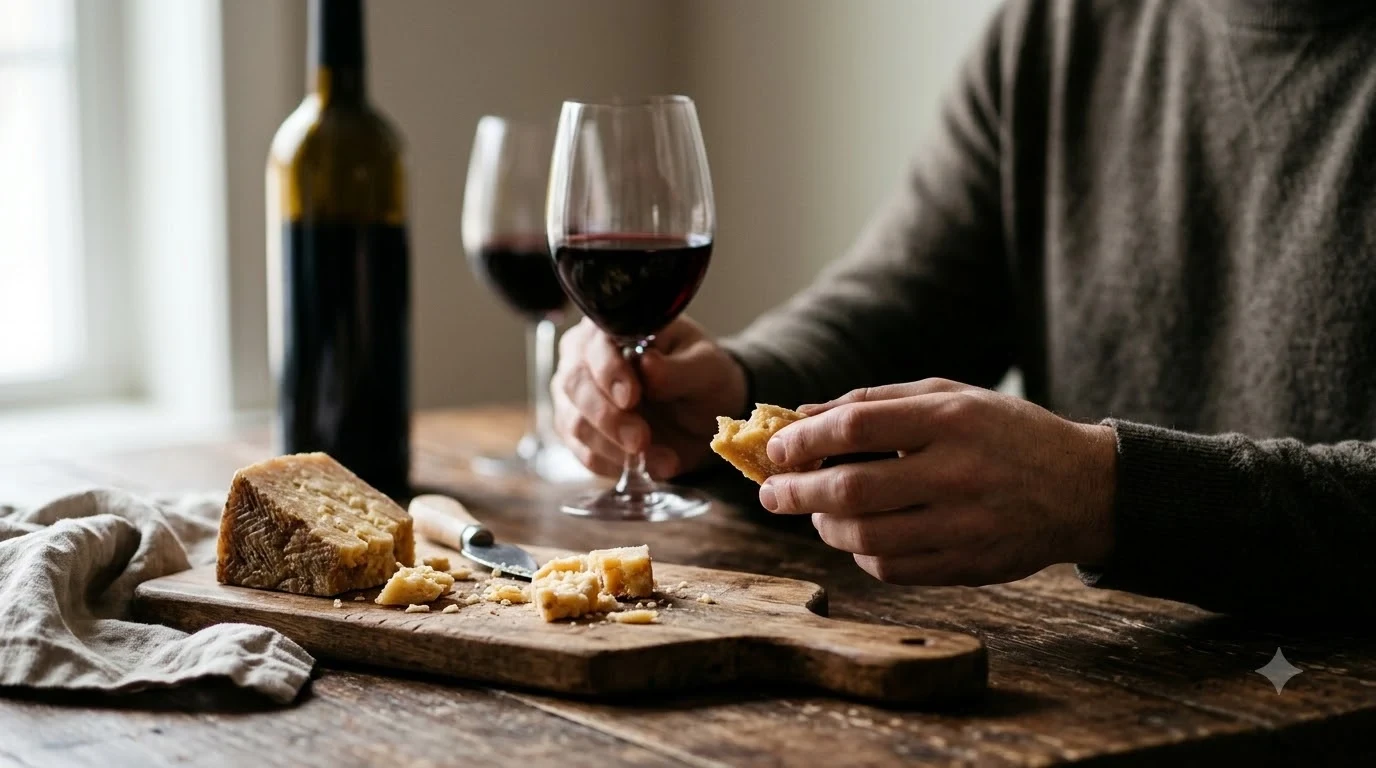
For cheese, reach for semi-firm and aged styles rather than very sharp blues. The wine’s plum and cherry notes complement nutty cheeses. If you are building a German-themed dinner, dornfelder sits comfortably beside hearty potato and cabbage dishes.
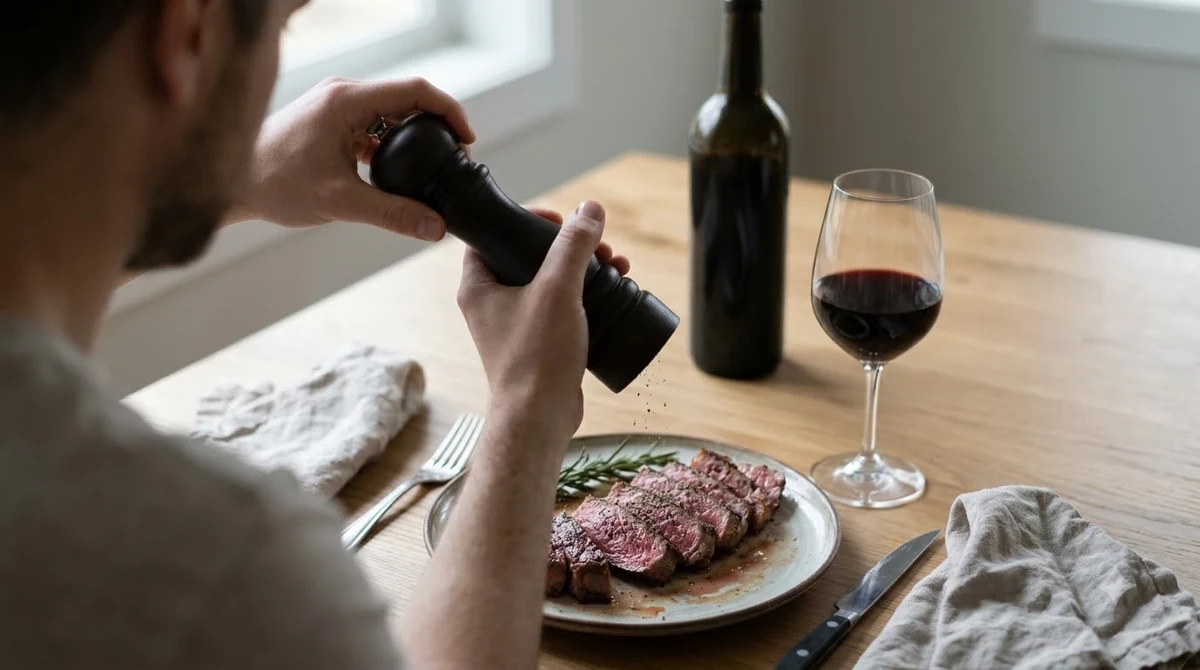
Tip: If a dornfelder tastes thin or sharp, try it with a dish that has a little fat or sweetness, such as roast pork with apple or a meaty tomato sauce.
When you shop, pay attention to the vintage and to whether the bottle is described as oaked. Younger wines show bright fruit and are the most useful for everyday meals. Older or oak-aged wines develop more spice and softness with time, so they reward patience. If you are buying for a party, a fresh, fruity bottle is usually the safer choice, because most guests will enjoy it without needing to think about the style.
Choosing a Dornfelder Bottle
Look at the label for the region and the style. Bottles from the Palatinate and Rheinhessen are common and often offer good value. Words such as trocken on German labels indicate a dry wine, while halbtrocken signals a little sweetness.
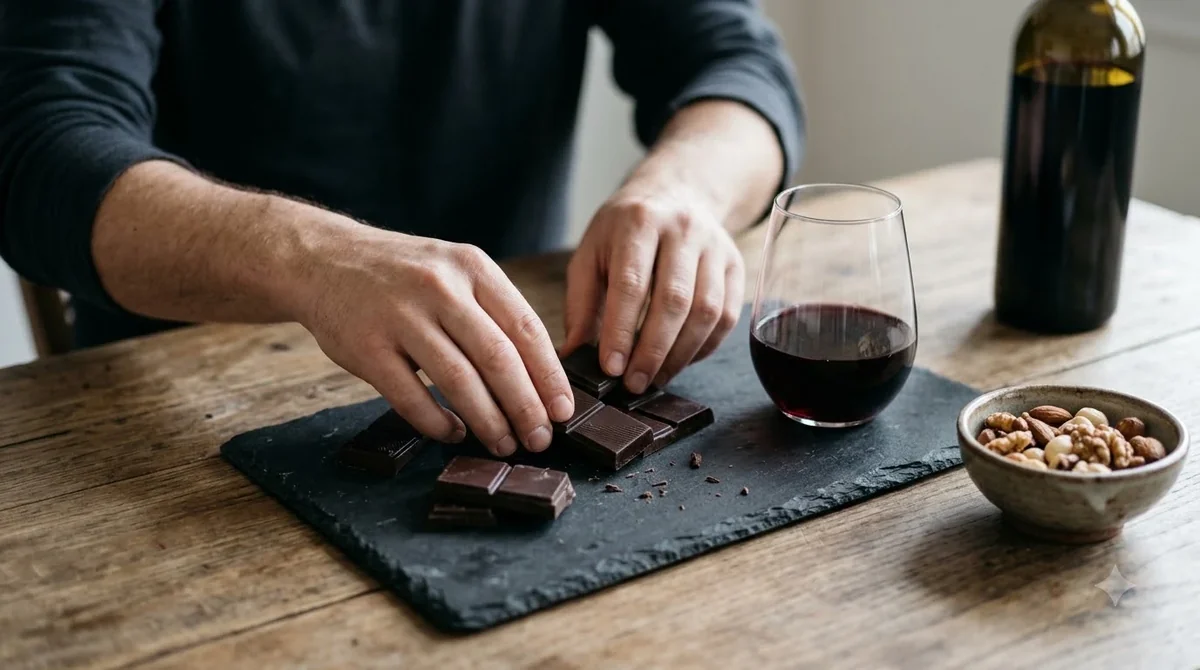
Oak-aged dornfelder tends to cost more and has a fuller texture, so it suits a special dinner. Younger, fruit-driven versions are better for casual meals. Reading a few reviews from wine writers can help you find a style you enjoy before buying a case. For background on the variety and its history, the Wikipedia entry on Dornfelder gives planting figures and breeding details.
Frequently Asked Questions
Is dornfelder a sweet wine?
Most dornfelder is fermented dry, although some bottles have a touch of residual sugar. Check the label or ask the seller if you prefer a dry red.
What does dornfelder taste like?
Expect plum, blackberry and cherry flavors with soft tannin and good color. Oak-aged examples can add spice and a velvety texture.
Where is dornfelder grown?
Germany grows the most dornfelder, mainly in the Palatinate and Rheinhessen. Smaller amounts are planted in Switzerland, England, Japan and parts of North America.
Should dornfelder be chilled?
A short time in the refrigerator is usually enough. Serve it slightly cooler than room temperature so the fruit stays fresh and the alcohol does not feel heavy.
Dornfelder is an approachable German red with plenty of color and fruit. Start with a fresh, dry bottle for weeknight meals, and then compare an oak-aged version with a roast or a firm cheese. For more context on red grapes, browse the guide to wine by type and find the style that suits your table.
More in Wine Types & Grapes
 Zinfandel Sugar Content: Dry Red vs. White Zinfandel GramsUpdated Nov 21, 2026
 Best Zinfandel Substitute Options for Sipping and CookingUpdated Nov 21, 2026
 Zweigelt Food Pairing: Best Dishes, Cheeses, and Serving TipsUpdated Nov 21, 2026
 Zinfandel Tannins Explained: How Structure Shapes Every BottleUpdated Nov 21, 2026
 Zinfandel Sweetness Level: Dry Red vs. Sweet White Zin ExplainedUpdated Nov 21, 2026
 Xinomavro Food Pairing: Best Dishes, Styles, and Serving TipsUpdated Nov 21, 2026