

We may earn a commission when you buy through links on this page, at no extra cost to you. Learn more.
The answer to “where is merlot from” is Bordeaux, in southwestern France, where Merlot became the region’s leading red grape and a defining part of its classic blends. Its historic center is the Libournais area on Bordeaux’s Right Bank, especially around Saint-Émilion and Pomerol. The grape now grows in places as varied as California, Washington, Chile, Italy, and New Zealand, but Bordeaux remains the reference point for understanding its identity.
Merlot is a grape variety rather than a single wine style or protected place name. A bottle labeled Merlot might be a supple, fruit-forward wine from California, a structured Bordeaux blend, or a more savory expression from a cooler site. Knowing where the grape began—and how climate, soils, and local winemaking shape it—makes labels easier to interpret and helps explain why Merlot can taste different from one region to another.
Merlot’s birthplace is Bordeaux in southwestern France
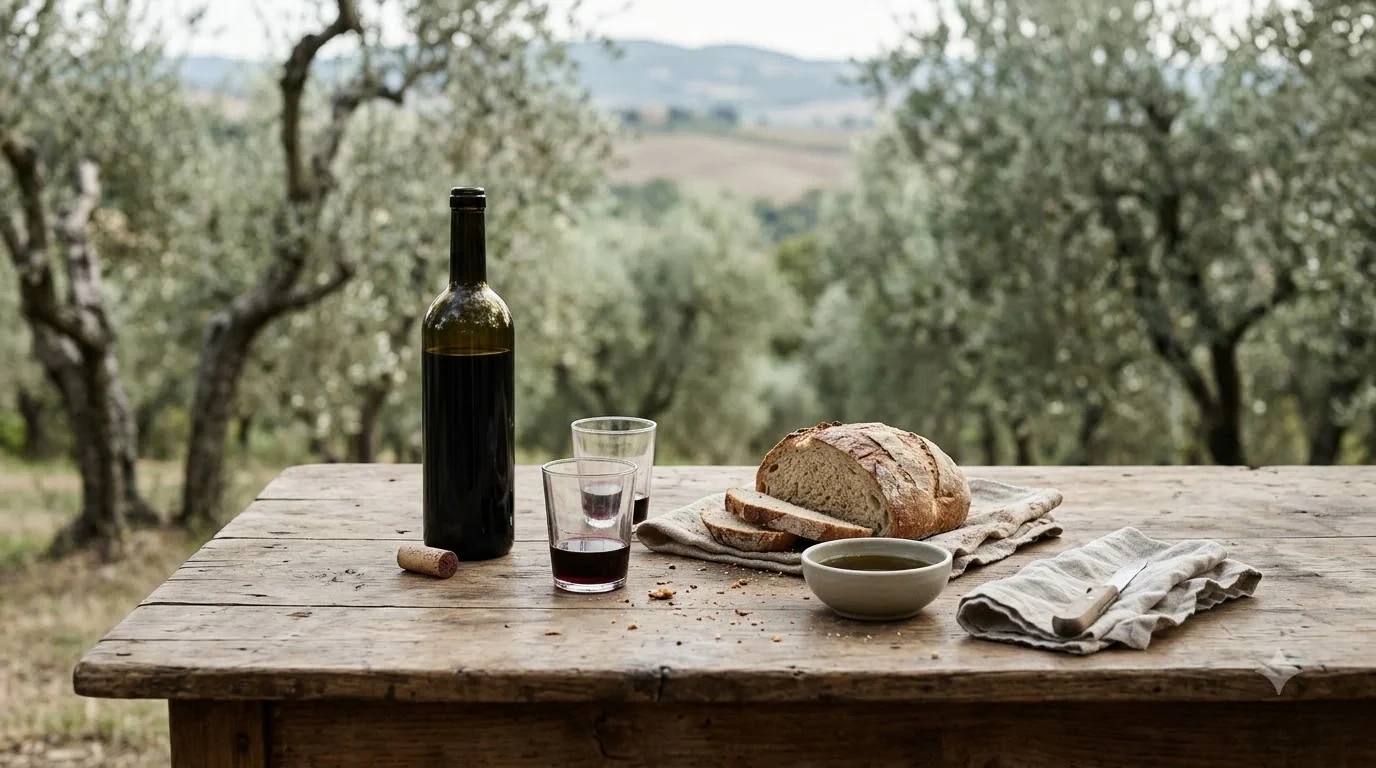
Merlot’s historic home is Bordeaux, in the southwest of France, with the Libournais district on the Right Bank closely associated with the grape’s rise. Bordeaux’s regional wine authority describes Merlot as a native southwestern French variety and identifies Bordeaux as its historic cradle; genetic parentage links it to Cabernet Franc and Magdeleine Noire des Charentes.
The Libournais is the wine area around Libourne, east of Bordeaux city and north of the Dordogne River. Saint-Émilion and Pomerol became especially important for Merlot because the Right Bank’s clay and limestone soils suit this early-ripening grape. Fronsac and neighboring appellations also have a strong Merlot presence.
The grape’s family tree distinguishes its origin from the places where it later became popular. Merlot is the offspring of Cabernet Franc and Magdeleine Noire des Charentes, an old French variety. It is a distinct grape, with softer tannins and rounder fruit than Cabernet Sauvignon. Bordeaux is a place; Merlot is a variety grown there and in many other regions.
The name itself is often linked to merle, the French word for blackbird. The story refers to the dark color of the berries and the birds’ attraction to ripe grapes. The etymology is generally presented as a likely explanation rather than a proven naming record, so it is best treated as a traditional account. For a concise introduction from the region itself, the Bordeaux overview of Merlot sets out the grape’s roots, parentage, and role in local wines.
The Right Bank gives Merlot its clearest Bordeaux identity
Saint-Émilion, Pomerol, and Fronsac are the key Right Bank names to recognize when looking for Bordeaux wines led by Merlot. Merlot often supplies the main body of these wines, while Cabernet Franc and other permitted red varieties add aromatic detail, freshness, or structure.
Bordeaux’s geography is commonly described by the rivers that shape its wine districts. The Right Bank sits north and east of the Dordogne and Gironde estuary, while the Left Bank includes the Médoc, south of the Gironde. This distinction matters because the soils and dominant grapes differ. Clay and limestone are important in many Right Bank vineyards, and Merlot’s earlier-ripening habit makes it a natural fit there. On the Médoc’s warmer gravel sites, Cabernet Sauvignon tends to have the advantage and usually takes the leading role.
Saint-Émilion is a broad appellation with several different landforms and soil types, so its wines do not all taste alike. Clay-rich sites can produce full, rounded Merlot, while limestone-influenced areas may show firmer structure and a fresher finish. Pomerol is smaller and is particularly associated with Merlot-led wines; its name has a strong association with concentrated, age-worthy examples. Fronsac, just west of Saint-Émilion, offers another route into Right Bank Merlot, often with a firm shape and dark-fruit character. These place names give more precise geographic clues than the word Bordeaux alone.
On the Left Bank, Merlot still matters, but it usually works beside Cabernet Sauvignon rather than leading the blend. In the Médoc and Haut-Médoc, it can soften the firmer tannins and add plum-like fruit, while Cabernet Sauvignon contributes a more structured frame. A Bordeaux bottle can therefore contain a significant share of Merlot without being a Merlot-led wine. The appellation, producer, and blend determine the final balance.
Merlot now grows across several major wine regions
Bordeaux is Merlot’s birthplace, but it is no longer the grape’s only important home. California, Washington, Chile, Italy, and New Zealand all produce recognizable examples, with each region giving the variety a different balance of ripeness, acidity, fruit, and structure.
In the United States, California is a major source of varietal Merlot, particularly from Napa Valley and Sonoma County. Washington is known for Merlot from Columbia Valley, including Yakima Valley and Horse Heaven Hills. California examples can lean toward ripe cherry and plum, while Washington bottlings often combine dark fruit with a fresher edge. Individual vineyards and harvest conditions still matter.
Chile produces fruit-driven Merlot as well as more serious bottlings. In Italy, it appears in northeastern Friuli and in Tuscan blends associated with Bolgheri and Toscana IGT. New Zealand’s Hawke’s Bay is another notable region, and the grape is also grown in Australia and elsewhere in Europe. Decanter’s Merlot profile highlights California and Chile outside France, along with Australia and New Zealand. For a broader look at grape names and wine styles, browse Wine by Type. Bordeaux.com puts Merlot at about 60 percent of Bordeaux appellation plantings; VinePair reports about 8 percent of Napa Valley’s vineyard acreage and 1,870 acres in Hawke’s Bay. These figures describe different measures, so read them as regional snapshots, not direct comparisons.
| Region | Reported Merlot figure | What the figure describes |
|---|---|---|
| Bordeaux, France | About 60% | Share of Bordeaux appellation plantings |
| Napa Valley, California | About 8% | Share of total vineyard acreage |
| Hawke’s Bay, New Zealand | 1,870 acres | Area reported as planted to Merlot |
The figures show why “Where is Merlot from?” and “Where is Merlot grown?” are different questions. Its historical home is Bordeaux, but the wider map includes French blends, ripe California fruit, structured Washington reds, and cooler-climate expressions. For a comparison with another red grape’s roots, see where is Syrah from, since Syrah’s Rhône origins lead to a very different range of regional styles.
Climate and soil shape Merlot’s flavor from place to place
Merlot’s familiar profile often includes plum, cherry, blackberry, and a smooth, rounded texture, but those traits shift with climate and vineyard site. Cooler conditions can preserve freshness and bring herbal notes, while warmer sites usually push the fruit toward riper, darker, and sometimes more concentrated flavors.
In a cooler area, Merlot may show red cherry, fresh plum, bay leaf, or dried herbs, with less of the jammy quality associated with very ripe fruit. Decanter notes that cool-climate Merlot can develop grassy or bell-pepper-like details, while fully ripe grapes can show blackcurrant, blackberry, blueberry, chocolate, and spice. These contrasts are not fixed formulas: picking date, vine balance, fermentation choices, and oak use all influence the finished wine. Still, climate gives a helpful first clue when comparing a bottle from Bordeaux with one from California or Chile.
Soil changes the picture as well. In Bordeaux, clay-rich ground can hold water and support Merlot through dry spells, while limestone can contribute a firmer, more structured impression. Gravel drains more freely and warms more quickly, conditions often associated with Cabernet Sauvignon on the Left Bank. The distinction is not absolute—Bordeaux has varied soils within individual appellations—but it helps explain why Merlot became especially important in the Libournais. A map showing only the region’s name leaves out the vineyard conditions that influence the wine in your glass.
Winemaking can either emphasize Merlot’s plush fruit or give it a more serious frame. Stainless-steel fermentation and restrained oak tend to keep the focus on fresh fruit. Aging in barrels can add notes of vanilla, cedar, cocoa, or spice, while longer bottle aging may bring earthy or savory characters. A fuller Merlot from Pomerol may be more structured and concentrated than an easygoing California bottling, but a cool-climate California site can produce a fresher style than a warm, ripe Bordeaux vintage. Region is a useful guide, not a guarantee.
Merlot is both a blending grape and a varietal wine
Merlot has two common roles: it can stand alone as a single-variety wine, or it can form part of a Bordeaux-style blend. Its moderate tannins and generous fruit often make it a useful partner for Cabernet Sauvignon and Cabernet Franc, whose firmer structure can give a blend more grip and shape.
In Bordeaux, the blend is a practical response to different vineyard conditions as well as a stylistic choice. Merlot usually ripens earlier than Cabernet Sauvignon, so it can be harvested before later-season weather becomes a problem. Cabernet Sauvignon tends to ripen later and can bring firmer tannins, darker fruit, and a longer structural finish. Cabernet Franc contributes aromatic lift and can add freshness. Petit Verdot and Malbec may also appear in some blends, depending on the appellation and producer. This mix gives a winemaker several components to work with rather than relying on one variety in every vintage.
Single-variety Merlot is especially common outside traditional Bordeaux labeling. A bottle from California, Washington, Chile, or Italy may state Merlot prominently on the front label, making the grape easy to identify. These wines can be dry and fruit-forward, with flavors of plum, cherry, and blackberry. Some are made for early drinking, while others have enough concentration, acidity, and tannin to develop in bottle. The word “Merlot” alone does not tell you how serious, ripe, or oak-driven the wine will be.
The difference is also useful when shopping for a Bordeaux bottle. A label that names Saint-Émilion or Pomerol tells you the wine comes from a defined appellation where Merlot commonly plays a major role, but it may not list the grape percentages on the front. A label that says Merlot from California is more likely to identify the principal grape directly. For another example of how a regional wine identity differs from a grape name, see where is Vinho Verde from; the phrase refers to a Portuguese wine region and style, not a single grape.
Serve Merlot slightly cool and pair it with savory food
Merlot is usually best served a little cooler than a warm room, with lighter versions around 55–60°F and fuller examples around 60–65°F. Its softer tannins make it flexible at the table, especially with roasted meats, poultry, mushrooms, and dishes with moderate richness.
Temperature changes how Merlot feels. Too warm, a lighter wine can seem heavy; too cold, a structured Right Bank bottling may have muted aromas and more noticeable tannins. A short refrigerator chill can bring a room-temperature bottle toward the right range. Let it warm gradually in the glass.
Match the wine’s body to the dish. Roast chicken, pork, meatloaf, grilled mushrooms, lentils, and herb-roasted vegetables suit many medium-bodied Merlots. A richer Pomerol or Napa bottling can stand up to braised beef or lamb. Salt and fat soften tannin, while sharply acidic tomato sauces need enough fruit and freshness to keep the wine from seeming flat.
Keep chili heat moderate with a high-alcohol or firmly tannic Merlot, because both can amplify the sensation of spice. Very spicy dishes are often easier with a lower-alcohol wine or a white with lively acidity. Avoid pairing a noticeably tannic Merlot with oily fish such as sardines or mackerel; the combination can taste metallic or harsh. A standard pour is 5 ounces, and a 750-milliliter bottle gives about five glasses. Refrigerate an opened still Merlot and aim to finish it within 3–5 days. When comparing regions, pour small samples side by side and note the differences in fruit ripeness, acidity, oak, and tannin.
Tip: Chill a lighter Merlot briefly and aim for 55–60°F; serve a fuller, oak-aged Merlot closer to 60–65°F. If the bottle feels warm, a little cooling usually helps its fruit and balance show more clearly.
Frequently Asked Questions
How do you pronounce Merlot?
Merlot is commonly pronounced “mehr-LOH,” with the final T silent. The pronunciation reflects its French origin, although English speakers may vary the vowel slightly. You will hear the same pronunciation used for wines from Bordeaux, California, and other regions.
Is Merlot usually a dry wine?
Yes. Most Merlot is fermented until it is dry, even when ripe plum and blackberry flavors make it seem sweet. That fruit impression does not necessarily mean the wine contains noticeable residual sugar.
Does Merlot have other names?
Yes. French synonyms include Merlot Noir, Merlau Rouge, Crabutet Noir, and Plant Médoc. Older regional names can appear in historical references, so a synonym does not necessarily indicate a different grape variety.
Can Merlot be made into something other than red wine?
Yes. Although dry, still red wine is its most familiar form, Merlot can also be used for rosé, sparkling wine, and dessert wine in some regions. Bordeaux’s regional wine authority also notes occasional blanc de noirs Crémant made from the dark-skinned grape.
When did Merlot reach California’s Napa Valley?
VinePair reports that Merlot was introduced to Napa Valley in the mid-1800s, initially as a blending grape. The region did not broadly embrace it as a stand-alone varietal until much later, with wider recognition developing in the 1990s and 2000s.
Merlot comes from Bordeaux, and the Right Bank appellations of Saint-Émilion, Pomerol, and Fronsac remain the clearest places to explore its French identity. From Napa and Washington to Chile, Italy, and New Zealand, the grape’s broader range shows how strongly climate and vineyard site shape a wine. Start with Bordeaux to understand its roots, then compare another region to find the style you enjoy most.
More in Wine Types & Grapes
 Zinfandel Sugar Content: Dry Red vs. White Zinfandel GramsUpdated Nov 21, 2026
 Best Zinfandel Substitute Options for Sipping and CookingUpdated Nov 21, 2026
 Zweigelt Food Pairing: Best Dishes, Cheeses, and Serving TipsUpdated Nov 21, 2026
 Zinfandel Tannins Explained: How Structure Shapes Every BottleUpdated Nov 21, 2026
 Zinfandel Sweetness Level: Dry Red vs. Sweet White Zin ExplainedUpdated Nov 21, 2026
 Xinomavro Food Pairing: Best Dishes, Styles, and Serving TipsUpdated Nov 21, 2026