

We may earn a commission when you buy through links on this page, at no extra cost to you. Learn more.
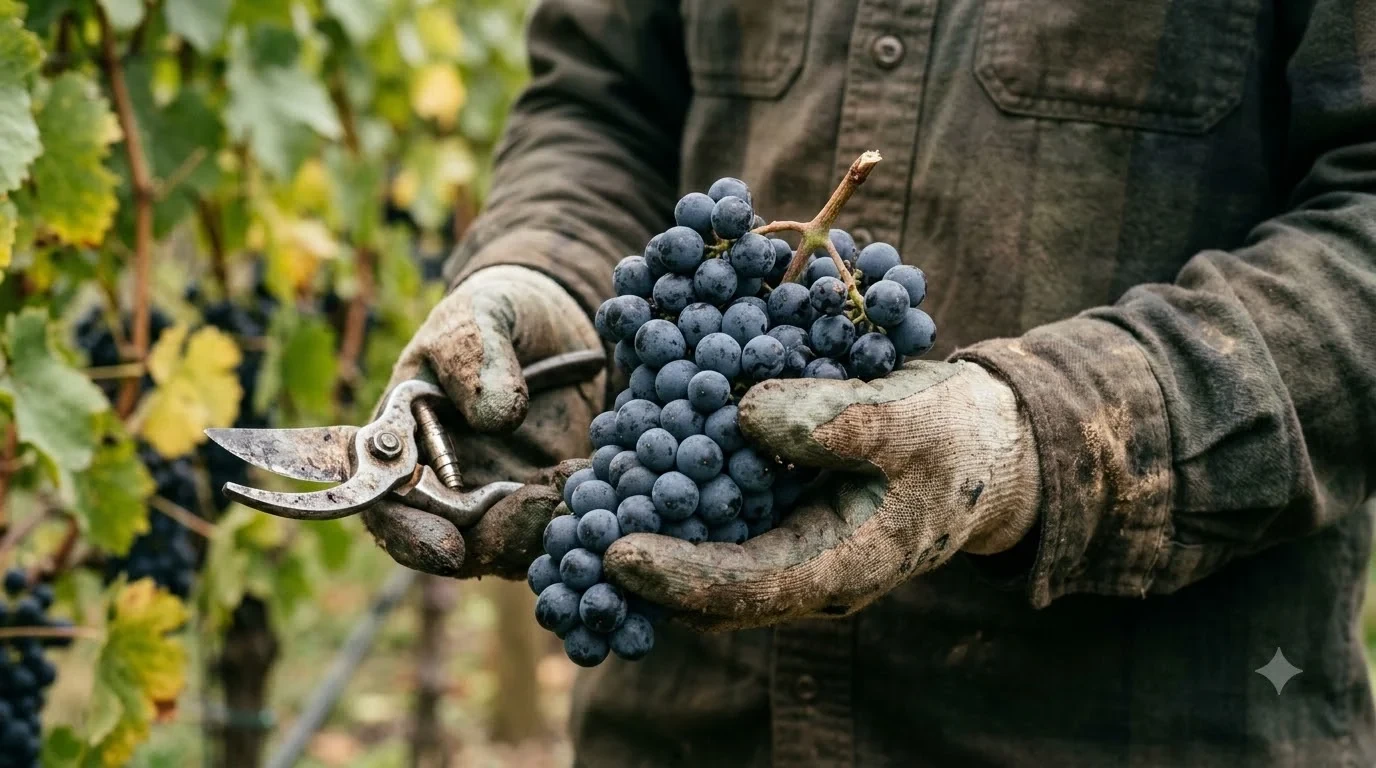
The soave grape is not a single grape variety: Soave is a white-wine appellation from Veneto, Italy, built mainly around Garganega. Most bottles are dry, medium-bodied whites with citrus, orchard-fruit, floral, and almond notes. Knowing the role of Garganega, the meaning of Soave Classico, and the area’s varied soils makes it easier to choose a bottle that suits your taste and your meal.
Soave is often treated as a simple, crisp Italian white, but the name covers a wider range of styles than that reputation suggests. A fresh, early-drinking Soave DOC can be light and direct, while a hillside Soave Classico or a carefully aged Garganega can show greater texture, detail, and staying power. The grape is the starting point; the vineyard site, blend, harvest choices, and cellar method complete the picture.
What the Soave Name Means on a Wine Label
Soave names a protected wine region in the eastern hills of Verona, in Italy’s Veneto, rather than a standalone grape variety. It received DOC protection in 1968, and its original Classico zone is centered on the municipalities of Soave and Monteforte d’Alpone.
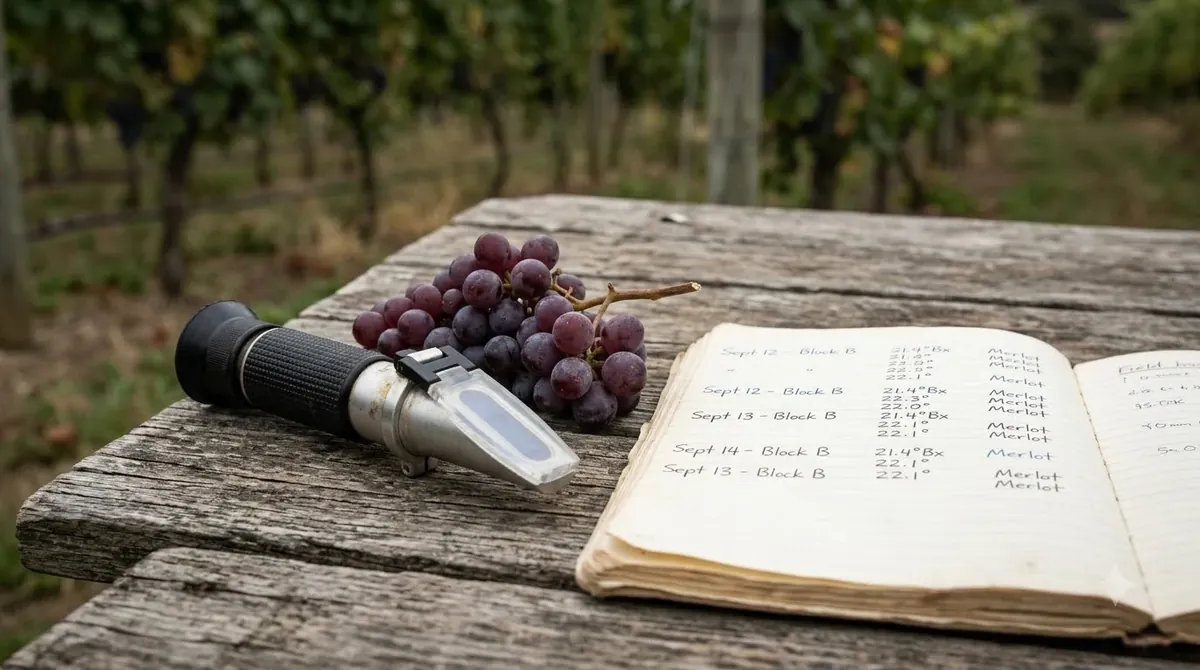
The distinction matters because a bottle labeled Soave can come from a broad area, including flatter sites, while Soave Classico must come from grapes harvested and vinified in the original hillside zone. Classico wines often have more depth and structure, although producer decisions and vintage conditions still matter.
The wider zone includes several municipalities around eastern Verona and valleys such as Alpone, Tramigna, Illasi, and Mezzane. Decanter’s regional overview describes nearly 6,500 hectares of vineyards in the production zone, about 1,400 of them in Classico. With contrasting exposures, elevations, and soils, Soave can range from a straightforward weekday white to a concentrated wine for dinner.
Garganega: The Core of the Blend
Garganega is the defining variety in Soave, and appellation rules require at least 70% in Soave DOC and DOCG wines. The Soave Consortium says it has grown in the local hills for at least a millennium and that most Soave wines are made entirely from Garganega. Where a blend is used, the remaining share can adjust freshness, aroma, and texture.
Garganega is usually more restrained than intensely aromatic whites such as Gewürztraminer or Muscat. Expect lemon, pear, apple, peach, melon, white flowers, and an almond-like note on the finish. Cooler or earlier-picked fruit can lean toward citrus and green apple; riper fruit may bring peach, apricot, and a rounder impression.
Garganega can produce generous crops, so controlling yields matters when a grower wants concentration. Its large, loosely packed bunches turn golden to amber as they ripen and are suitable for drying before pressing, the traditional route to sweet Recioto di Soave. Dry wines depend instead on balancing ripeness, acidity, and extraction.
Soave blends may include Trebbiano di Soave, an earlier-ripening local white valued for malic acidity and delicate floral notes. Standard Soave DOC may also include Chardonnay, while Superiore DOCG rules center the complementary share on Trebbiano di Soave. For readers comparing Italian whites with Spanish varieties such as Airén, Garganega is not a neutral base grape: it supplies Soave’s characteristic fruit, texture, and almond finish. The Consortium outlines the permitted grapes in its overview of Soave’s varieties.
Volcanic, Limestone, and Alluvial Soils Shape the Style
Soave is not one uniform volcanic landscape: hillside vineyards include basalt and tuffaceous soils, while lower or outlying sites may have limestone, clay, or alluvial deposits. These contrasts help explain why wines from the same grape can differ in texture, weight, and aroma.
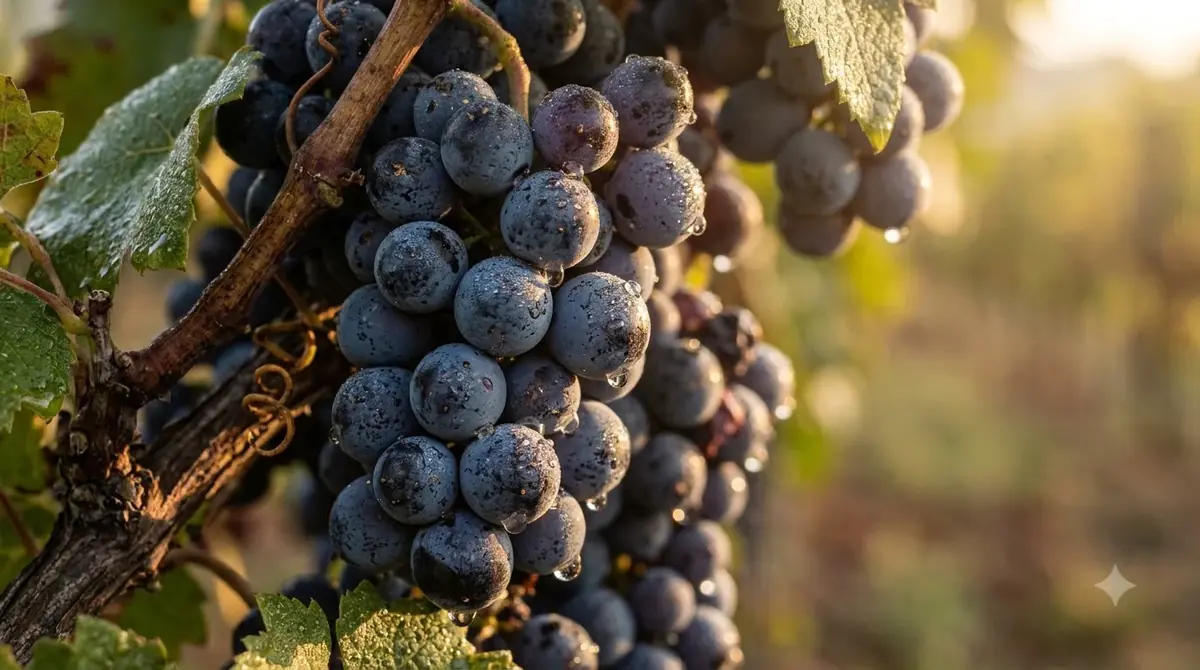
On selected slopes in Soave and Soave Classico, dark basaltic and tuff-rich ground is associated with precise, firm, savory wines. Wine Enthusiast describes these hillside examples as particularly vibrant and fine in their expression of Garganega and Trebbiano di Soave. Citrus peel, herbs, crushed stone, and saline impressions may appear in the glass; these are tasting descriptors, not literal soil minerals transferred to wine.
Limestone and chalky clay can accompany orchard and stone fruit, white flowers, or a rounder texture; alluvial plains tend to support the lighter profile of basic Soave DOC. Decanter notes that Classico slopes include volcanic, limestone, alluvial, and clay soils. Vineyard selection, vine age, exposure, crop level, and harvest date also matter, so soil alone cannot predict quality.
When comparing bottles, start with the designation and producer, then look for vineyard information. A hillside Classico from Monteforte d’Alpone may have a firmer frame than a broad-area Soave DOC, but this is a tendency, not a guarantee. A side-by-side comparison from one producer can show whether the difference lies in acidity, ripeness, texture, or finish.
Soave DOC, Classico, Superiore, and Recioto
The label’s legal designation sets expectations about origin, grape composition, yields, and release timing. Soave DOC is the broadest familiar category, Soave Classico identifies the original hillside area, Soave Superiore carries DOCG status and stricter production requirements, and Recioto di Soave is a sweet wine made from dried grapes. These categories are related, but they are not interchangeable names for a single flavor style.
According to the Soave Consortium, standard Soave DOC requires at least 70% Garganega and permits up to 30% Trebbiano di Soave or Chardonnay, with a limited allowance for other local non-aromatic whites. Classico shares the core grape rule but comes from Soave and Monteforte d’Alpone. Minimum alcohol levels and maximum yields differ by category.
| Designation | Grape rule | Key production figures | Typical style |
|---|---|---|---|
| Soave DOC | At least 70% Garganega; up to 30% permitted partners | 10.5% minimum alcohol; up to 15 metric tons per hectare | Light, fresh, generally early-drinking |
| Soave Classico DOC | At least 70% Garganega; up to 30% permitted partners | 11% minimum alcohol; up to 14 metric tons per hectare | Hillside structure; often able to age 5–7 years |
| Soave Superiore DOCG | At least 70% Garganega; Trebbiano di Soave is the main permitted partner | 10 metric tons per hectare; 12% minimum alcohol | More concentration and intensity |
| Soave Superiore Riserva DOCG | Same DOCG blend framework | 12.5% minimum alcohol; later release than Superiore | More developed, fuller expression |
| Recioto di Soave DOCG | At least 70% Garganega; up to 30% permitted partners | At least 14% alcohol; maximum grape-to-wine yield 40% for still wine | Sweet, concentrated, made from dried grapes |
These are legal production parameters, not tasting scores. The Consortium sets Soave DOC at a maximum of 15 metric tons per hectare and a 10.5% minimum alcohol level; Classico moves to 14 metric tons and 11%, while Superiore DOCG reduces the yield to 10 metric tons and requires at least 12% alcohol. Superiore Riserva has a 12.5% minimum. Classico may be bottled from February after harvest; DOCG wines have later release requirements.
Recioto takes Garganega in another direction. Growers dry the ripe bunches for several months before pressing, concentrating sugar and flavor. The resulting sweet, often golden wine can show dried apricot, honey, candied citrus, and almond. Still Recioto has a maximum grape-to-wine yield of 40%, while the sparkling version allows 42%; it is not simply a dry Soave with a shortened fermentation.
Tip: For a first bottle, choose a dry Soave DOC for freshness or a Soave Classico for more hillside character. Select Recioto di Soave when you specifically want a sweet dessert wine, not a dry aperitif.
Flavor, Acidity, Alcohol, and Winemaking Choices
Most Soave is dry, medium-bodied, and refreshing rather than sharply acidic like Sauvignon Blanc or Riesling. Garganega is delicate but not flavorless: pear, citrus, peach, melon, and white blossoms can sit alongside a gently bitter almond finish. Herbal, savory, or stony notes may also appear.
For a clean, direct style, producers often ferment in stainless steel at controlled temperatures, preserving primary fruit for food-friendly wines. Contact with fine lees can add a smoother, slightly creamy texture without obvious oak flavor; larger or older wooden vessels may add breadth and spice. Oak is a producer choice, not a defining feature, and strong new-oak aromas can obscure Garganega’s citrus, flowers, and almond. Brief skin contact may add texture, while gentle pressing keeps the wine lighter.
Alcohol depends on designation, ripeness, and vintage. Soave DOC begins at a 10.5% minimum, Classico at 11%, and Superiore at 12%; individual wines may be higher. Lighter examples work as aperitifs, while richer selections can accompany roast poultry, grilled fish, or creamier sauces. The denomination does not guarantee identical weight or acidity in every bottle. Soave Classico can age beyond its everyday reputation: the Consortium gives it an average aging potential of about 5–7 years, with citrus sometimes shifting toward baked apple, dried peel, honey, and nuttier tones.
Most entry-level Soave is best enjoyed young, while its crisp fruit and floral lift remain prominent. Compare a producer’s basic bottling with a single-vineyard selection to see how vineyard and cellar choices shape the same grape.
Food Pairings, Serving Temperature, and Storage
Soave’s dry profile, moderate body, and fresh acidity suit seafood, vegetables, poultry, and lighter pasta dishes. Its gentler structure can be overwhelmed by intense chili heat, heavy smoke, or strongly tannic dishes. Favor food that echoes the wine’s citrus and herbal notes.
Pour Soave with grilled sole, shrimp, scallops, steamed mussels, or simply prepared white fish. Lemon, parsley, fennel, and olive oil reinforce its citrus and savory character. It also works with risotto primavera, asparagus, zucchini, peas, and pasta with clams. For richer dishes, try roast chicken, pork tenderloin, or herb-baked fish; a fuller Classico can handle creamier sauces better than a light DOC. Fresh goat cheese, ricotta, mozzarella, and young Asiago are also suitable; salt and fat soften sharper edges, but very aged hard cheeses may dominate a light Soave.
Sweet Recioto is different: pair it with a dessert at least as sweet, such as almond cake or fruit tart, or serve it with blue cheese. Dry Soave can taste lean beside a very sweet dessert. Serve most dry Soave at about 45–50°F. Too cold can mute pear, flower, and almond aromas; too warm can make alcohol more noticeable and the finish less refreshing. Let a tightly closed wine warm a few degrees in the glass.
Use a white-wine glass and pour about 5 ounces; a 750-milliliter bottle yields roughly five glasses. Store unopened bottles on their side near 55°F, away from light and temperature swings. After opening, recork and refrigerate; finish still Soave within 3–5 days. For more context on grape names, regional names, and styles, see our guide to wine by type. Soave is also a useful contrast with aromatic red varieties such as Brachetto, a grape known for a very different color, aroma, and often sweeter sparkling style.
Frequently Asked Questions
These quick answers cover common points that can be confusing when comparing Soave labels, grape blends, and regional styles. The most useful starting details are the 70% Garganega minimum, the Classico hillside origin, and the distinction between dry Soave and sweet Recioto.
Is Garganega the same grape as Grecanico?
Garganega is genetically identical to the Sicilian variety commonly called Grecanico, according to Decanter. The names reflect regional usage rather than two unrelated grapes. In Soave, the name Garganega is the one used in the appellation rules and on wine labels.
What are Soave’s additional geographical units?
The denomination recognizes 33 Unità Geografiche Aggiuntive, or UGAs, including 28 within the Classico zone. These names identify more specific vineyard areas and give labels a finer geographic signal than the broad Classico designation.
Can Garganega make a sparkling wine?
Yes. The Soave DOC rules permit a sparkling version, and the regional production framework also includes sparkling Recioto di Soave DOCG. These are separate styles with their own production requirements, so a sparkling Soave should not be assumed to taste like the familiar still dry version.
Is Garganega grown outside Soave?
Yes. Garganega is also the principal variety in Gambellara, another wine area in Veneto. Vineyard conditions and appellation rules differ, so a Garganega wine from Gambellara should not automatically be expected to taste like Soave.
When is Garganega usually harvested in Soave?
Decanter reports mid-October as a normal harvest period for Garganega in Soave. Trebbiano di Soave generally ripens earlier, so the two permitted varieties can enter the winery at different times.
Soave rewards looking beyond the broad regional name: check whether the bottle is DOC, Classico, Superiore, or Recioto, then consider its producer and vineyard origin. For a crisp everyday white, choose a fresh Soave DOC; for more depth, explore Classico or a focused Garganega bottling, and reserve Recioto for sweet pairings.
More in Wine Types & Grapes
 Zinfandel Sugar Content: Dry Red vs. White Zinfandel GramsUpdated Nov 21, 2026
 Best Zinfandel Substitute Options for Sipping and CookingUpdated Nov 21, 2026
 Zweigelt Food Pairing: Best Dishes, Cheeses, and Serving TipsUpdated Nov 21, 2026
 Zinfandel Tannins Explained: How Structure Shapes Every BottleUpdated Nov 21, 2026
 Zinfandel Sweetness Level: Dry Red vs. Sweet White Zin ExplainedUpdated Nov 21, 2026
 Xinomavro Food Pairing: Best Dishes, Styles, and Serving TipsUpdated Nov 21, 2026