

We may earn a commission when you buy through links on this page, at no extra cost to you. Learn more.
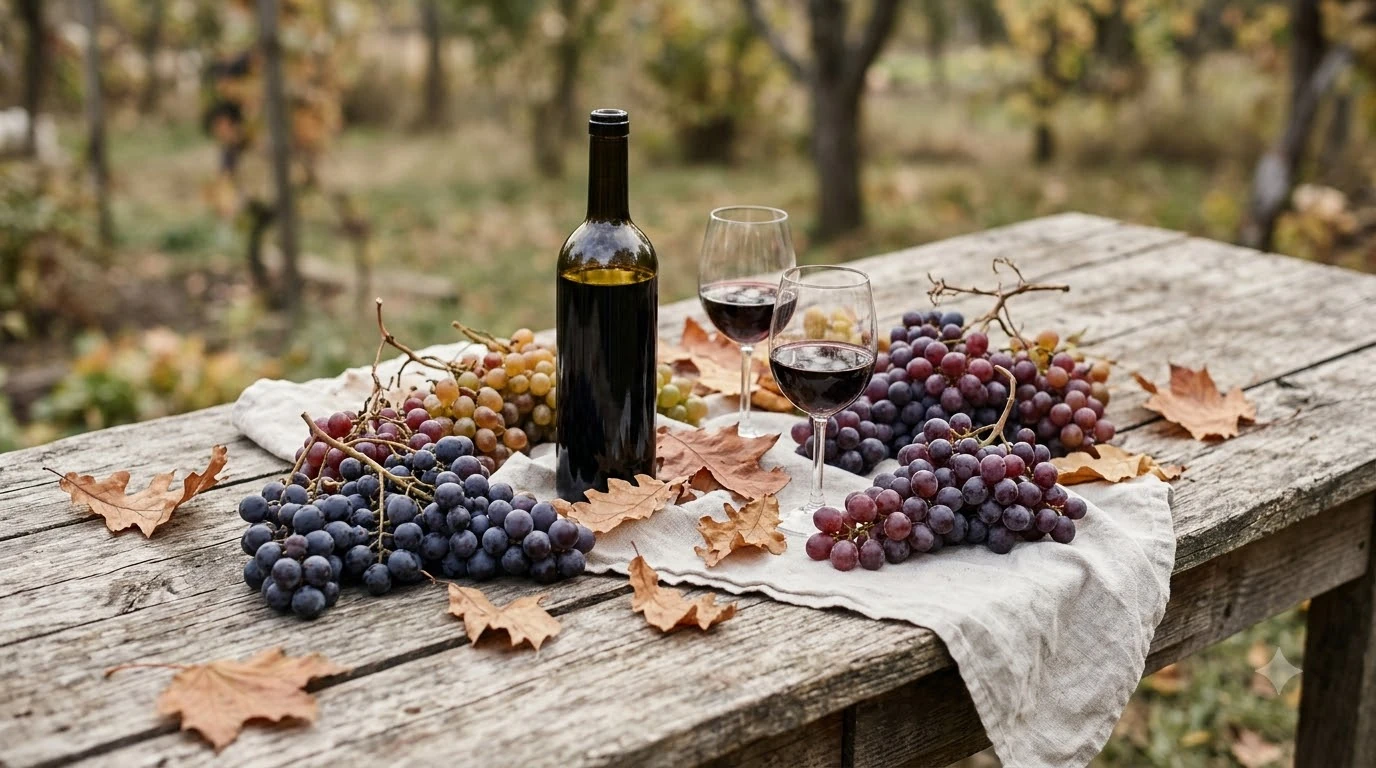
The trincadeira grape is a Portuguese red wine grape best known for producing spicy, aromatic wines with dark-plum and berry flavors, fresh acidity, and medium tannins. It is especially associated with the Alentejo, where warm, dry conditions help the thin-skinned fruit ripen without rotting. Often blended with Aragonez, it contributes perfume, freshness, and savory character to reds that can feel both generous and lively.
Trincadeira rewards a little attention because its name, growing conditions, and role in a blend all matter. Understanding those details makes it easier to recognize the grape on a Portuguese label, choose a style that suits your palate, and serve it with food that complements its fruit and peppery edge.
What the Trincadeira Grape Is Known For
Trincadeira is a dark-skinned red grape from Portugal, with its strongest identity in the Alentejo and the name Tinta Amarela used for the same variety in the Douro. Expect a fragrant red with plum, raspberry, blackberry, herbs, and pepper, supported by fresh acidity and generally medium tannins.
The variety has a long Portuguese history. Vine to Wine Circle records a reference by Vincencio Alarte in 1711 and later descriptions from the Beiras in 1790 and from a broader area stretching from the Douro through Ribatejo to Alentejo in 1875. Those historical references help explain why regional names and local forms have accumulated around the grape.
Trincadeira is also called Trincadeira Preta in some contexts. The similar names Trincadeira-Branca and Trincadeira-das-Pratas refer to distinct varieties, not alternate spellings for this red grape, so they should not be treated as synonyms. For a quick orientation to how grape varieties shape different wine styles, browse our Wine by Type overview.
Although Trincadeira can be bottled on its own, it is more commonly encountered in a blend. That makes the grape an especially useful discovery for people who enjoy learning how individual varieties contribute one part of a wine’s aroma, structure, or finish rather than expecting every bottle to be a single-grape expression. It is also a good reminder that the country’s wine identity is built from many local varieties, regional synonyms, and long-standing blend traditions. A label that names only a region may still contain several grapes, each selected for a different role in the finished wine.
Where Trincadeira Grows in Portugal
Alentejo is the variety’s best-known home, while the Douro, Dão, and Tejo also have plantings or regional examples. Within the Douro, the hot, dry Douro Superior is a more reliable setting than the cooler, wetter Baixo Corgo.
The Alentejo’s warm, sunlit landscape suits Trincadeira’s need for a dry finish to the growing season. The grape is used in classic Alentejo red blends, where it supplies spice and freshness alongside Aragonez, a local name for Tempranillo. Alicante Bouschet may be included to deepen color, giving the finished wine a broader frame without removing Trincadeira’s aromatic contribution.
In the Douro, the name on a label or technical note may be Tinta Amarela. There it often appears in old, mixed vineyards and contributes fragrance and spice to multi-grape wines, including some Port blends. Its presence can be less obvious to a shopper who knows the Alentejo name but not the Douro synonym. The Portugal Collection’s regional profile of Trincadeira notes that the grape is found in old mixed vineyards in the Douro, where it contributes perfume and spice rather than acting as the sole focus. This is a useful distinction for anyone comparing bottles from different Portuguese appellations: the same variety can play a supporting role in one region and be more visible in another.
Trincadeira also appears in Dão wines and in the wider Tejo region. These regional differences matter: a grape grown in a warmer, drier site may show riper dark fruit, while cooler conditions or an earlier pick can preserve a brighter, more herbal profile. Producer choices and vintage weather add another layer, so the variety name is a guide to likely character rather than a promise that every bottle tastes identical.
Vineyard Conditions and Harvest Challenges
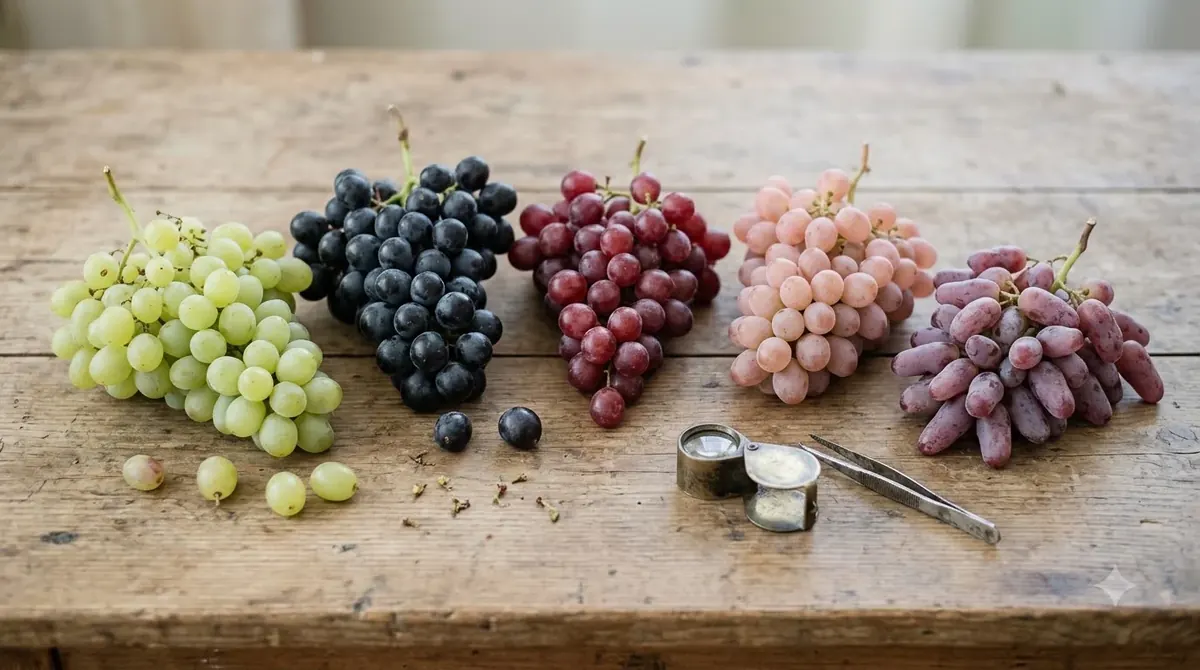
Trincadeira can produce generous crops, but its compact bunches and very thin skins make it sensitive to rain and bunch rot near harvest. It generally performs best in warm, sunny sites with dry, well-drained soils, where growers can pick at the right moment rather than race against late-season moisture.
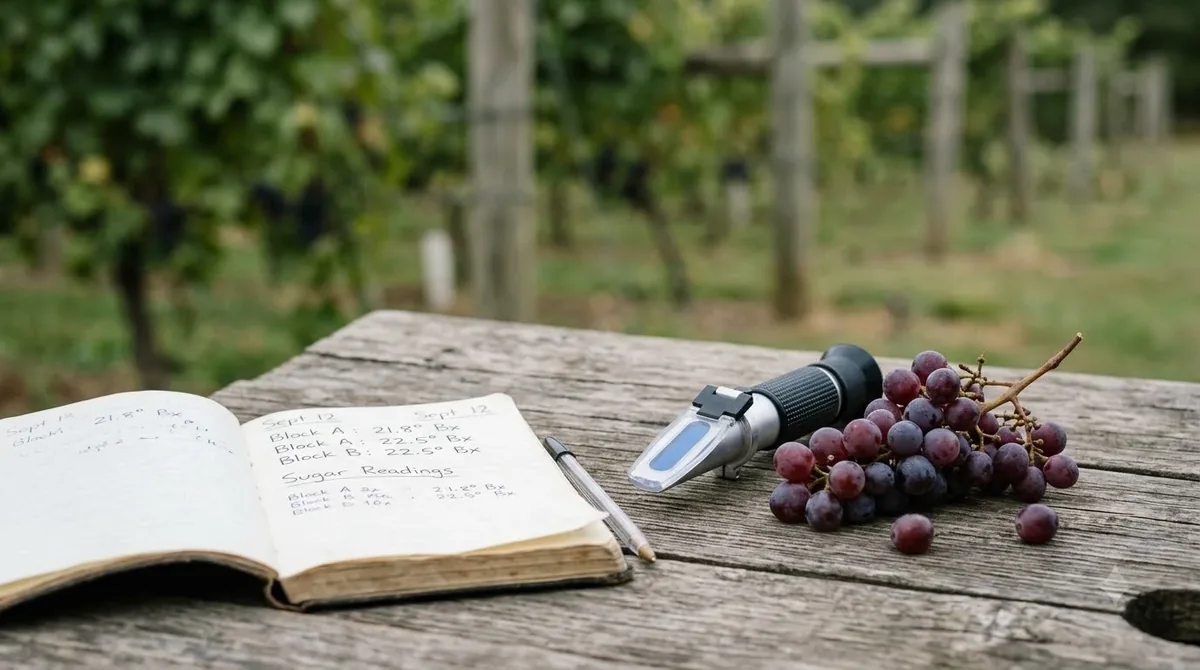
Vine to Wine Circle describes medium-to-large bunches, weighing about 210 to 300 grams, and small-to-medium berries of roughly 1.2 to 2 grams. The same technical record notes high yield potential, susceptibility to Botrytis bunch rot, and a preference for light or sandy soils that are dry or well drained. The practical issue is not simply heat: excessive heat can dry berries, while rain around harvest can encourage rot.
| Vineyard or grape measure | Reported figure | How to interpret it |
|---|---|---|
| Bunch weight | 210–300 g | Medium-to-large, dense bunches that need careful disease management. |
| Berry weight | 1.2–2 g | Small-to-medium berries with fragile, thin skins. |
| Potential alcohol | 12.5–14% ABV | Reported at a low yield of 8 tonnes per hectare; this is a grape potential figure, not a guarantee for every bottle. |
| Natural must acidity | 4.5–5.5 g/L | A medium-acidity range expressed as tartaric acid. |
| Harvest ripeness | 15 days before Castelão | The technical profile records an earlier harvest-ripeness point than that comparison variety. |
Harvest timing is central to the style. Picked too early, the grapes can give green, hard-edged herbal notes; left too long, the fruit can become jammy and lose definition. A well-judged pick aims for ripe fruit while retaining the variety’s natural freshness, which is why growers watch both berry flavor and the condition of the bunches as harvest approaches. The grower is balancing two risks at once: waiting for full flavor can expose a thin-skinned bunch to autumn rain, but picking too soon can leave green flavors that no cellar technique can fully erase. Good drainage, restrained crop levels, and regular canopy work all help the fruit reach a useful window of maturity.
Tip: When comparing Trincadeira bottles, look for clues about region and harvest style. A warm Alentejo red may lean toward ripe plum and darker spice, while a fresher example can emphasize raspberry, herbs, and brighter acidity.
Flavor, Acidity, Tannin, and Texture
Trincadeira usually combines ripe red and dark fruit with a savory layer of herbs and pepper. Wine Enthusiast’s overview of Portuguese grape varieties describes dark plum, bright raspberry, herbs, coffee, chocolate, and black pepper, while also emphasizing that fully ripe fruit can retain vibrant acidity.
In the glass, plum and blackberry often provide the deeper fruit notes, with raspberry or redcurrant adding lift. Pepper, clove, and dried or fresh herbs can make the aroma feel savory rather than sweet. Some wines show floral details; oak-influenced examples may bring a more pronounced coffee, cocoa, or toasted-spice impression, though oak is a winemaking choice rather than an automatic feature of the grape.
Its structure is a useful point of distinction. Trincadeira can have enough concentration to stand up to hearty food, but its tannins are generally described as medium rather than aggressively firm. Acidity helps keep the palate lively, so the wine can feel fresher than its ripe fruit aromas might suggest. The balance is not fixed: yields, ripeness, extraction, and maturation can make one bottling lighter and more direct and another broader and more layered.
Wine Enthusiast compares Trincadeira with Cabernet Sauvignon, a useful reference for its aromatic intensity and ability to make structured red wine. The comparison should not imply identical tannin or flavor: Cabernet Sauvignon is typically high in tannin, while Trincadeira is more often medium in tannin, with a distinctive herbal-pepper profile. Drinkers who enjoy dark-fruited reds may also want to explore Dornfelder grape, while noting that the grapes come from different European traditions and can deliver different balances of fruit and structure.
Blending, Winemaking, and Aging
Trincadeira is valued as a blending grape because it can add aromatic lift and freshness to fuller-fruited partners. In Alentejo, a familiar combination pairs it with Aragonez, while Alicante Bouschet can contribute deeper color and additional concentration.
Each grape has a job in that blend. Aragonez often provides ripe fruit and a supple center, while Trincadeira gives the wine peppery fragrance and a lively edge. Alicante Bouschet is used when the winemaker wants more color and weight. The proportions vary by producer, vineyard, and vintage, so a blend containing Trincadeira can range from easygoing and fruit-led to dense and age-worthy.
Traditional Alentejo winemaking also includes fermentation in talhas, large clay vessels associated with the region’s long history of making wine in earthenware. Some producers use Trincadeira as part of red talha blends, sometimes alongside Aragonez and Tinta Grossa or fruit from old mixed vineyards. This approach offers a different expression from a polished, oak-raised red, with the vessel and the blend contributing to the final texture and aromatic detail.
Trincadeira can also be made as a single-varietal wine, which makes its balance easier to recognize. Some versions are intended for earlier drinking, emphasizing fresh fruit and supple tannins; more concentrated wines from carefully managed yields may develop additional complexity with bottle age. A technical variety profile describes good aging potential for high-quality examples and notes that the grape can suit barrel aging, but that does not mean every bottle needs extended cellaring or heavy oak. Producers can also use stainless steel or concrete when they want the primary fruit and herbal detail to remain in the foreground. The right vessel depends on the ripeness of the fruit, the desired texture, and whether the wine is meant for early enjoyment or a longer period in bottle.
Food Pairings and Serving Temperature
Trincadeira is especially comfortable beside grilled or roasted meats, herbs, and dishes with savory depth. Its fruit and acidity can cut through rich textures, while its peppery character echoes seasonings such as rosemary, thyme, black pepper, and bay leaf.
For a classic match, serve it with roast leg of lamb seasoned with rosemary and thyme, grilled Portuguese-style pork, or duck with mushrooms. Beef stew, game, and pork dishes with browned edges are also strong choices. The wine’s medium tannins respond well to the salt and fat in these foods, which soften the sensation of tannin and make the pairing feel less drying.
For lighter Trincadeira, try roast chicken, charcuterie, pâté, or a savory mushroom dish. A fresher, less extracted style can also work with roasted eggplant, savory lentils, or stuffed peppers. Avoid pairing tannic red wine with oily fish: the combination can create an unpleasant metallic impression. Strong chili heat is another challenge because alcohol and tannin can amplify the burn. Choose gently seasoned food rather than a very hot pepper sauce. Serve a structured Trincadeira at about 60–65°F; a lighter, fresher bottling can be served a little cooler, around 55–60°F. If the wine is young and full-bodied, give it 30–60 minutes in a decanter to let the aromas open. Pour about 5 ounces per glass, which means a standard 750-milliliter bottle provides roughly five servings. If you do not finish the bottle, reseal it and refrigerate it; most still wines are best used within 3–5 days after opening. Bring a chilled bottle back toward serving temperature gradually rather than warming it beside a stove or radiator, since sharp temperature swings can make the alcohol seem more obvious and mute the aromatic detail. Match the wine’s body to the dish rather than relying only on the grape name. A ripe, concentrated Alentejo blend can handle slow-cooked beef or lamb, while a lighter Tinta Amarela-led red may be better with roast poultry or a plate of cured meats. If the dish includes a sharp vinaigrette or acidic tomato sauce, make sure the wine has equal or higher acidity so it does not taste flat beside the food.
Frequently Asked Questions
Most Trincadeira questions come down to names, growing conditions, and the range of styles the grape can make. The answers below add a few details beyond its familiar Alentejo, Douro, and Tejo expressions.
Does Trincadeira have other regional names?
Yes. Vine to Wine Circle records local names such as Mortágua in Torres Vedras, Preto Martinho in Arruda, Murteira in Setúbal, Castiço in Aveiras, and Crato Preto in the Algarve. These historical names vary by district and are less familiar to international wine buyers than Tinta Amarela.
Is Trincadeira grown outside Portugal?
Yes, although it is strongly associated with Portugal. Vine to Wine Circle records a small Australian presence of about 30 hectares, far less than its historical footprint in Portuguese growing regions.
Can Trincadeira be used to make palhete?
Yes. Trincadeira appears in palhete bottlings, a traditional Portuguese wine category that can include both red and white grapes in the same blend. Portuguese labeling rules allow white grapes to make up no more than 15% of the total when red and white grapes are fermented together. The exact mix depends on the producer and vineyard source.
Is there a recommended training system for Trincadeira vines?
Vine to Wine Circle identifies the Cordon Royal system as a recommended option and describes controlling the crop through canopy and foliage management. The goal is to prevent excessive yields and help the fruit ripen evenly.
Can Trincadeira produce a dessert wine?
It can. The technical variety record lists both quality wine and dessert wine among its possible wine types, even though dry red blends are the style most shoppers are likely to encounter.
Trincadeira is worth seeking out if you like reds that combine ripe fruit with herbs, pepper, and refreshing acidity. Start with an Alentejo bottling to understand its classic profile, then compare a Douro wine labeled Tinta Amarela to see how regional conditions and blending choices change the expression.
More in Wine Types & Grapes
 Zinfandel Sugar Content: Dry Red vs. White Zinfandel GramsUpdated Nov 21, 2026
 Best Zinfandel Substitute Options for Sipping and CookingUpdated Nov 21, 2026
 Zweigelt Food Pairing: Best Dishes, Cheeses, and Serving TipsUpdated Nov 21, 2026
 Zinfandel Tannins Explained: How Structure Shapes Every BottleUpdated Nov 21, 2026
 Zinfandel Sweetness Level: Dry Red vs. Sweet White Zin ExplainedUpdated Nov 21, 2026
 Xinomavro Food Pairing: Best Dishes, Styles, and Serving TipsUpdated Nov 21, 2026