
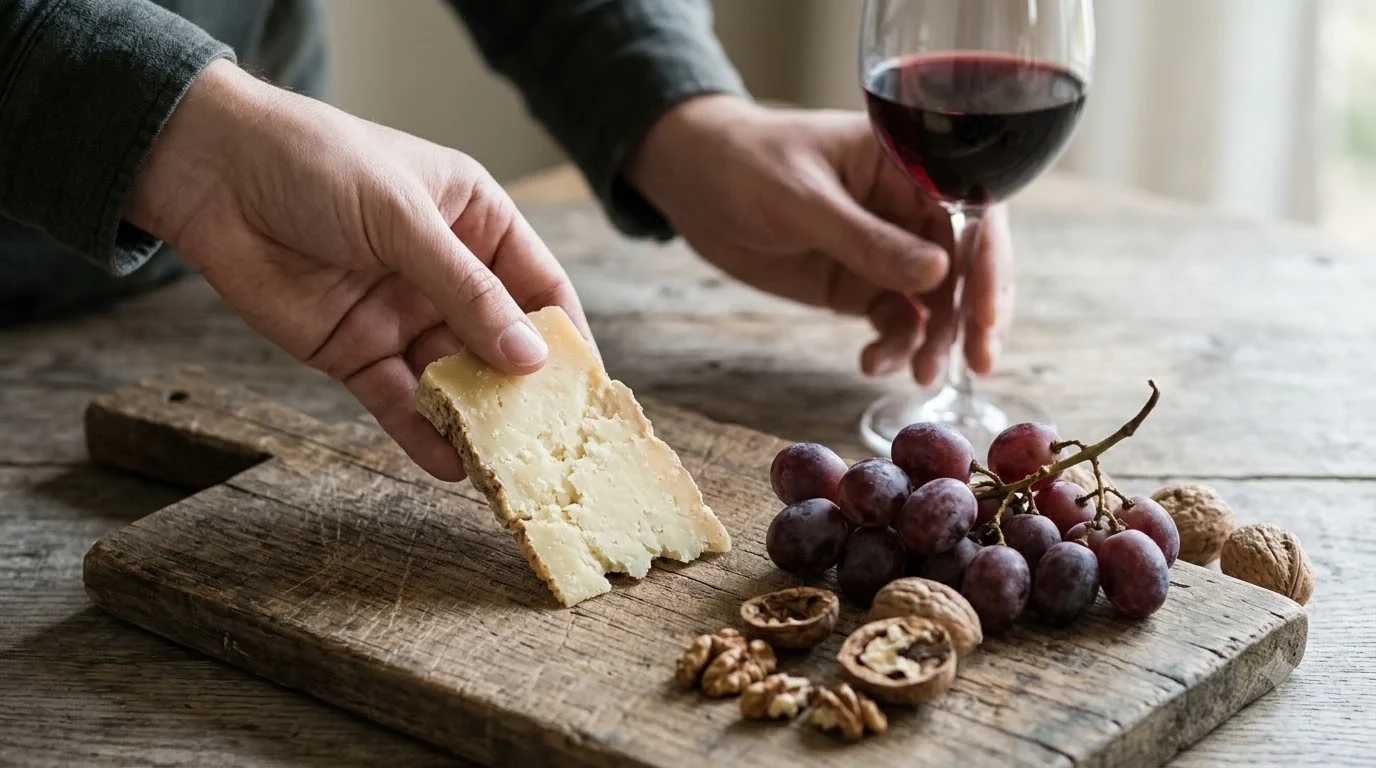

We may earn a commission when you buy through links on this page, at no extra cost to you. Learn more.
The answer to how to serve sauvignon blanc is to chill a crisp, unoaked bottle to 45–50°F, pour it into a stemmed white-wine glass, and use a 5-ounce serving. A fuller, oak-influenced Sauvignon Blanc can show more clearly at 50–55°F. The goal is to keep the wine refreshing while leaving enough warmth for its citrus, herbal, and tropical aromas to emerge.
Sauvignon Blanc is known for brisk acidity and expressive aromas, but it does not have just one house style. A lean Sancerre, a vivid Marlborough bottling, and a rounder Napa Valley or Bordeaux-style wine can all benefit from slightly different service. A few small adjustments to temperature, glassware, food, and storage make the differences easier to appreciate.
The Right Temperature for Serving Sauvignon Blanc
Temperature is the most important service decision for Sauvignon Blanc: serve lean, crisp examples at 45–50°F, and give fuller or oak-aged bottles a slightly warmer 50–55°F range. That chill keeps the wine lively, while the warmer end allows more layered aromas and texture to show.
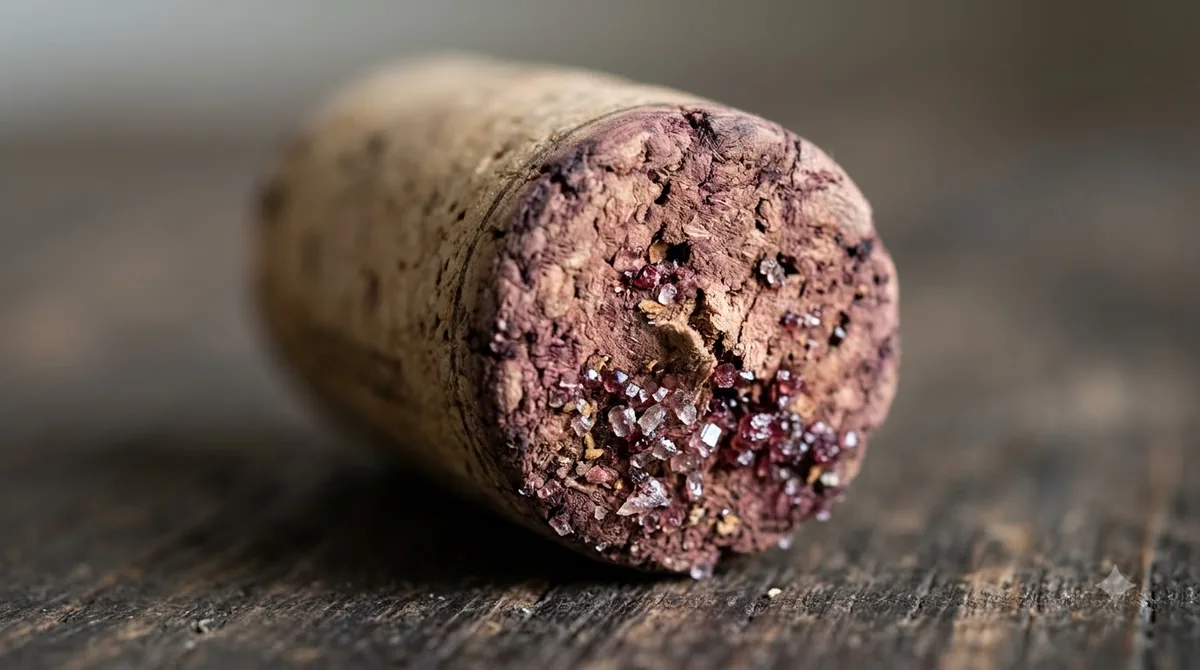
For a typical stainless-steel Sauvignon Blanc from Marlborough or the Loire Valley, start near 47–48°F. The wine should feel cool and refreshing, not icy. A bottle straight from the coldest part of the refrigerator can mute aromas, make acidity seem unusually sharp, and hide subtle fruit. Let it sit on the counter for a few minutes, then pour a small taste. If it seems closed or unusually tart, give it a little more time in the glass.
Riper Sauvignon Blanc from Napa Valley, or a barrel-fermented white Bordeaux with Sauvignon Blanc and Sémillon, is often broader and more textured. Serve these at approximately 50–55°F rather than at the coldest end of the range. A little warmth helps reveal ripe grapefruit, peach, vanilla, spice, and lees-derived texture. Wine Enthusiast’s Sauvignon Blanc guide recommends 50–55°F as a general target, while Decanter’s white-wine temperature guide places lighter aromatic whites at 44–50°F and fuller or oaked whites at 50–55°F. The distinction is largely one of style.
| Style | Serving temperature | Practical starting point |
|---|---|---|
| Lean, unoaked, high-acid Sauvignon Blanc | 45–50°F | About 90 minutes in the refrigerator, then taste |
| Riper, fuller, or oak-influenced Sauvignon Blanc | 50–55°F | About 60 minutes in the refrigerator, then allow a little warming |
| Wine that is already over-chilled | Let it rise toward its style range | Allow a few minutes and taste again |
These temperatures are targets rather than tests of precision. A few degrees either way will not ruin a bottle, and the wine will naturally warm as it sits in the glass. For an outdoor meal on a warm day, start at the cooler end of the appropriate range and keep the bottle in an ice bucket between pours. Indoors, a bottle that begins around 46–48°F will often reach a pleasant drinking temperature during the first part of dinner.
Chill the Bottle Without Losing Its Aromas
Plan the chill before guests arrive instead of relying on the freezer at the last minute. A standard refrigerator is dependable, while an ice-water bath cools the bottle more quickly and evenly than ice alone.
For a bottle at ordinary room temperature, allow roughly 90 minutes to two hours in the refrigerator for a crisp style. The exact time depends on the starting temperature, refrigerator setting, bottle shape, and how full the refrigerator is. If the wine is already cool, it may need only 20–30 minutes to reach the serving range. The aim is to bring the liquid itself to about 45–50°F, not to make the glass as cold as possible.
For a faster chill, place the bottle in a bucket with a mixture of ice and water for about 30–40 minutes. Water surrounds more of the bottle than loose ice cubes do, so it transfers cold efficiently to the glass. Make sure most of the bottle is submerged, then wipe it dry before opening. A freezer can help in a pinch, but set a timer: about 20 minutes is a common emergency measure, and leaving a bottle forgotten for much longer risks freezing the wine as the liquid expands.
Tip: Chill the bottle a little colder than your preferred drinking temperature when serving outdoors or over a long meal. The wine will warm in the glass, and the cooler bottle gives you a useful buffer without forcing you to add ice to the wine.
Select the Glass and Pour With Care
A medium-sized, stemmed white-wine glass with a gently rounded or U-shaped bowl is a dependable choice for Sauvignon Blanc. It gives citrus, green-herb, and floral aromas room to collect while keeping your hand away from the bowl, which helps maintain the wine’s temperature.
Choose a clean glass with no lingering detergent scent, dust, or lipstick. A narrow water tumbler will work if it is what you have, but a proper white-wine glass makes it easier to smell the wine before each sip. A bowl that narrows slightly toward the rim helps direct aromas toward the nose without making the wine feel trapped. You do not need a different glass for Sancerre, Marlborough, and Napa Sauvignon Blanc; one versatile white-wine glass is enough for all three.
Hold the glass by its stem rather than cupping the bowl, especially in a warm room. Pour around 5 ounces at a time, leaving space to swirl without spilling. A standard 750-milliliter bottle contains about 25.4 fluid ounces, so it provides approximately five 5-ounce servings, with a small amount left for tasting or topping up. Give the wine a gentle swirl and smell it before sipping; notes can include lemon, lime, grapefruit, gooseberry, passion fruit, cut grass, green pepper, or mineral tones. If the first sip seems tight, let the wine stand for a few minutes and revisit it as it warms.
Pair Sauvignon Blanc With the Food’s Acidity
Sauvignon Blanc’s high acidity makes it a natural partner for fresh seafood, goat cheese, green vegetables, and dishes finished with lemon or herbs. Choose food with a similar flavor intensity, and make sure a strongly acidic sauce is matched by a wine with enough acidity to stay lively.
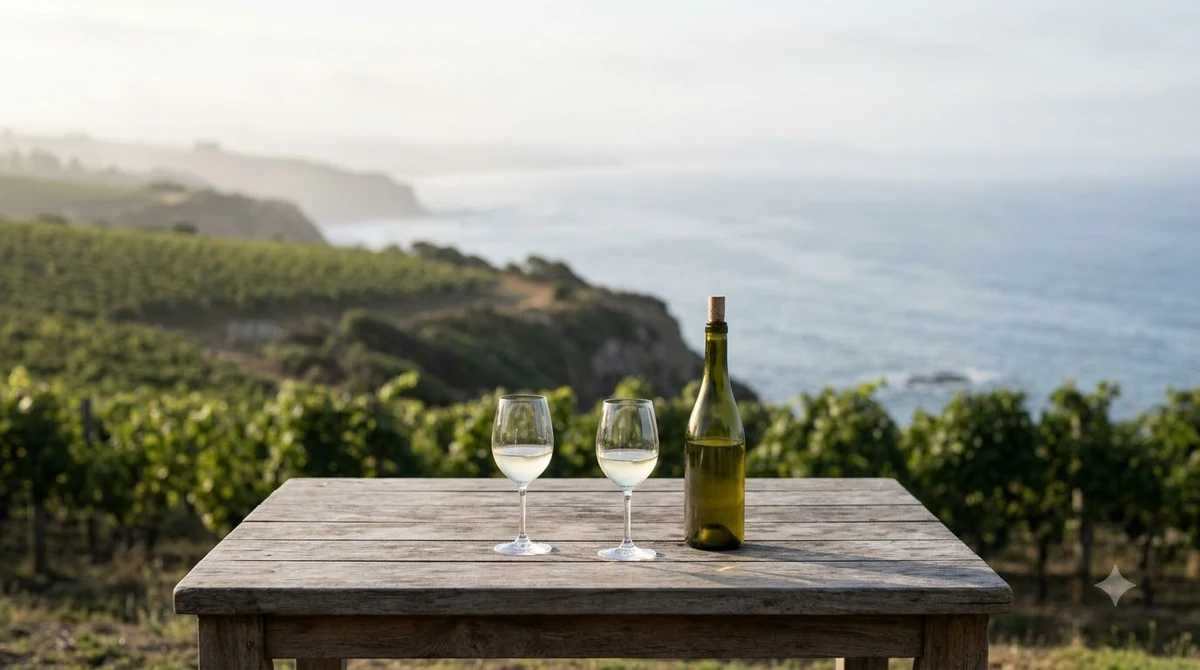
For a lean Loire Valley Sauvignon Blanc such as Sancerre, start with oysters, shrimp, scallops, trout, cod, or halibut. Fresh chèvre is another classic match: the cheese’s tang works with the wine’s citrus and mineral character. A squeeze of lemon over grilled fish can make the pairing especially direct, because the wine has enough acidity to stand up to the citrus rather than tasting flat beside it.
Herbaceous New Zealand Sauvignon Blanc pairs well with green vegetables and fresh herbs. Try grilled asparagus with parsley, green beans with mint, a basil-heavy salad, or peas and snap peas. The wine’s grassy notes echo the vegetables, while its acidity refreshes the palate between bites. For protein, choose grilled chicken with lemon, roast chicken with tarragon, or pork tenderloin with a fresh herb sauce. These dishes have enough flavor to meet the wine without overwhelming its lighter body.
Riper Napa or oak-influenced Sauvignon Blanc can handle grilled chicken, seared scallops with butter, or pork with a creamy mustard dressing. The added body gives the wine more presence beside a richer dish. Avoid letting a heavy, sweet glaze dominate a lean style, which can taste thin beside pronounced sweetness. Very spicy dishes also require care because chili heat can make alcohol feel stronger; keep the chili moderate and choose a fresh, lighter-bodied expression. Think about the sauce as much as the main ingredient: a vinaigrette needs a lively wine, while a cream sauce suits a broader style.
Match Serving to the Wine’s Style and Origin
The grape variety gives useful clues, but the region and winemaking choices help determine the best service. Cool-climate, stainless-steel wines are usually crisp and aromatic, while warmer-climate or oak-influenced versions can be fuller and more layered.
Marlborough in New Zealand is associated with vivid citrus, passion fruit, gooseberry, and green-herb aromas. These wines often have brisk acidity and a light-to-medium body, so start around 45–48°F and pair them with shellfish or herb-seasoned chicken. In France’s Loire Valley, Sancerre and Pouilly-Fumé are known for dry Sauvignon Blanc with green apple, lemon, grass, and mineral or flinty notes. Serve these relatively lean wines around 45–50°F with oysters, goat cheese, or simply prepared white fish; fruitier Touraine can also suit a green salad or casual aperitif.
Napa Valley Sauvignon Blanc is often riper and can be made with oak, while white Bordeaux may blend Sauvignon Blanc with Sémillon for added body and texture. These bottles are good candidates for 50–55°F, particularly when barrel fermentation or aging contributes vanilla, spice, or a creamy impression. A richer style can work with grilled chicken, scallops, or a light cream sauce. For more context on the bottle’s appearance, the guide to sauvignon blanc color explains why pale straw, green-tinged, and deeper golden hues can all occur in this family of wines.
Chile’s Casablanca Valley is another useful reference point. Coastal breezes and morning fog help moderate the climate, and the wines can combine tropical fruit such as passion fruit with herbaceous notes. Treat a fresh, unoaked version much like a Marlborough wine: chill it to about 45–50°F and serve it with seafood or bright vegetable dishes. For a broader look at grape varieties and styles, explore Wine by Type.
Keep the Bottle Fresh From Opening to Storage
Serve Sauvignon Blanc soon after opening, and return the bottle to the refrigerator between pours. Its fresh citrus and green aromas are part of the appeal, so limiting warm exposure and contact with air helps preserve the character you want in the glass.
Replace the cork or screw cap promptly when you finish pouring, then refrigerate the bottle upright. For the best aromatic freshness, aim to drink an opened Sauvignon Blanc within 2–4 days. Many still wines can remain enjoyable for about 3–5 days in the refrigerator, but delicate fruit and herbal notes often fade first. If the wine smells tired or bruised, its most expressive drinking window has likely passed.
For an unopened bottle, keep it away from direct sunlight, ovens, radiators, and large temperature swings. A cool, dark storage area near 55°F is a useful target for longer-term storage. If the bottle has a natural cork, lay it on its side so the cork stays in contact with the wine; screw-cap bottles can be stored upright. Many crisp, unoaked Sauvignon Blancs are made to be enjoyed relatively young, while selected oak-aged or structured examples can develop more complex notes with time. For bottle-specific guidance, read how long does sauvignon blanc last unopened. When planning dinner, open the wine shortly before serving, keep it cold between pours, and serve the leanest style before a broader, oak-influenced bottle.
Frequently Asked Questions
These quick answers cover a few less obvious service questions, from decanting and sweetness to sparkling styles and bottle age. The usual temperature range remains 45–50°F for lean wines and 50–55°F for fuller examples.
Does Sauvignon Blanc need to be decanted?
Most young, stainless-steel Sauvignon Blanc is ready to pour as soon as the bottle is opened; a swirl in the glass is usually enough. A more complex, barrel-aged white Bordeaux-style bottling may benefit from brief aeration in a carafe, but taste it first and avoid leaving it exposed to air for hours.
Is Sauvignon Blanc ever used in sweet wine?
Yes. Sauvignon Blanc is one of the grapes used in Sauternes, the sweet wine appellation in Bordeaux, where it is commonly blended with Sémillon and sometimes Muscadelle. The grapes are affected by noble rot, which concentrates sugars and contributes honeyed, dried-fruit flavors.
Can Sauvignon Blanc be made as a sparkling wine?
Yes, although most bottles sold as Sauvignon Blanc are dry, still wines. Some producers in Marlborough make sparkling versions, and the grape can also retain a touch of residual sugar in certain bottlings. Those examples should be served colder than a fuller still white, closer to 40–50°F.
What does Fumé Blanc mean on a wine label?
Fumé Blanc is a name used in the United States for Sauvignon Blanc. It is associated with a richer, sometimes oak-influenced style, although the name alone does not guarantee that a wine was aged in barrels. The producer’s notes and the wine’s weight are better clues to how it should be served.
Can Sauvignon Blanc develop with bottle age?
Some structured, oak-aged examples can gain honeyed, nutty, or more complex savory notes as they mature. That potential is different from the crisp, tank-fermented style made for early drinking, so not every bottle benefits from extended cellaring. Follow the producer’s suggested drinking window for age-worthy examples.
For most crisp Sauvignon Blanc, a target of 45–50°F, a stemmed white-wine glass, and a fresh seafood or herb-driven dish will deliver the classic experience. Raise the temperature to 50–55°F for fuller, oak-influenced bottles, and keep opened wine cold between pours. These simple adjustments let the wine’s acidity, fruit, and regional character come through clearly.
More in Wine Types & Grapes
 Zinfandel Sugar Content: Dry Red vs. White Zinfandel GramsUpdated Nov 21, 2026
 Best Zinfandel Substitute Options for Sipping and CookingUpdated Nov 21, 2026
 Zweigelt Food Pairing: Best Dishes, Cheeses, and Serving TipsUpdated Nov 21, 2026
 Zinfandel Tannins Explained: How Structure Shapes Every BottleUpdated Nov 21, 2026
 Zinfandel Sweetness Level: Dry Red vs. Sweet White Zin ExplainedUpdated Nov 21, 2026
 Xinomavro Food Pairing: Best Dishes, Styles, and Serving TipsUpdated Nov 21, 2026