

We may earn a commission when you buy through links on this page, at no extra cost to you. Learn more.
Willcox wine tasting gives visitors a chance to explore Arizona-grown wines in southeastern Arizona, with downtown tasting rooms and rural vineyard stops spread across the Willcox American Viticultural Area. The region is known for high-elevation vineyards, warm growing days, cool nights, and a broad mix of grapes rather than one signature variety. A good visit combines a few walkable pours in town with one carefully scheduled stop among the surrounding mountains.
Willcox sits in the Sulphur Springs Valley, roughly in the southeastern corner of Arizona, where vineyards share the landscape with working farms, open desert, and mountain ranges. The tasting experience is relaxed but not entirely spontaneous: some rooms keep regular public hours, while others open by appointment, and rural addresses can be separated by long stretches of road. Use this guide to understand the wines, choose stops that fit your day, and make time for the details that make this corner of Arizona distinctive.
Where Willcox Wine Country Begins
Willcox wine country centers on the Willcox American Viticultural Area (AVA), a federally recognized grape-growing region in southeastern Arizona. Established in September 2016, the AVA covers about 833 square miles in northern Cochise and southern Graham counties, along the northern part of the Sulphur Springs Valley, so the wider wine area is much larger than the town itself. The University of Arizona Cooperative Extension’s Willcox AVA profile maps the region’s climate, soil, and topography.
Elevation is one of the defining features. University of Arizona Cooperative Extension maps place most of the AVA between 4,000 and 4,750 feet above sea level. That height moderates the heat of the surrounding low desert, while the combination of sunny days and cooler nights gives growers a different growing environment from the valley floor. The region’s mountains also shape local weather: the Dragoon Mountains lie to the west, while the Chiricahua and Dos Cabezas ranges rise to the east.
Climate figures help explain the range of grapes grown here. Much of the AVA has a growing-season temperature of 66 to 70 degrees Fahrenheit, calculated across April 1 to October 31, while some warmer southwestern and isolated areas fall between 70 and 75 degrees. University of Arizona data also place much of the region’s Winkler Index between 2,222 and 2,700, a measure of accumulated heat during the growing season. Those averages do not describe every vineyard, but they show why the region can support both earlier-ripening and later-ripening varieties depending on site and season.
Soils vary across the AVA. Sand and gravel are widespread, while vineyards also sit on fine sandy loam, loam, sandy clay loam, and silt loam. Igneous parent material occurs in parts of the area, and limestone appears along sections of the boundary. Soil texture and drainage affect water availability and vine growth, so two wines made from the same grape can differ by vineyard site. The broader map of wine regions helps explain what an AVA does and does not tell you.
Grapes and Wine Styles to Look For
Willcox is not a one-grape destination; tasting rooms pour a varied mix of European varieties and blends suited to different vineyard sites. Look for both familiar grapes such as Syrah, Cabernet Sauvignon, and Chardonnay and less expected choices such as Vermentino, Picpoul Blanc, Tempranillo, and Petit Verdot.
Regional producers show that range clearly. Golden Rule Vineyards lists Zinfandel, Sangiovese, Cabernet Sauvignon, and Shiraz. Birds & Barrels grows 12 varieties, including Petit Verdot, Tempranillo, Chardonnay, and Riesling; 1764 Vineyards highlights Petit Verdot, Picpoul Blanc, and Vermentino. These are individual vineyard examples, not a promise that every tasting room will pour each grape.
For reds, compare Syrah or Shiraz with Cabernet Sauvignon, then try a blend. Cabernet usually brings firmer tannin and a fuller frame; Syrah can show dark fruit, pepper, and savory notes, with medium-plus to high tannin. Sangiovese often has lively acidity, while Tempranillo ranges from fresh and fruit-driven to more structured. Taste for body, acidity, oak influence, and finish rather than assuming every local red is bold.
For whites, Picpoul Blanc and Vermentino offer bright alternatives to Chardonnay, while Riesling brings an aromatic style to the comparison. Chardonnay generally has medium acidity; Riesling and Sauvignon Blanc are typically high in acidity. Tasting them side by side makes freshness and texture easier to identify. An Alsace wine tasting offers a Riesling comparison, though the climate and traditions differ.
Downtown Willcox Tasting Rooms
Downtown Willcox is the easiest place to begin because several tasting rooms are located along or close to Railroad Avenue and Haskell Avenue. You can sample different producers without making every stop a separate country drive, but opening days and hours vary by business.
The regional tasting-room directory lists Birds & Barrels at 100 North Railroad Avenue, Golden Rule Vineyards at 459 South Haskell Avenue, and Copper Horse Vineyard at 180 North Railroad Avenue inside the Willcox Commercial building. Aridus is at 145 North Railview Avenue. Together, these addresses form a compact starting cluster.
| Tasting room | Published public hours | Address |
|---|---|---|
| Birds & Barrels | Wednesday–Sunday, 12–6 p.m. | 100 N. Railroad Avenue |
| Golden Rule Vineyards | Thursday–Sunday, 11 a.m.–5 p.m. | 459 S. Haskell Avenue |
| Copper Horse Vineyard | Daily except Tuesday, 12–5 p.m. | 180 N. Railroad Avenue |
| Aridus Tasting Room | Hours vary; confirm before visiting | 145 N. Railview Avenue |
These are published listings, not a guarantee of holiday or event-day service. Confirm directly before setting out, especially for Aridus, whose directory entry does not give a standard public schedule. Birds & Barrels also has a separate vineyard room on East Arzberger Road, so make sure your itinerary uses the correct address.
For a first visit, choose two or three downtown rooms. Ask which wine best represents the producer’s vineyard fruit, whether a flight includes both white and red wine, and which bottle uses Willcox-grown grapes. A Bolgheri wine tasting offers a reference for Cabernet Sauvignon and Merlot, but keep Willcox’s own sites and vintage conditions in view.
Vineyard Visits Beyond the Main Street
Vineyard tasting rooms offer a different experience from downtown bars: more open space, mountain views, and a closer connection between the wine and the land. They also need more advance planning because some locations are appointment-only and the addresses are scattered around the countryside.
Birds & Barrels’ vineyard room is at 5000 East Arzberger Road. The regional directory lists Friday and Saturday hours from 11 a.m. to 5 p.m. and Sunday hours from 1 to 5 p.m., with Monday through Thursday by appointment. Its downtown room is at 100 North Railroad Avenue, so visitors can choose between a central tasting and a vineyard setting without changing producers. The winery says it grows 12 varieties and makes its wines on-site, which makes it a useful stop for anyone interested in how a producer’s own fruit shapes the final wine.
Farther toward Pearce and Sunsites, 1764 Vineyards has a tasting room at 357 West Treasure Road. Its directory listing gives Thursday through Saturday hours of 11 a.m. to 5 p.m. and Sunday hours of 11 a.m. to 3 p.m.; Monday through Wednesday visits are by appointment. The vineyard grows Petit Verdot, Picpoul Blanc, and Vermentino, and the site looks toward the landscape around Cochise Stronghold in the Dragoon Mountains. It is a natural choice for visitors who want to see a vineyard setting rather than stay entirely in the town center.
High Lonesome Vineyard, near McNeal and about 15 miles east of Tombstone according to the regional directory, lists public hours Thursday through Sunday from 11 a.m. to 4 p.m. Its outdoor tasting area looks toward the surrounding mountains, and its plantings include Lemberger and Picpoul Blanc as well as red varieties such as Malbec and Mourvèdre. Tirrito Farm on South Kansas Settlement Road is another option for a broader stop: the venue presents its own wines alongside neighboring producers and also has a restaurant, brewery, café, and accommodation options. A visit there can work for a group with mixed interests, though it is best to confirm which wine selections are available on the day.
How to Plan a Willcox Tasting Day
A well-paced Willcox itinerary usually starts downtown and adds one rural destination, rather than trying to cross the entire AVA in a single afternoon. The key is to group nearby addresses, confirm appointments, and allow enough time for country roads and conversations at each tasting room.
Check schedules for Birds & Barrels, Golden Rule, Copper Horse, and Aridus before choosing a day. Their calendars differ: Copper Horse is listed as closed Tuesdays, Golden Rule’s downtown room Thursday through Sunday, and Birds & Barrels Wednesday through Sunday. Build the route around confirmed openings, and book any appointment before planning lunch or a second stop.
For a vineyard-focused day, pick one rural stop: 1764 Vineyards, High Lonesome, or Birds & Barrels’ vineyard room. A producer’s downtown schedule may not apply to its vineyard address, and some locations pour only by appointment. Save each address and phone number, and call to confirm the format or report a delay.
Three stops usually create a varied flight without turning the day into a rushed checklist; add a fourth only if the locations are close and the schedule is confirmed. Plan a meal and water break, share or spit pours where appropriate, and arrange a sober driver before the first tasting. Rural roads and limited public transportation make driving plans essential. For outdoor tastings, bring water, sun protection, and a light layer, and leave a buffer for directions, parking, and conversation rather than arriving just before closing.
How to Taste, Serve, and Pair Local Wines
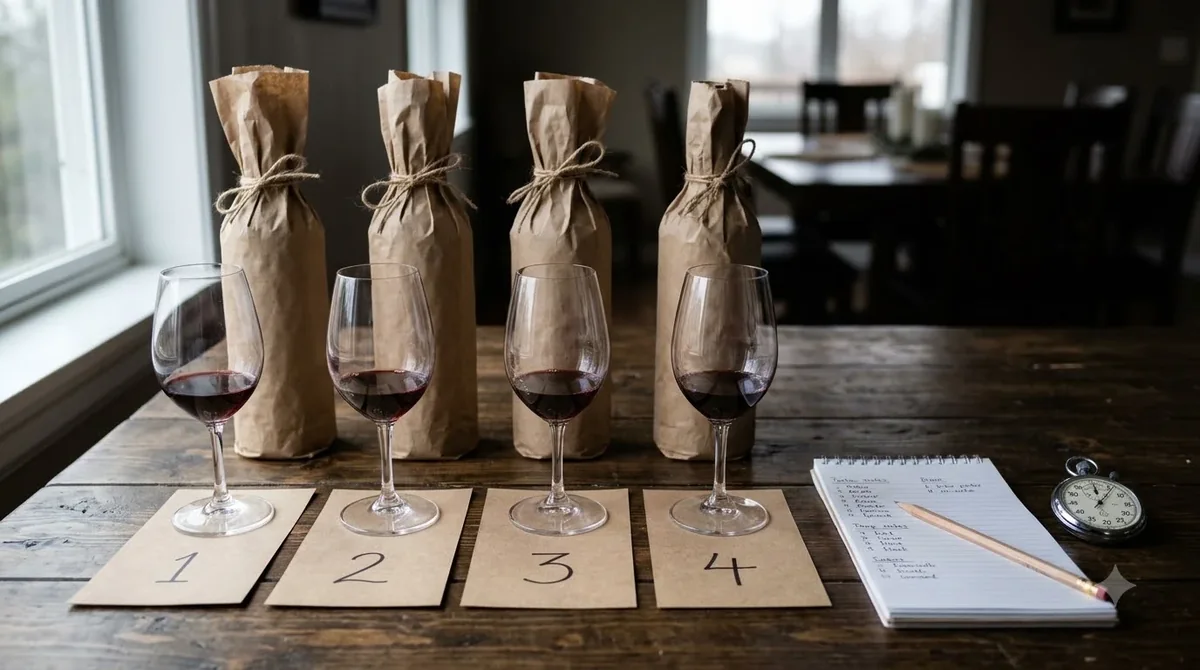
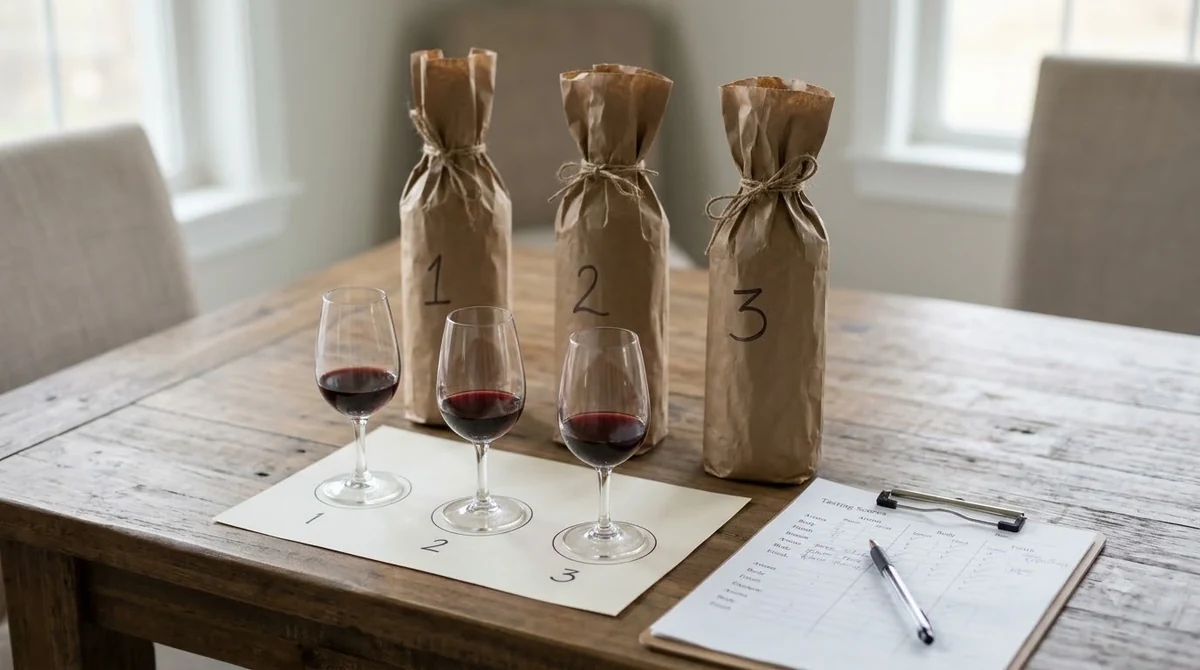
Approach a Willcox flight as a comparison, not simply a sequence of samples. Taste lighter whites before fuller whites, then move from lighter reds toward more tannic reds, and finish with any sweet wine if it is offered.
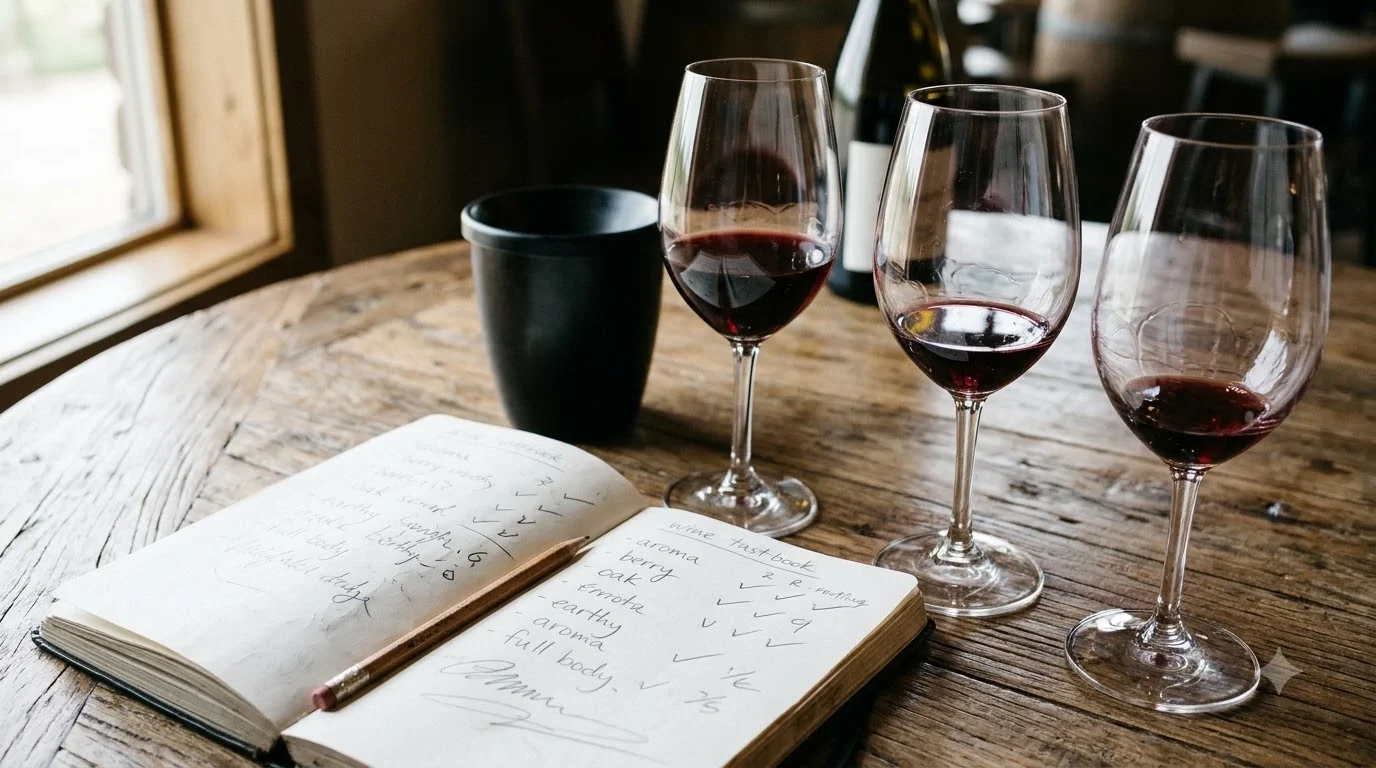
At each stop, ask about the grape, vineyard location, vintage conditions, and fermentation or aging choices. Notice acidity, tannin, body, fruit, and finish; notes such as “bright acidity, medium body, herbal finish” will help you remember a wine better than “good red.” Comparing two bottlings from one producer can reveal how vineyard block, harvest timing, or oak changes the result. For serving, aim for 40–50°F for sparkling, 45–50°F for light whites and rosé, 50–55°F for fuller whites, 55–60°F for light reds, and 60–65°F for fuller reds. Excessive warmth can make red wine feel heavy, while an over-chilled white may lose aroma.
Tip: Ask the tasting-room host to pour the same grape in two different styles, such as a fresher stainless-steel white beside a barrel-aged version or a lighter Syrah beside a more structured red. That side-by-side comparison is one of the fastest ways to learn what the producer is doing.
Pair bright whites such as Picpoul Blanc or Vermentino with shellfish, grilled vegetables, or lemon-seasoned dishes. Sangiovese can suit tomato-based food and roasted poultry, while firmer Cabernet Sauvignon is a better match for grilled beef, lamb, or aged hard cheese because protein and fat soften tannin. Avoid pairing a highly tannic red with oily fish; chili heat can make alcohol and tannin seem stronger. A wine should be at least as sweet as its dessert, and acidic food needs a wine with equal or higher acidity.
Frequently Asked Questions
Is the Willcox AVA the only wine region in Arizona?
No. Arizona has three prominent grape-growing regions: Willcox, Sonoita, and Verde Valley. Sonoita was established as an AVA before Willcox, while Verde Valley is the northern Arizona region in the state’s main grouping.
What does a Willcox AVA label guarantee?
According to the Arizona Wine Growers Association’s explanation of federal appellation rules, at least 85% of the grapes in an AVA-labeled wine must come from that AVA. The wine must also be fully finished within the state where the AVA is located.
Can I taste Viognier or Syrah at a smaller vineyard?
Four Tails Vineyard in Pearce lists a Syrah called Big Paw and a Viognier called Pretty Girl among its small-batch wines. The winery is appointment-only, so contact it before making the drive and ask which bottlings are currently being poured.
Are there historic or outdoor attractions to combine with wine tasting?
The regional visitor directory also points travelers toward Chiricahua National Monument and Fort Bowie. These are separate outings rather than tasting-room add-ons, so allow additional driving time and confirm park or site access details before setting out.
Can I taste Willcox wines outside the town of Willcox?
Yes. Skyhaven Wines also lists a tasting room called The Reach at 14 Main Street in Bisbee, with listed hours of 3–8 p.m. Thursday and Friday and 11 a.m.–8 p.m. Saturday and Sunday.
Willcox rewards visitors who leave room for discovery: one downtown flight can lead to a vineyard appointment, an unfamiliar white grape, or a red blend that changes expectations about Arizona wine. Confirm the schedule, choose a manageable route, and ask specific questions about the fruit behind each bottle; the region’s variety is its greatest tasting advantage.
More in Wine Regions
 Willcox Wine Trail: Discover Arizona’s High-Elevation Wine CountryUpdated Nov 20, 2026
 Yakima Valley Wine Region: Find the Best Styles to TryUpdated Nov 20, 2026
 Vosne Romanee Wine Tasting: Identify Aromas and Choose Better PairingsUpdated Nov 20, 2026
 Yakima Valley Wine Festival: Find the Best Seasonal Wine EventsUpdated Nov 20, 2026
 Wales Vineyards: Discover Cool-Climate Wines and Where to VisitUpdated Nov 20, 2026
 Yountville Wine Festival: Discover Napa Wines and Local FoodUpdated Nov 20, 2026