

We may earn a commission when you buy through links on this page, at no extra cost to you. Learn more.
Kendall Jackson cabernet is a full-bodied Cabernet Sauvignon from the Kendall-Jackson winery in Sonoma County, California, and it follows the classic profile of the grape: dark fruit, cedar and spice, firm tannins, and a long finish. Most people buy it for a steak night or a holiday table because it handles rich, fatty food well. It is best served slightly cooler than room temperature and, for younger bottles, opened ahead of time.
If you have seen Kendall Jackson cabernet on a restaurant list or a grocery shelf and wondered what you are getting, this guide explains the winery behind the bottle, what Cabernet Sauvignon usually tastes like, how to serve it, and which foods bring out its best. The goal is to help you decide whether this style fits the way you drink red wine.
Who makes Kendall Jackson cabernet
The brand traces back to a family vineyard rather than a corporate start-up. According to the Kendall-Jackson history on Wikipedia, Jess Jackson, a San Francisco land-use attorney, and his wife Jane Kendall Wadlow Jackson converted an 80-acre pear and walnut orchard in Lakeport, California, into a vineyard in 1974. The Kendall-Jackson brand itself was established in 1982, after a downturn in the grape market led the family to sell its own wine.
Today the winery’s own website describes the business as family grown since 1982 and places its wine estate and gardens at Fulton Road in Santa Rosa, in the heart of Sonoma County. The company later became part of Jackson Family Wines, which is why you will see the name in several brand lines. For a shopper, the practical takeaway is simple: the cabernet comes from a large, established producer with a long track record in California red wine.
What Cabernet Sauvignon tastes like
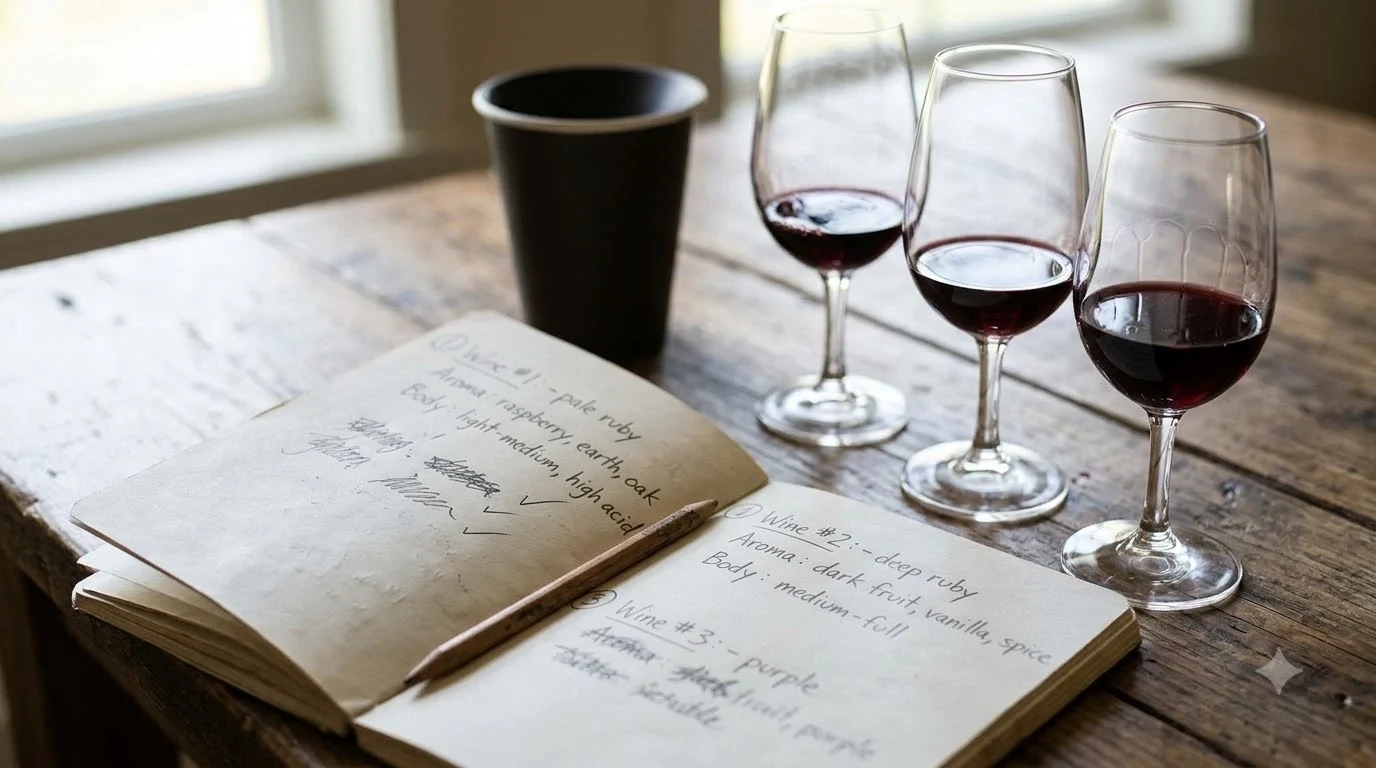
Any Kendall Jackson cabernet starts with the grape itself. Wine Folly describes Cabernet Sauvignon as a dry, full-bodied red with medium-high tannin and medium-high acidity. Its primary flavors are black cherry, black currant, cedar, baking spices, and graphite, and the alcohol usually falls between 13.5 and 15 percent.
VinePair notes that the grape arose from a natural cross of Cabernet Franc and Sauvignon Blanc and that it spread from Bordeaux’s Left Bank to Napa Valley, Chile, South Africa, and beyond. Its aromas are intense and often include black fruit, cedar, and spice, with grippy tannins that linger on the gums. Because the skins are thick, the wine carries a lot of tannin and concentrated fruit, which is why it ages well.
In a glass, expect a wine that feels structured and dry rather than soft or sweet. If you prefer fruit-forward reds, you may find the tannin noticeable at first. Many drinkers find that a short wait after opening or a few bites of food softens the edge and lets the fruit come forward.
How to serve it
Serving temperature changes how a big red tastes. Wine Folly gives a serving range of 60 to 68 degrees Fahrenheit (15 to 20 degrees Celsius) for Cabernet Sauvignon. At the warmer end of that range, alcohol can feel hot, and at the cooler end the tannins can feel tighter, so a bottle that has rested for a few minutes out of the fridge is usually a good target.
Glassware matters too. Wine Folly recommends an oversized glass so the wine has room to open and the aromas can reach your nose. Decanting for about an hour is helpful for younger bottles, because it softens the tannins and gives the cedar and dark fruit more space to show. If the bottle is older and has a little sediment, decant more gently and pour carefully.
| Serving factor | What to aim for with Cabernet Sauvignon |
|---|---|
| Serving temperature | 60 to 68 degrees F (15 to 20 degrees C) |
| Glass | An oversized glass for room to aerate |
| Decanting | About 1 hour for younger bottles |
| Alcohol range | 13.5 to 15 percent ABV |
| Cellaring | Often 10 years or more for structured bottles |
Tip: If the bottle tastes sharp or hot, let it sit in the glass for 10 to 15 minutes before judging it. Cabernet often opens up noticeably in that time.
Food pairing for a bold red
The same structure that makes this wine age well also makes it a good match for food with fat and char. Wine Folly describes Cabernet Sauvignon as a strong partner for grilled meats and boldly flavored dishes, and it pairs well with peppery sauces that would overwhelm a lighter red.
Good options include a grilled ribeye, lamb chops with rosemary, a slow-cooked beef stew, or a mushroom dish with a rich sauce. Hard aged cheeses such as aged cheddar or Parmigiano-Reggiano also work well, because the salt and fat soften the tannins. Lighter dishes such as salads or delicate fish tend to clash with the wine, so save this bottle for dinners that have some weight to them.
How to choose between cabernet bottles
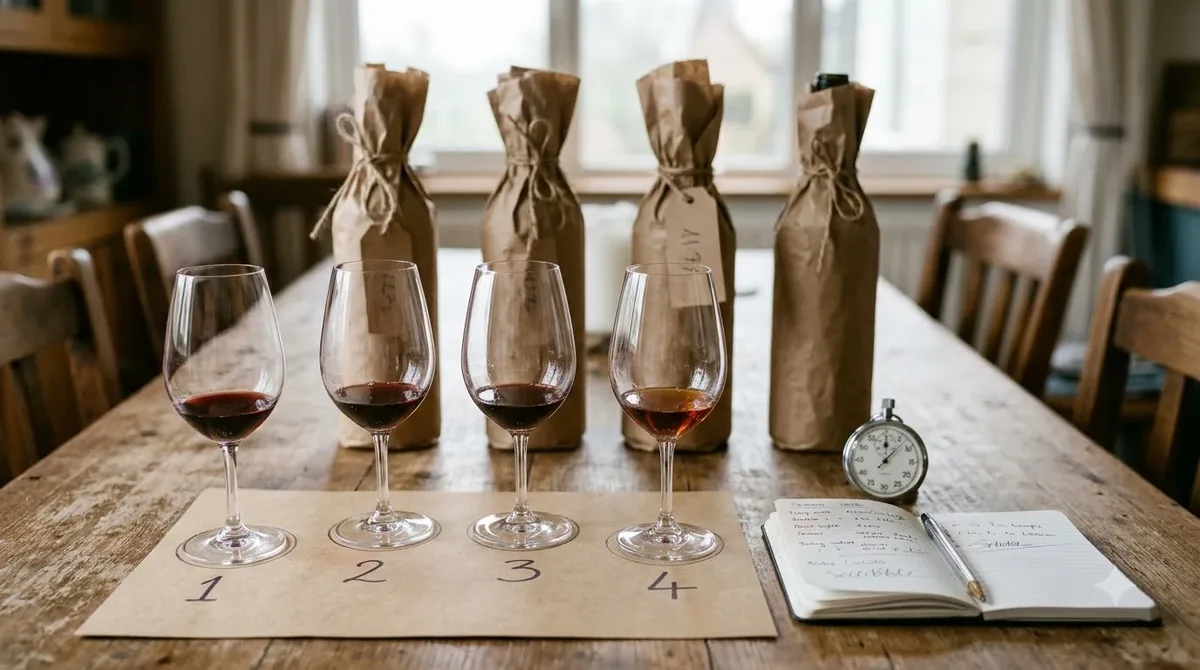
Shoppers often compare Kendall Jackson cabernet with other mainstream cabernets on the same shelf. Start with the style you want: a rounder, fruit-led red or a leaner, more structured wine. If you enjoy the cedar and firm finish, you may also like the Cabernet range from other producers that have a similar approach. For a broader view of the category, the Wine Brands guide explains how the big names differ in style and price positioning.
It also helps to compare the wine with other cabernet labels you may already know. Readers who want a softer, fruit-forward option often look at Dark Horse cabernet, while people who want an easy-drinking bottle for a casual dinner may start with Barefoot cabernet. If you prefer a richer, more layered style, Black Box cabernet is another point of comparison. Taste a few side by side when you can, because personal preference matters more than any label.
When you read the label, look at the vintage year first. Cabernet Sauvignon from a cool or average year can taste leaner, while a warm year often gives riper fruit and a fuller body. Wine Folly lists a cellaring window of 10 years or more for this grape, so a young bottle from a recent vintage will usually need time or air before its structure settles. If you are buying for immediate drinking, a recent release with a little decanting is the easier choice. If you plan to keep a bottle for a few years, the firm tannins give it room to develop.
Price is another factor shoppers weigh, but the cheapest bottle is not always the best value for a special dinner. Think about the food you plan to serve. A richer, more layered red earns its place next to a roast or a steak, while a simpler bottle may be enough for a weeknight pasta with tomato sauce. Matching the wine to the meal tends to matter more than chasing a specific label.
The official Kendall-Jackson website at kj.com is the best place to check current bottlings, since the brand has several Cabernet and reserve lines with different profiles.
Frequently Asked Questions
Is Kendall Jackson cabernet a dry wine?
Yes. Cabernet Sauvignon is a dry red grape, and the style described by Wine Folly is dry, full-bodied, and tannic. If you want a sweeter red, look for a labeled off-dry or fruit-forward style instead.
What temperature should I serve it at?
Wine Folly gives 60 to 68 degrees Fahrenheit (15 to 20 degrees Celsius) for Cabernet Sauvignon. Take the bottle out of the fridge 10 to 15 minutes before pouring if it has been stored somewhere very cold.
Does it need to be decanted?
Not always, but a short decant of about an hour helps younger bottles soften and open up. Older bottles with sediment should be poured gently without decanting, or decanted slowly if you want to remove the sediment.
What food goes best with cabernet from this winery?
Grilled steak, lamb, rich stews, and hard aged cheeses are classic choices. The wine’s tannins and dark fruit balance fat and char well, so it is a better match for hearty dinners than for light salads or delicate seafood.
Kendall Jackson cabernet is a practical choice for anyone who wants a structured, food-friendly red from a long-established California producer. Serve it slightly cool, give it some air, and pair it with something rich. If you want to compare it with other cabernets, start with the Wine Brands guide and taste two or three bottles side by side to see which style you prefer.
More in Wine Brands
 Underwood Wine Price: Compare Bottles, Cans, and Pack SizesUpdated Nov 21, 2026
 Zenato Wine Price: Compare Styles and Choose the Right BottleUpdated Nov 21, 2026
 Zuccardi Wine Price: Compare Bottles and Find the Right RangeUpdated Nov 21, 2026
 Yellow Tail Moscato Review: Taste, Sweetness and Serving TipsUpdated Nov 21, 2026
 Wolf Blass Yellow Label Review: Choose Your Best StyleUpdated Nov 21, 2026
 Wolffer Estate Rose Review: Choose the Right Bottle for Your TableUpdated Nov 21, 2026