

We may earn a commission when you buy through links on this page, at no extra cost to you. Learn more.
If you are wondering how long does lambrusco last after opening, an uncorked bottle stays fresh and bubbly for 1 to 3 days when tightly sealed and stored in the refrigerator. Semi-sparkling frizzante bottles lose their gentle prickle after 24 to 48 hours, while fully sparkling spumante versions hold onto carbonation closer to the three-day mark. Beyond day three, the wine loses its lively fruit aromas and turns flat, dull, or sharply acidic.
Because Lambrusco combines the bright berry character of a red wine with the brisk effervescence of a sparkler, its shelf life is governed by two competing clocks: carbonation loss and oxidation. Understanding how pressure, sweetness, and closure choice affect that timeline makes it easy to save leftover pours without wasting half a bottle.
How Long Lambrusco Lasts by Style and Storage
Opened Lambrusco remains at its best for one to three days in the fridge, depending on its carbonation level, residual sugar, and how quickly you reseal the glass. Storing the bottle upright at refrigerator temperatures slows both gas escape and oxygen exposure, giving you an extra day or two of crisp, enjoyable drinking compared to leaving it on a kitchen counter.
Most bottles sold in the United States are labeled frizzante, meaning semi-sparkling wine bottled under 1 to 2.5 bar of pressure, whereas spumante bottlings hold at least 3 bar of pressure under a wired mushroom cork. That pressure gap directly shapes what happens after you pour the first glass. A frizzante Lambrusco starts with a softer, frothier bead that dissipates noticeably within 24 hours, leaving behind a lightly tingly, chilled red wine on day two. A spumante bottle starts with denser carbonation and keeps a recognizable sparkle into day three if clamped shut immediately.
Sweetness and tannin also play quiet supporting roles once the bubbles fade. Dry secco styles rely heavily on brisk acidity and fizz for their lift, so flatness becomes obvious faster than in off-dry amabile or sweet dolce bottlings, where residual sugar cushions the palate. Similarly, darker, slightly more tannic varieties like Lambrusco Grasparossa hold their red-wine structure on day three better than pale, floral Lambrusco di Sorbara, which trades on delicate aromatics that vanish quickly.
| Lambrusco Style or Scenario | Peak Freshness Window | Drinkable Window | Best Storage Method |
|---|---|---|---|
| Frizzante (Semi-Sparkling, 1–2.5 bar) | First 24 hours | 1 to 2 days | Fridge, upright, sparkling stopper |
| Spumante (Fully Sparkling, 3+ bar) | 1 to 2 days | 2 to 3 days | Fridge, upright, hinged sparkling sealer |
| Sweet / Dolce or Amabile Lambrusco | 1 to 2 days | 2 to 4 days | Fridge, upright, tight stopper |
| Unsealed or Left at Room Temperature | 4 to 6 hours | Under 24 hours | Not recommended; chill immediately |
Why Opened Lambrusco Loses Freshness So Quickly
Lambrusco declines faster than standard still red wine because dissolved carbon dioxide escapes the moment bottle pressure drops, while oxygen simultaneously dulls its fresh berry and violet aromas. Even with a tight closure, every time you pour a glass, the expanding headspace inside the bottle pulls more gas out of the liquid.
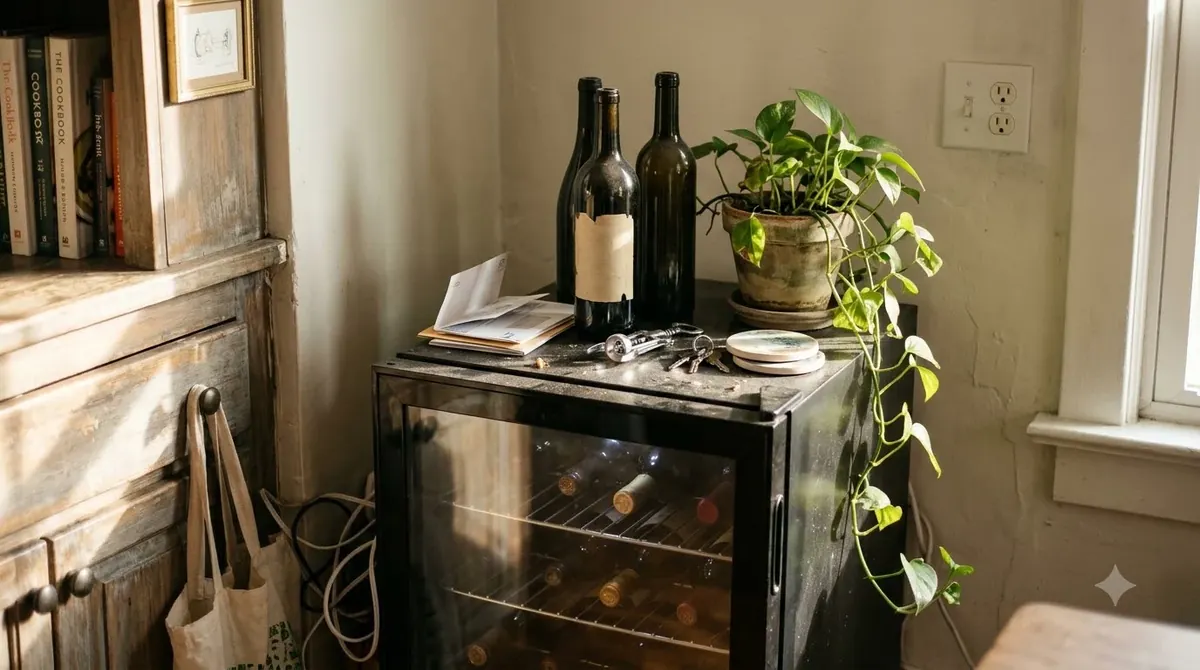
When a bottle is sealed at the winery, carbon dioxide remains trapped in equilibrium between the liquid and the tiny pocket of gas beneath the cork. Pulling the cork releases that pressure instantly. As the wine sits in your fridge, dissolved gas continues migrating out of the liquid to pressurize the empty space above it. A half-empty bottle has far more air space than a nearly full one, which is why the final two glasses go flat much faster than the first two.
Warmth accelerates that process dramatically. Carbon dioxide stays dissolved much better in cold liquid, so leaving an opened bottle on the dining table or kitchen counter causes the bubbles to rush out within hours. At the same time, ambient oxygen reacts with the wine’s anthocyanins and primary fruit compounds, muting the bright cherry, strawberry, and blackberry notes that define young Emilia-Romagna reds. Unlike structured fortified bottles covered in our guide on how long does madeira last after opening, Lambrusco is crafted for immediate freshness rather than oxidative aging.
Best Ways to Store and Reseal Opened Lambrusco
To keep opened Lambrusco lively for up to three days, clamp a dedicated sparkling wine stopper onto the neck immediately after pouring and stand the bottle upright in the refrigerator. Cold storage preserves dissolved carbonation, while an upright posture minimizes the liquid surface area exposed to trapped oxygen.
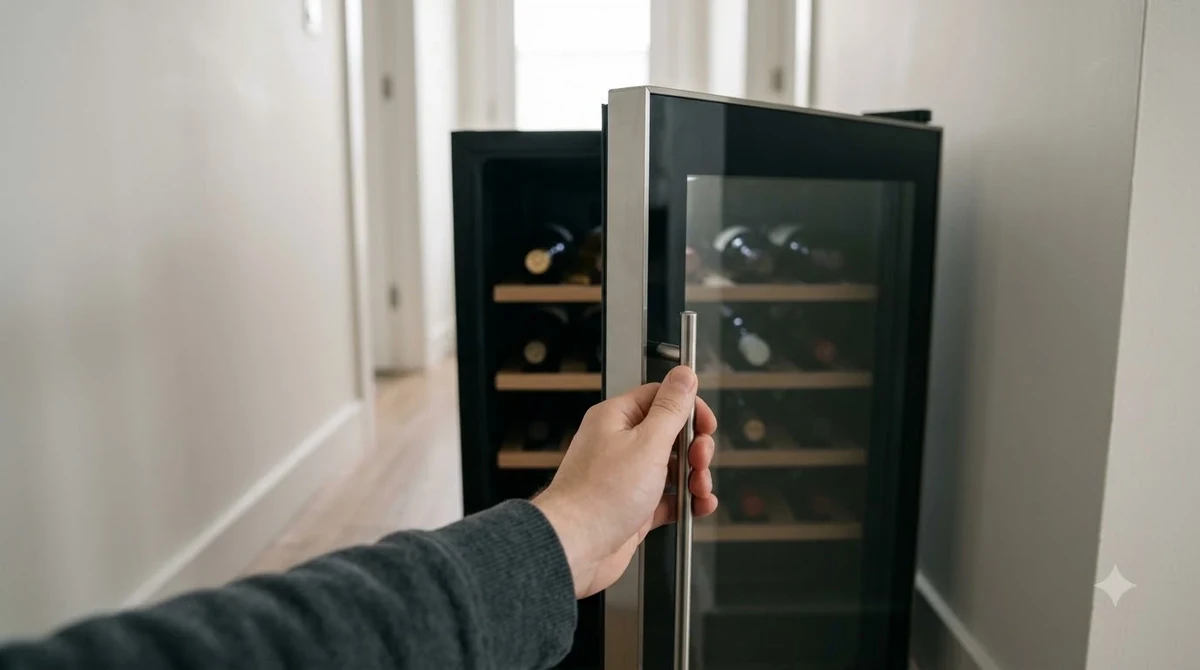
Standard corks rarely work well for resealing bubbly reds. Once a mushroom cork expands out of the bottleneck, squeezing it back in is nearly impossible, and even a straight frizzante cork or crown cap cannot resist internal gas pressure once the wine warms slightly. According to Wine Folly’s open bottle storage guide, keeping sparkling and light wines cold with an airtight closure is the single most effective way to preserve fruit character and delay flatness.
Avoid using hand-pumped vacuum stoppers on sparkling red wine. Vacuum pumps work by sucking air out of the bottle, which lowers internal pressure and actively pulls dissolved carbon dioxide out of the wine, flattening your Lambrusco faster than leaving it alone. Instead, choose a hinged stainless-steel or silicone Champagne sealer that locks onto the glass lip and traps whatever pressure remains inside. If you only poured a single glass and plan to finish the rest the next evening, transferring the leftover wine into a clean half-bottle with a tight screw cap also reduces headspace and keeps the fizz noticeably sharper.
Tip: Put the stopper on between pours rather than leaving the bottle open on the dinner table—every ten minutes unsealed at room temperature noticeably softens a frizzante pour.
Signs Your Opened Lambrusco Has Gone Bad
You can tell opened Lambrusco is past its prime when the glass shows zero bubbles on the tongue, the bright berry bouquet smells flat or vinegary, and the purple-ruby color takes on a dull brick or brownish tint. While oxidized wine is unpleasant to drink, it does not become harmful to consume.
Start with a quick visual and aromatic check before pouring a full glass. Fresh Lambrusco greets you with a lively purple or pink foam ring—called the spuma—and immediate scents of crushed raspberries, black cherries, violets, or damp earth. By day four or five, that violet foam disappears completely, and the nose shifts toward stewed fruit, wet cardboard, or sharp balsamic vinegar as acetic acid bacteria convert alcohol in the presence of oxygen.
A tiny taste confirms whether the bottle still works for drinking or belongs in the kitchen. As Decanter’s wine storage editors point out, dulled fruit flavors, tired color, and vinegary notes are the classic markers of oxidation across opened bottles. If your Lambrusco has simply lost its sparkle after 48 hours without turning sour, it still drinks pleasantly like a crisp, light-bodied chilled red—similar to how you might treat other delicate bottles listed in our Wine by Type overview. Once sharp vinegar notes appear, however, pour it out or save a splash for deglazing a pan sauce.
How Opened Lambrusco Compares to Other Wine Styles
Opened Lambrusco has one of the shortest shelf lives in the wine world, matching Champagne and Prosecco at 1 to 3 days while trailing still red, white, and fortified bottles by days or even weeks. Its combination of low alcohol, light tannins, and trapped carbon dioxide makes it far more perishable than non-sparkling styles.
Most Lambrusco sits between 10.5 and 12 percent ABV, with gentle tannins and high natural acidity. Still red wines with higher alcohol and firmer tannin structure—such as Cabernet Sauvignon or Syrah—act as natural antioxidants and routinely stay enjoyable for three to five days after opening. Skin-contact bottles also show slightly stronger resilience against air, which you can explore in our breakdown of how long does orange wine last after opening.
At the far end of the longevity spectrum sit sweet and fortified wines, where high sugar or added grape spirit acts as a powerful preservative. While an opened bottle of dry Lambrusco fades by Wednesday if opened on Sunday, late-harvest whites and fortified bottles hold up for weeks in the fridge, as detailed in our guide to how long does dessert wine last after opening. Treating Lambrusco like fresh sparkling wine—and planning to finish it within two evenings—keeps every glass tasting the way its Emilia-Romagna makers intended.
Frequently Asked Questions
Can you drink flat Lambrusco after 3 days?
Yes, flat Lambrusco is completely safe to drink after three days as long as it has been refrigerated and does not smell like sharp vinegar or nail polish remover. Without bubbles, a dry secco bottling tastes much like a light, chilled, high-acid red wine. If the fruit flavors taste stale or sour, use the remainder for cooking a ragù or red wine reduction instead.
Does Lambrusco need to be refrigerated after opening?
Yes, you should always store opened Lambrusco in the refrigerator, even though it is a red wine. Cold temperatures keep carbon dioxide dissolved in the liquid and slow down oxidation, stretching the bottle’s freshness to two or three days. Leaving an opened bottle on the counter causes it to go flat and dull within a single afternoon.
Can you use a vacuum pump stopper on Lambrusco?
No, avoid using a vacuum pump stopper on Lambrusco or any other sparkling wine. Pumping air out of the bottle reduces internal headspace pressure, which actively draws carbonation out of the wine and leaves it flat overnight. Use a clamped sparkling wine sealer or a tight silicone stopper instead.
How long does an unopened bottle of Lambrusco last?
Most unopened bottles of Lambrusco are meant to be enjoyed young within one to three years of the vintage date when stored in a cool, dark place. Unlike age-worthy still reds, standard tank-fermented Lambrusco relies on vibrant primary berry fruit and fresh acidity rather than bottle development. Rare traditional-method bottlings aged on the lees can evolve for a few extra years, but everyday bottles taste best fresh.
Keeping opened Lambrusco fresh comes down to two simple habits: chill the bottle immediately and lock in the remaining pressure with a proper sparkling stopper. When stored upright in the fridge, you have a reliable one-to-three-day window to enjoy its bright berry fruit and refreshing fizz before the bubbles fade.
More in Wine Types & Grapes
 Zinfandel Sugar Content: Dry Red vs. White Zinfandel GramsUpdated Nov 21, 2026
 Best Zinfandel Substitute Options for Sipping and CookingUpdated Nov 21, 2026
 Zweigelt Food Pairing: Best Dishes, Cheeses, and Serving TipsUpdated Nov 21, 2026
 Zinfandel Tannins Explained: How Structure Shapes Every BottleUpdated Nov 21, 2026
 Zinfandel Sweetness Level: Dry Red vs. Sweet White Zin ExplainedUpdated Nov 21, 2026
 Xinomavro Food Pairing: Best Dishes, Styles, and Serving TipsUpdated Nov 21, 2026