

We may earn a commission when you buy through links on this page, at no extra cost to you. Learn more.
How long does fortified wine last unopened depends heavily on the style, ranging from 1 to 3 years for delicate vermouth and Fino Sherry up to 20 to 100+ years for Vintage Port and Madeira. Elevated alcohol levels—typically between 15% and 21% ABV—act as a natural preservative that protects these wines far longer than standard table bottles. While most wood-aged styles are ready to drink upon release and hold steady for years in a cool, dark pantry, bottle-aged styles actively evolve over decades.
Because the category covers everything from herbal aperitifs to rich, sun-baked dessert wines, treating every bottle on your bar cart the exact same way can lead to flat cocktails or missed aging potential. Knowing the specific production method behind your bottle tells you whether to pop the cork this season or tuck it away for a milestone anniversary.
Unopened Shelf Life by Fortified Wine Style
Unopened fortified wines fall into three distinct longevity tiers based on whether they are meant for fresh botanical vibrancy, oxidative stability, or long-term bottle maturation. Matching the style to its ideal cellar window keeps your collection tasting exactly as the winemaker intended.
At the shorter end of the spectrum sit aromatized and biologically aged styles. According to Wine Enthusiast, unopened vermouth lasts for a few years if kept out of direct sunlight at cool cellar temperatures, though its delicate botanicals and herbs taste brightest within 1 to 3 years of bottling. Similarly, biologically aged Sherries like Fino and Manzanilla mature under a protective layer of yeast called flor and are bottled for immediate enjoyment rather than long storage, holding their crisp, saline edge for roughly 1 to 2 years unopened.
Mid-tier bottles include wood-aged Ports and oxidative Sherries that have already spent years interacting with oxygen in oak casks before hitting retail shelves. Ruby Port, Late Bottled Vintage (LBV) Port, and Tawny Port are stabilized by both high alcohol and residual sugar, allowing an unopened bottle to remain steady for 2 to 10 years—and often much longer in a temperature-controlled cellar. Oxidative Sherries such as Amontillado, Oloroso, and Pedro Ximénez (PX), alongside traditional Sicilian Marsala, carry similar resilience and easily hold their nutty, caramelized character for several years to decades unopened.
At the top of the longevity chart sit Vintage Port and Madeira, two styles capable of outliving the person who bought them. Vintage Port is bottled unfiltered after just two years in oak and requires 20 to 50+ years in a dark cellar for its dense tannins and dark fruit to integrate. Madeira is in a league of its own: as Wine Folly notes, Madeira wines are deliberately heated and oxidized during production, making them extraordinarily stable and able to age for over 100 years without losing their vibrant acidity.
| Fortified Wine Style | Typical ABV | Unopened Shelf Life | Storage Goal |
|---|---|---|---|
| Dry & Sweet Vermouth | 15%–20% | 1 to 3 years | Preserve fresh botanicals |
| Fino & Manzanilla Sherry | 15%–17% | 1 to 2 years | Maintain crispness |
| Ruby & Filtered LBV Port | 19%–20% | 2 to 5 years | Hold steady until opened |
| Tawny Port (10–40 Year) | 19%–20% | 5 to 10+ years | Maintain nutty balance |
| Amontillado, Oloroso & PX Sherry | 17%–21% | 5 to 20+ years | Hold steady until opened |
| Marsala | 17%–20% | 5 to 10+ years | Maintain caramelized depth |
| Vintage Port | 19%–20% | 20 to 50+ years | Active bottle maturation |
| Madeira | 18%–21% | 50 to 100+ years | Near-indefinite stability |
Why Fortified Wine Lasts Longer Than Table Wine
Fortified wine resists spoilage far longer than standard reds or whites because winemakers add a neutral grape spirit—usually brandy—during or after fermentation. This extra alcohol creates a hostile environment for the microbes that turn regular wine into vinegar.
In unfortified wine types, alcohol levels generally sit between 11% and 15% ABV, leaving the liquid vulnerable to acetic acid bacteria and rapid oxidation once air seeps past a cork. By raising the alcohol content to between 15% and 21% ABV, fortification halts microbial growth and acts as a built-in chemical shield. Even when stored in a standard home pantry, a sealed fortified bottle resists spoilage far better than an unfortified bottle sitting on the exact same rack.
Residual sugar and intentional oxidation provide a second and third layer of defense. Sweet styles like Ruby Port, Pedro Ximénez Sherry, and sweet Marsala contain high concentrations of grape sugar, which binds water molecules and further inhibits bacterial activity. Meanwhile, Tawny Port, Oloroso Sherry, and Madeira undergo controlled exposure to air—and in Madeira’s case, sustained heat—inside wooden barrels for years before bottling. Because these wines have already absorbed oxygen and shed their fragile primary fruit compounds, extra time in a sealed glass bottle barely alters their structure.
How Storage Conditions Affect Unopened Bottles
Even with high alcohol on its side, an unopened bottle of fortified wine still relies on steady temperatures, darkness, and proper bottle orientation to reach its full lifespan. Poor storage accelerates chemical breakdown and dries out natural corks long before the wine itself would normally fade.
Temperature stability is the single biggest factor in preserving any sealed bottle. Wine storage specialists at Wine Enthusiast recommend a consistent cellar temperature between 53°F and 57°F (around 55°F as the ideal target) for all wines, including fortified styles. Storing bottles above 70°F—such as on a kitchen counter next to the stove or on top of a refrigerator—speeds up aging, flattens fresh aromas in vermouth and Fino Sherry, and can cause liquid to expand and push against the closure.
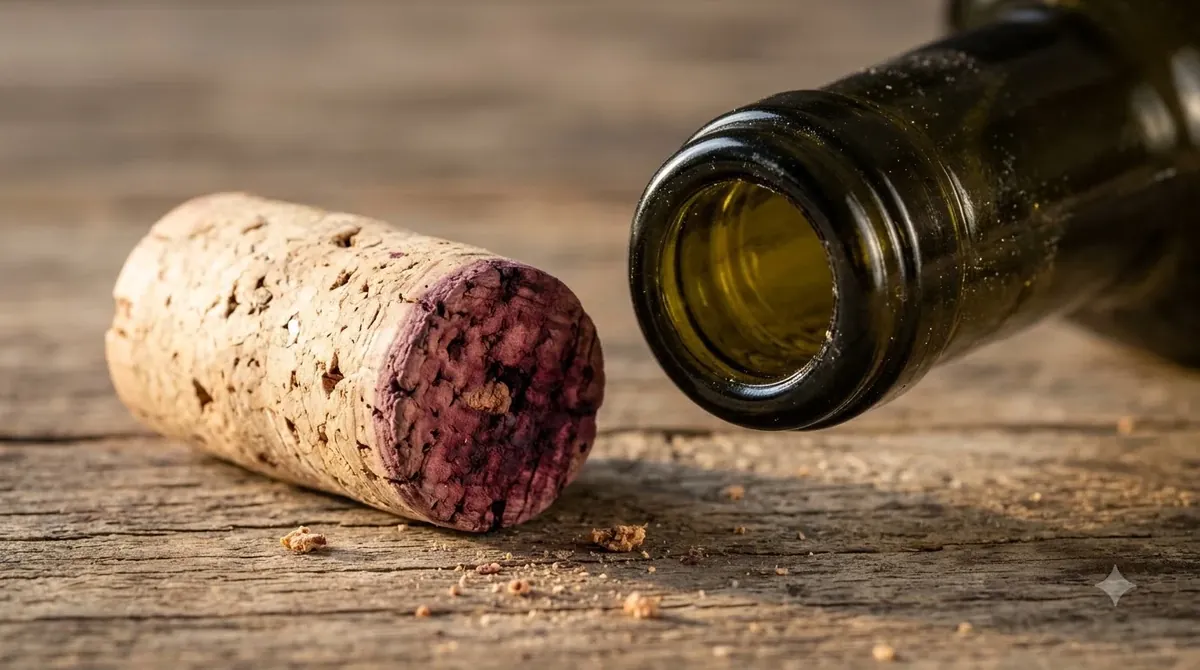
Light and bottle orientation also play crucial roles depending on the closure type. Ultraviolet rays from direct sunlight penetrate clear or light-green glass and trigger light-struck faults that dull herbal and nutty flavors, making a dark closet, basement, or interior cabinet far safer than an open bar cart near a window. For bottles sealed with a driven natural cork—such as Vintage Port or unfiltered LBV Port—storing the bottle horizontally keeps the cork moist and swollen against the glass neck. Conversely, bottles fitted with a T-top stopper cork, screw cap, or glass Vinolok closure (common on Tawny Port, Sherry, Madeira, and vermouth) should be stored upright so the higher alcohol does not slowly degrade the stopper material.
Tip: Check the closure before laying a bottle down—driven corks belong on their sides in a cool rack, while T-top stoppers and screw caps should always stand upright.
Aging Potential vs. Shelf Stability
A common misconception is that every fortified wine improves if you hide it in the basement for twenty years. In reality, winemakers divide fortified wines into two camps: bottles engineered to evolve in glass and bottles finished in the barrel that simply hold steady until you pull the cork.
Vintage Port, Single Quinta Vintage Port, Crusted Port, and traditional bottle-matured LBV Port are the primary styles that actively improve after bottling. Because they spend minimal time in wood and go into the bottle unfiltered, they retain massive amounts of anthocyanins, tannins, and primary grape solids. Over two to five decades in a cool cellar, those components bind together, precipitate out as a heavy sediment crust on the side of the bottle, and transform fiery, youthful fruit into layered notes of dried fig, cocoa, leather, and sweet spice.
By contrast, Tawny Port, Colheita Port, non-vintage Sherry, Marsala, and vermouth are already fully mature the day they leave the winery. A 20-Year-Old Tawny Port has already completed two decades of slow oxidative aging in seasoned oak casks, and blending ensures consistent flavor across releases. Leaving that bottle unopened in your closet for another ten years will not turn it into a 30-Year-Old Tawny; it will simply stay roughly the same, or very gradually lose a touch of vibrancy if kept too warm. Just as understanding how long Cabernet Sauvignon lasts unopened helps you separate age-worthy collector bottles from weekday drinkers, checking whether a fortified wine is wood-aged or bottle-aged tells you whether waiting pays off.
Real-Life Scenarios: When to Drink, Cook With, or Toss an Old Bottle
Finding a dusty bottle of Port, Sherry, or vermouth in the back of a cabinet is common, and deciding its fate comes down to the style on the label and a quick sensory check. Because high alcohol prevents harmful pathogens from growing, an old unopened bottle will not make you sick, leaving flavor quality as your sole benchmark.
If you uncover an unopened bottle of dry or sweet vermouth or Fino Sherry that has sat in a warm pantry for four or five years, pour a small splash to evaluate it before mixing a cocktail. Older vermouth often loses its bright citrus peel and floral botanicals, tasting flat, oxidized, or mildly stewed. If it still smells pleasant and herbaceous, use it for deglazing pans or making pan sauces; if it smells sharp like vinegar or stale cardboard, pour it down the drain. Similarly, if you are comparing pantry staples to see how long boxed wine lasts unopened versus bottled aperitifs, remember that plastic bladders allow trace oxygen transfer within months, whereas glass-bottled fortified wines buy you years of extra buffer.
On the other hand, discovering a decades-old bottle of Vintage Port, aged Tawny Port, Oloroso Sherry, or Madeira in a cool basement is usually cause for celebration rather than concern. Inspect the fill level in the neck—if the wine still sits high in the shoulder and there is no sticky seepage around the capsule, the seal has held. Stand an older Vintage Port upright for at least 24 hours before opening so sediment settles to the bottom, then decant it gently off the crust. Even a bottle of Madeira from the mid-twentieth century will typically pour with lively acidity and complex roasted nut and caramel flavors intact, proving just how remarkably durable fortified wines can be compared to delicate ferments like honey wine (see how long mead lasts unopened for a full breakdown).
Frequently Asked Questions
Does unopened fortified wine ever expire or become unsafe to drink?
Unopened fortified wine does not expire in the way perishable food does, and its 15% to 21% alcohol content prevents harmful bacteria from growing. While delicate styles like vermouth and Fino Sherry will eventually lose their fresh aromas and taste flat or oxidized after a few years, drinking an old bottle will not make you ill unless the seal failed completely and mold developed inside.
Should I store unopened fortified wine in the refrigerator?
You do not need to keep unopened fortified wine in a standard kitchen refrigerator, as long-term storage around 38°F to 40°F is colder than necessary and can dry out corks over time. A cool, dark pantry, closet, or wine fridge set around 55°F is ideal for unopened bottles, though moving an unopened bottle of Fino Sherry or vermouth to the fridge a day before serving gets it to the right chilling temperature.
Why does Vintage Port last decades unopened but spoil within days once opened?
Vintage Port spends its entire life sealed away from oxygen inside a dark glass bottle, preserving intense fruit and tannin compounds that have never been exposed to air. Once you pull the cork, sudden oxygen exposure rapidly oxidizes those fragile compounds, causing the wine to flatten within 2 to 4 days—unlike Tawny Port or Madeira, which are already oxidized in barrels before bottling.
Can I lay unopened bottles of Port and Sherry on their sides?
Only lay bottles on their sides if they are sealed with a long, driven natural cork, such as Vintage Port, Single Quinta Port, or unfiltered Late Bottled Vintage Port. Most other fortified wines—including Tawny Port, Ruby Port, Sherry, Madeira, Marsala, and vermouth—use short T-top stopper corks or screw caps that should be stored upright so the high-alcohol liquid does not erode the stopper.
Checking the style on your bottle’s label and matching it to a cool, dark storage spot takes all the guesswork out of keeping fortified wine at its best. Whether you are resting a Vintage Port for a future decade or keeping a fresh bottle of vermouth on hand for weekend cocktails, proper storage ensures every pour delivers the richness and complexity you paid for.
More in Wine Types & Grapes
 Zinfandel Sugar Content: Dry Red vs. White Zinfandel GramsUpdated Nov 21, 2026
 Best Zinfandel Substitute Options for Sipping and CookingUpdated Nov 21, 2026
 Zweigelt Food Pairing: Best Dishes, Cheeses, and Serving TipsUpdated Nov 21, 2026
 Zinfandel Tannins Explained: How Structure Shapes Every BottleUpdated Nov 21, 2026
 Zinfandel Sweetness Level: Dry Red vs. Sweet White Zin ExplainedUpdated Nov 21, 2026
 Xinomavro Food Pairing: Best Dishes, Styles, and Serving TipsUpdated Nov 21, 2026