

We may earn a commission when you buy through links on this page, at no extra cost to you. Learn more.
If you are wondering how long does dessert wine last unopened, most everyday bottles stay fresh for 3 to 10 years, while cellar-worthy sweet and fortified styles routinely last 20 to 100 years or more. Because residual sugar, natural acidity, and higher alcohol act as powerful preservatives, sweet wines resist spoilage far longer than standard table wines. Exact longevity depends on the specific winemaking style, closure type, and whether the bottle is kept in cool, dark storage.
Unlike dry whites or everyday reds that fade within a few years of bottling, dessert wines are built with natural structural armor. Whether a bottle is fortified with grape spirit, concentrated by noble rot, or pressed from frozen grapes on the vine, understanding its specific category tells you whether to open it this weekend or cellar it for decades.
Unopened Dessert Wine Shelf Life by Style
The shelf life of an unopened dessert wine spans anywhere from a couple of years for light, aromatic styles to over a century for fortified classics. Knowing which style sits in your pantry or wine rack determines its ideal drinking window.
| Dessert Wine Style | Examples | Unopened Shelf Life | Primary Preservative |
|---|---|---|---|
| Light & Sparkling Sweet Wines | Moscato d’Asti, Brachetto d’Acqui | 1 to 3 years | Acidity and dissolved carbon dioxide |
| Late-Harvest & Ice Wines | Late-Harvest Riesling, Canadian Eiswein | 5 to 25 years | High residual sugar and sharp acidity |
| Botrytized (Noble Rot) Wines | Sauternes, Tokaji Aszú, Trockenbeerenauslese | 15 to 50+ years | Concentrated sugar, acidity, and glycerol |
| Passito & Straw Wines | Recioto della Valpolicella, Vin Santo | 20 to 50 years | Dried-grape sugar concentration and tannins |
| Fortified Dessert Wines | Vintage Port, Tawny Port, Madeira, Sherry, Banyuls | 20 to 150 years | High alcohol (15 to 22 percent ABV) and sugar |
Lightly sweet sparkling wines like Moscato d’Asti sit on the shortest end of the spectrum. Winemakers bottle them to showcase vibrant floral aromas and gentle effervescence rather than long-term aging potential. Keeping a bottle of Moscato d’Asti in the pantry for five years will not make it unsafe, yet its fresh peach and orange blossom notes will flatten out considerably after two or three years.
By contrast, structured sweet wines and fortified styles behave like marathon runners in the cellar. According to Wine Folly’s guide to age-worthy wines, German and Alsatian sweet Rieslings and French Sauternes commonly evolve for 15 to 25 years, while Hungarian Tokaji Aszú reaches 20 to 30 years and Italian Recioto della Valpolicella can last 25 to 50 years. Fortified bottles push those boundaries even further, with Vintage Port, Banyuls, and Vin Santo holding strong for 50 to 100 years, and Madeira capable of surviving 150 years in bottle.
Why Dessert Wines Last Longer Than Dry Wines
Dessert wines outlast standard table wines because high sugar concentration, elevated acidity, and fortifying alcohol naturally slow down oxidation and microbial spoilage. These three structural elements work together to protect the liquid inside the glass.
Sugar is one of the oldest food preservatives in culinary history, functioning in wine much the same way it preserves fruit in a jar of jam. High levels of residual sugar create osmotic pressure that inhibits spoilage bacteria from multiplying inside the bottle. In top-tier sweet wines, sugar levels are concentrated by leaving grapes on the vine until they freeze, drying harvested clusters on straw mats, or allowing beneficial Botrytis cinerea fungus to dehydrate the berries.
Acidity and alcohol provide the second and third layers of defense. Wines naturally lose perceived acidity over decades, so bottles that start with brisk, mouthwatering acidity have a much longer runway before they taste flat or cloying. Meanwhile, fortified styles like Port, Sherry, and Madeira receive an addition of distilled grape spirit during fermentation, raising alcohol levels to roughly 15 to 22 percent ABV. While moderate alcohol around 13 to 14 percent can accelerate aging in dry wines, elevated alcohol above 15 percent acts as a potent stabilizer against bacterial breakdown.
For comparison, standard dry table wines lack that heavy sugar shield and rely primarily on tannins or crisp acidity. If you compare sweet bottles with dry reds—such as checking how long Cabernet Sauvignon lasts unopened—you will see that even structured dry reds typically peak between 10 and 20 years, whereas comparable sweet or fortified wines can easily double or triple that lifespan.
Fortified vs. Unfortified Dessert Wines
Fortified dessert wines generally last longer unopened than unfortified sweet wines because added grape spirit stabilizes the wine and many styles undergo deliberate oxidative aging before bottling. Unfortified sweet wines rely entirely on natural grape sugars and acidity, making them more sensitive to poor storage.
Unfortified dessert wines complete their fermentation naturally, stopping only when yeast cells become overwhelmed by extreme sugar density or cold temperatures. Examples include Sauternes, German Beerenauslese, Ice Wine, and Italian Passito. Because these wines are protected from oxygen throughout winemaking, their golden color gradually deepens to amber and mahogany over the decades as slow micro-oxygenation through the cork transforms fresh stone fruit flavors into honey, dried apricot, saffron, and toasted nuts.
Fortified wines follow a different path. Producers add neutral grape brandy either mid-fermentation (leaving natural grape sugar behind, as in Port and Banyuls) or after fermentation (sweetening the wine later, as in Cream Sherry and sweet Madeira). As VinePair’s dessert wine overview notes, Madeira is uniquely heated and oxidized during maturation, making it virtually indestructible; many of the oldest surviving bottles of wine in the world are Madeiras that still drink well centuries after harvest.
Packaging format also plays a quiet role in longevity across all wine categories. Glass bottles with dense natural corks or high-grade screw caps protect sweet wines for decades, whereas alternative formats designed for casual drinking behave very differently. Much like checking how long boxed wine lasts unopened, any sweet wine packaged in a bag-in-box or plastic pouch is bound by the permeability of its liner and should be consumed within several months to a year of purchase.
Proper Storage Conditions for Unopened Dessert Wine
Storing unopened dessert wine in a cool, dark, and vibration-free environment at roughly 55°F (13°C) is essential to reaching its full multi-decade lifespan. Even the most resilient fortified bottle will lose nuance if subjected to kitchen heat or direct sunlight.
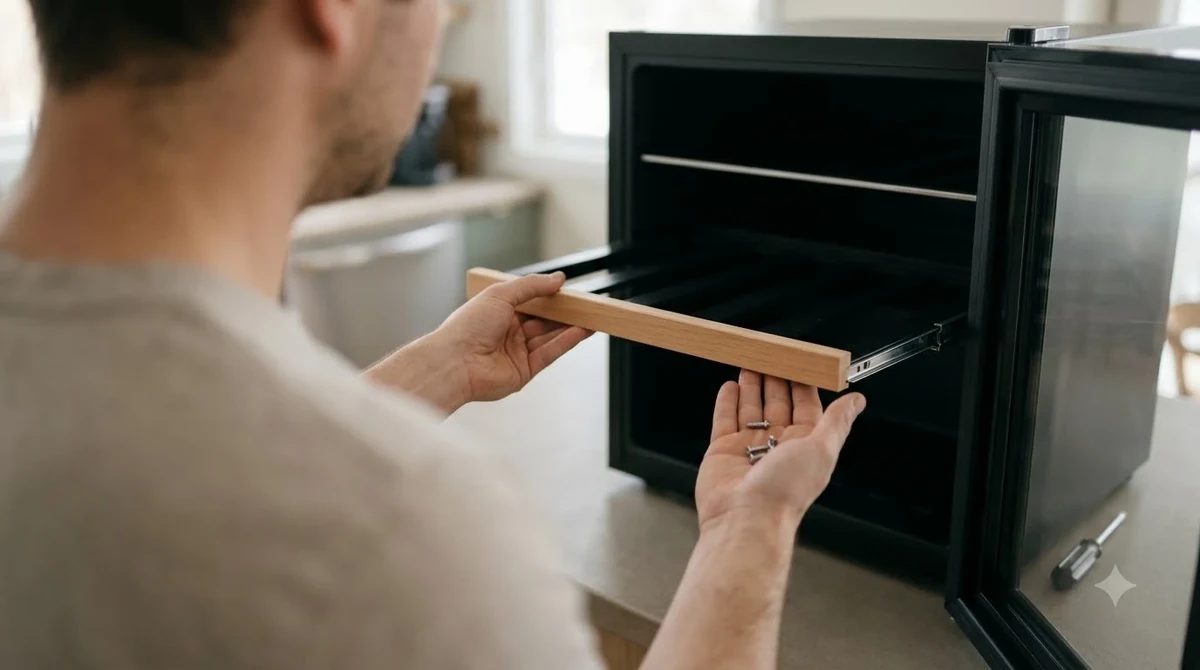
Temperature stability matters more than hitting an exact degree on the thermostat. Wine Folly recommends maintaining long-term storage around 54°F to 55°F (12°C to 13°C) with roughly 75 percent relative humidity. Storing dessert wine above 70°F (21°C) accelerates chemical reactions, causing delicate floral and fruit esters to cook into dull, stewed flavors while pushing the cork slightly outward as the liquid expands.
Bottle orientation depends entirely on the closure type and winemaking style:
- Natural corks (Sauternes, Ice Wine, Vintage Port): Store bottles horizontally on their sides so the wine stays in constant contact with the cork, keeping it swollen and airtight.
- T-top stoppers (Tawny Port, Aged Sherry, Madeira): Store these bottles upright. High-proof fortified wines can slowly degrade short bar-top corks if left soaking against them for years, and these styles are already stabilized against gentle air contact.
- Screw caps (Late-Harvest Riesling, Australian Rutherglen Muscat): Store upright or on their sides, as aluminum Stelvin closures do not dry out.
Tip: Keep dessert wines away from sunny kitchen counters, refrigerator tops, and laundry rooms—ultraviolet rays and appliance vibrations degrade delicate aromas long before the wine’s natural preservatives give out.
How to Tell If an Unopened Dessert Wine Has Gone Bad
An unopened dessert wine rarely becomes unsafe to drink, yet heat damage, a dried-out cork, or advanced oxidation can ruin its flavor and aroma. Inspecting the bottle visually before pulling the cork gives you immediate clues about its condition.
Start by examining the cork and capsule at the neck of the bottle. If the cork is protruding above the rim of the glass, or if sticky, caramelized wine residue has seeped out beneath the foil, the bottle likely suffered heat exposure. When liquid expands inside a warm room, it forces wine past the seal, allowing outside oxygen to rush back in once the bottle cools down.
Check the fill level—known in the wine trade as ullage—by holding the bottle upright against a light source. In a young bottle, the liquid level sits just below the base of the cork. Over 20 or 30 years, natural evaporation slowly lowers the fill line into the upper shoulder of the bottle, which is normal for aged Sauternes or Vintage Port. However, if a relatively young bottle shows a fill level down at the mid-shoulder or lower, air has likely leaked past a shriveled cork.
Once poured, trust your nose and palate. Healthy aged dessert wines smell of dried figs, caramel, orange peel, roasted hazelnuts, or honey. A spoiled bottle smells sharply of nail polish remover (ethyl acetate), wet cardboard (cork taint), or sour malt vinegar, and tastes flat, thin, or aggressively bitter on the finish. If you enjoy exploring other honey-rich fermented beverages with long shelf lives, you can compare those aging traits with how long mead lasts unopened.
What Happens After You Open the Bottle
Once you pull the cork on a dessert wine, oxygen enters the bottle, yet most sweet styles still stay fresh in the refrigerator for 1 to 8 weeks—far longer than dry table wines. Their high sugar and alcohol content continue shielding the remaining liquid even after the seal is broken.
Unfortified sweet wines like Sauternes, Tokaji, and Ice Wine typically hold their vibrancy for 5 to 14 days when tightly recorked and kept cold in the refrigerator. Pouring the leftover wine into a smaller half-bottle (375 ml) reduces the surface area exposed to trapped air, stretching freshness toward the two-week mark.
Fortified dessert wines offer unmatched convenience for anyone who likes pouring a single two-ounce glass after dinner. Tawny Port, Cream Sherry, and Rutherglen Muscat easily stay delicious for 3 to 8 weeks after opening when sealed with their T-top stopper and stored in a cool pantry or fridge. Madeira and Marsala are the ultimate outliers: because they are intentionally oxidized and gently heated during production, an opened bottle can sit upright in a cool cupboard for months or even years without losing its character. To browse more wine styles and see how sweetness levels affect serving and storage, explore our Wine by Type hub.
Frequently Asked Questions
Does unopened dessert wine need to be refrigerated?
No, unopened dessert wine does not require refrigeration for safe storage. Keeping bottles in a cool, dark closet, basement, or wine fridge around 55°F (13°C) preserves their flavor for years, though you should chill white and sparkling dessert wines in the refrigerator for a few hours before serving.
Can unopened dessert wine make you sick if it is old?
No, properly sealed wine does not harbor harmful pathogens because its alcohol content, acidity, and high sugar concentration prevent dangerous bacteria from growing. An overly old or poorly stored bottle may taste flat, nutty, or vinegary, so it will simply be unpleasant rather than unsafe.
Do half-bottles of dessert wine age faster than full bottles?
Yes, 375 ml half-bottles mature noticeably faster than standard 750 ml bottles because the ratio of air in the neck to total wine volume is higher. A Sauternes or Ice Wine in a half-bottle reaches peak maturity several years earlier than the exact same vintage stored in a full-sized bottle.
Does unopened dessert wine expire on a specific date?
No, wine does not have a strict expiration date like perishable dairy or fresh produce. Instead, each style has an optimal drinking window ranging from 2 years for sparkling Moscato to over 50 years for Vintage Port and Sauternes, after which the wine gradually loses its bright fruit character.
Knowing how long dessert wine lasts unopened comes down to matching the bottle’s natural sugar, acid, and alcohol structure to a cool, dark storage spot. Whether you are holding a crisp late-harvest Riesling for next holiday season or cellaring a bottle of Vintage Port for a milestone anniversary, proper storage ensures every pour remains rich, balanced, and expressive.
More in Wine Types & Grapes
 Zinfandel Sugar Content: Dry Red vs. White Zinfandel GramsUpdated Nov 21, 2026
 Best Zinfandel Substitute Options for Sipping and CookingUpdated Nov 21, 2026
 Zweigelt Food Pairing: Best Dishes, Cheeses, and Serving TipsUpdated Nov 21, 2026
 Zinfandel Tannins Explained: How Structure Shapes Every BottleUpdated Nov 21, 2026
 Zinfandel Sweetness Level: Dry Red vs. Sweet White Zin ExplainedUpdated Nov 21, 2026
 Xinomavro Food Pairing: Best Dishes, Styles, and Serving TipsUpdated Nov 21, 2026