

We may earn a commission when you buy through links on this page, at no extra cost to you. Learn more.
If you are wondering how long does cremant last unopened, most non-vintage bottles stay crisp, fresh, and lively for 3 to 5 years when stored properly in a cool, dark place. Vintage releases and extended-lees-aged cuvées, such as Crémant de Bourgogne Éminent or Grand Éminent, can develop deeper brioche and nutty complexity for 5 to 10 years. Because Crémant is a traditional-method sparkling wine finished before release, it is built for immediate enjoyment rather than decades of cellar aging.
Finding a forgotten bottle of French bubbly in the pantry always raises the same question before you pop the cork. Unlike still red wines packed with heavy tannins, sparkling wine relies on trapped carbon dioxide and bright natural acidity to stay vibrant, making storage conditions just as important as the year printed on the label.
Unopened Crémant Shelf Life by Style and Tier
Most standard non-vintage Crémant is best enjoyed within 3 to 5 years of purchase, while longer-aged prestige bottlings hold their structure for up to a decade. The exact timeline depends heavily on lees aging prior to disgorgement, grape composition, and whether the wine comes from a single harvest year.
According to Wine Folly’s Crémant guide, standard Crémant wines have a recommended cellar window of 3 to 5 years. Because European appellation rules require a minimum of nine months on spent yeast cells (lees) and at least 12 months before sale, producers release non-vintage bottles at peak drinkability. Waiting too long on an entry-level bottle will not make it unsafe to drink, since alcohol and acidity prevent harmful spoilage, but the lively orchard fruit and citrus notes will gradually fade into flat, sherry-like flavors as carbonation escapes through the cork.
Higher-tier expressions offer significantly more staying power thanks to extended yeast contact and selective harvesting. In Burgundy, for example, bottles labeled Éminent spend at least 24 months on the lees, and Grand Éminent bottlings require a minimum of 36 months. That extra time creates finer bubbles and structural depth that allow vintage and prestige cuvées to age gracefully for 5 to 10 years under ideal cellar conditions, evolving from crisp green apple toward toasted almond, honey, and baked pastry.
| Crémant Style or Tier | Unopened Shelf Life | Flavor Evolution Over Time |
|---|---|---|
| Non-Vintage Brut / Extra Brut | 3 to 5 years | Fresh apple, pear, and citrus gradually soften into brioche and light toast |
| Non-Vintage Rosé | 2 to 3 years | Bright strawberry and raspberry notes fade first; color shifts toward pale salmon |
| Vintage Crémant | 5 to 8 years | Gains richer baked orchard fruit, hazelnut, and creamy mousse texture |
| Éminent / Grand Éminent (24–36+ months on lees) | 5 to 10 years | Develops deep autolytic complexity, dried fruit, and honeyed notes |
| Demi-Sec (Sweeter Styles) | 3 to 5 years | Residual sugar preserves body while fruit leans toward candied citrus and caramel |
Why Traditional Method Production Shapes Aging Potential
Crémant owes its 3-to-5-year baseline shelf life to the traditional method of sparkling winemaking, where secondary fermentation occurs inside the sealed glass bottle. This process builds internal pressure and coats the wine in protective lees compounds before the producer ever ships it to a wine shop.
As explained by Wine Enthusiast, Crémant is the French term for traditional-method sparkling wines made outside the Champagne region, requiring whole-bunch pressing, hand harvesting, and at least nine months of aging on spent yeast cells. During this maturation phase, dead yeast cells break down in a process called autolysis, releasing amino acids and polysaccharides that naturally buffer the wine against oxidation and give Crémant its signature creamy texture.
Once the winery disgorges the yeast sediment, adds a small splash of wine and sugar known as dosage, and seals the bottle with a mushroom-shaped cork and wire cage, the aging clock changes. Without the lees left inside to absorb oxygen, any tiny amount of air passing through the cork slowly interacts with the liquid. While a still wine like unopened Cabernet Sauvignon uses heavy grape skin tannins to absorb oxygen over decades, Crémant relies almost entirely on brisk acidity and dissolved carbon dioxide to stay fresh.
How Storage Conditions Affect an Unopened Bottle
Even the finest bottle of French sparkling wine can lose its sparkle within a single year if kept in a warm kitchen or bright pantry. Heat, ultraviolet light, and dry air are the three primary enemies that accelerate oxidation and flatten carbonation.
Temperature stability matters most for preserving internal bottle pressure. Ideally, store unopened Crémant in a cool, dark spot between 50°F and 55°F (10°C to 13°C), away from ovens, radiators, and sunny windowsills. High temperatures cause the liquid and trapped gas inside the bottle to expand, forcing carbon dioxide past the cork seal and cooking the delicate fruit aromas into dull, stewed notes.
Light exposure poses a separate risk, particularly for Crémant bottled in clear or pale green glass, which is common among rosé expressions. Sunlight and fluorescent bulbs trigger chemical reactions in riboflavin and amino acids—a flaw winemakers call lightstrike—that can give an unopened bottle an unpleasant cabbage or wet-cardboard aroma within weeks. Keeping bottles inside a dark closet, wine rack, or original cardboard box protects the wine until you are ready to chill it.
Tip: Avoid storing unopened Crémant in your kitchen refrigerator for months at a time—standard fridge air is very dry and can shrink the cork, letting bubbles escape prematurely. Move the bottle to the fridge just a few hours before serving so it chills to the ideal 38°F to 45°F range.
Bottle Orientation: Upright vs. On Its Side
Unlike still table wines that must rest horizontally to keep their corks wet, unopened Crémant can be stored either upright or on its side for medium-term keeping. The high internal pressure inside a sparkling wine bottle creates a humid microclimate in the neck that keeps the cork naturally supple.
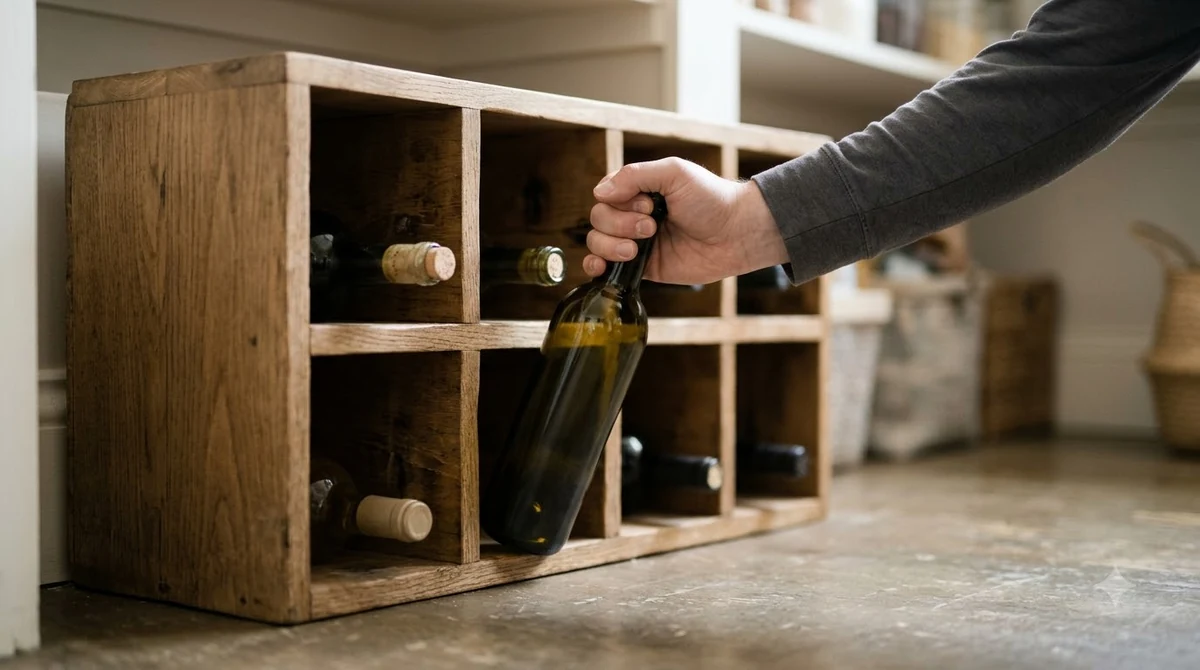
Sparkling wine corks are thicker than standard still-wine corks and feature two dense discs of natural cork at the bottom end where the stopper touches the wine. Because carbonated gas continuously pushes upward into the headspace below the cork, moisture remains trapped inside the glass neck even when the bottle stands straight up on a pantry shelf for two or three years.
If you plan to cellar a vintage or Grand Éminent Crémant for five years or longer, laying the bottle on its side in a humidity-controlled wine rack provides extra insurance against cork shrinkage. For everyday non-vintage bottles that you intend to open within a year or two, standing them upright in a cool, dark cabinet works completely fine and prevents sediment from settling along the side of the glass. You can see how this compares to alternative wine packaging by checking our guide on how long boxed wine lasts unopened.
How to Tell If an Old Bottle of Crémant Has Gone Bad
Because Crémant rarely prints an expiration date on the label, evaluating an older bottle comes down to inspecting the cork, listening to the pop, and checking the aromas in your glass. An expired bottle will not make you sick, though an oxidized or flat pour is disappointing to serve to guests.
Before pulling the cork, check the bottle’s appearance through the glass. A healthy bottle shows clear liquid with no murky cloudiness, and the foil capsule over the neck should look smooth and dry without sticky residue leaking from beneath the wire cage. When you twist the bottle off the cork, you should hear a gentle, controlled sigh of escaping gas rather than complete silence; a silent opening usually means the cork dried out and the carbonation leaked away years ago.
Once poured, let your nose and palate make the final call. Fresh Crémant smells bright and inviting, bursting with green apple, white peach, lemon zest, or light brioche, accompanied by steady streams of fine bubbles rising to the surface. If the wine pours completely still, looks noticeably brownish or dark amber, or smells strongly of vinegar, wet cardboard, or stale sherry, it has oxidized past its prime. Curious how other fermented beverages compare over long storage windows? Explore our breakdown of how long mead lasts unopened or browse different wine types to plan your cellar.
Frequently Asked Questions
Does unopened Crémant expire if left in a pantry?
Unopened Crémant does not spoil in a way that becomes unsafe to drink, but its quality and carbonation decline over time. Most non-vintage bottles taste freshest within 3 to 5 years of purchase when stored in a cool, dark place, after which the bubbles soften and fruit flavors turn flat or nutty.
Can you store unopened Crémant in the fridge long-term?
You can safely chill unopened Crémant in a standard refrigerator for a few days or up to two weeks before an event, but it is not ideal for multi-month storage. Kitchen refrigerators have low humidity and constant compressor vibrations, which can dry out the cork over time and allow carbonation to escape.
How long does Crémant last after you open the bottle?
Once opened, Crémant stays crisp and bubbly for 1 to 3 days when sealed tightly with a sparkling wine stopper and kept in the refrigerator. Without a proper pressurized stopper, the wine loses most of its effervescence within 12 to 24 hours.
Does Crémant improve with age like vintage Champagne?
Standard non-vintage Crémant is blended and aged on the lees prior to release so it tastes balanced right away, meaning it gains little from years in a home rack. However, vintage Crémant and extended-aged tiers like Crémant de Bourgogne Éminent or Grand Éminent can develop appealing brioche, honey, and toasted nut complexity over 5 to 10 years.
For the brightest bubbles and cleanest orchard-fruit character, plan to open standard bottles of Crémant within 3 to 5 years of bringing them home from the shop. Keep your bottles tucked away in a cool, dark spot until a few hours before pouring, and save long-term cellaring for specially labeled vintage or extended-lees-aged releases.
More in Wine Types & Grapes
 Zinfandel Sugar Content: Dry Red vs. White Zinfandel GramsUpdated Nov 21, 2026
 Best Zinfandel Substitute Options for Sipping and CookingUpdated Nov 21, 2026
 Zweigelt Food Pairing: Best Dishes, Cheeses, and Serving TipsUpdated Nov 21, 2026
 Zinfandel Tannins Explained: How Structure Shapes Every BottleUpdated Nov 21, 2026
 Zinfandel Sweetness Level: Dry Red vs. Sweet White Zin ExplainedUpdated Nov 21, 2026
 Xinomavro Food Pairing: Best Dishes, Styles, and Serving TipsUpdated Nov 21, 2026