

We may earn a commission when you buy through links on this page, at no extra cost to you. Learn more.
Bairrada wine is a Portuguese appellation wine produced in the coastal Beira Litoral province, celebrated for structured, age-worthy red wines made from the indigenous Baga grape alongside crisp traditional-method sparkling wines. The region earned Denominação de Origem Controlada (DOC) status for still reds and whites in 1979, followed by a dedicated DOC for sparkling wines in 1991. Shaped by Atlantic breezes and chalky clay-limestone soils, these bottles deliver brisk natural acidity, moderate alcohol levels typically around 12% to 13% ABV, and notable cellar longevity.
While neighboring Douro and Alentejo often claim the spotlight on American retail shelves, this maritime enclave between Porto and Coimbra offers some of Europe’s most distinctive, terroir-driven bottles. For drinkers exploring different Wine Regions across Iberia, understanding how local clay soils and ocean air tame the fierce native red grape is the key to appreciating what makes these wines stand apart.
Overview
Bairrada takes its name from barro, the Portuguese word for clay, which describes the heavy, mineral-rich soils that define its finest vineyard sites. Situated roughly 20 kilometers inland from the Atlantic Ocean, the appellation pairs cool maritime weather with traditional winemaking that prioritizes tension and longevity over heavy extraction.
Viticulture here stretches back centuries, though the region faced major setbacks in the eighteenth century when the Marquis of Pombal ordered the uprooting of local vines to protect the commercial monopoly of Port wine. Producers gradually rebuilt the area’s reputation, eventually securing DOC recognition in 1979 for still wines and establishing a separate sparkling DOC in 1991. Today, the Comissão Vitivinícola da Bairrada (CVB) oversees quality standards from its headquarters in Anadia.
Modern regional identity rests on a productive tension between heritage and innovation. Following regulatory updates in 2003, winemakers gained permission to plant international varieties alongside native cultivars, yet the region’s most celebrated bottles remain fiercely loyal to local grapes and traditional fermentation practices.
Sub-regions and Terroir
Rather than dividing into legally separate sub-appellations, Bairrada is organized around key winegrowing municipalities—most notably Anadia, Cantanhede, Mealhada, and Oliveira do Bairro—and distinct soil zones. The interplay between porous clay-limestone slopes and sandier coastal flats dictates which grape varieties thrive in each pocket.
The prized vineyard parcels sit on Jurassic limestone and chalky clay. Because light-colored clay reflects sunlight back into the vine canopy while retaining moisture during dry spells, it helps late-ripening red grapes achieve full phenolic maturity without losing their signature zip. Closer to the Atlantic, sandy soils offer natural protection against phylloxera, allowing rare ungrafted old vines—known locally as pé franco—to survive and produce intensely concentrated fruit.
Climate plays an equally decisive role across all municipalities. Annual rainfall averages between 800 and 1,200 millimeters, mostly concentrated in mild winters, while summer days regularly exceed 30°C (86°F) before dropping below 16°C (61°F) at night. That wide diurnal temperature swing slows down sugar accumulation and locks in the mouthwatering acidity that defines the local style.
Key Grapes and Styles
Bairrada produces still reds, aromatic whites, rosé, a tiny volume of fortified licoroso, and more than half of Portugal’s traditional-method sparkling wine. Across every category, native varieties supply the structural backbone and aromatic personality.
Baga accounts for roughly half of the region’s total vineyard area and around 75% of red plantings. Thin-skinned and late-ripening, Baga yields pale-to-ruby reds with high acidity and firm, grippy tannins that soften over a decade or more into notes of dried cherry, leather, tobacco, and forest floor. Reviewers at Decanter frequently highlight how old-vine Baga bottlings balance fine, ripe tannins with savory complexity. Under the Bairrada Clássico designation, reds must contain at least 50% Baga and 85% traditional Portuguese varieties such as Touriga Nacional, Alfrocheiro, Castelão, or Jaen.
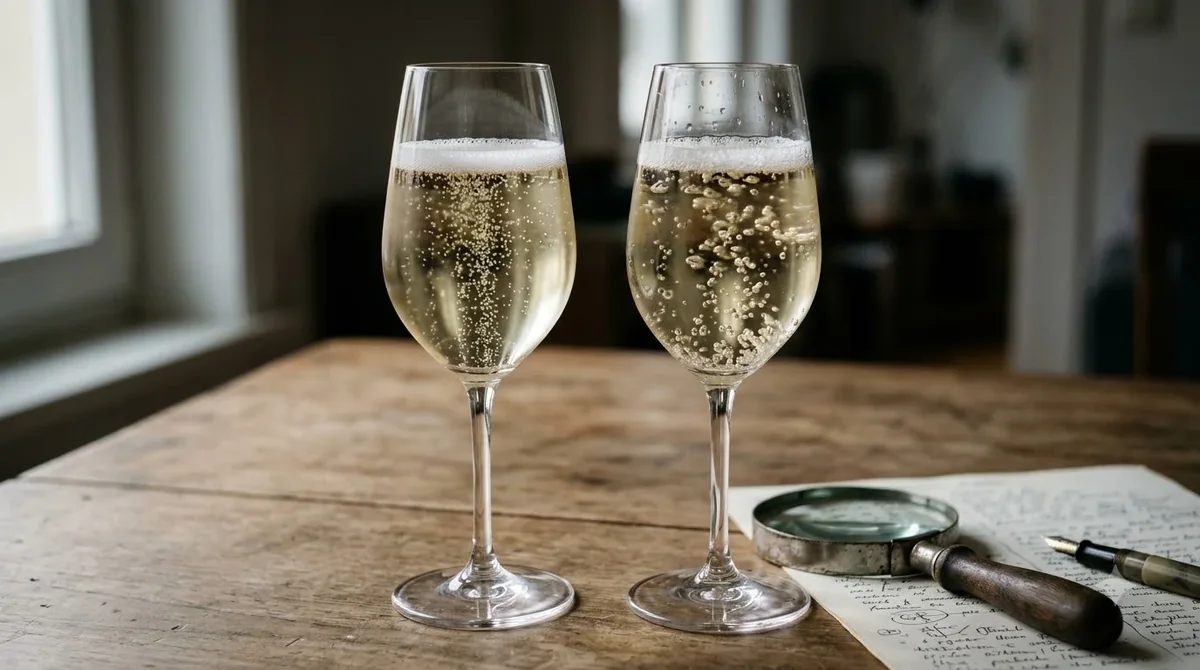
White and sparkling bottlings rely on indigenous white grapes—primarily Bical, Maria Gomes (known elsewhere as Fernão Pires), Cercial, and Arinto—often blended with Baga vinified as a white base wine (blanc de noirs). Bical contributes stone fruit and chalky minerality, while Maria Gomes adds floral lift and Cercial brings razor-sharp citrus acidity. Traditional-method sparkling wines, or Espumante, undergo secondary fermentation in the bottle and must rest on their yeast lees for at least nine months before release, developing brioche, toasted almond, and green apple notes.
| Wine Style | Primary Grapes | Key Flavor Notes | Typical ABV | Ideal Serving Temp |
|---|---|---|---|---|
| Traditional Red (Bairrada Clássico) | Baga (minimum 50%), Touriga Nacional, Alfrocheiro | Sour cherry, cranberry, dried herbs, leather, forest floor | 12%–13% | 60°F–64°F (16°C–18°C) |
| Crisp White (Branco) | Bical, Maria Gomes, Cercial, Arinto | Green apple, white peach, lemon zest, chalky mineral | 11.5%–12.5% | 45°F–50°F (7°C–10°C) |
| Sparkling (Espumante Método Clássico) | Baga, Bical, Maria Gomes, Cercial | Brioche, toasted almond, strawberry, citrus blossom | 12%–12.5% | 43°F–48°F (6°C–9°C) |
Notable Producers
A tight-knit group of family estates and visionary winemakers transformed Bairrada from a bulk-wine supplier into an international benchmark for terroir-focused winemaking. Their contrasting cellar philosophies give shoppers a wide spectrum of textures to explore.
Luís Pato is widely known as “Mr. Baga” for championing the native grape during the 1990s when outside consultants urged growers to replant with French varieties. Working from his family estate in Anadia, he pioneered single-vineyard bottlings like Vinha Pan and Vinhas Velhas, alongside rare sparkling wines from ungrafted vines. His daughter, Filipa Pato, works alongside her husband William Wouters using biodynamic farming and amphora aging to craft pure, unadorned expressions—including the sparkling 3B Rosé highlighted by Wine Folly for its strawberry, rose petal, and lemon zest character.
Traditionalists will appreciate Quinta das Bágeiras, founded in 1989 by Mário Sérgio Alves Nuno, where whole-cluster Baga ferments in open stone lagares and matures in large wooden casks (tonéis) without new oak. Meanwhile, Douro icon Dirk Niepoort purchased Quinta de Baixo in 2012, bringing a lighter, Burgundy-inspired touch to local limestone parcels, while younger estates like Vadio—run by Luís Patrão and Eduarda Dias—focus on organic farming and precise, fine-grained reds.
Visiting Tips and Food Pairing
Visiting Bairrada is straightforward because the wine route sits directly between Porto and Lisbon, easily reached by car or regional train via Aveiro or Coimbra. Unlike larger commercial wine regions, most cellars remain family-operated and require advance appointments for tastings.
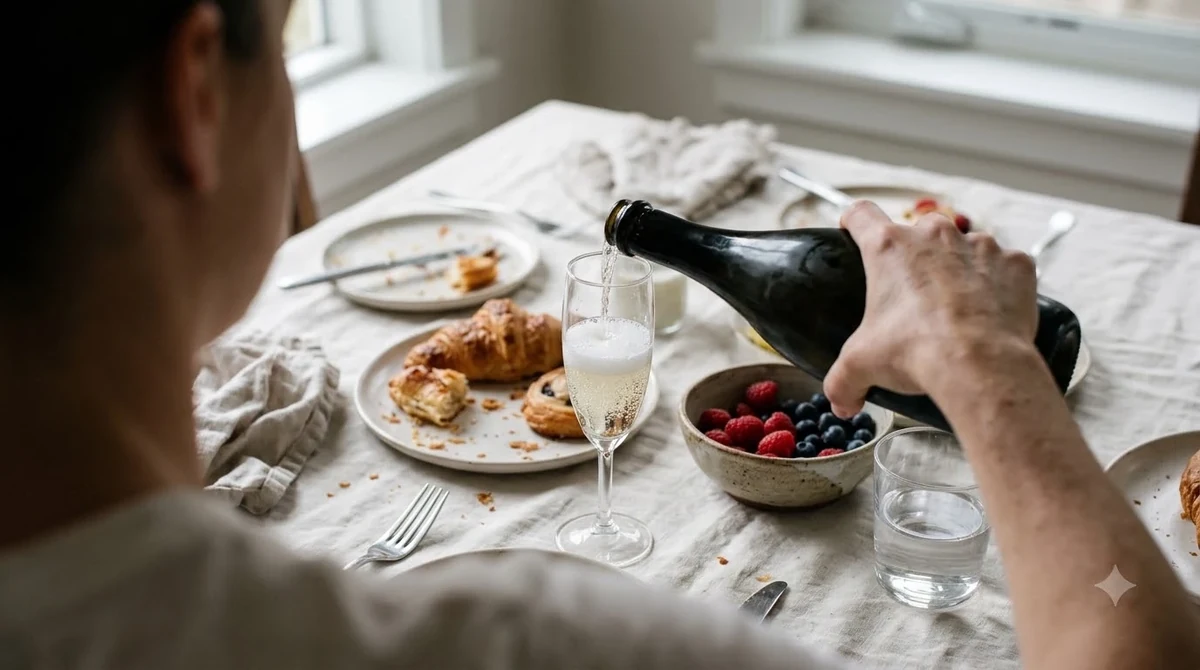
Planning a trip around the local table is essential, as Bairrada’s high-acid reds and sparkling wines evolved alongside rich regional gastronomy. The undisputed culinary centerpiece—especially around the town of Mealhada—is leitão assado à Bairrada, wood-roasted suckling pig seasoned with garlic, black pepper, and lard until the skin turns crisp and glassy. Both sparkling Espumante and mature Baga slice right through the rich pork fat. Travelers who enjoy structured, limestone-driven European reds—much like those found during beaune wine tasting—often pair a cellar visit with a stay at the historic Bussaco Palace Hotel, renowned for its library of aged local vintages.
Tip: If you open a young Baga red (under five years old), decant it for one to two hours before dinner and serve it slightly cool at 60°F to 64°F. Giving the wine air softens its assertive tannins while keeping the bright red fruit lifted.
How to Buy
Shopping for Bairrada in the United States requires reading back labels carefully, since aging classifications and sweetness levels dictate what is inside the bottle. Because production is relatively small, independent specialty wine shops and Portuguese importers offer the broadest selection.
For red wines, check the front label for aging tiers that signal readiness to drink. Standard DOC bottlings are approachable and lively, while Reserva indicates higher minimum alcohol and stricter selection. Top-tier Garrafeira reds must age at least 30 months before release, including a minimum of 12 months in bottle, yielding mellow, tertiary aromas ready for immediate enjoyment. Just as limestone terroir shapes classic aloxe corton wine, older Bairrada vintages reward patience in the cellar. If you prefer a softer, fruit-forward profile without heavy tannin, look for blends labeled Beira Atlântico Vinho Regional, where producers can freely blend Baga with Merlot, Syrah, or Touriga Nacional.
When selecting sparkling Espumante, pay attention to Portuguese sweetness terms: choose Bruto Natural or Bruto (up to 12 grams per liter of residual sugar) for crisp, bone-dry aperitifs and food pairings, as Seco actually indicates a noticeably sweeter style.
Frequently Asked Questions
What does Bairrada wine taste like?
Red Bairrada wines made from Baga offer vibrant flavors of sour cherry, cranberry, wild herbs, and earthy minerality, backed by brisk acidity and firm tannins. With bottle age, they develop savory notes of leather, dried fig, and tobacco, while local white and sparkling wines feature green apple, citrus zest, white blossoms, and toasted brioche.
Is Bairrada wine dry or sweet?
The vast majority of still red and white Bairrada wines are fermented completely dry. Sparkling Espumante bottles range from bone-dry Bruto Natural and Bruto to sweeter Meio-Seco styles, so checking the dosage term on the label ensures you get the dryness level you prefer.
How long can you age red Bairrada wine?
Quality red Baga from clay-limestone vineyards easily ages for 10 to 20 years, and top Reserva or Garrafeira bottages from strong vintages can evolve for 30 years or more. Its naturally high acidity and dense tannic structure preserve freshness over decades in a cool, dark cellar.
What food pairs best with Bairrada wine?
The classic regional match is roast suckling pig (leitão), whose crispy skin and rich fat balance Baga’s sharp acidity and firm tannins. Outside Portuguese cuisine, these wines pair effortlessly with roast duck, braised short ribs, mushroom risotto, aged sheep’s milk cheeses, and grilled shellfish for white or sparkling styles.
Whether you reach for a bottle of lees-aged sparkling Espumante or a decade-old Baga from chalky clay slopes, Bairrada delivers remarkable character without high alcohol or heavy oak. Exploring these coastal Portuguese bottles is one of the smartest ways to add savory complexity and food-friendly freshness to your table.
More in Wine Regions
 Willcox Wine Trail: Discover Arizona’s High-Elevation Wine CountryUpdated Nov 20, 2026
 Yakima Valley Wine Region: Find the Best Styles to TryUpdated Nov 20, 2026
 Vosne Romanee Wine Tasting: Identify Aromas and Choose Better PairingsUpdated Nov 20, 2026
 Yakima Valley Wine Festival: Find the Best Seasonal Wine EventsUpdated Nov 20, 2026
 Wales Vineyards: Discover Cool-Climate Wines and Where to VisitUpdated Nov 20, 2026
 Yountville Wine Festival: Discover Napa Wines and Local FoodUpdated Nov 20, 2026