

We may earn a commission when you buy through links on this page, at no extra cost to you. Learn more.
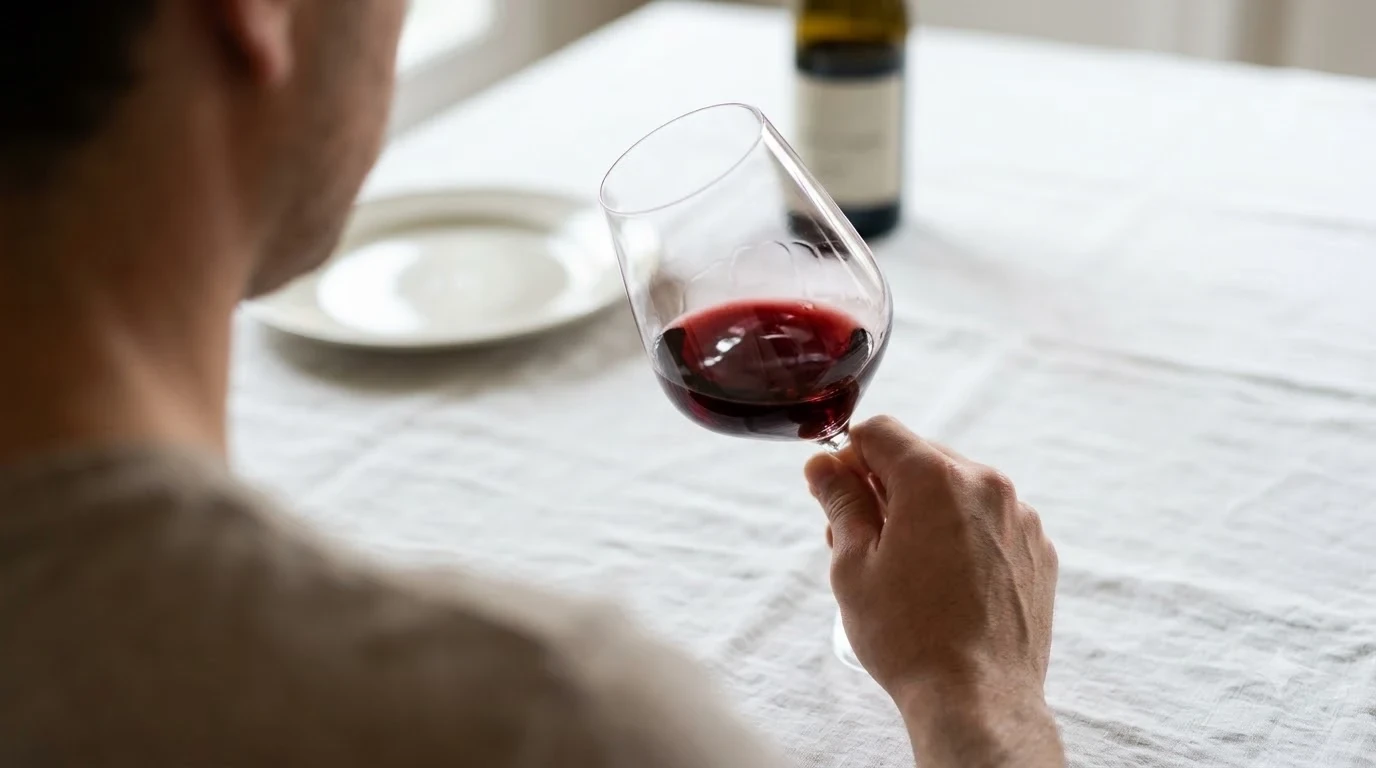
Cooking with red wine means adding a dry, drinkable bottle to a dish so its acidity, tannin and fruit build flavor in sauces, stews and braises. The wine reduces as it simmers, concentrating its taste while the alcohol mostly leaves the pot. Choosing a bottle you would happily drink is the single most useful rule.
This guide explains why red wine works so well in savory cooking, how to choose a bottle for different dishes, what happens to the alcohol as the pot simmers, and which mistakes are easy to avoid. The advice applies to everyday weeknight sauces as well as long, slow braises.
Why Cooking With Red Wine Works
Red wine brings acidity, tannin and concentrated fruit to a dish, which is why it balances rich meat and fatty sauces so well. The acid brightens heavy flavors, and the tannin adds a dry structure that holds up to long cooking.
Red wine also adds color. As it reduces, the sauce darkens to a deep garnet or brown, which signals a richer and more concentrated flavor. Cooks often judge doneness by how the sauce coats the back of a spoon, and red wine gives a glossy finish that a stock alone rarely achieves.
Wine also deglazes the pan. When you pour it into a hot skillet after searing meat, it lifts the browned bits stuck to the bottom. Those bits carry a large share of the savory depth in the finished sauce, so this step matters as much as the wine itself.
Choosing the Right Red Wine
Most chefs recommend a wine that is inexpensive but still pleasant to drink. Reference cookbooks and culinary writers have long made this point, and it holds up in practice: flavors that taste sharp or flat in the glass usually taste sharp or flat in the dish, only more concentrated.
Lighter, fruit-forward reds suit quick sauces and mushrooms, while bolder, more tannic wines stand up to beef, lamb and long braises. The table below is a practical starting point rather than a strict rulebook.
Think about the whole meal when you choose the bottle. If the same wine will be poured at the table, buying one bottle for both the pan and the glass keeps things simple and makes the flavors of the dish easier to recognize.
| Dish type | Red wine style to try | Why it works |
|---|---|---|
| Quick pan sauces for steak | Medium-bodied, dry red | Brightens the sauce without overpowering the meat |
| Beef stew or short ribs | Full-bodied, tannic red | Tannin softens during a long braise and adds depth |
| Mushroom or tomato sauce | Light, fruity red | Fruit notes complement earthy and sweet flavors |
| Poached fruit | Simple, sweet-leaning red | Sugar and fruit flavors soften during gentle cooking |
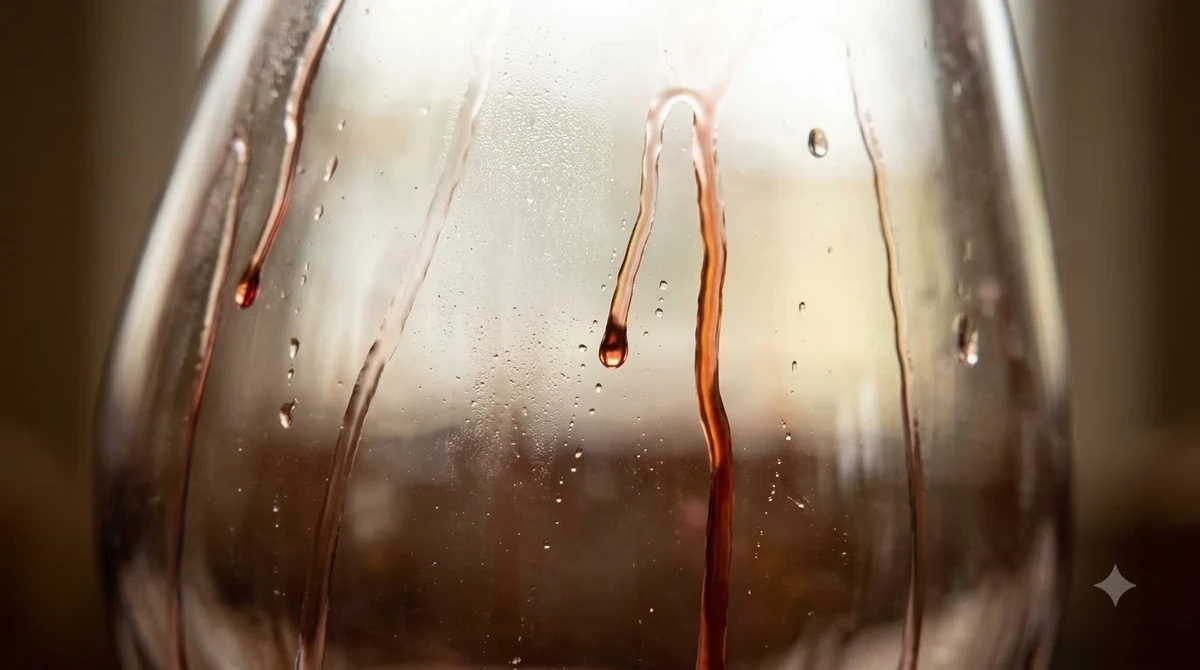
Tip: If you would not pour a glass of the wine with dinner, skip it in the pan. Cooking concentrates flaws along with the good flavors.
How Alcohol Changes During Cooking
Cooking reduces the alcohol in wine, but it rarely removes all of it. Reduction on the stove, a long simmer and a warm oven all lower the alcohol content over time, and the longer the wine cooks, the less alcohol remains. A quick splash added at the end of cooking keeps much more alcohol in the dish than a wine added at the start of a braise.
Cooking wine sold in grocery stores is a different product. According to general references on the subject, it usually contains added salt as a preservative, and many chefs advise against it because drinkable table wine gives better flavor. Cooking wine is not a shortcut to better food.
If you are cooking for children, pregnant guests or anyone avoiding alcohol, plan the dish around what each person wants to eat rather than relying on a set cooking time to remove the alcohol.
Timing also changes the result. Wine added at the start of a braise has hours to blend with the meat, onions and stock, which softens harsh edges and rounds out the sauce. Wine added in the last few minutes of cooking stays bright and sharp, which can be useful for a finishing sauce but is not the same dish.
Quantity matters too. A common approach is to start with about half a cup of wine for every pound of meat or a small pot of sauce, then taste and adjust. Too much wine can make a sauce taste thin and sour, while too little leaves the dish flat.
Dishes That Suit Red Wine
Red wine works best in dishes that have time to simmer and develop. Braises, stews, pot roasts, bolognese and red wine reductions all benefit from a bottle added early enough to blend with the other ingredients.
For a simple home sauce, pour a half cup of wine into the pan after searing, let it bubble down by about half, then add stock and aromatics. This method is common in classic French cooking and works with almost any dry red you would drink with the meal.
Red wine also pairs naturally with the grapes and styles that home cooks already know. A dish built on a lighter red can be a good place to start, and a guide to cooking with pinot noir shows how a delicate red behaves in sauces, while a bolder option like cabernet franc wine suits heartier dishes.
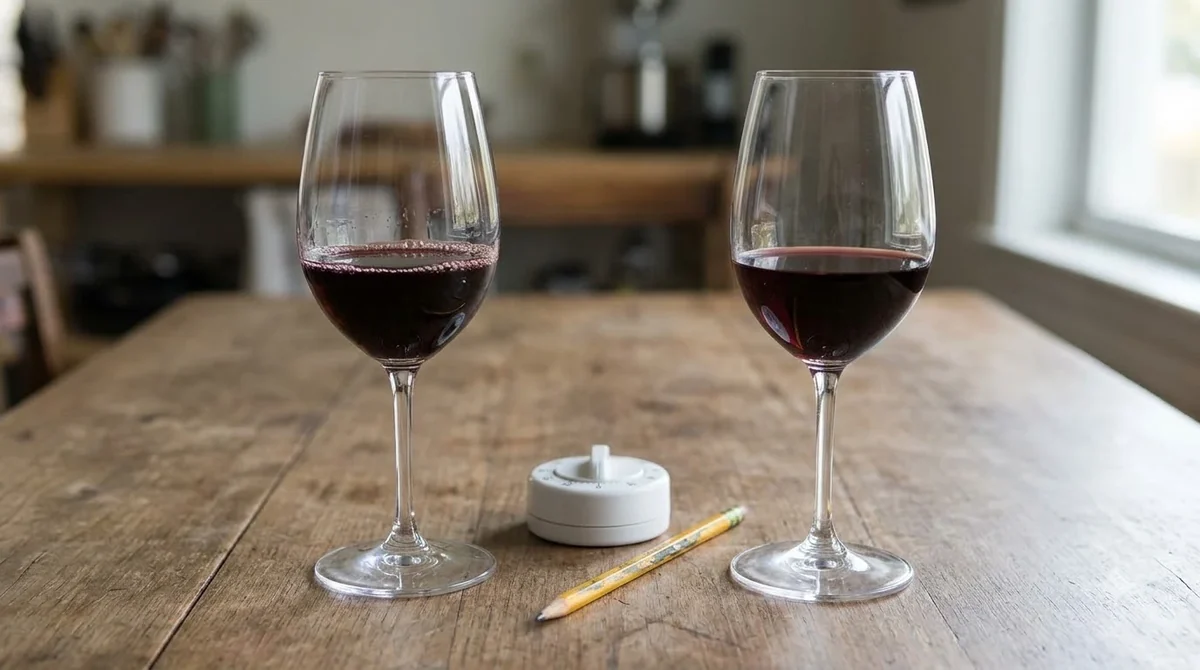
Storage affects the result as well. A wine that has been open for several days may have lost its fresh fruit, and oxidized wine can taste flat once reduced. Use an older bottle for cooking only if it still tastes pleasant on its own. Leftover wine can be kept in the refrigerator for a short time and used in the next few meals.
Common Mistakes to Avoid
The most frequent error is using a wine that is too sweet, since sugar concentrates as the liquid reduces and can make a savory sauce taste cloying. Look for a dry style unless the recipe clearly calls for sweetness.
Another mistake is adding wine too late. A splash stirred in at the end tastes raw and sharp, because the flavors have not had time to blend. Give the wine several minutes to reduce before adding the other liquids.
Finally, do not over-salt. A wine reduction becomes saltier as it concentrates, so taste before you season the finished sauce. For a more detailed overview of how the drink is made and described, the Wikipedia entry on cooking wine gives background on salt content and the difference between cooking wine and table wine.
Ingredients also affect how the wine behaves. Acidic tomatoes, rich cream and salty stock each shift the balance of a red wine sauce, so taste at each stage rather than following the timing blindly. A reduction that tastes right alone can turn bitter once tomatoes or cream are added and simmered together.
Frequently Asked Questions
Can I cook with any red wine?
You can, but a dry red you would drink with dinner gives the best results. Very sweet or heavily oaked wines can overpower a dish or taste bitter once reduced.
Does all the alcohol cook out of red wine?
Not always. Longer cooking removes more alcohol, but small amounts can remain, especially when wine is added late or the dish is only briefly heated.
Is cooking wine the same as drinking wine?
No. Cooking wine usually contains added salt and is often lower in quality. Most cooks prefer an inexpensive, drinkable table wine instead.
Can I replace red wine in a recipe?
Some cooks use stock with a splash of vinegar or grape juice as a substitute. The flavor will be different, with less tannin and acidity, so adjust the seasoning after reducing.
Cooking with red wine rewards a little planning: pick a dry bottle you enjoy, reduce it fully before adding other liquids, and taste before you season. For more ideas on matching bottles to food, start with the guide to wine by type, then try a simple pan sauce tonight.
More in Wine Types & Grapes
 Zinfandel Sugar Content: Dry Red vs. White Zinfandel GramsUpdated Nov 21, 2026
 Best Zinfandel Substitute Options for Sipping and CookingUpdated Nov 21, 2026
 Zweigelt Food Pairing: Best Dishes, Cheeses, and Serving TipsUpdated Nov 21, 2026
 Zinfandel Tannins Explained: How Structure Shapes Every BottleUpdated Nov 21, 2026
 Zinfandel Sweetness Level: Dry Red vs. Sweet White Zin ExplainedUpdated Nov 21, 2026
 Xinomavro Food Pairing: Best Dishes, Styles, and Serving TipsUpdated Nov 21, 2026