

We may earn a commission when you buy through links on this page, at no extra cost to you. Learn more.
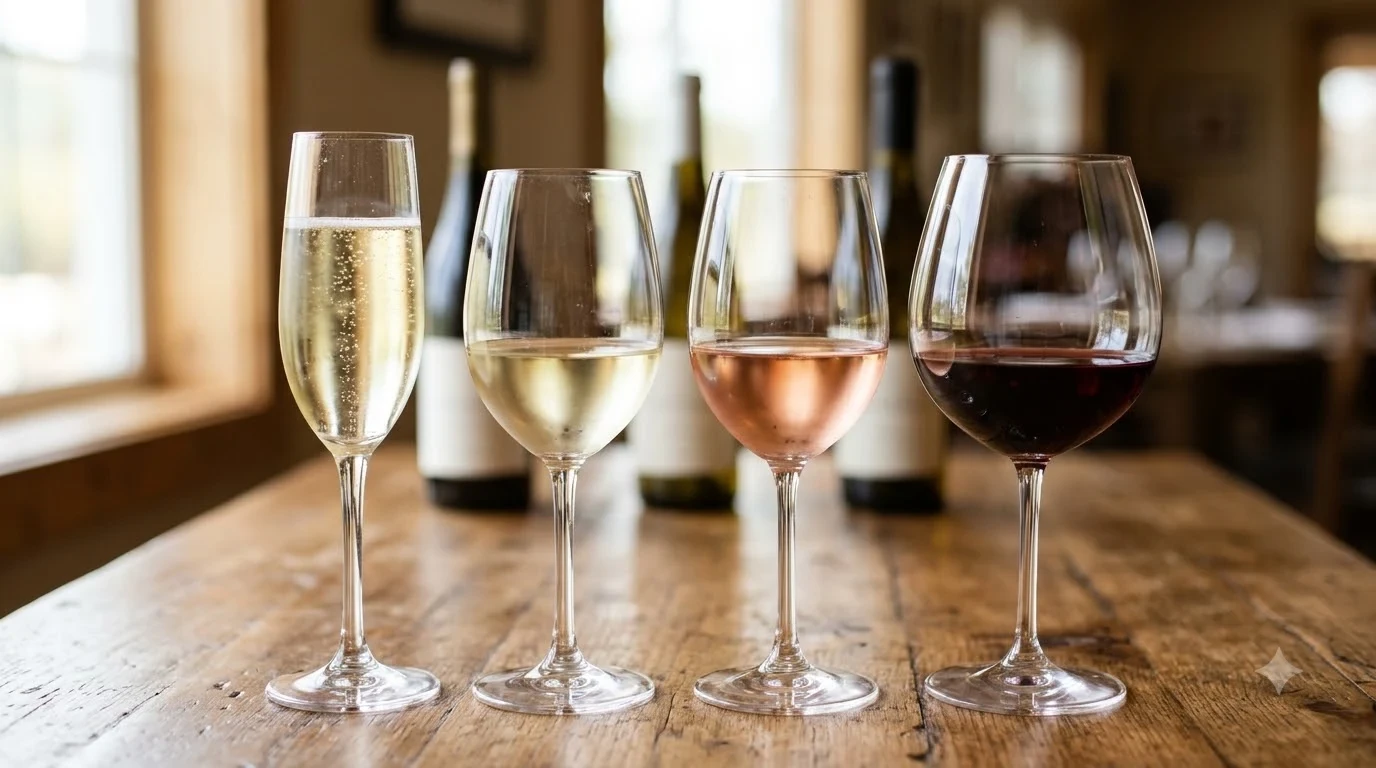
White wine acidity is the natural tartness from grape acids—primarily tartaric, malic, and citric—that gives white wine its crisp, mouthwatering lift and prevents it from tasting flat. Most wines sit between 2.5 and 4.5 on the pH scale, with bright whites clustering around pH 3.0 to 3.4. Cooler growing regions preserve higher acid levels in the grapes, while warm regions and certain cellar techniques soften that sharpness into a rounder texture.
Understanding how acid shapes a pour makes it much easier to pick a bottle you will enjoy, pair dinner without guesswork, and serve each style at the temperature where it shines. Across different Wine by Type categories, acidity acts as the structural backbone that keeps fruit flavors focused and refreshing from the first sip to the finish.
What White Wine Acidity Is and How It Tastes
Acidity is one of wine’s four core structural traits alongside sweetness, alcohol, and tannin, registering on the palate as a clean, zesty pucker that triggers salivation.
According to Wine Folly’s guide to wine acidity, wine acids are measured in two distinct ways on technical sheets: pH and total acidity (TA). The pH number reflects the intensity of the acid on a logarithmic scale, meaning a wine at pH 3.0 is ten times more acidic than one at pH 4.0. Total acidity, measured in grams per liter, tells you the overall volume of acid present, with most wines falling between 4 and 8 grams per liter.
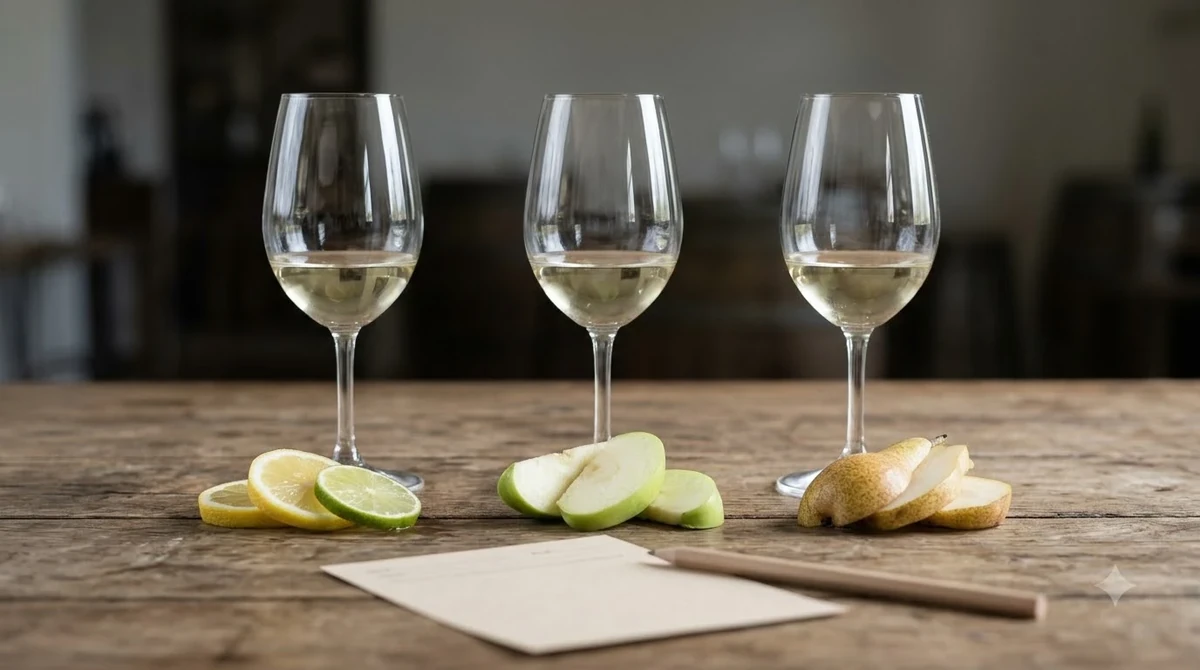
When you take a sip of a high-acid white, your salivary glands respond immediately along the sides of your tongue. Tasters describe this sensation as crisp, bright, electric, or zippy, often accompanied by notes of lemon, lime, green apple, or unripe stone fruit. By contrast, low-acid white wines feel broad, creamy, and smooth across the mid-palate, though bottles with too little acid can come across as heavy or flabby.
Sugar and carbonation heavily influence how sharp that acid actually feels in your mouth. Residual sugar buffers the perception of sourness, which is why an off-dry Riesling can carry intense natural acidity without tasting harsh. Conversely, the dissolved carbon dioxide in sparkling wine amplifies the sensation of freshness, making even moderately acidic bubbly feel brisk.
The Natural Acids Behind Every Glass
Grapes naturally produce several organic acids on the vine, and winemaking decisions can transform their balance before bottling.
Tartaric acid is the primary acid in wine grapes and provides much of the structural stability and long-term aging potential in white wine. It resists microbial breakdown better than other grape acids and occasionally forms harmless, clear crystal deposits—often called wine diamonds—on the bottom of a cork or chilled bottle. Citric acid appears in much smaller natural quantities, contributing a fresh citrus snap.
Malic acid delivers the sharp, mouth-puckering tartness you taste when biting into a crisp green apple. High-acid whites fermented in stainless steel retain their malic acid, keeping their profile linear and vibrant. However, winemakers frequently guide fuller-bodied whites like Chardonnay through malolactic fermentation (MLF), a secondary process where bacteria convert tart malic acid into softer, creamier lactic acid—the same gentle acid found in milk.
| Acid Type | Origin | Sensory Profile | Common White Wine Examples |
|---|---|---|---|
| Tartaric Acid | Naturally present in grapes | Firm structure, clean tartness, aging stability | Riesling, Chardonnay, Chenin Blanc |
| Malic Acid | Naturally present in grapes | Sharp, zesty, green-apple crunch | Sauvignon Blanc, Pinot Grigio, Chablis |
| Citric Acid | Naturally present in trace amounts | Bright lemon and lime freshness | Albariño, Vinho Verde, Muscadet |
| Lactic Acid | Created during malolactic fermentation | Soft, rounded, creamy mouthfeel | Oaked Chardonnay, White Rioja, Viognier |
How Climate and Winemaking Shape Acidity
Vineyard temperatures dictate how much acid a grape retains at harvest, while cellar choices determine whether that edge stays sharp or turns plush.
Every wine grape starts out green, hard, and packed with acid early in the growing season. As sunlight and warmth ripen the fruit, sugar levels rise while natural malic acid gradually burns away through plant respiration. In cool-climate regions—such as Germany’s Mosel Valley, France’s Loire Valley and Chablis, northern Italy, or coastal New Zealand—chilly nights slow down ripening and lock high levels of crisp acid into the berries.
Warm-climate vineyards in places like California’s Central Valley, southern Australia, or Spain’s interior ripen grapes quickly and thoroughly. Those sun-drenched conditions yield fuller-bodied white wines with lush peach, melon, and tropical fruit flavors alongside naturally lower acidity. Harvest timing also plays a decisive role: picking grapes even a few days earlier preserves noticeably brighter tension in the finished wine.
Once the juice reaches the winery, vessel choice shapes how that acidity is framed. Inert stainless steel tanks block oxygen and preserve primary fruit aromas alongside crisp, unadulterated acid. Aging in oak barrels, particularly when paired with malolactic fermentation and lees stirring, rounds off sharp edges and adds weight, vanilla, and toasted spice. Even sweet dessert styles rely on high baseline acidity to stay balanced, a principle seen in luscious reds like recioto wine as well as late-harvest white wines.
White Wine Styles Ranked by Acidity Level
White grapes span a wide spectrum from razor-sharp and citrus-driven to rich, low-acid, and full-bodied.
At the highest end of the acidity spectrum sit varieties that thrive in cool or maritime regions. Riesling, Sauvignon Blanc, Albariño, Assyrtiko, Muscadet, and unoaked Chablis (Chardonnay) consistently deliver brisk, mouthwatering freshness. Traditional-method sparkling wines such as Champagne and Crémant also fall squarely into this high-acid tier because winemakers harvest the base grapes early specifically to maintain high natural acidity.
Medium-acidity whites offer an adaptable middle ground that balances fresh fruit with gentle body. Pinot Grigio from warmer plains, Chenin Blanc, Pinot Blanc, Sémillon, and lightly oaked Chardonnay typically show enough brightness to feel lively without overwhelming the palate. These bottles bridge the gap between crisp aperitif pours and richer dinner wines.
Lower-acidity white wines trade sharp tartness for aromatic generosity and silky weight. Viognier, Gewürztraminer, Marsanne, Roussanne, and heavily oaked, warm-climate Chardonnay naturally carry higher pH levels. Because their acid profile is softer, winemakers rely on phenolic texture, floral aromatics, or oak spice to give the wine definition and length.
Tip: Check the back label or shelf talker for alcohol by volume (ABV) when shopping blind—dry white wines at 11 to 12.5 percent ABV almost always come from cooler climates with brisker acidity than dry whites at 14 percent ABV or higher.
How to Serve High- and Low-Acid White Wines
Serving temperature acts like an equalizer for white wine acidity, either sharpening its bite or letting softer textures open up.
Chilling wine suppresses fruit aromatics and emphasizes structural elements like acid and bitterness. Crisp, high-acid whites—including Sauvignon Blanc, Pinot Grigio, Albariño, and dry Riesling—taste best well chilled between 45 and 50 degrees Fahrenheit (7 to 10 degrees Celsius). Sparkling whites belong slightly colder, around 42 to 50 degrees Fahrenheit (6 to 10 degrees Celsius), to keep the mousse fine and the palate brisk.
Full-bodied, lower-acid whites require a gentler chill so their aromatics do not shut down. Oaked Chardonnay, Viognier, and white Rhône blends show far more complexity between 50 and 55 degrees Fahrenheit (10 to 13 degrees Celsius), or up to 58 degrees Fahrenheit for rich cellar bottles. Because standard kitchen refrigerators run closer to 38 to 40 degrees Fahrenheit, pulling a rich white out of the fridge 15 to 20 minutes before pouring allows the bouquet to bloom while keeping the finish fresh.
Pairing White Wine Acidity With Food
As VinePair’s wine acidity guide notes, acid in the glass functions much like a squeeze of fresh lemon over a finished dish.
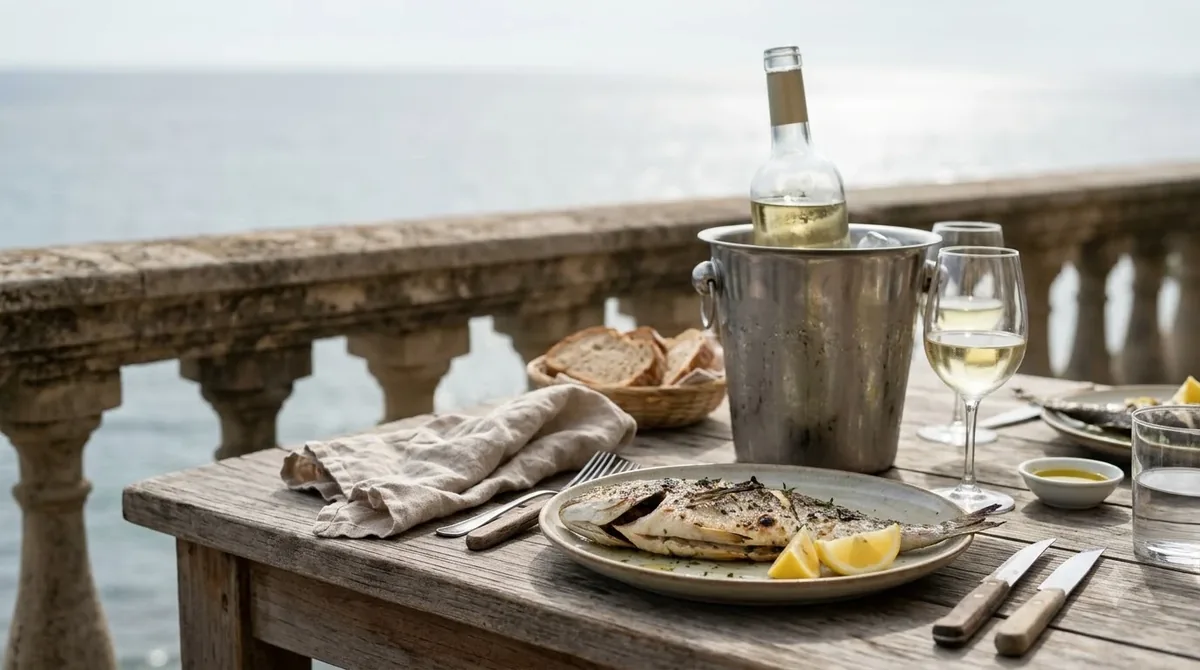
High-acid white wines excel alongside rich, fatty, fried, or creamy foods. The bright tartness cuts cleanly through butter sauces, triple-cream cheeses, fried calamari, and roast pork, scrubbing the palate clean between bites so heavy dishes never feel cloying. Salty foods—such as raw oysters, prosciutto, feta, and briny olives—also soften the perception of sharpness in high-acid pours like Muscadet or Albariño.
When pairing wine with naturally tart or acidic ingredients like tomatoes, citrus vinaigrettes, or goat cheese, match or exceed the acidity of the food. Serving a soft, low-acid Viognier next to a lemon-dressed salad makes the wine taste flat and dull because the food’s acid overwhelms the glass. Instead, reach for a zesty Sauvignon Blanc or dry Riesling, or if you prefer chilled fruit-forward pours at a summer cookout, keep crowd-pleasing options like pinot noir sangria alongside crisp whites so every dish on the table has a balanced match.
Frequently Asked Questions
Does high acidity mean a white wine is sour or bad?
No—balanced acidity is what makes white wine taste refreshing, vibrant, and food-friendly rather than dull. A wine only tastes unpleasantly sour when its acid is unripe and completely out of balance with its fruit concentration, alcohol, or residual sugar.
Why do some white wines taste creamy instead of crisp?
Creamy white wines usually come from warmer growing regions, oak barrel aging, or a cellar process called malolactic fermentation. That secondary fermentation converts sharp, apple-like malic acid into softer lactic acid, giving styles like oaked Chardonnay a rounder, richer texture.
Can white wine with high acidity age longer than low-acid white wine?
Yes, high acidity acts as a natural preservative that slows down oxidation and chemical breakdown in the bottle. Age-worthy whites such as dry Riesling, white Burgundy, Sémillon, and vintage Champagne rely on strong acid structure to evolve complex honeyed and nutty notes over decades.
Does white wine acidity affect its calorie or carb count?
Acidity itself adds virtually zero calories or carbohydrates to wine; those come from alcohol and residual sugar. Dry, high-acid whites from cool climates often have lower alcohol and minimal sugar, much like the lighter profile people look for when checking pinot noir carbs for dry red styles.
Once you start paying attention to how much your mouth waters after a sip, reading any white wine list becomes far more intuitive. Whether you crave the electric citrus snap of a cool-climate Sauvignon Blanc or the plush, rounded comfort of a barrel-aged Chardonnay, matching a wine’s acid profile to your meal and serving temperature guarantees a better glass every time.
More in Wine Types & Grapes
 Zinfandel Sugar Content: Dry Red vs. White Zinfandel GramsUpdated Nov 21, 2026
 Best Zinfandel Substitute Options for Sipping and CookingUpdated Nov 21, 2026
 Zweigelt Food Pairing: Best Dishes, Cheeses, and Serving TipsUpdated Nov 21, 2026
 Zinfandel Tannins Explained: How Structure Shapes Every BottleUpdated Nov 21, 2026
 Zinfandel Sweetness Level: Dry Red vs. Sweet White Zin ExplainedUpdated Nov 21, 2026
 Xinomavro Food Pairing: Best Dishes, Styles, and Serving TipsUpdated Nov 21, 2026