

We may earn a commission when you buy through links on this page, at no extra cost to you. Learn more.
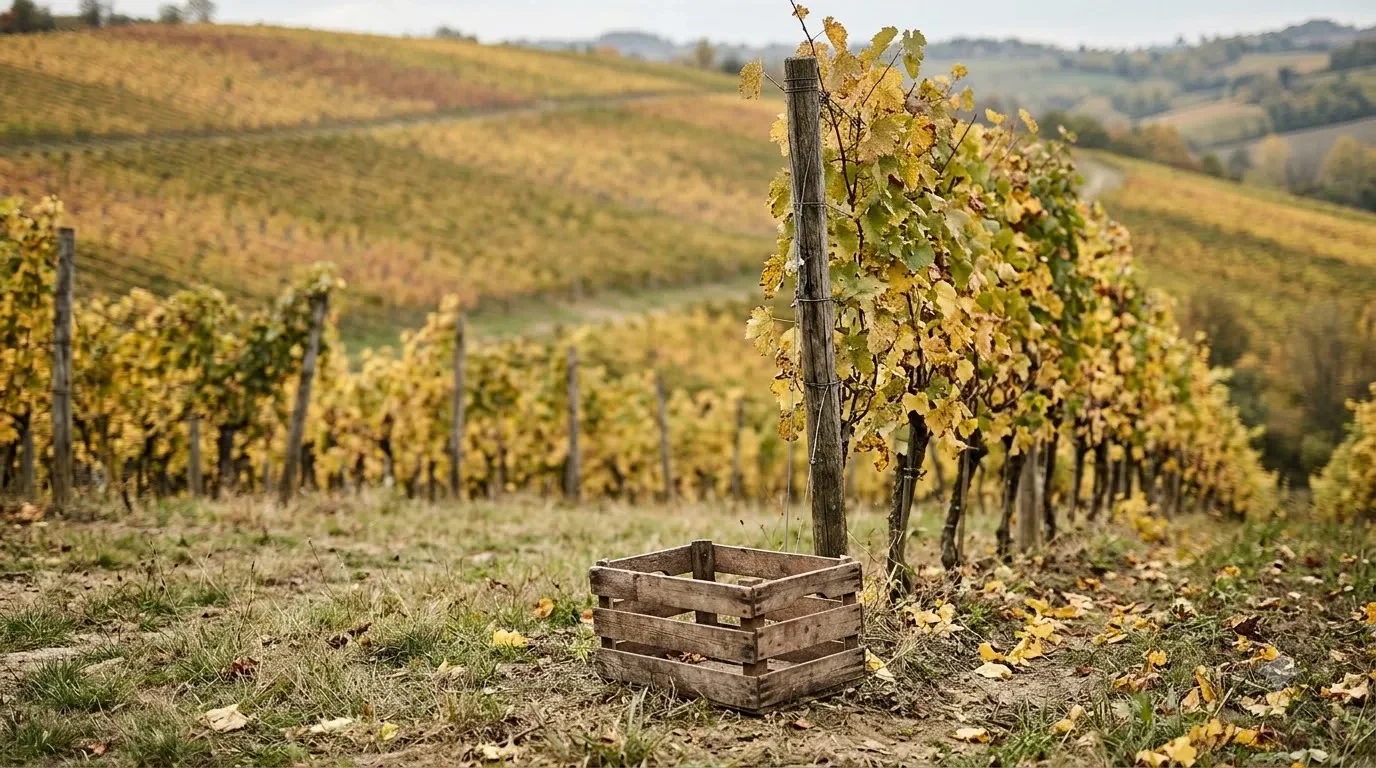
Colorado vineyards are planted in mountain valleys and high plateaus, where cool nights and strong sunlight shape the grapes. The state’s wine industry promotes its vineyards as mountain-fed and set in sunlit valleys and breezy plateaus, and the growing areas are spread across the Western Slope and Front Range. Visitors can tour small family estates and larger tasting rooms, and the state’s wine board maintains a winery finder and an interactive regional map to help plan a trip.
Colorado is not the first state most people think of for wine, but its vineyards have grown into a serious part of the American wine scene. High elevation, dry air, and large day-to-night temperature swings create conditions that many growers find useful. This guide explains what shapes Colorado’s vineyards, how the wine country is organized, and how to plan a visit.
What Shapes Colorado’s Vineyards
Colorado’s vineyards are unusual because they sit at elevations that would challenge most grape growers. Many sites are high above sea level, and the air is thinner and drier than in the coastal regions where most American wine is made. The Colorado wine board’s website describes its vineyards as mountain-fed, which points to the water that comes down from snowpack and rivers and reaches the valleys through irrigation.
The sun is strong at altitude, and the nights are often cool. That combination lets grapes build sugar during the day while keeping acidity high through the night. Growers also deal with frost, sudden weather changes, and the risk of late spring freezes, so vineyard placement and variety choice matter a great deal. The result is a wine style that often shows bright fruit and firm acidity.
How the Wine Country Is Organized
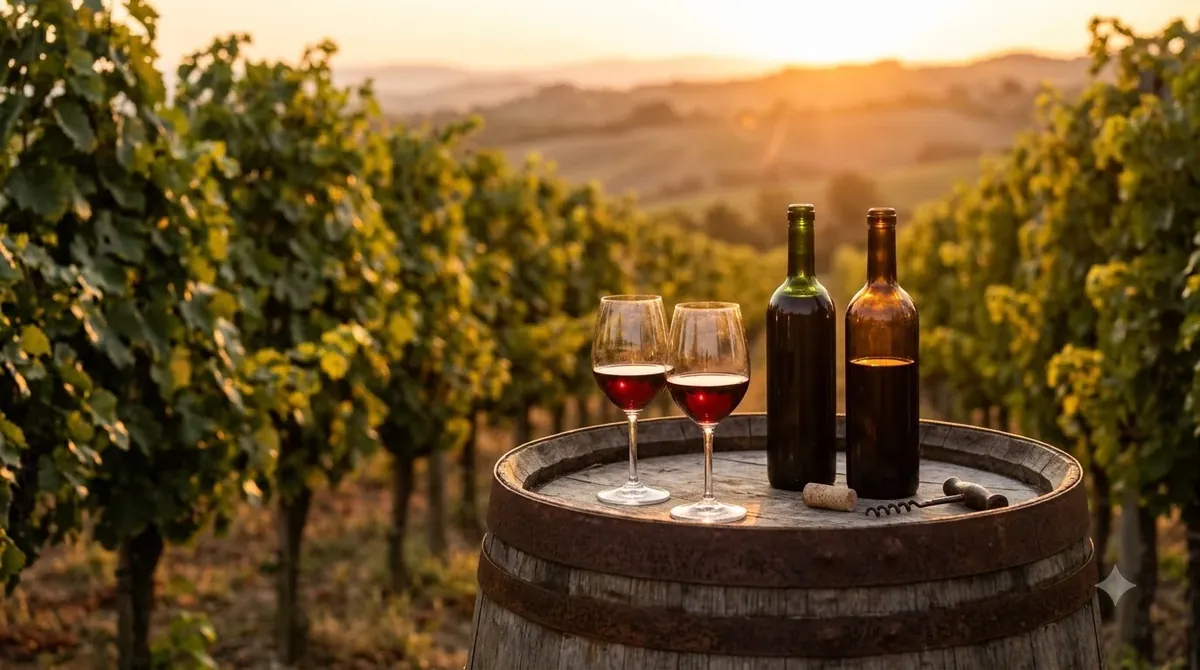
Colorado’s wine country is spread across several areas rather than gathered in one valley. Some vineyards sit on the Western Slope, where the land drops toward the river valleys, while others are closer to the Front Range and the Denver metro area. Each area has its own climate, soil, and elevation, so the wines from one part of the state can taste quite different from those in another.
The state wine board’s website helps visitors make sense of this spread. It includes a Wineries page with an interactive map of wine regions and a Winery Finder for searching specific producers. Those tools are useful when you want to see how far apart two tasting rooms are, which matters a great deal on mountain roads. For background on how regions shape wine style, the wine regions guide is a helpful read, and a contrast with a hot, dry growing area is covered in the Arizona vineyards guide.
| Tool or area | What it helps you do |
|---|---|
| Interactive wine region map | See where vineyards sit relative to each other |
| Winery Finder | Search for specific producers by name or location |
| Western Slope | A large growing area with valley and plateau vineyards |
| Front Range | Closer to the metro area, with easy access from Denver |
Planning a Visit to Colorado Wineries
The best way to plan a trip is to pick one area and build your day around a few stops. Mountain distances can be longer than they look on a map, and winter weather can close roads, so check conditions before you leave. Spring and early summer are often pleasant for outdoor tastings, while the fall brings harvest activity and a busier calendar of events.
The state’s wine board also lists a calendar of events, and some of its signature gatherings draw large crowds. Colorado Mountain Winefest is a long-running featured event, and the board’s events page includes other seasonal programs. If you plan to attend a large event, book tickets early and arrange transport in advance, since parking can be limited near busy venues.
Tip: Pick one or two wineries per half day. Altitude can make a glass of wine feel stronger than usual, and a slower pace makes the trip more enjoyable.
What to Taste in Colorado
Colorado wines often show bright fruit and clean acidity. White wines can taste crisp and lively, and red wines tend to have fresh fruit with a structured finish. Because the climate varies across the state, one winery’s style may differ sharply from another’s even when the grape is the same. Ask tasting room staff which vineyard the grapes came from, since that detail often explains the difference.
A useful way to compare wines is to focus on acidity, fruit, and finish. Acidity tells you how fresh the wine feels, fruit shows the character of the grape, and the finish reveals how long the flavors last. Try two or three wines from different producers in the same style to see how the region’s conditions show up in the glass.
Restaurants and Local Pairings
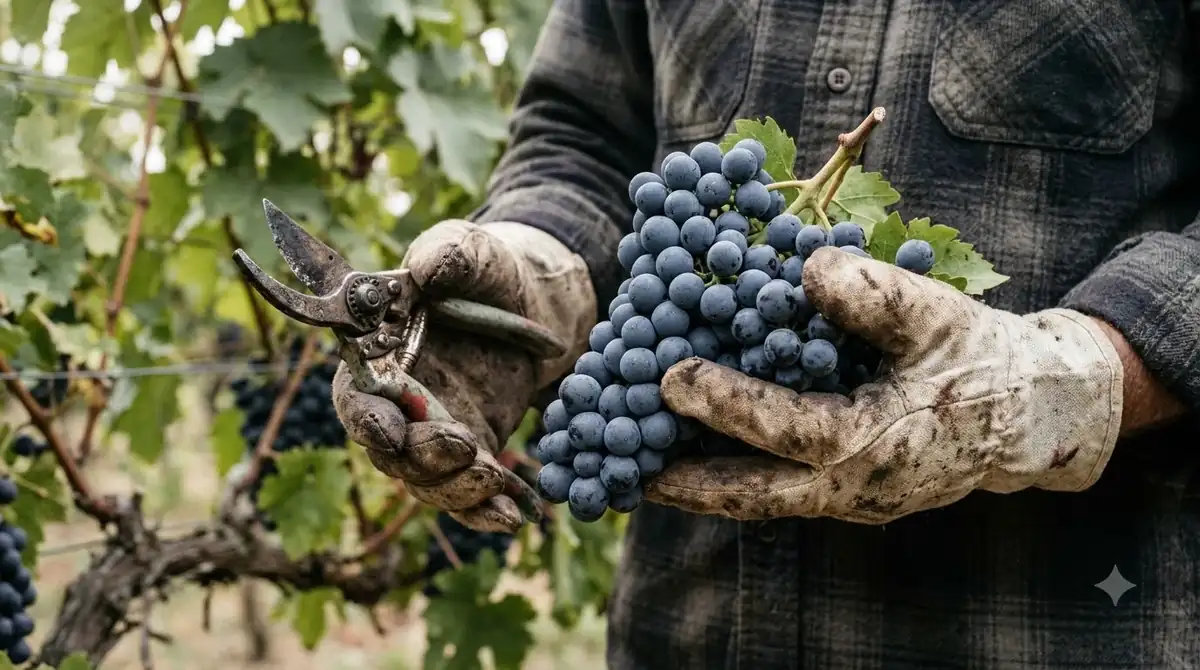
The state wine board runs a High-Elevation Wine Program that recognizes restaurants supporting Colorado wine. That program is a good guide when you want to eat and drink locally, since it highlights establishments that feature Colorado bottles on their lists. Asking a server about local producers is another good way to find something you will not see in a wine shop. Many restaurants in mountain towns also rotate their wine lists with the seasons, so a menu you check in the spring may look different in the fall, and a good server can point you toward the newest releases from nearby vineyards.
When pairing food with Colorado wine, lean toward fresh, seasonal dishes. Bright whites suit grilled fish, roasted vegetables, and salads with fresh herbs. Lighter reds can pair with roasted chicken, grilled sausages, or mushroom dishes. The region’s acidity helps the wines cut through rich or fatty food, so they work well with a range of mountain-style meals.
How to Choose a Winery to Visit
Start with your group. Families and visitors with children should check whether a property allows children in the tasting area and whether it has outdoor space. Couples who want a quiet afternoon may prefer a smaller estate with few visitors, while groups that want a lively day may choose a larger property with events and food.
Think about the setting too. Some vineyards sit on open plateaus with long views, while others are tucked into valleys with river access. Both can be lovely, but the views change with the season, so check whether the property’s grounds are open at the time of your visit. Many wineries also post their hours on their own websites, which is more accurate than general listings.
Frequently Asked Questions
Does Colorado have vineyards?
Yes. Colorado has vineyards in several parts of the state, including the Western Slope and the Front Range. The state wine board’s website lists wineries and includes a map of the regions.
What makes Colorado wine different?
Colorado vineyards often sit at high elevation, with strong sunlight, cool nights, and dry air. Those conditions tend to give wines with bright fruit and firm acidity.
How do I find a winery in Colorado?
Use the Winery Finder and interactive map on the state wine board’s website. Then check each winery’s own site for current hours, tour options, and reservation rules.
When is the best time to visit Colorado wineries?
Spring and early summer suit outdoor tastings, and the fall brings harvest activity and seasonal events. Check road and weather conditions before you travel, especially in winter.
Colorado vineyards offer a different kind of wine country, shaped by altitude and mountain light. Choose one region for your trip, use the state’s finder and map to plan your stops, and pair what you taste with local food. Over a few visits, you will start to notice how the state’s climate shows up in each bottle.
More in Wine Regions
 Willcox Wine Trail: Discover Arizona’s High-Elevation Wine CountryUpdated Nov 20, 2026
 Yakima Valley Wine Region: Find the Best Styles to TryUpdated Nov 20, 2026
 Vosne Romanee Wine Tasting: Identify Aromas and Choose Better PairingsUpdated Nov 20, 2026
 Yakima Valley Wine Festival: Find the Best Seasonal Wine EventsUpdated Nov 20, 2026
 Wales Vineyards: Discover Cool-Climate Wines and Where to VisitUpdated Nov 20, 2026
 Yountville Wine Festival: Discover Napa Wines and Local FoodUpdated Nov 20, 2026