

We may earn a commission when you buy through links on this page, at no extra cost to you. Learn more.
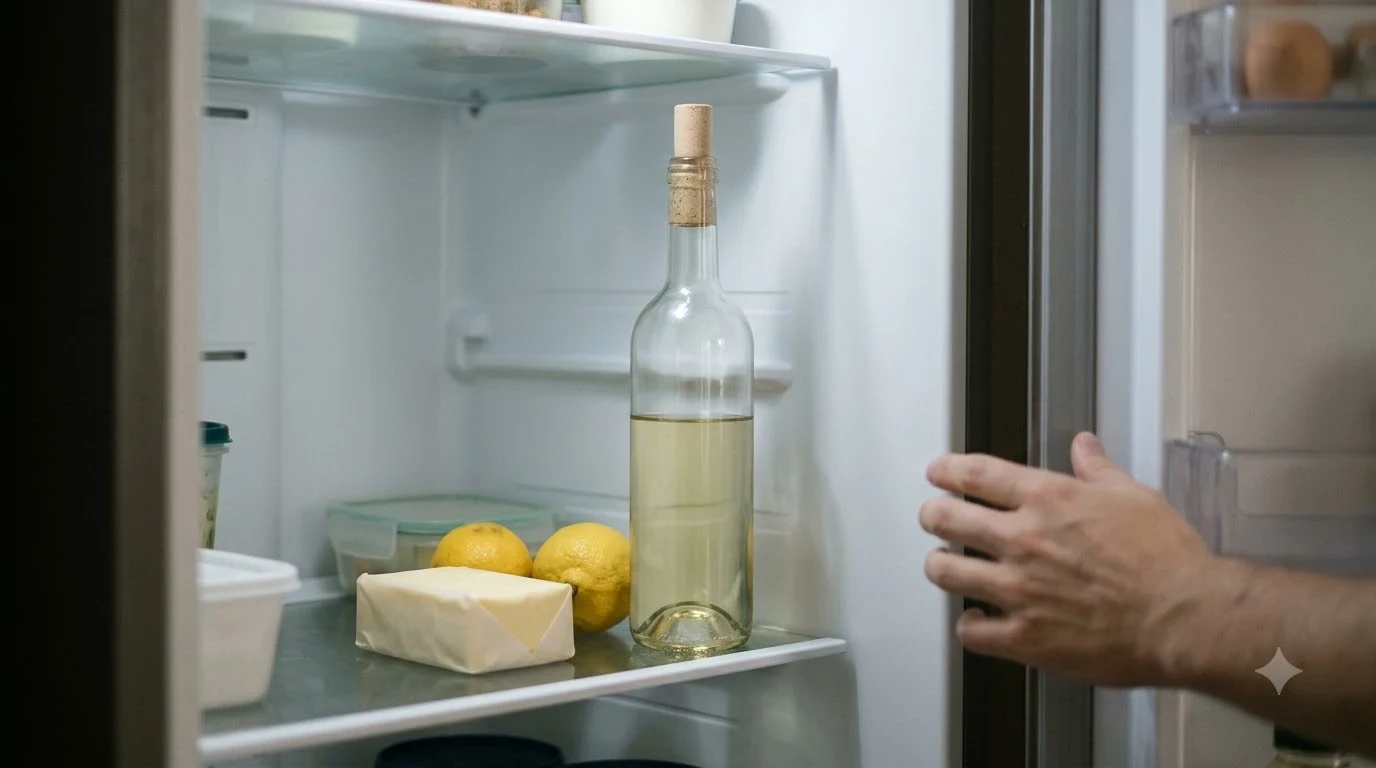
Does wine go bad in the fridge? Yes, wine can eventually go bad in the fridge, but refrigeration slows oxidation and usually keeps an opened bottle in good condition for several days. A resealed white, rosé, or red wine normally lasts about two to five days, while sparkling wine depends on a tight stopper. Fortified and sweet wines can last longer because alcohol, sugar, acidity, or earlier oxygen exposure gives them more stability.
The useful distinction is not whether a refrigerator makes wine bad, but whether it buys enough time before oxygen, light, and temperature changes damage its aroma and flavor. Store an opened bottle upright, sealed, and away from strong light; then match the storage window to the style.
What The Refrigerator Does To Wine
A refrigerator slows the chemical reactions that change wine after opening. The main problem is oxygen: it first softens aromas, then makes fruit taste dull and can push the wine toward a tired, vinegary character. A cold environment does not stop that process, but it gives you more time.
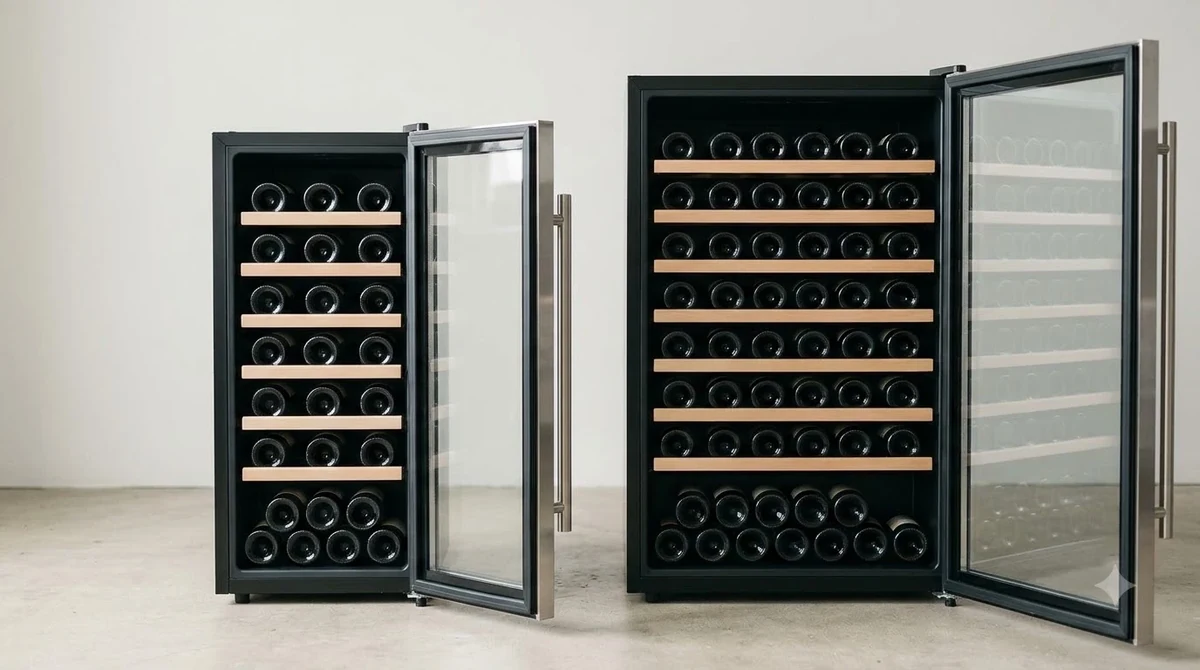
Kitchen refrigerators are usually colder than the ideal long-term range of 53–57°F, and their dry, moving air is not designed for wine aging. That is fine for a bottle you plan to drink within days. It is not a good permanent home for an unopened bottle, especially if the door is opened often or the bottle is exposed to light.
Cold storage also changes how wine tastes in the glass. A chilled full-bodied red can seem muted and more tannic, while a chilled white can show sharper acidity. Let a red sit out for roughly 20–30 minutes before serving, or pour a small sample and assess it rather than leaving the full bottle on the counter for hours.
The bottle’s position changes after opening. Keep an opened bottle upright because this reduces the wine’s surface area in contact with air. Unopened cork-sealed bottles are commonly stored on their sides near 55°F so the cork stays in contact with wine, but that long-term cellar practice is different from short-term opened-bottle storage.
How Long Opened Wine Lasts In The Fridge
The typical answer is two to five days, with style, fill level, acidity, sugar, alcohol, and closure all affecting the result. Decanter gives two to three days for refrigerated white and rosé, three to five days for many reds, and longer windows for several fortified and sweet styles. Decanter’s storage guidance also notes that a wine can become dull or vinegary before it becomes obviously unpleasant.
Use the shorter end when the bottle is nearly empty, the wine was left open for hours, or the stopper does not seal well. A bottle with only one glass missing contains a smaller air space than a bottle with four glasses missing, so it generally changes more slowly. A 750 ml bottle provides about five 5-ounce pours, which makes the remaining volume a practical clue.
| Wine style | Typical refrigerated window after opening | Best closure |
|---|---|---|
| White or rosé | 2–3 days | Original cork or screwcap |
| Light or full red | 3–5 days | Original closure, bottle upright |
| Sparkling | 1–3 days | Pressure-rated sparkling stopper |
| Sherry or Port | About 1 week for many styles | Tight stopper |
| Tawny Port | Up to 6 weeks | Tight stopper in the fridge |
| Bag-in-box wine | 4–6 weeks | Built-in tap and sealed package |
These are quality windows, not a promise that every bottle follows the same clock. WSET says a reclosed red or white can stay relatively fresh for up to five days in the fridge, while Wine Enthusiast gives about four days for many good-quality still wines. The safest habit is to date the bottle mentally when you open it, keep it cold promptly, and use the style-specific range above.
Fortified wine needs more detail. Sherry and Port often last about a week, while Decanter reports that ruby and reserve Port can last a few weeks and tawny Port up to six weeks in the refrigerator. Madeira and Marsala can last for months because their production involves substantial oxygen exposure and, in many examples, high acidity; vintage Port is less durable after opening and is better used within a few days.
How Sparkling Wine Changes In Cold Storage
Sparkling wine has two separate concerns: oxidation and loss of carbon dioxide. The cold helps slow flavor changes, but only a proper sparkling stopper can hold pressure. Prosecco, Champagne, and Cava may keep some fizz for one to three days in the fridge; Champagne and Cava often retain bubbles longer than tank-method Prosecco.
Do not rely on a spoon placed in the bottle neck. WSET identifies that method as ineffective and recommends a sparkling wine stopper instead. A stopper that grips the rim keeps pressure inside, whereas an ordinary cork can be forced out or fail to seal the bottle securely.
The amount left in the bottle matters more for bubbles than many people expect. A nearly full bottle has more liquid and less headspace, while a half-empty bottle has more room for carbon dioxide to escape. If the bottle is more than half empty, plan to use it within about one to two days for the best texture.
Vacuum pumps are a poor choice for sparkling wine because removing air also removes pressure and leaves the wine flat. Inert-gas systems designed for still wine are not a universal substitute for a pressure-rated stopper. Keep sparkling wine cold, dark, and upright after opening, and pour it gently to preserve the remaining mousse.
How To Store An Open Bottle Correctly
Good storage takes less than a minute and addresses the three main sources of quality loss: oxygen, warmth, and light. A clean seal and a prompt move to the refrigerator do more than a complicated gadget used after the bottle has already sat open.
First, replace the cork or screwcap immediately after pouring. If the cork goes back in, use the wine-stained end rather than pushing the clean end into the bottle, because the clean end may carry new contaminants. If the original closure is lost, use a purpose-made stopper; do not force an oversized object into the neck.
Second, store the bottle upright in a dark part of the fridge. Upright storage reduces the wine’s exposed surface area, and darkness protects color and aroma. Do not repeatedly move the bottle from cold storage to a warm counter and back again, because temperature swings are more damaging than a stable short stay in the refrigerator.
Third, reduce headspace when possible. Wine Enthusiast recommends transferring leftovers into a 375 ml half bottle with a screwcap because less air remains above the wine. This works best when the smaller bottle is clean, filled nearly to the neck, closed tightly, and chilled immediately.
Tip: For a partly full still-wine bottle, pour the remainder into a clean smaller bottle before refrigerating; reducing the air gap usually helps more than simply leaving the wine in a large bottle with a loose cork.
Preservation tools can extend the window, but they do not erase the effect of oxygen. A vacuum pump may add roughly one to two days according to Decanter’s guidance, while an argon system can protect a bottle longer by placing inert gas above the wine. These tools are most useful for expensive still wines that you pour in small amounts, not as a reason to ignore a weak seal or warm storage.
For ordinary weeknight bottles, the simple sequence is enough: pour, reseal, stand upright, refrigerate, and return the wine to a suitable serving temperature. The Wine Storage & Serving Temps guide can help you choose the right temperature once the bottle comes back out.
How To Tell If Refrigerated Wine Has Gone Bad
Wine that has gone bad from age or oxygen usually announces itself through aroma, flavor, and appearance rather than a single calendar deadline. The most common warning signs are muted fruit, a flat or tired palate, a brownish color in a wine that should look bright, and a sharp vinegar-like note.
Start with the smell. Fresh Sauvignon Blanc should show recognizable citrus or herb notes, and a fresh Pinot Noir should retain fruit and floral character; if both seem faint, stale, or dominated by bruised-apple aromas, oxidation has progressed. A vinegar smell or an acetic, solvent-like edge points to volatile acidity and is a strong reason to stop using the wine as a drink.
Look at the color next. White wine that has shifted from pale straw to deep gold or brown, or rosé that has lost its fresh pink tone, may be oxidized. Red wine naturally changes with age, so color alone is not proof; combine it with a dull aroma or sour taste. Sediment is not automatically spoilage because some older reds form harmless deposits.
Take a small sip only if the aroma seems normal. A wine may be flat, sour, or flavorless without being a safety concern, but that does not make it enjoyable. If the bottle has an unusual smell, visible mold at the closure, or an unexpectedly fizzy texture in a still wine, discard it rather than trying to rescue it with extra chilling.
Use the how long does white wine last after opening guide for a style-specific white-wine timeline. The most useful rule is to treat the ranges as quality guidance, then judge the bottle by its aroma and taste before serving it to guests.
When To Chill Unopened Bottles And When To Serve
An unopened bottle does not normally become bad just because it spends a short period in a household refrigerator. The concern is long-term storage: domestic fridges are often near 35–40°F, much colder than the roughly 53–57°F range Wine Enthusiast recommends for general wine storage, and the motor, light, dryness, and door movement create an unsuitable aging environment.
Chill an unopened bottle for the time needed to serve it, then move it to a stable, dark place if you are saving it for later. Sparkling wine is best served around 40–50°F; light whites and rosé around 45–50°F; full whites around 50–55°F; light reds around 55–60°F; and full reds around 60–65°F. Sweet whites generally show well at 43–50°F.
After refrigeration, give a full red time to warm before deciding that it tastes closed. A 60–65°F serving target can take 20–30 minutes on a cool counter, depending on bottle size and room temperature. For a white, rosé, or sparkling wine, serve soon after removing it so the glass stays within the intended range.
Unopened cork-sealed bottles stored for months are commonly kept on their sides near 55°F, while opened bottles should stand upright in the fridge. That change in position is practical: the unopened bottle benefits from cork contact, while the opened bottle benefits from minimizing the liquid’s contact with air.
Frequently Asked Questions
Can wine freeze in a household refrigerator?
A normal refrigerator keeps wine liquid, but a freezer can freeze it because wine contains water. Expansion can push out a cork or crack a bottle, and sparkling wine is especially risky because it is already under pressure.
Does screwcap wine last longer than cork-sealed wine after opening?
A screwcap usually makes resealing easier and more consistent, but it does not make the wine immune to oxygen. The wine’s acidity, sugar, alcohol, fill level, and storage speed still matter more than the closure material alone.
Can you cook with refrigerated wine that no longer tastes fresh?
A dull but clean-smelling wine can work in a sauce, braise, or pan deglaze. Avoid wine with mold, a strong vinegar character, or an unusual odor because cooking does not reliably remove every off-aroma.
Why does a refrigerated red wine taste harsher?
Cold temperatures suppress aroma and can make acidity and tannin feel more prominent. Cabernet Sauvignon and Syrah, which commonly have higher tannin, can seem especially firm when served below their usual range.
Is a half bottle better than a full bottle for leftover wine?
Yes, if it is clean and filled nearly to the neck, because it leaves less air above the wine. A 375 ml half bottle is about half the capacity of a standard 750 ml bottle and is a practical size for one or two leftover glasses.
Refrigeration is a quality-preserving step, not a permanent solution: seal the bottle, keep it upright and dark, and use the appropriate two-to-five-day window for most opened still wines. Sparkling, fortified, sweet, and bag-in-box wines follow different timelines, so match the closure and serving plan to the style.
When in doubt, smell a small pour and look for fresh fruit, clean acidity, and the wine’s normal color. A cold bottle that is past its best may be flat or dull, but a promptly resealed bottle usually gives you enough time to enjoy it without rushing the next glass.
More in Storage & Fridge Care
 How Long Can You Store Wine in a Wine Fridge? Protect Bottle QualityUpdated Nov 20, 2026
 Can You Store Beer in a Wine Fridge? Keep Both Drinks FreshUpdated Nov 20, 2026
 Is It Worth Repairing a Wine Fridge? Spot the Cheap Fixes Before You ReplaceUpdated Nov 20, 2026
 Wine Fridge Condensation: Identify Causes and Fix Moisture ProblemsUpdated Nov 20, 2026
 Wine Fridge Too Cold: Protect Your Wine and Fix the TemperatureUpdated Nov 20, 2026
 How to Reset Wine Fridge: Restore Cooling and SettingsUpdated Nov 20, 2026