

We may earn a commission when you buy through links on this page, at no extra cost to you. Learn more.
How long does white wine last after opening? Usually a few days when it is kept cold and tightly closed, though the exact window depends on the style and how it was stored. Oxygen is the main reason an open bottle fades. Once the cork is out, air reaches the wine a little more each day, and the fresh fruit and acidity gradually flatten. Light, crisp whites tend to lose their character sooner than rich, oaked ones, so the same storage habit can give very different results from one bottle to the next.
Many people finish a bottle of white wine in one evening, but leftovers are common, especially after a small dinner or a weekday glass. Knowing how an open bottle changes makes it easier to decide whether to keep the rest or pour it out. This guide explains what happens to white wine once the seal is broken, how to store it to slow the change, and how to tell when it has gone off.
What Happens to White Wine Once It Is Opened
A sealed bottle of wine is protected from oxygen by the cork and the glass. When the bottle is opened, the wine starts to meet air at the surface and through the top of the bottle. Wikipedia’s wine preservation article notes that oxygen can cause wine to oxidize, and that oxidation speeds up at higher temperatures. That is why the same bottle lasts longer in a refrigerator than on a warm kitchen counter.
The change is gradual. The first thing many people notice is that the aromas become less bright, and the wine tastes less fresh. Over more time, the flavors can turn dull or sherry-like, and the wine may take on a stale, cardboard quality. These changes do not usually make the wine unsafe to drink in the short term, but they can make it unpleasant.
| Stage after opening | What you may notice |
|---|---|
| First day | The wine tastes close to how it did when first poured |
| Next few days | Aromas soften, and the fruit feels less lively |
| Longer than that | Flavors flatten, and the wine can smell stale or taste dull |
Wine stored in a bottle with a screw cap or a synthetic closure may behave a little differently from one sealed with cork, since the seal changes how much air gets in over time. Once the bottle is open, though, the same basic rule applies: less air and colder storage slow the change, while warm, half-empty bottles fade fastest.
The table is a general pattern, not a fixed timeline. A bottle with high acidity and a light body may hold its shape longer than a soft, low-acid wine with little structure.
How Long White Wine Lasts in the Fridge
Refrigeration is the most reliable way to slow an open bottle of white wine. Cold temperatures reduce the speed of oxidation, so a white kept in the refrigerator will usually last longer than one left on the counter. Most white wine is served cool anyway, so the fridge is also the most convenient place to keep it between glasses.
Wikipedia’s wine preservation article does not give a set number of days for opened wine, so the safest approach is to judge each bottle by taste and smell. A crisp, unoaked sauvignon blanc or pinot grigio will show change sooner than a rich, oaked chardonnay. If the wine still smells clean and tastes fresh, it is usually fine to keep drinking it. If it smells sharp, vinegary or stale, pour it out.
How to Store Open White Wine to Make It Last
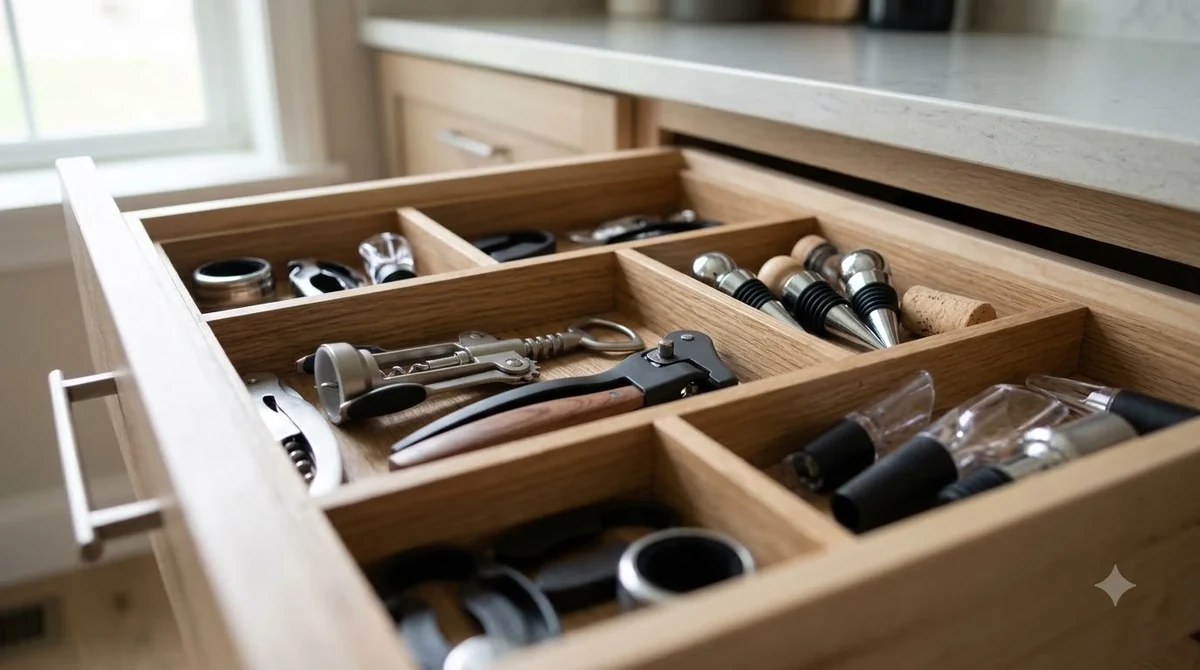
Start by recorking the bottle tightly after each pour. The original cork is not designed for repeated use and may not seal well after it has been pushed back in. A stopper with a good seal is a better choice. Vacuum pumps and wine stoppers can remove some of the air, which slows oxidation. They do not stop it entirely, but they help.
Store the bottle upright in the refrigerator, on a shelf rather than in the door, where the temperature changes each time the door opens. Keep it away from strong-smelling foods, because wine can pick up odors through a loose closure. If you plan to keep the bottle for several days, pour the remaining wine into a smaller container so there is less air above it.
Some people use inert gas systems, which fill the bottle with nitrogen or argon to push out oxygen. Wikipedia notes that nitrogen helps prevent wine from oxidizing and spoiling prematurely, and these systems are common in restaurants and wine bars. They are not essential at home, but they explain why a glass served from a pressurized system can taste fresher than one from a bottle left open.
Signs That Open White Wine Has Gone Bad
Smell is the best first test. Fresh white wine has fruit, citrus or floral notes, depending on the grape. Wine that has oxidized can smell like nail polish remover, vinegar, wet cardboard or stale nuts. Taste the wine only after the smell test, and take a small sip. If it tastes sharp, dull or unpleasant, it has passed its best.
Look at the wine too. A clear white should not look cloudy, and a bottle that has been left out in heat for a long time may show a darker, more amber color than when it was first opened. These are signs that the wine has aged past the point of freshness, even if it is not harmful.
Can You Cook With Open White Wine?
Yes. Open white wine that has lost its fresh character still works well in cooking. The heat and the other ingredients mask many of the flat notes, and the wine adds acidity and body to a sauce. A splash in risotto, a pan sauce for fish or a simmer with mussels works well with a wine that is past its best for drinking.
Use the leftover wine within a short time and keep it refrigerated until you cook with it. For a longer list of dishes that use white wine well, see open wine and preservation in our storage guides, or check how wine stays fresh in a fridge in does wine go bad in the fridge.
Frequently Asked Questions
How long does white wine last after opening in the fridge?
It depends on the wine and how tightly it is closed. A crisp, light white usually shows change sooner than a rich, oaked one. Judge the bottle by smell and taste each day rather than relying on a fixed count.
Is it safe to drink white wine that has been open for a few days?
Wine that has been stored cold and smells clean is usually safe to drink, even if its flavor has faded. Wine that smells sharp, vinegary or stale is past its best and should be poured out.
Does leaving white wine on the counter spoil it faster?
Yes. Warm temperatures speed up oxidation, so a bottle left on a warm counter loses its freshness faster than one kept in the refrigerator.
Do wine stoppers keep white wine fresh?
A good stopper or a vacuum pump slows oxidation by reducing the air in the bottle. It does not stop the change completely, so it works best combined with refrigeration.
An open bottle of white wine is easiest to manage when you plan for it. Recork it tightly, keep it cold and pour a small amount into a smaller container if you expect to finish the bottle later. When the wine no longer tastes fresh, use it in cooking. For more storage ideas, return to open wine and preservation and keep your next bottle in the right spot from the start.
More in Storage & Fridge Care
 How Long Can You Store Wine in a Wine Fridge? Protect Bottle QualityUpdated Nov 20, 2026
 Can You Store Beer in a Wine Fridge? Keep Both Drinks FreshUpdated Nov 20, 2026
 Is It Worth Repairing a Wine Fridge? Spot the Cheap Fixes Before You ReplaceUpdated Nov 20, 2026
 Wine Fridge Condensation: Identify Causes and Fix Moisture ProblemsUpdated Nov 20, 2026
 Wine Fridge Too Cold: Protect Your Wine and Fix the TemperatureUpdated Nov 20, 2026
 How to Reset Wine Fridge: Restore Cooling and SettingsUpdated Nov 20, 2026