

We may earn a commission when you buy through links on this page, at no extra cost to you. Learn more.
If you are wondering what is strawberry wine, it is a fermented fruit wine crafted from ripe strawberries rather than traditional wine grapes, yielding a pink to ruby-hued beverage with bright berry aromatics and refreshing acidity. Because strawberries naturally contain less fermentable sugar and tannin than wine grapes, winemakers typically add cane sugar or honey before fermentation to reach a standard table-wine strength of roughly 10 to 13 percent alcohol by volume. Modern bottlings range from bone-dry and sparkling to plush, semi-sweet dessert styles.
Once dismissed as overly sugary porch sippers, fruit wines have experienced a serious craft revival across North America. Today, artisan wineries treat orchard and field berries with the same fermentation discipline as classic Wine by Type categories, producing bottles that hold their own at the dinner table.
What Is Strawberry Wine and How Is It Made?
Strawberry wine belongs to the broader family of country or fruit wines, which are fermented from agricultural crops other than Vitis vinifera grapes. Winemakers crush ripe strawberries, extract their juice, and introduce yeast to convert natural and added sugars into alcohol and carbon dioxide.
While grape juice naturally carries an ideal balance of sugar, acid, and skin tannins, strawberries present distinct chemical hurdles that require thoughtful cellar work. Fresh strawberries are roughly ninety percent water and contain considerably lower sugar levels than ripe vineyard grapes. Left entirely on their own, fermented strawberries would yield a thin, low-alcohol cider-like drink that spoils quickly. To build structure and stability, producers dissolve cane sugar, beet sugar, or honey into the strawberry must before pitching yeast, targeting a starting sugar density that yields a balanced table wine.
Acid and tannin management also shape the final character of the bottle. Strawberries contain citric and malic acids rather than the tartaric acid dominant in grapes, which gives the finished wine a bright, mouthwatering snap. Because strawberry seeds and skins contribute very little astringency, winemakers frequently add a small measure of grape tannin, black tea, or oak aging to give the mid-palate grip and length. After primary fermentation finishes—often taking three to six weeks in temperature-controlled tanks—the wine is racked off its sediment, clarified, and either bottled dry or back-sweetened to highlight the fresh fruit aroma.
Flavor Profile and Common Styles
In the glass, strawberry wine displays hues ranging from pale salmon-pink to translucent ruby, accompanied by unmistakable aromas of crushed summer berries, white blossoms, and subtle green leafiness. On the palate, it delivers vibrant red-berry fruit backed by crisp acidity, though the finish varies widely depending on residual sugar and carbonation.

Traditional sweet and semi-sweet styles remain the most familiar expressions on retail shelves. In these bottlings, winemakers arrest fermentation early or add a measured dose of sugar after stabilization so the wine tastes like biting into a peak-season berry. Without enough natural acidity, poorly balanced sweet versions can feel syrupy, whereas well-crafted examples maintain a lively tartness that keeps every sip refreshing.
A growing number of craft producers are pushing the category toward drier, more savory territory. As VinePair reports on modern fruit winemakers, fermenting local berries completely dry reveals unexpected complexity, mineral tension, and food-friendly structure. Dry strawberry wines trade jammy sweetness for notes of wild alpine strawberry, rhubarb, hibiscus, and wet stone. Winemakers also produce sparkling strawberry wines—made either via tank carbonation or the traditional bottle-fermented method—as well as fortified dessert styles enriched with neutral grape brandy.
| Style | Sweetness Level | Typical Alcohol | Key Tasting Notes |
|---|---|---|---|
| Dry Still | Bone-dry to off-dry | 11%–13% ABV | Tart wild strawberry, rhubarb, hibiscus, crisp mineral finish |
| Semi-Sweet Table | Noticeably sweet | 10%–12% ABV | Ripe garden berry, candied citrus peel, juicy mid-palate |
| Sparkling / Pét-Nat | Brut to demi-sec | 9%–12% ABV | Fresh berry mousse, green stem snap, lively bubbles |
| Fortified Dessert | Rich and sweet | 16%–18% ABV | Strawberry jam, vanilla, warm spice, velvety texture |
Where Strawberry Wine Is Produced
Unlike grape varieties tied to famous European appellations, strawberry wine is made wherever fertile farmland supports commercial berry harvests. Across the United States, production thrives in agricultural belts throughout the Pacific Northwest, the Midwest, New England, and the Mid-Atlantic.
These regions share cooler climates or shorter growing seasons where traditional wine grapes can struggle against frost, disease, or uneven ripening, yet strawberries flourish. According to Wine Enthusiast’s guide to fruit wine, the local-agriculture movement has encouraged orchardists and berry growers to ferment their harvests into value-added wines that reflect regional terroir. States such as Washington, Oregon, Michigan, New Hampshire, and Pennsylvania host dozens of farm wineries dedicated to small-batch berry and orchard bottlings.
Beyond North America, strawberry winemaking also appears in parts of Northern Europe and East Asia, where berry cultivation is deeply rooted in rural farming. In places like Poland, Germany, and Japan, local producers craft both still table versions and sweet aperitif styles from regional cultivars, proving that the fruit translates well across diverse winemaking traditions.
How to Serve and Store Strawberry Wine
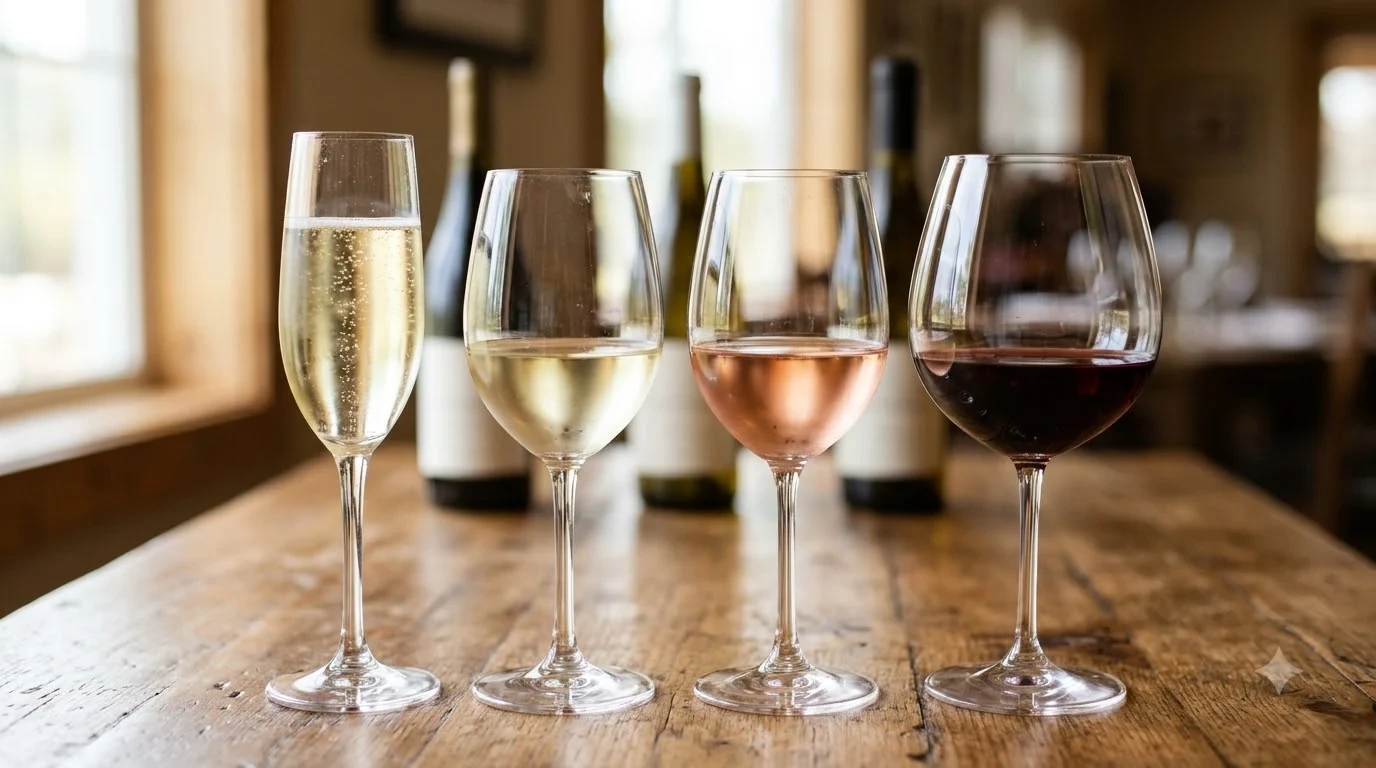
Strawberry wine shines brightest when served well chilled, which preserves its delicate floral aromatics and keeps its natural fruit sweetness from feeling heavy. Proper glassware and gentle handling also help showcase the wine’s fresh berry character before oxidation dulls the color.
For dry, semi-sweet, and sparkling bottlings, aim for a serving temperature between 45 and 50 degrees Fahrenheit—roughly two to three hours in a standard home refrigerator. Serving the bottle too warm emphasizes alcohol and makes sweeter styles taste cloying, while serving it ice-cold straight from a freezer mutes the subtle herbal and blossom notes. Fortified dessert versions can be poured slightly warmer, around 55 degrees Fahrenheit, to let their richer jam and spice aromas open up in the glass.
A standard tulip-shaped white wine glass or universal stemware works best, channeling the volatile strawberry esters toward your nose while maintaining a cool temperature. Unlike structured red grape wines that benefit from years of cellar aging, strawberry wine is meant to be enjoyed young. Its vibrant pink pigments—known as anthocyanins—are naturally fragile and gradually shift toward amber-orange over time. Store unopened bottles on their sides in a cool, dark cabinet away from direct sunlight, and plan to drink most table styles within one to two years of release. Once opened, recork the bottle tightly and keep it in the refrigerator for up to three to five days.
Tip: If a bottle of semi-sweet strawberry wine feels slightly too rich on its own, pour it over a single large ice cube with a splash of dry sparkling water and a fresh basil leaf for an instant summer spritz.
Food Pairing Ideas for Strawberry Wine
Thanks to its bright acidity and soft, low-tannin profile, strawberry wine is remarkably versatile at the table. Rather than limiting it to the dessert course, treat dry and off-dry bottles much like a crisp rosé or a light, chillable red.
Savory dishes with gentle saltiness, creamy textures, or mild spice create especially rewarding contrasts. Soft, tangy cheeses such as fresh chèvre, burrata, brie, and feta balance the wine’s berry fruit while matching its lively acidity. Charcuterie boards featuring prosciutto, mild salami, and toasted almonds also pair effortlessly, as the wine cleanses the palate between rich bites. For main courses, dry strawberry wine complements grilled salmon, herb-roasted chicken, pork tenderloin with fruit glaze, and lightly spiced Thai or Vietnamese noodle salads.
When pouring sweeter or fortified styles, match the wine’s sweetness level to the dish so the food does not make the wine taste tart or thin. Classic companions include dark chocolate tarts, vanilla panna cotta, lemon pound cake, and almond biscotti. For warm-weather gatherings, a chilled bottle also makes an aromatic base for seasonal punches—similar to how a fruity pinot noir sangria layers fresh orchard fruit with bright wine acidity.
How to Choose a Quality Bottle
Because commercial strawberry wines span everything from mass-market novelty bottles to serious farm-winery cuvées, reading the label carefully is the easiest way to find a bottle that fits your palate. A few quick cues on ingredients, residual sugar, and producer transparency separate standout wines from artificial-tasting ones.
Start by checking the ingredient statement or back-label notes to confirm the wine is fermented from whole strawberries rather than grape wine flavored with synthetic strawberry syrup. Real fruit wines naturally carry slight variations in color from vintage to vintage, whereas neon-pink liquids with long shelf-stabilizer lists often rely on added flavorings. Looking for a stated sweetness scale—such as dry, off-dry, or semi-sweet—or checking the alcohol percentage also helps predict the style, as bottles around 12 percent alcohol with no residual sugar listed are typically crisp and dry.
If you enjoy the bright red-berry profile of lighter grape wines—and keep an eye on nutritional details like pinot noir carbs when comparing dry versus sweet pours—seek out estate farm wineries that harvest local berries at peak ripeness. Tasting room staff and independent wine shops can point you toward small-batch producers who ferment cool and avoid heavy back-sweetening. On the opposite end of the spectrum, if you crave plush, concentrated sweetness after dinner, explore rich traditional dessert styles like recioto wine alongside fortified berry bottlings to see how different fruits express concentrated sweetness.
Frequently Asked Questions
Is strawberry wine made from grapes or real strawberries?
Authentic strawberry wine is fermented directly from real, crushed strawberries rather than grapes. However, some budget-friendly commercial bottles use a neutral white grape wine base infused with strawberry juice or flavoring, so checking the label for 100 percent strawberry fermentation ensures a true fruit wine.
Does strawberry wine always taste sweet?
No, strawberry wine can range from bone-dry to intensely sweet depending on how the winemaker manages fermentation. While many traditional bottles retain noticeable residual sugar, modern craft producers frequently ferment the juice completely dry, resulting in a crisp, tart wine reminiscent of dry rosé.
How strong is strawberry wine compared to regular wine?
Most still strawberry wines contain between 10 and 13 percent alcohol by volume, putting them right in line with standard grape table wines like Pinot Noir or Sauvignon Blanc. Sparkling versions may sit slightly lower around 9 to 11 percent, while fortified dessert styles can reach 16 to 18 percent.
Can strawberry wine age in a cellar like red grape wine?
Most strawberry wines are crafted for early consumption and do not benefit from long-term cellar aging. Because strawberries lack the heavy tannins and tartaric acid structure of red wine grapes, their fresh fruit aromas and rosy color fade after one to two years in the bottle.
Whether poured crisp and dry alongside a summer cheese board or sipped lightly chilled on a warm evening, strawberry wine offers a vibrant, distinctly agricultural take on winemaking. Seeking out small-batch bottles made from ripe, locally grown berries is the best way to experience just how complex and refreshing this classic fruit wine can be.
More in Wine Types & Grapes
 Zinfandel Sugar Content: Dry Red vs. White Zinfandel GramsUpdated Nov 21, 2026
 Best Zinfandel Substitute Options for Sipping and CookingUpdated Nov 21, 2026
 Zweigelt Food Pairing: Best Dishes, Cheeses, and Serving TipsUpdated Nov 21, 2026
 Zinfandel Tannins Explained: How Structure Shapes Every BottleUpdated Nov 21, 2026
 Zinfandel Sweetness Level: Dry Red vs. Sweet White Zin ExplainedUpdated Nov 21, 2026
 Xinomavro Food Pairing: Best Dishes, Styles, and Serving TipsUpdated Nov 21, 2026