

We may earn a commission when you buy through links on this page, at no extra cost to you. Learn more.
Ravines wine is a Finger Lakes, New York collection known especially for dry, mineral-driven Riesling, alongside Chardonnay, Pinot Noir, Cabernet Franc, sparkling wine, and rosé. The wines are shaped by cool-climate conditions and distinct vineyard sites near Seneca and Keuka Lakes. Expect lively acidity, restrained fruit, and a food-friendly style rather than a uniform house flavor across every bottle.
Ravines Wine Cellars is a useful name to know if you enjoy wines that show where their grapes were grown. Its identity is closely tied to the Finger Lakes, a cool-climate region where lake influence, sloping vineyards, limestone, and shalestone help shape aromatic white wines and balanced reds. The winery’s dry Riesling is the natural starting point, but a closer look at the vineyards and broader lineup makes it easier to choose a bottle for dinner, a celebration, or a visit to the region.
Ravines Wine Cellars: The Story Behind the Finger Lakes Style
Ravines Wine Cellars is a family-owned Finger Lakes winery founded by Morten and Lisa Hallgren, with its first vintage released in 2002. Its early focus was distinctive: make dry, site-expressive wines in a region where Riesling was often presented with noticeable residual sweetness. That decision helped establish the winery’s reputation for a leaner, more mineral interpretation of the grape.
Morten Hallgren brought training in enology and viticulture from France, along with experience in Provence and Bordeaux, to the project. Before starting Ravines, he worked with Finger Lakes fruit at another regional winery and became interested in the character of particular vineyard sites. He saw the potential for Riesling with firm acidity, measured fruit, and a dry finish, rather than a style built around sweetness. The early wines were produced from purchased grapes in a rented barn on Keuka Lake, with Argetsinger and 16 Falls among the important sites.
The winery’s name comes from the local landscape. The Hallgrens acquired a steep parcel on the eastern side of Keuka Lake between two ravines, landforms that help move cold air and water downhill in a region where frost and seasonal weather can affect vineyard decisions.
Ravines’ history is connected to the evolution of New York Riesling. Its first dry Riesling received the Best Dry Riesling medal at the World Riesling Cup, followed by attention from national wine lists and press. The Finger Lakes Wine Alliance describes this early success as part of a shift toward a modern, dry regional style; its Ravines profile provides that regional context.
Seneca and Keuka Lake Vineyards Shape the Wines
Ravines works with vineyard sites around Seneca and Keuka Lakes, where steep slopes, lake moderation, and varied soils give the winemaking team more than one expression of the Finger Lakes climate. Limestone and shalestone are particularly important, because the winery uses fruit from both soil types to build wines with different textures and aromatic profiles.
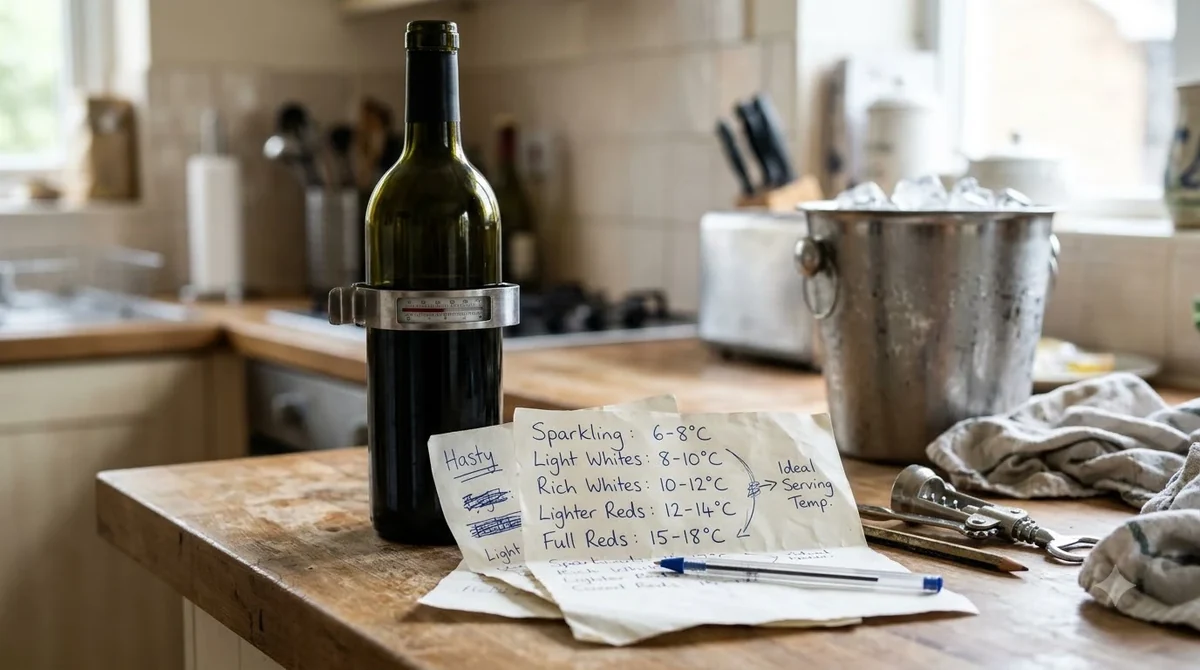
Argetsinger Vineyard sits on the southeastern shore of Seneca Lake. Its shallow, mineral-rich limestone soils are associated with a leaner fruit profile, floral notes, and focused minerality. Ravines identifies this site as the source for several bottlings, including its Dry Riesling, Argetsinger Vineyard Riesling, dry Pinot Rosé, sparkling wines, and Le Petit Caporal, a blend of Cabernet Sauvignon, Merlot, and Cabernet Franc. In suitable vintages, the winery may also bottle single-vineyard Chardonnay, Pinot Noir, or Merlot from this site.
The 16 Falls Vineyard is on Seneca Lake’s eastern side near Ovid. This 46-acre site has acidic shalestone with substantial clay content, and most vines use a lyre trellis that spreads the canopy to capture more sunlight and help grapes ripen in a cool season. By contrast, the 59-acre Limestone Vineyard, home to the winery and main tasting room, has Honeoye loam over limestone, eastern exposure, steep slopes, and older vine plantings. Site, exposure, soil, vine age, and vintage all help explain why two wines from the same grape can differ.
Grape Varieties and Wine Styles to Look For
Dry Riesling is the clearest expression of the Ravines identity, but the lineup reaches beyond a single white grape. The winery’s categories include other white wines, red wines, sparkling wine, rosé, library bottles, aperitifs, and dessert wines, so the range can serve different courses and occasions without moving away from the cool-climate character of the region.
Start with the regular Dry Riesling if you want the signature style. It is intended to emphasize freshness and site character, with lively acidity that keeps the wine crisp at the table. A single-vineyard Argetsinger Riesling offers a more specific sense of place, while older library releases can show how a structured white wine changes with bottle age. The winery’s description of its classical winemaking approach explains how the team considers skin contact, lees aging, extraction, and oak for each lot rather than applying one recipe to every grape.
For other whites, Chardonnay is a natural alternative for someone who wants more breadth and texture than Riesling usually provides. The winery also makes sparkling wines and dry rosé, which bring the region’s acidity into aperitif territory. On the red side, Pinot Noir and Cabernet Franc are important varieties to explore, alongside blends such as Le Petit Caporal. A Wine Enthusiast profile of the winery describes a Cabernet Franc with currant, cranberry, pomegranate, spice, and herbal notes, as well as a barrel-aging period in large French oak casks.
Selection changes with vintage and release timing, so think in terms of style rather than assuming every grape appears every year. Dry Riesling is the reference point; Chardonnay offers a fuller white direction; Pinot Noir is generally the more delicate red; and Cabernet Franc or a Bordeaux-style blend brings more savory structure. For other producers, browse wine brands and use Ravines as a benchmark for a cool-climate, site-focused approach.
What Ravines Wines Taste Like
The signature profile is built around freshness, defined acidity, and a clear sense of fruit without relying on overt sweetness. In a dry Riesling, that can mean citrus, green or yellow apple, pear, white flowers, mineral impressions, and a brisk finish. The exact balance changes by vineyard and vintage, but the central impression is usually energetic and food-friendly.
Argetsinger Riesling is a useful example of site expression. The winery describes the vineyard’s limestone soils as producing leaner fruit, floral character, and focused minerality. A warm vintage or bottle age can add breadth and complexity, while the acidity helps the wine retain definition. A regular Dry Riesling may show a more blended view of the sites, rather than the narrower voice of one vineyard. Neither is automatically better; the choice depends on whether you prefer a broader house style or the detail of a named parcel.
Ravines reds should be approached with the same attention to grape and site. Pinot Noir generally has lower-to-medium tannin and higher acidity, so it tends to feel lighter on the palate than Cabernet Sauvignon. Cabernet Franc can combine red-fruit character with savory herbs and a firmer frame. Le Petit Caporal’s Cabernet Sauvignon, Merlot, and Cabernet Franc blend brings together varieties with different structures: Cabernet Sauvignon contributes more tannin, Merlot softens the texture, and Cabernet Franc can add lift and herbal character.
Sparkling wines and rosé show the region’s acidity in a different format: dry sparkling wine suits salty snacks and seafood, while dry Pinot Rosé works with lighter dishes. Readers more familiar with sweeter, fruit-forward styles can compare that preference with the different direction of Barefoot Wine or Stella Rosa wine; these are style contrasts, not interchangeable wines.
Serving Temperatures and Food Pairings
Ravines’ bright acidity makes many of its wines especially adaptable at the table. Dry Riesling is a natural partner for foods with salt, spice, or a little richness, while more structured reds are better suited to dishes with savory depth. Serving temperature matters: too much chill can mute aroma, while excessive warmth can make alcohol and texture seem heavier.
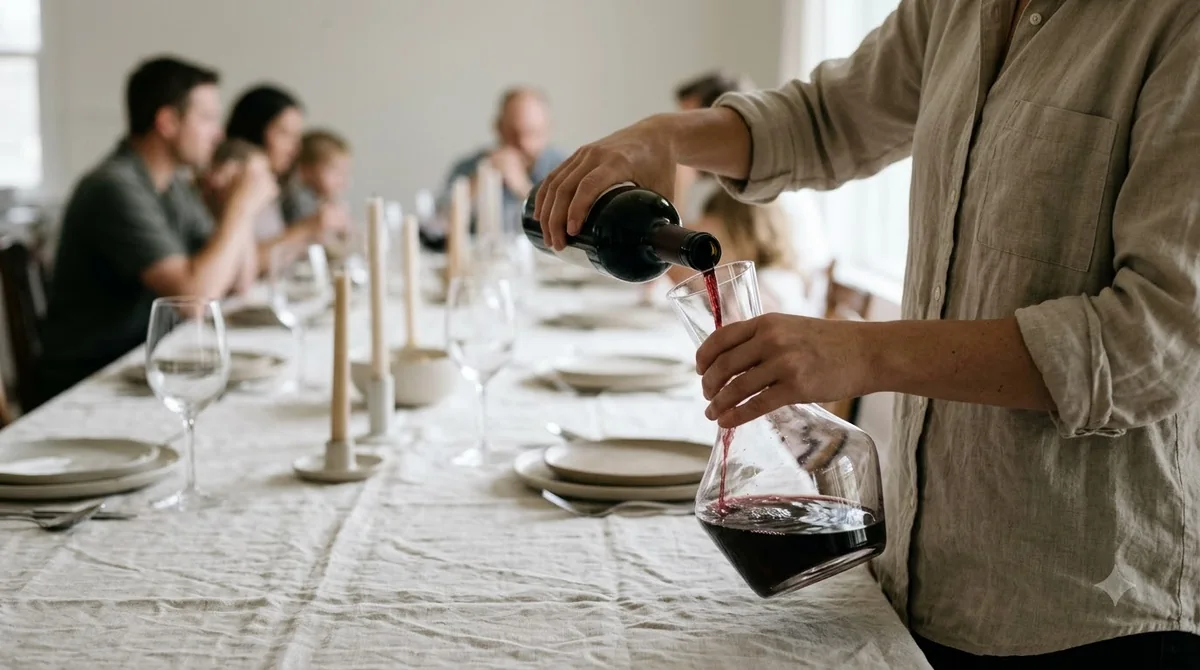
Serve a dry Riesling or another light white at about 45–50°F. That range keeps the wine refreshing while allowing pear, citrus, floral, and mineral notes to emerge as it warms in the glass. Chardonnay with more body is usually better around 50–55°F. Dry rosé can also work in the 45–50°F range. For sparkling wine, aim for 40–50°F, which preserves its lively feel without making the aromas difficult to notice.
| Wine style | Serving temperature | Useful reference |
|---|---|---|
| Sparkling | 40–50°F | About 5 oz per pour; opened bottles keep 1–3 days refrigerated |
| Light whites, including dry Riesling | 45–50°F | About 5 oz per pour |
| Dry rosé | 45–50°F | About 5 oz per pour |
| Fuller whites, including Chardonnay | 50–55°F | About 5 oz per pour |
| Light reds, including Pinot Noir | 55–60°F | About 5 oz per pour |
| Full reds | 60–65°F | About 5 oz per pour |
| Sweet whites | 43–50°F | About 5 oz per pour |
Pair dry Riesling with roast chicken, pork, sushi, shellfish, vegetables, and foods with a touch of heat. Its acidity can stand up to lemon, vinegar, or pickled vegetables when the wine is at least as acidic as the dish; salty cheeses and cured fish can also work well. Pinot Noir suits roast poultry, mushrooms, salmon prepared without excess oil, and earthy herbs, while Cabernet Franc works with grilled vegetables, pork, duck, and lentils. For a fuller red blend, try beef, lamb, or mushrooms. Salt and fat soften tannin, but oily fish can clash with tannic reds and chili heat can seem stronger beside wines with high alcohol or noticeable tannin.
For a simple dinner, pour Dry Riesling with seared scallops or roast chicken, then move to Pinot Noir with mushrooms or pork loin. A wine should not be sweeter than the dessert served with it, so choose a wine with enough sweetness for fruit tart rather than finishing with a bone-dry bottle.
Tip: With Ravines Dry Riesling, start by checking the dish’s acidity and salt level. Lemony fish or salty cheese often works better than a heavily sweet glaze, because the wine’s crisp profile stays in balance.
Choosing a Bottle, Cellaring, and Visiting the Winery
Choose a Ravines bottle by matching its structure to the occasion, then narrow the decision by grape and vineyard. Dry Riesling, sparkling wine, and dry rosé suit aperitifs or seafood; Chardonnay gives a fuller white option; Pinot Noir is a fresher red choice; and Cabernet Franc or Le Petit Caporal offers more savory structure.
Vintage matters in a cool-climate region because the growing season can vary. Ravines evaluates individual lots from before harvest through fermentation, adjusting skin contact, destemming, extraction, lees contact, and oak use to suit the fruit. A cooler season may produce a different balance from a warmer one, even for the same grape and vineyard. The winery also offers library wines and selected bottles with age, which can show how Riesling develops while retaining freshness. Store unopened bottles on their sides near 55°F, away from direct light and temperature swings; a 750-milliliter bottle gives about five standard 5-ounce pours. Once opened, refrigerate still wine and finish it within three to five days; sparkling wine is best within one to three days when properly sealed. A young, full-bodied red can benefit from 30–60 minutes in a decanter, while lighter Pinot Noir usually needs less aeration.
Visitors can explore Ravines at its Geneva winery and tasting room at 400 Barracks Road, with the entrance on Pre-Emption Road, or at the Agricolāe and Ravines tasting room at 14630 State Route 54 in Hammondsport. The winery lists Geneva tastings from 10 a.m. to 5 p.m. and strongly suggests reservations. Hammondsport’s indoor bar and lakeside patio have different schedules, including patio service Friday through Sunday, so confirm the specific experience before setting out. General tasting reservations are limited to six guests; larger parties need to request a group tasting. A flight that compares standard Dry Riesling with a single-vineyard bottling, then moves to Pinot Noir or Cabernet Franc, offers a practical way to understand the winery’s range.
When comparing its sparkling wines with other options, remember that Ravines’ bottle-fermented wines belong to a different production tradition from tank-method Prosecco. For a familiar Italian point of comparison, see La Marca Prosecco, then decide whether you prefer Prosecco’s fresh fruit profile or the more structured character that bottle fermentation and lees aging can provide.
Frequently Asked Questions
These answers clarify the winery’s origins, vineyard sourcing, and cellar methods, including its 2002 first vintage and traditional sparkling wines.
Who founded Ravines Wine Cellars?
Morten and Lisa Hallgren founded the winery. Morten’s early professional experience included work at Château Cos d’Estournel in Bordeaux and Dr. Konstantin Frank in the Finger Lakes, while Lisa’s role helped connect the wines with restaurants, retailers, and visitors.
What makes the Argetsinger Vineyard distinctive?
The Argetsinger Vineyard is described by Ravines as one of the region’s oldest Riesling sites. Its shallow limestone soils are associated with floral aromatics and focused minerality, and the vineyard is owned by the Argetsinger family rather than being one of Ravines’ estate-owned parcels.
Does Ravines make traditional-method sparkling wine?
Yes. Wine Enthusiast’s profile of Ravines Sparkling Dry Riesling 2019 describes bottle fermentation and four years of lees aging before hand-riddling and disgorgement. That extended contact with the lees can contribute bready notes and added texture alongside the wine’s fruit and acidity.
How is Ravines Cabernet Franc aged?
Wine Enthusiast’s profile describes the 2022 Cabernet Franc as aged for 13 months in 2,000-liter French oak casks. The larger format allows oak influence while leaving room for the wine’s currant, cranberry, pomegranate, spice, and herbal character to show.
What food is served at the Ravinous Kitchen?
The seasonal small-plate menu features local produce, meats, and cheeses. Wine Enthusiast notes that the kitchen also offers vegetarian, vegan, and gluten-free options, plus honey from Ravines’ own field hives.
Ravines is best understood through its dry Riesling and the contrast among its Seneca and Keuka Lake vineyard sites. Explore the whites first, then compare the Pinot Noir, Cabernet Franc, rosé, and sparkling wines to see how the Finger Lakes’ cool climate shapes different styles.
More in Wine Brands
 Underwood Wine Price: Compare Bottles, Cans, and Pack SizesUpdated Nov 21, 2026
 Zenato Wine Price: Compare Styles and Choose the Right BottleUpdated Nov 21, 2026
 Zuccardi Wine Price: Compare Bottles and Find the Right RangeUpdated Nov 21, 2026
 Yellow Tail Moscato Review: Taste, Sweetness and Serving TipsUpdated Nov 21, 2026
 Wolf Blass Yellow Label Review: Choose Your Best StyleUpdated Nov 21, 2026
 Wolffer Estate Rose Review: Choose the Right Bottle for Your TableUpdated Nov 21, 2026