

We may earn a commission when you buy through links on this page, at no extra cost to you. Learn more.
If you are wondering what is albarino, it is a dry, aromatic white wine grape native to the rainy Atlantic coast of northwestern Spain and northern Portugal. Known as Albariño in Spain and Alvarinho in Portugal, the variety produces crisp, light-to-medium-bodied wines defined by bright citrus and stone fruit flavors, mouthwatering acidity, and a distinct hint of sea-spray salinity. Most bottles clock in around 12.5% alcohol by volume and are meant to be served chilled alongside fresh seafood.
Over the past two decades, Albariño has grown from a regional Iberian staple into one of the most popular crisp white wines on American restaurant lists and retail shelves. Whether you are exploring different Wine by Type or simply looking for a lively alternative to Sauvignon Blanc and Pinot Grigio, understanding how this thick-skinned coastal grape works will help you pick the right bottle for your table.
What Is Albariño?
Albariño (pronounced “alba-reen-yo”) is a green-skinned white wine grape indigenous to the northwestern corner of the Iberian Peninsula, spanning Galicia in Spain and the Vinho Verde region in northern Portugal. In Portugal, the exact same grape is spelled Alvarinho, though winemaking traditions and labeling rules vary slightly across the border.
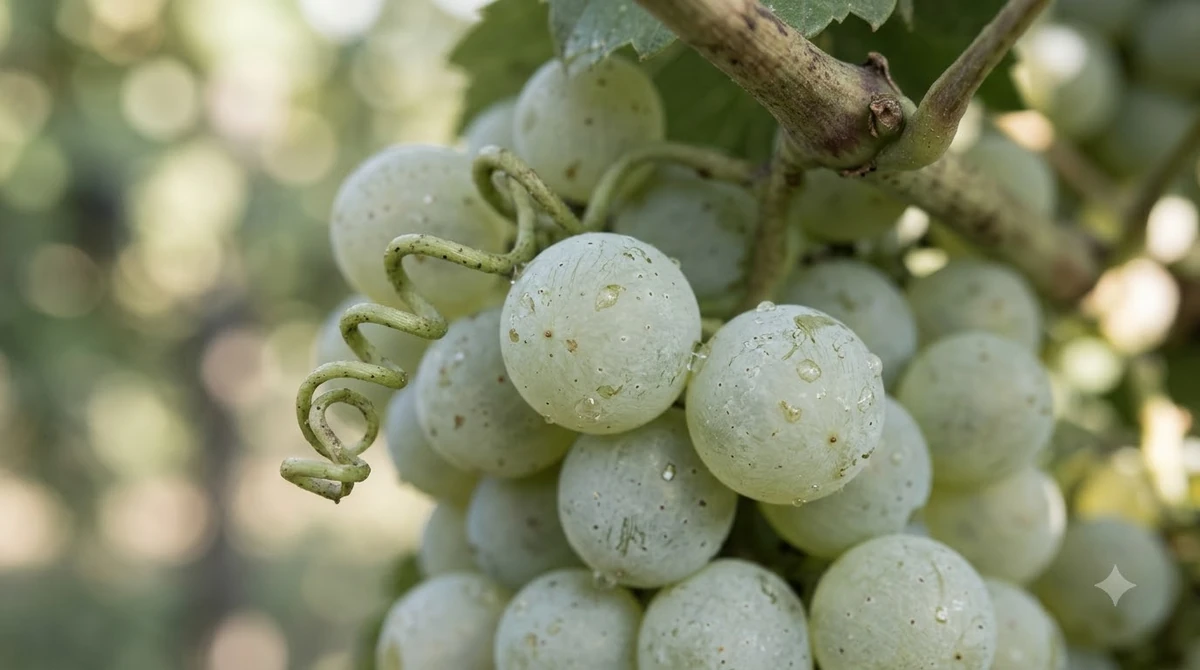
Unlike many classic European wine regions that label bottles strictly by geography, Spanish producers almost always put the grape name “Albariño” prominently on the front label. Botanically, the vines produce small bunches of tiny berries with unusually thick skins. Those thick skins evolved to help the fruit survive the cool, damp, ocean-influenced climate of northwestern Iberia without splitting, though the damp weather still makes mildew and rot a constant concern in the vineyard.
Because the berries are small and full of seeds, yields are naturally modest and harvesting requires careful hand labor. To combat the region’s frequent rain and humidity, growers traditionally train the vines overhead on stone-and-wire pergolas—locally called parras in Galicia—so ocean breezes can circulate underneath the canopy and keep the grape clusters dry. Some historic vineyards in the region even tend vines that are centuries old, though most commercial plantings are much younger.
Flavor Profile and Winemaking Styles
On the palate, Albariño balances fragrant fruit aromatics with electric acidity, a slightly weighty mid-palate, and a clean, saline finish. Classic tasting notes include lemon zest, grapefruit, lime, white peach, nectarine, honeydew melon, and subtle white floral aromas.
According to Wine Folly’s guide to Albariño, those thick grape skins also impart a signature gentle bitterness on the finish—reminiscent of raw green almond or fresh citrus pith—that keeps the fruit from ever feeling candied. While the wine typically finishes completely dry, its ripe stone fruit core creates an impression of lushness before the brisk acidity sweeps the palate clean.
Winemakers generally approach Albariño in one of three stylistic directions:
- Unoaked and stainless steel-fermented: The benchmark style, focused entirely on pure citrus, green apple, floral lift, and snappy minerality.
- Lees-aged (sobre lías): Left in contact with spent yeast cells for several months to build a creamier, rounder mid-palate and extra aging potential without masking the grape’s freshness.
- Oak-fermented or barrel-aged: A smaller, fuller-bodied category where neutral or lightly toasted oak barrels add subtle hazelnut, spice, and textural richness for cellar aging.
Where Albariño Grows
While northwestern Spain and northern Portugal remain the spiritual and agricultural home of the grape, successful plantings have expanded to coastal vineyards in California, Oregon, Washington, and Uruguay. In every region, proximity to cool ocean air or moderating river valleys is key to preserving the grape’s signature acidity.
In Spain, the epicenter is Galicia—often called “Green Spain” for its lush, rain-fed landscape—and specifically the Denominación de Origen (DO) of Rías Baixas. Rías Baixas comprises five distinct sub-zones with noticeable stylistic differences. Coastal Val do Salnés is widely credited as the grape’s birthplace and yields high-acid, intensely saline wines grown on sandy and granitic soils. Further inland along the Portuguese border, Condado do Tea has warmer temperatures and more clay-rich soils, resulting in softer acidity and riper peach, apricot, and mango notes.
Across the Minho River in northern Portugal, Alvarinho thrives in the Vinho Verde DOC, particularly in the northern sub-region of Monção e Melgaço. Shielded from direct Atlantic storms by surrounding hills, Monção e Melgaço experiences a slightly warmer, more continental influence that produces richer, fuller-bodied single-varietal Alvarinho bottlings alongside traditional regional blends with Loureiro and Arinto. Outside Iberia, California growers in cool coastal appellations like Edna Valley, Santa Ynez Valley, Los Carneros, and Clarksburg—along with producers in Oregon’s Umpqua Valley and Uruguay’s Maldonado coast—have earned critical acclaim for crisp, aromatic expressions.
| Region | Local Name | Climate & Soil | Typical Wine Style |
|---|---|---|---|
| Rías Baixas (Val do Salnés), Spain | Albariño | Cool, wet coastal; granite and sand | Zippy acidity, lemon-lime, pronounced sea-spray salinity |
| Rías Baixas (Condado do Tea), Spain | Albariño | Warmer inland valley; clay and granite | Riper nectarine and mango notes, slightly fuller body |
| Vinho Verde (Monção e Melgaço), Portugal | Alvarinho | Sheltered river valley; granite | Richer texture, ripe stone fruit, higher alcohol, age-worthy |
| Coastal California & Oregon, USA | Albariño | Fog-cooled coastal valleys; varied | Bright melon, citrus blossom, crisp acidity, aromatic |
| Maldonado, Uruguay | Albariño | Atlantic maritime breeze; granitic | Vibrant citrus, white peach, clean mineral finish |
How to Serve and Store Albariño
Albariño shines brightest when served refrigerator-cold, ideally between 38°F and 45°F (3°C to 7°C), in a standard tulip-shaped white wine glass. Chilling the bottle properly keeps its brisk acidity taut and highlights the refreshing saline finish, while a standard white wine bowl concentrates its delicate peach and citrus blossom aromatics.
Most entry-level and stainless-steel Albariños do not need decanting and are crafted for immediate enjoyment within one to two years of the vintage date, when their primary fruit and floral notes are at their peak. However, top-tier bottlings aged on their lees or raised in neutral oak—particularly structured examples from Rías Baixas and Monção e Melgaço—can develop complex honeyed, nutty, and mineral layers over five to ten years in a cool, dark cellar.
Tip: Avoid over-chilling complex, lees-aged Albariño straight out of an ice bucket. Let structured bottles warm up in the glass for ten minutes so the stone fruit, herbal, and granitic mineral notes can open up.
Best Food Pairings for Albariño
Thanks to its coastal roots, high acidity, and subtle brininess, Albariño is widely considered one of the world’s premier seafood wines. As noted in Wine Enthusiast’s varietal guide to Albariño, the grape’s bright citrus core and moderate alcohol—typically around 12.5% ABV—allow it to complement delicate dishes without overwhelming them.
In Galicia, locals traditionally pour Albariño alongside freshly steamed cockles, mussels, razor clams, grilled shrimp, and pulpo a la gallega (tender octopus dressed with olive oil and smoky paprika). That affinity extends effortlessly to raw oysters, citrus-marinated ceviche, fish tacos, crab cakes, and sushi or sashimi. The wine’s natural acidity acts like a squeeze of fresh lemon over rich or fried seafood, cutting through oil and batter while echoing the briny sweetness of shellfish.
Beyond the ocean, Albariño pairs remarkably well with herb-driven vegetarian dishes, goat cheese, burrata, salty feta, and semi-firm sheep’s milk cheeses like Manchego. Its stone fruit aromatics and crisp finish also handle gentle heat and aromatic spices in Vietnamese spring rolls, Thai green curry, and grilled padron or shishito peppers. If you enjoy crisp whites in warm weather, you might also like contrasting its bright profile with lighter reds—whether checking pinot noir carbs for casual entertaining or batching a fruity pinot noir sangria for summer gatherings.
How to Choose a Great Bottle
Shopping for Albariño is refreshingly straightforward because regional quality standards are strict and consistent. In Spain’s Rías Baixas DO, every wine must pass a sensory tasting panel and chemical analysis overseen by the regional regulatory council before it can carry the official appellation back label.
When browsing a shop shelf, check the front and back labels for a few helpful clues:
- Check the vintage date: For crisp, everyday stainless-steel bottles, look for the most recent one or two vintages to guarantee vibrant aromatics and snappy acidity.
- Look for sub-zone or single-varietal cues: Bottles labeled Val do Salnés typically lean leaner and saltier, while Portuguese bottles labeled Monção e Melgaço or 100% Alvarinho deliver a slightly riper, fuller-bodied experience.
- Scan the back label for “sobre lías”: If you prefer a creamier texture closer to an unoaked Chardonnay, look for notes mentioning lees aging, which adds mid-palate weight without sacrificing freshness.
If you prefer sweet dessert wines over dry table whites—something closer to a rich, dried-grape recioto wine—Albariño will taste notably tart and savory by comparison. For anyone seeking a dry, food-friendly white with unmistakable coastal character, however, it remains one of the most reliable bottles you can open.
Frequently Asked Questions
Is Albariño a sweet or dry wine?
Albariño is almost always fermented completely dry. While its ripe aromas of white peach, nectarine, and melon can give an initial impression of fruitiness, its brisk acidity and subtle saline finish leave zero residual sweetness on the palate.
Are Albariño and Alvarinho the exact same grape?
Yes, Albariño and Alvarinho are two regional names for the exact same white wine grape. Spanish winemakers in Galicia use the spelling Albariño, whereas Portuguese winemakers across the border in Vinho Verde spell it Alvarinho.
How does Albariño compare to Sauvignon Blanc or Pinot Grigio?
Albariño shares the high acidity and citrus drive of Sauvignon Blanc, but it typically trades grassy, herbaceous pungency for riper stone fruit and a distinctive salty, mineral finish. Compared to most Pinot Grigio, Albariño offers noticeably more aromatic intensity, mid-palate texture, and flavor concentration.
Does Albariño pair well with foods other than seafood?
Absolutely—while shellfish and white fish are classic matches, Albariño’s bright acidity and stone fruit notes pair easily with roast chicken, pork tenderloin, and fresh herb salads. It also complements soft cheeses like burrata, semi-hard Manchego, and mildly spiced Southeast Asian dishes.
From its rain-swept pergola vineyards in Galicia to sunny coastal valleys in California and Uruguay, Albariño delivers a rare combination of aromatic charm, mouthwatering acidity, and coastal minerality. Keep a bottle chilled in the fridge for weeknight seafood, fresh cheeses, or warm afternoons when you want a white wine with genuine energy and character.
More in Wine Types & Grapes
 Zinfandel Sugar Content: Dry Red vs. White Zinfandel GramsUpdated Nov 21, 2026
 Best Zinfandel Substitute Options for Sipping and CookingUpdated Nov 21, 2026
 Zweigelt Food Pairing: Best Dishes, Cheeses, and Serving TipsUpdated Nov 21, 2026
 Zinfandel Tannins Explained: How Structure Shapes Every BottleUpdated Nov 21, 2026
 Zinfandel Sweetness Level: Dry Red vs. Sweet White Zin ExplainedUpdated Nov 21, 2026
 Xinomavro Food Pairing: Best Dishes, Styles, and Serving TipsUpdated Nov 21, 2026