

We may earn a commission when you buy through links on this page, at no extra cost to you. Learn more.
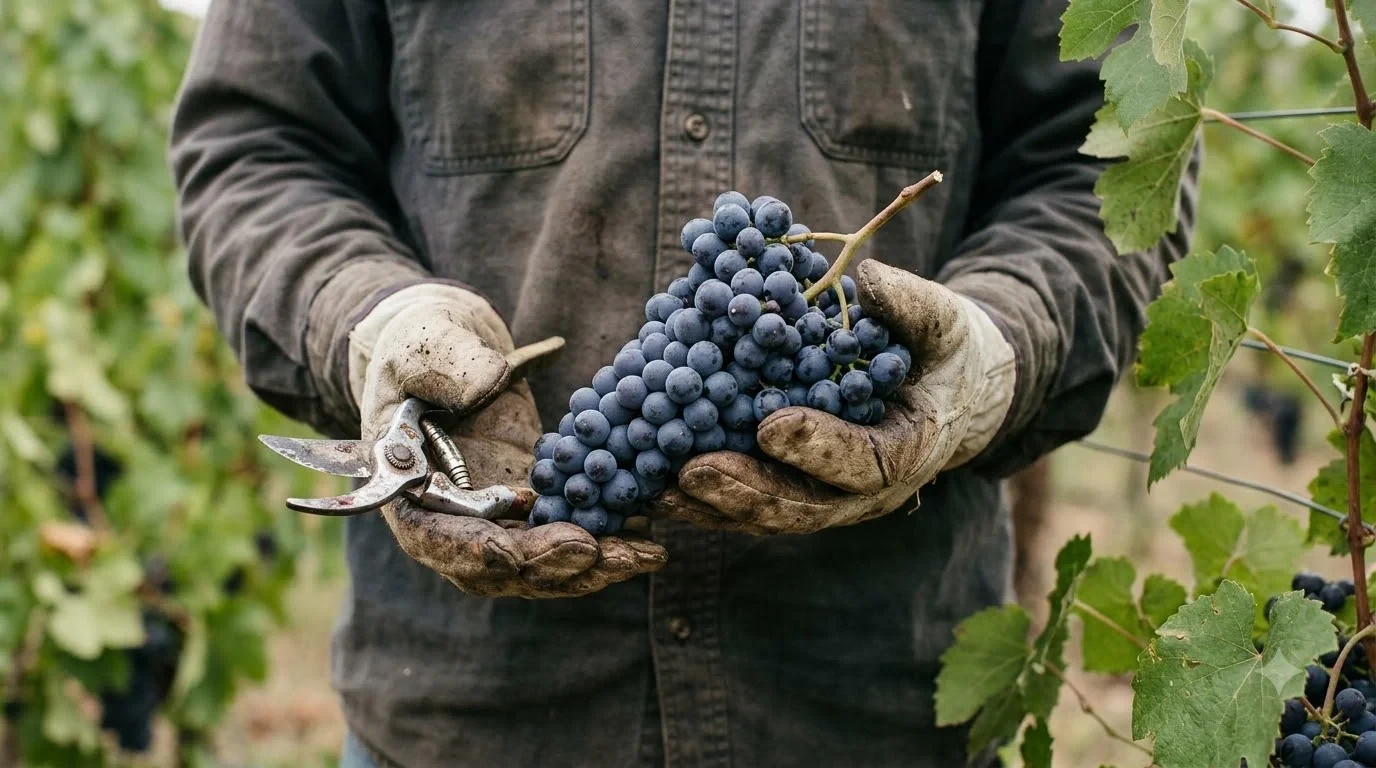
The sylvaner grape (also spelled Silvaner) is an ancient Central European white wine variety prized for its crisp acidity, earthy minerality, and subtle orchard fruit profile. Grown most famously in Germany’s Franken region, France’s Alsace, Switzerland’s Valais, and northern Italy’s Alto Adige, it acts as a transparent mirror of vineyard soils rather than an overly aromatic crowd-pleaser. Depending on where it is planted, the variety yields everything from snappy, everyday picnic pours to structured, age-worthy dry whites and rare sweet wines.
Long overshadowed by flashier neighbors like Riesling and Gewürztraminer, this understated grape has quietly reclaimed serious respect among sommeliers and terroir-focused winemakers. Understanding how soil, climate, and regional traditions shape its character makes choosing a bottle far easier—and introduces you to one of the most food-friendly white wines in the world.
What Is the Sylvaner Grape?
The sylvaner grape is a white Vitis vinifera cultivar originating in Central Europe—specifically historical Transylvania and Austria—produced by a natural crossing between Traminer and Österreichisch-Weiss. Its name derives from the Latin word silva, meaning forest, a nod to its early reputation as a hardy, wild-growing vine before moving into disciplined commercial vineyards across Germany and France.
Records confirm that cuttings arrived in Germany’s Franken region in 1659 following the Thirty Years’ War, where the grape quickly adapted to cool continental growing conditions. By the mid-twentieth century, it ranked as Germany’s most widely planted grape, accounting for roughly a quarter to nearly a third of vineyard acreage in both Germany and Alsace during the post-war boom. High-volume, off-dry blends eroded its reputation in the 1970s, eventually allowing Riesling and Müller-Thurgau to overtake it in total plantings.
Today, plantings in Germany sit closer to 5 percent of national vineyard land, while Alsace maintains roughly 10 percent, reflecting a decisive shift away from bulk production toward low-yielding, site-expressive farming. Because the vine itself is naturally neutral in primary perfume, winemakers treat it like a blank canvas that highlights subtle shifts in limestone, marl, gravel, and altitude. Much like the carricante grape on Sicily’s volcanic slopes, its true appeal lies in textural grip, salinity, and structural poise rather than loud tropical fruit.
Flavor Profile and Wine Styles
On the palate, wines made from the sylvaner grape favor texture, stony minerality, and refreshing herbal tension over explosive aromatics. Core tasting notes center on white peach, green pear, melon, thyme, wet flint, white blossoms, and a signature hint of raw almond or gentle bitterness on the finish.
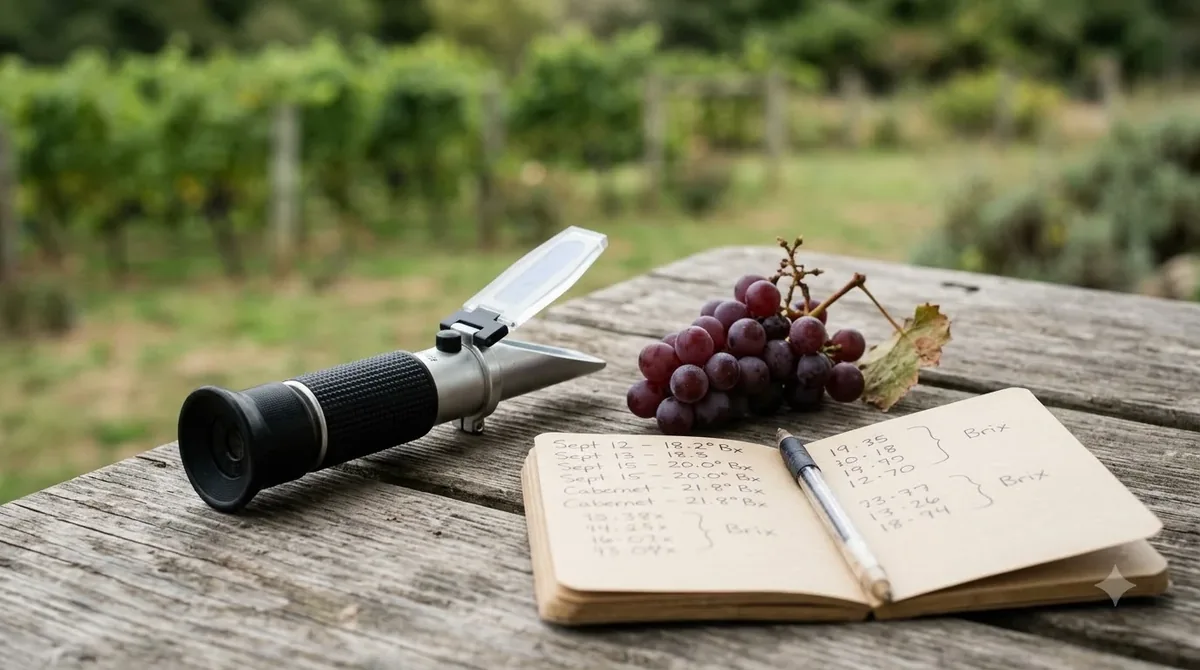
According to Wine Folly, standard dry bottlings sit comfortably in a light-to-medium body framework with moderate alcohol and steady, mouthwatering acidity that feels broad and continuous rather than razor-sharp. Younger, stainless-steel-fermented versions lean bright and grassy—winemaker André Ostertag famously compared their energy to young spring grass and crystal mountain water—making them effortless warm-weather refreshers.
When grown in low-yielding vineyards and aged on fine lees or in large neutral oak or acacia casks, the grape takes on remarkable breadth and complexity. Serious dry cuvées develop a creamy, almost waxy mouthfeel with savory notes of hay, crushed stone, and white pepper. Over ten to twenty years in the cellar, top examples shed their youthful green edges and evolve rich layers of marzipan, toasted hazelnut, beeswax, and baked orchard fruit while retaining vibrant underlying freshness.
Where the Sylvaner Grape Grows Best
While the variety is cultivated in small pockets across Austria, Croatia, and Slovakia, four benchmark European regions define its finest commercial expressions today. Each territory puts a distinct regional stamp on both the spelling on the label and the style inside the glass.
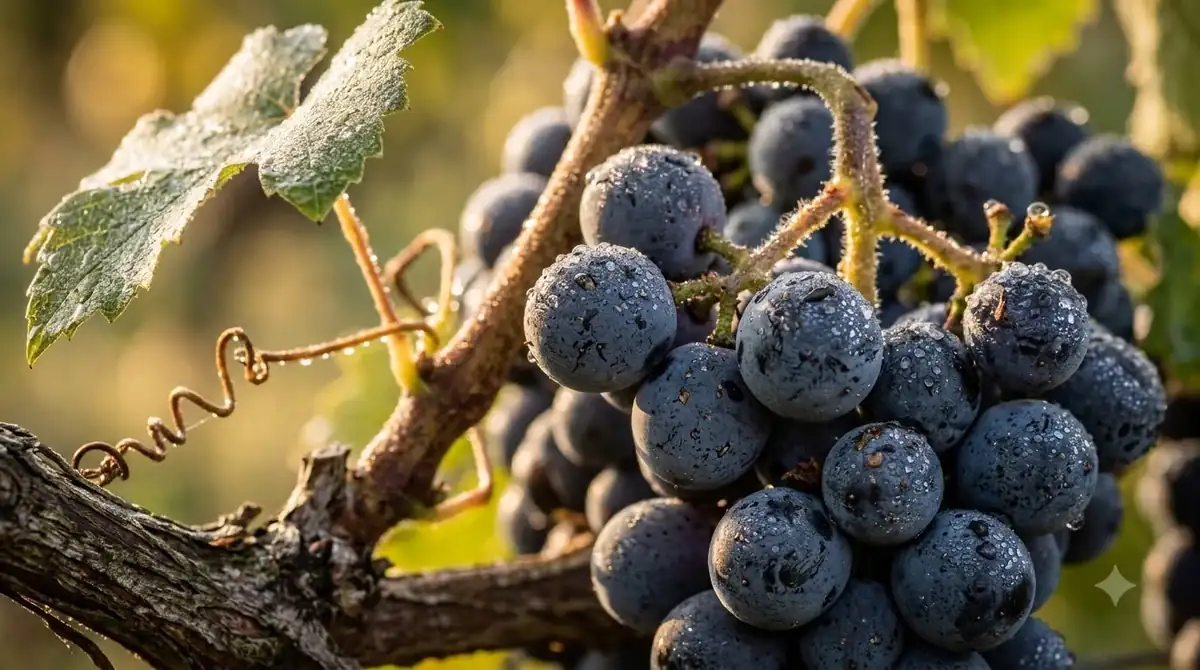
In Germany, where the grape is spelled Silvaner, the spiritual homeland is Franconia (Franken) in northern Bavaria. Here, continental winters and warm summers combine with Triassic shell-limestone (Muschelkalk), gypsum, and sandstone soils to yield dense, dry, deeply mineral wines traditionally bottled in a squat, flask-shaped vessel called a Bocksbeutel. Neighboring Rheinhessen and Baden’s volcanic Kaiserstuhl hills also produce compelling dry bottles, ranging from plush, pear-scented loess expressions to brisk, herbal styles.
Across the border in France’s Alsace, the spelling switches to Sylvaner, and the resulting wines often show slightly softer acidity with delicate notes of honey, yellow melon, and white flowers. Although historically treated as a simple blending component, the grape earned official Grand Cru status in Alsace’s Zotzenberg vineyard in Mittelbergheim, where marl-limestone slopes give the wine uncommon concentration and longevity. Further south, high-altitude vineyards in Italy’s Alto Adige—specifically the Valle Isarco (Eisacktal) at elevations between 1,800 and 2,460 feet—produce alpine, intensely salty bottlings, while Switzerland’s Valais canton bottles the same grape under the historic synonym Johannisberg in both dry and luscious late-harvest styles.
| Region & Country | Local Name / Spelling | Dominant Soil Types | Signature Style & Flavor Notes |
|---|---|---|---|
| Franken, Germany | Silvaner | Shell-limestone (Muschelkalk), gypsum, sandstone | Bone-dry, full-bodied, earthy, flinty minerality, white pepper |
| Alsace, France | Sylvaner | Marl-limestone, sandstone, granite | Crisp to medium-bodied, honeyed melon, white blossom, herbal |
| Valle Isarco (Alto Adige), Italy | Sylvaner | Glacial moraine, gravel, schist | Alpine tension, high-toned citrus, pronounced wet-stone salinity |
| Valais, Switzerland | Johannisberg (or Silvaner) | Schist, limestone, alluvial gravel | Orchard fruit, toasted almond, gentle bitterness; dry or sweet |
How to Serve Sylvaner
Proper serving temperature and glassware preserve the delicate herbal aromatics and stony precision that make this white wine so compelling. Serve young, crisp bottlings well chilled between 38°F and 45°F (3°C to 7°C) so the acidity stays snappy and refreshing.
Richer, barrel-aged, or Grand Cru selections benefit from a slightly warmer pour around 48°F to 52°F (9°C to 11°C), allowing their savory, nutty, and textural nuances to open up in the glass. A standard tulip-shaped white wine glass works well for everyday bottles, while a slightly wider bowl helps concentrate subtle floral and mineral aromas in older or single-vineyard releases.
Decanting is unnecessary for fresh, entry-level releases meant to be enjoyed right out of the refrigerator. However, giving a structured, lees-aged bottle from Franken or Valle Isarco twenty to thirty minutes of air in the glass softens any youthful tightness and brings forward its creamy mid-palate weight.
Tip: Skip long cellar aging for basic stainless-steel bottles—drink them within two to three years of the vintage date for peak crunch, reserving longer aging only for Grand Cru, Erste Lage, or single-vineyard dry releases.
Food Pairing Ideas
Because the sylvaner grape balances restrained fruit with herbal nuance, steady acidity, and a subtly bitter almond finish, sommeliers regard it as one of the finest culinary problem-solvers in Wine by Type. It effortlessly bridges ingredients that clash with oak-heavy whites or overly sweet wines.
In Germany, white asparagus (Spargel) served with melted butter or hollandaise sauce is the classic regional match, as the wine’s grassy undertones echo the vegetable’s earthy sweetness without turning metallic. That same herbal affinity makes it a natural partner for green spring vegetables, artichokes, fennel salads, sautéed wild mushrooms, and savory onion tarts (Zwiebelkuchen).
Seafood and lighter meats also shine alongside a chilled bottle. Leaner, mineral-driven pours from Alto Adige or Franken pair naturally with raw oysters, steamed mussels, freshwater trout, and pan-seared scallops, while broader Alsatian styles stand up nicely to roast chicken with tarragon, pork schnitzel, and semi-firm alpine cheeses like Comté or Gruyère. Just avoid aggressively spicy dishes or heavy, smoky barbecue sauces, which can overwhelm the grape’s quiet elegance.
How to Choose a Good Bottle
Finding a rewarding bottle on retail shelves becomes straightforward once you know a few label cues that signal serious winemaking versus simple bulk production. Start by checking the origin and bottle shape: a traditional squat Bocksbeutel from Franken almost always guarantees a dry, terroir-driven German Silvaner.
As Wine Enthusiast notes, looking for specific vineyard designations is the single best shortcut to quality. On German labels, terms like Trocken (dry), Erste Lage (premier vineyard), or Grosses Gewächs (GG, dry grand cru) point to low-yield fruit with impressive concentration and aging potential. In Alsace, seek out bottles labeled Vieilles Vignes (old vines) or single-site releases from Grand Cru Zotzenberg, where marl soils lend extra depth.
If you enjoy crisp, mineral-driven European whites like the godello grape from northwestern Spain, look toward northern Italy’s Valle Isarco (Eisacktal) for taut, high-altitude examples bursting with saline energy. Conversely, if you prefer something softer and slightly rounder for casual porch sipping, an estate-bottled Alsatian Sylvaner from a recent vintage will deliver generous orchard fruit and easygoing charm.
Frequently Asked Questions
Are Silvaner and Sylvaner the same grape?
Yes, Silvaner and Sylvaner are two spellings for the exact same white grape variety. Germany, Austria, and northern Italy typically spell it with an “i” (Silvaner, though Alto Adige producers also use “y”), whereas France’s Alsace region spells it with a “y” (Sylvaner). In Switzerland’s Valais region, you will frequently see the exact same grape labeled under its local synonym, Johannisberg.
Is Sylvaner wine sweet or dry?
Modern varietal Sylvaner is overwhelmingly made in a dry style, especially in Franken, Alsace, and Alto Adige. While the grape was heavily used in sweet mass-market German blends like Liebfraumilch during the 1970s, today’s quality-focused producers ferment it dry to showcase its crisp acidity and stony minerality, reserving sweet late-harvest styles for rare specialty bottlings in Alsace and Switzerland.
How does Sylvaner compare to Riesling or Pinot Grigio?
Compared to Riesling, Sylvaner is noticeably less aromatic, lower in piercing acidity, and more focused on earthy texture than vibrant citrus or petrol notes. Against Pinot Grigio, quality Sylvaner typically offers more mid-palate weight, herbal complexity, and a distinctive stony or slightly bitter almond finish rather than simple neutral fruit.
Can you age Sylvaner wine?
Entry-level, stainless-steel Sylvaner is best consumed young within two to four years of harvest while its green, herbal freshness is at its peak. However, low-yielding single-vineyard bottles—such as German Grosses Gewächs releases from Franken or Grand Cru Zotzenberg bottlings from Alsace—can age gracefully for ten to twenty years, developing complex flavors of toasted almonds, marzipan, and beeswax.
Whether poured ice-cold alongside spring vegetables or cellared for a decade to develop nutty, honeyed depth, the sylvaner grape rewards drinkers who value subtlety and sense of place over loud aromatics. Pick up a dry bottle from Franken, Alsace, or Alto Adige next time you want a versatile white wine that lets both your meal and the vineyard soil take center stage.
More in Wine Types & Grapes
 Zinfandel Sugar Content: Dry Red vs. White Zinfandel GramsUpdated Nov 21, 2026
 Best Zinfandel Substitute Options for Sipping and CookingUpdated Nov 21, 2026
 Zweigelt Food Pairing: Best Dishes, Cheeses, and Serving TipsUpdated Nov 21, 2026
 Zinfandel Tannins Explained: How Structure Shapes Every BottleUpdated Nov 21, 2026
 Zinfandel Sweetness Level: Dry Red vs. Sweet White Zin ExplainedUpdated Nov 21, 2026
 Xinomavro Food Pairing: Best Dishes, Styles, and Serving TipsUpdated Nov 21, 2026