

We may earn a commission when you buy through links on this page, at no extra cost to you. Learn more.
Pairing port with cheese works because the fortified wine’s residual sugar, rich body, and warm alcohol balance the high salt, pungent aromas, and dense textures of aged and blue-veined cheeses. Most styles of Port carry up to 20 percent alcohol by volume, giving them enough weight to stand beside sharp Stilton, Roquefort, aged Cheddar, and crystalline Gouda without getting overwhelmed. Matching the style of Port to the intensity and texture of the cheese creates a reliable sweet-and-savory contrast.
Serving a cheese plate at the end of a meal is a long-standing European habit, and Port from Portugal’s Douro Valley remains the benchmark pour for the course. Because Port spans bright, berry-driven reds, nutty barrel-aged tawnies, and crisp golden whites, choosing the right bottle depends on whether your board leans toward salty blues, firm sheep’s milk wedges, or creamy soft-ripened rounds.
Why Port and Cheese Work Together
Sweetness and salt act as natural counterweights on the palate, softening sharp edges while amplifying savory depth. When you sip a sweet fortified wine alongside a pungent cheese, the sugar tames the aggressive tang of blue mold or aged proteins while the fat and salt keep the wine from tasting cloying.
Winemakers produce Port by adding a neutral grape brandy during fermentation, which stops yeast activity early and leaves natural grape sugars intact while raising alcohol levels up to 20 percent ABV, as Wine Folly notes. That combination of sugar, body, and warming spirit gives Port the structural backbone needed to coat the palate after a rich, salty bite. Dry table reds with firm tannins can sometimes clash with creamy dairy fats, turning bitter or metallic, whereas Port’s plush sweetness cushions that interaction.
The principle holds across different aging profiles, though the exact mechanism shifts by style. Young red Ports rely on concentrated dark fruit and brisk acidity to refresh the mouth between bites of dense, crumbly cheese. Barrel-aged styles trade fresh berry notes for roasted nuts, caramel, and dried fig, echoing the toasted, crystalline flavors that develop naturally inside hard cheeses aged for a year or more.
Matching Port Styles to Cheese Types
Each major category of Port has a distinct flavor profile and aging regimen that aligns with specific cheese textures and milk types. Selecting the right bottle starts with identifying whether your wine was aged in large vats to preserve fresh fruit or in small wooden casks to develop oxidative nuttiness.
Ruby and Late Bottled Vintage (LBV) Ports hold onto vibrant black currant, plum, cherry, and dark chocolate notes because they spend minimal time in wood before bottling. Reviewers at Decanter point out that bold, salty cheeses provide the essential counterpoint to the firm tannins and deep fruit of young red Ports. Pair Ruby or LBV bottles with classic English Blue Stilton, Roquefort, or a sharp, bandage-wrapped Cheddar that can match the wine’s intensity.
Tawny Ports—especially 10-Year-Old and 20-Year-Old bottlings—spend years in smaller oak casks, turning amber-brown and developing aromas of toasted walnuts, toffee, orange peel, and baking spice. Because oxidative aging softens their tannins and highlights nutty complexity, Tawnies shine alongside firm, aged hard cheeses rather than ultra-pungent blues. Aged Gouda, Spanish Manchego, Pecorino, and Parmigiano-Reggiano all share savory, crystalline textures that mirror the caramel and roasted-nut character of a mature Tawny.
Vintage Port represents the pinnacle of a single declared harvest, bottled unfiltered after roughly 18 to 36 months in wood and built to age for decades. Young Vintage Ports pack formidable tannins and concentrated dark fruit that call for equally powerful, crumbly cheeses like aged Comté, mature Stilton, or aged sheep’s milk Pecorino. Older Vintage Ports, whose tannins have softened over twenty or thirty years in the bottle, become plush and sweet enough to tame the sharpest, stinkiest blue cheeses on the board.
White Port offers a lighter, brighter alternative crafted from indigenous white Douro grapes in styles ranging from extra dry to sweet. If you are exploring what is white port for the first time, its orchard fruit, citrus zest, and subtle honeyed richness make it an ideal partner for fresh goat cheese, creamy Brie, and Camembert. Softer, bloomy-rind cheeses can feel heavy next to sweet red Ports, whereas chilled White Port brings crisp acidity that lifts their delicate, milky flavors.
| Port Style | Flavor Profile | Best Cheese Matches | Ideal Serving Temp |
|---|---|---|---|
| Ruby Port | Ripe blackberry, plum, sweet spice | Blue Stilton, Gorgonzola, sharp Cheddar | 55 to 65°F |
| Late Bottled Vintage (LBV) | Black currant, dark cherry, cocoa, firm grip | Aged Cheddar, Roquefort, aged Parmesan | 55 to 65°F |
| Aged Tawny (10 or 20 Year) | Toasted walnut, caramel, dried fig, orange peel | Aged Gouda, Manchego, Comté, Pecorino | 55 to 60°F |
| Vintage Port | Concentrated dark fruit, balsamic, structured tannins | Mature Blue Stilton, aged Roquefort, aged Pecorino | Around 65°F |
| White Port | Citrus, stone fruit, almond, light honey | Fresh goat cheese, Brie, Camembert, Reblochon | 45 to 50°F |
Serving Temperatures and Prep for a Port Cheese Course
Serving Port at the right temperature keeps its alcohol balanced and prevents its sweetness from feeling heavy alongside rich dairy. Most bottles taste dramatically cleaner and more aromatic when poured slightly cooler than standard American room temperature.
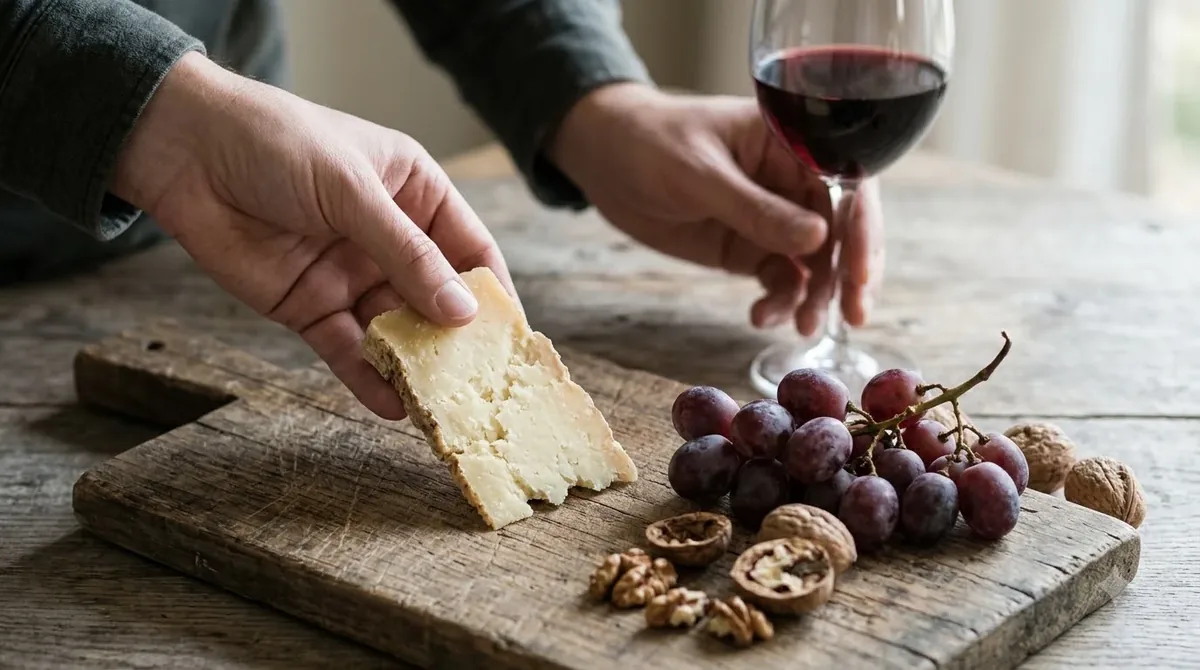
Pour White Port straight from the refrigerator at 45 to 50°F so its citrus and orchard-fruit notes stay crisp against soft goat cheese or triple-cream Brie. Aged Tawny Ports show their best nuttiness and acidity around 55 to 60°F, while Ruby and Late Bottled Vintage styles perform best between 55 and 65°F. Vintage Port is typically served near cellar temperature at roughly 65°F; if your dining room runs warm, twenty minutes in the fridge will keep the spirit from dominating the glass.
Decanting matters for unfiltered styles that throw heavy sediment during bottle maturation. Vintage Port—and occasionally unfiltered LBV—should be stood upright for several hours before service and poured slowly into a decanter so gritty lees stay behind. Ruby, Tawny, and White Ports are filtered prior to bottling and can be opened and poured right away without decanting.
Take your cheeses out of the refrigerator 30 to 45 minutes before guests arrive so they reach room temperature. Cold cheese mutes subtle aromatic compounds and locks up butterfat, whereas tempered cheese releases its full savory aroma and yields smoothly on the palate.
Tip: Serve Port in small 2- to 3-ounce pours using tulip-shaped dessert wine glasses or standard white wine glasses rather than tiny cordials so the aromas have room to open up.
Building a Balanced Port and Cheese Board
A memorable board relies on contrasting textures, varied milk types, and a few deliberate pantry accompaniments that bridge the wine and the dairy. Two or three distinct cheeses provide plenty of variety without overwhelming the palate.
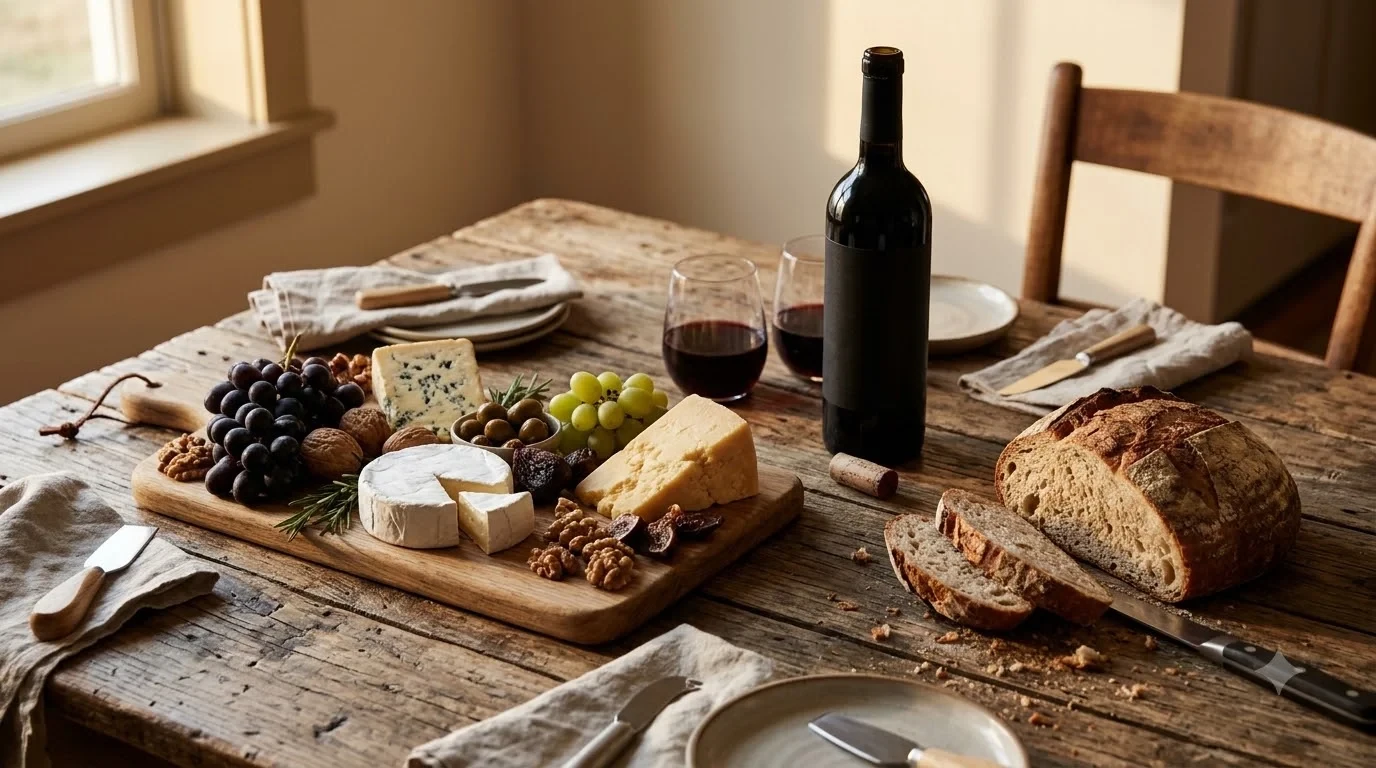
Anchor the platter with one pungent blue cheese—such as Stilton, Roquefort, or Gorgonzola Piccante—to pair with Ruby, LBV, or Vintage Port. Add one firm, aged cheese like 18-month Gouda, Manchego, or Parmigiano-Reggiano to highlight the caramelized depth of an aged Tawny. If you are pouring chilled White Port alongside red styles, round out the trio with a soft-ripened Brie or tangy fresh chèvre.
Choose simple accompaniments that echo the flavors already present in the glass. Toasted walnut halves or Marcona almonds accentuate the oxidative nuttiness in Tawny Port, while dried figs, quince paste, or a light drizzle of dark honey bridge salty blue veins with sweet red fruit. Crisp slices of fresh pear or apple along with plain water crackers give guests a clean way to reset their palates between rich bites.
Storing Open Bottles and Dietary Considerations
Because Port is fortified with grape spirit, open bottles stay fresh far longer than standard table wines, making it easy to enjoy a glass with cheese over multiple evenings. Proper storage protects the wine’s aromatics from premature oxidation and heat damage.
Once opened, reseal the bottle tightly with its original stopper and store it upright in the refrigerator. Ruby and Late Bottled Vintage Ports retain their bright fruit for several weeks under refrigeration, while wood-aged Tawnies have already undergone controlled oxidation and hold up easily for a month or longer; you can read more about how long does tawny port last after opening to plan your pours. Unfiltered Vintage Port is the main exception, tasting most vibrant within a few days of decanting.
Hosts planning a spread for guests with dietary restrictions can also check is port gluten free before assembling crackers and breads. Pure Port is made solely from fermented grapes and distilled grape brandy, meaning the wine itself contains no gluten grains, though serving gluten-free crackers or fresh pear slices keeps the whole plate safe for sensitive guests. To see how fortified styles fit alongside dry reds, whites, and sparkling bottles, explore our broader guide to Wine by Type.
Frequently Asked Questions
What is the single best cheese to pair with Port?
Blue Stilton is widely considered the benchmark match for Ruby, Late Bottled Vintage, and Vintage Port. The dense, crumbly texture and sharp, salty blue veins create a classic sweet-and-savory contrast against the wine’s rich dark fruit and residual sugar.
Should you serve Port chilled or at room temperature with cheese?
Most Port styles taste best slightly below standard room temperature so the alcohol stays crisp and balanced. Serve White Port cold at 45 to 50°F, aged Tawny at 55 to 60°F, Ruby and LBV between 55 and 65°F, and Vintage Port near cellar temperature around 65°F.
Does Tawny Port pair better with blue cheese or hard cheese?
Aged Tawny Port typically pairs better with firm, nutty hard cheeses than with strong blue cheeses. Its barrel-aged flavors of toasted walnut, caramel, and dried fruit mirror the crystalline, savory profiles of aged Gouda, Manchego, Comté, and Parmigiano-Reggiano.
Can you pair White Port with a cheese board?
Yes, chilled White Port is an excellent partner for softer, milder cheeses that might clash with sweet red Ports. Dry and off-dry White Ports bring bright acidity and citrus-almond notes that complement fresh goat cheese, Brie, and Camembert.
Pairing port with cheese comes down to matching weight and intensity—pairing salty blues with rich red styles, nutty aged wedges with barrel-matured Tawnies, and creamy soft cheeses with chilled White Port. Start with two contrasting cheeses, chill your bottle slightly before pouring, and let the balance of sweet, salty, and savory flavors carry the course.
More in Wine Types & Grapes
 Zinfandel Sugar Content: Dry Red vs. White Zinfandel GramsUpdated Nov 21, 2026
 Best Zinfandel Substitute Options for Sipping and CookingUpdated Nov 21, 2026
 Zweigelt Food Pairing: Best Dishes, Cheeses, and Serving TipsUpdated Nov 21, 2026
 Zinfandel Tannins Explained: How Structure Shapes Every BottleUpdated Nov 21, 2026
 Zinfandel Sweetness Level: Dry Red vs. Sweet White Zin ExplainedUpdated Nov 21, 2026
 Xinomavro Food Pairing: Best Dishes, Styles, and Serving TipsUpdated Nov 21, 2026