

We may earn a commission when you buy through links on this page, at no extra cost to you. Learn more.
Classic pinot grigio tasting notes center on zesty citrus—such as lemon, lime, and Meyer lemon—layered with crisp green apple, white pear, and white peach. Depending on where the grapes grow and how the winemaker handles fermentation, the wine can also show subtle notes of honeysuckle, crushed stone minerality, saline, and a signature bitter almond finish. Most bottles are light-bodied and bone-dry with high acidity, though warmer-climate and French-style versions introduce riper stone fruit, baking spices, and a fuller, oilier texture.
While Pinot Grigio often gets pigeonholed as a simple patio sipper, the grape actually produces a wide spectrum of sensory profiles across the globe. Understanding what is happening in your glass comes down to recognizing how climate, harvest timing, and cellar techniques shape those core fruit, floral, and mineral aromas.
What Is Pinot Grigio?
Pinot Grigio is a dry white wine made from the Pinot Gris grape, a natural genetic mutation of Pinot Noir that features dusty, pinkish-gray berry skins. Despite its reputation as an Italian staple, the variety originated in France and carries different regional names that signal distinct winemaking philosophies.
In Italy, where the grape is known as Pinot Grigio, winemakers typically harvest the fruit early to preserve bracing natural acidity and keep alcohol levels moderate. The resulting wine is pale straw in color, light on its feet, and fermented in stainless steel tanks to protect its fresh, primary fruit character. According to Wine Folly’s guide to Pinot Grigio styles, this quintessential alpine expression is prized for its clean simplicity, zippy citrus drive, and mouthwatering saline edge.
When the exact same grape is labeled under its French name, Pinot Gris, the tasting experience shifts noticeably. Because the grape’s pinkish-purple skins carry extra phenolic compounds compared to green-skinned varieties like Sauvignon Blanc, extended skin contact or later harvesting unlocks deeper golden hues and broader textures. If you want to compare the fuller French interpretation side by side, our breakdown of pinot gris tasting notes explores how riper fruit and barrel aging transform the variety.
Beyond standard white winemaking, Italian producers in northeastern regions also craft a traditional copper-tinted style called Ramato. By allowing the juice to macerate briefly on those grayish-pink skins, winemakers create an amber-hued wine that sits between a white and a rosé, trading simple citrus flavors for wild strawberries, blood orange zest, and subtle herbal grip.
Flavor and Styles of Pinot Grigio
Pinot Grigio spans three distinct flavor profiles—mineral and dry, fruity and dry, and rich or off-dry—driven primarily by vineyard climate and cellar choices. Recognizing these categories makes it much easier to predict the exact aromas and textures inside any bottle before pulling the cork.

The first and most familiar style is Mineral and Dry Pinot Grigio, which dominates northern Italian appellations. On the nose, these wines open with sharp lemon zest, tart green apple, unripe pear, and spring blossoms like wisteria or honeysuckle. Underneath the fruit sits a distinct stony character often described as wet gravel, flint, or sea spray. On the palate, vibrant acidity carries the wine to a clean, brisk finish punctuated by a faint, pleasant hint of bitter almond.
The second category is Fruity and Dry Pinot Grigio, commonly produced in warmer regions like California, Washington, and Australia. Extra sunshine ripens the grapes further, swapping tart green apple for juicy white peach, nectarine, honeydew melon, and even tropical hints of pineapple or papaya. Many winemakers in these regions allow the wine to undergo malolactic fermentation—a secondary process that converts sharp malic acid into softer lactic acid—or age the wine on its spent yeast cells (lees), resulting in a rounder, slightly creamy mid-palate.
The third expression leans Rich and Off-Dry, a hallmark of Alsace in northeastern France and select cool-but-sunny regions like New Zealand. Here, winemakers may leave a touch of natural residual sugar or harvest late-picked grapes affected by noble rot (botrytis cinerea). Reviewers at Wine Enthusiast note that these richer bottlings deliver baked golden apple, honeycomb, candied lemon peel, clove, and ginger, backed by enough natural acidity to keep the finish balanced rather than cloying. You can explore how this spectrum compares to other aromatic whites in our Wine by Type hub.
| Style Category | Primary Fruit Notes | Secondary & Earth Notes | Body & Acidity | Key Regions |
|---|---|---|---|---|
| Mineral & Dry | Lemon, lime, green apple, white pear | Wet gravel, flint, saline, bitter almond, white flowers | Light body; high, zesty acidity | Alto Adige, Trentino, Friuli-Venezia Giulia (Italy) |
| Fruity & Dry | White peach, nectarine, honeydew, papaya | Honeysuckle, subtle cream, light herbal notes | Medium body; medium to medium-high acidity | California, Washington, Oregon, Australia |
| Rich & Off-Dry | Baked apple, apricot, Meyer lemon, poached pear | Honeycomb, ginger, clove, cinnamon, toasted nuts | Medium-full to full body; balanced acidity | Alsace (France), Marlborough (New Zealand) |
| Ramato (Skin-Contact) | Blood orange, cranberry, cherry plum, gooseberry | Crushed rock, dried herbs, black tea, savory spice | Light-medium body; grippy texture, crisp acidity | Friuli-Venezia Giulia, Veneto (Italy) |
Where Pinot Grigio Grows
Climate dictates the final flavor profile of Pinot Grigio more than almost any other factor, with cool mountain vineyards yielding sharp, mineral wines and sunny coastal valleys producing plush, fruit-driven bottles. While Italy leads global production, standout regions across Europe, North America, and Oceania each put an unmistakable stamp on the grape.
In northern Italy, the foothills of the Alps and Dolomites provide ideal growing conditions for crisp, high-acid Pinot Grigio. Alto Adige—where vineyard elevations climb up to 3,300 feet—and neighboring Trentino experience warm sunny days followed by cold alpine nights, locking in bright citrus and stony minerality. Further east in Friuli-Venezia Giulia, hillside appellations like Collio and Friuli Colli Orientali produce some of Italy’s most structured, aromatic expressions, often showing silky textures alongside Anjou pear and Meyer lemon notes. For a deeper look at the grape’s geographical roots and history, read our guide on where is pinot grigio from.
Across the Atlantic, the United States offers two very different interpretations. Oregon’s Willamette Valley—where Pinot Gris ranks as the state’s second-most planted grape—shares a cool, maritime-influenced climate that yields vibrant acidity, Granny Smith apple, Mirabelle plum, and wet stone flavors. Meanwhile, California’s Central Coast and Sonoma County deliver sun-drenched bottles bursting with passionfruit, ripe peach, and tropical melon, often accompanied by slightly higher alcohol levels between 13% and 13.5% ABV.
Elsewhere in the world, Germany and Austria cultivate the grape under the name Grauburgunder, producing dry, food-friendly bottlings that bridge Italian crispness and French weight. In New Zealand’s Marlborough region, abundant sunshine paired with cool ocean breezes creates fragrant, peachy styles that frequently retain a kiss of residual sweetness.
How to Serve Pinot Grigio
Serving Pinot Grigio at the proper temperature—between 45°F and 50°F (7°C to 10°C)—keeps its zesty acidity lively without numbing its delicate floral and stone fruit aromas. Treating the wine to the right glassware and storage habits ensures every pour tastes crisp and expressive.
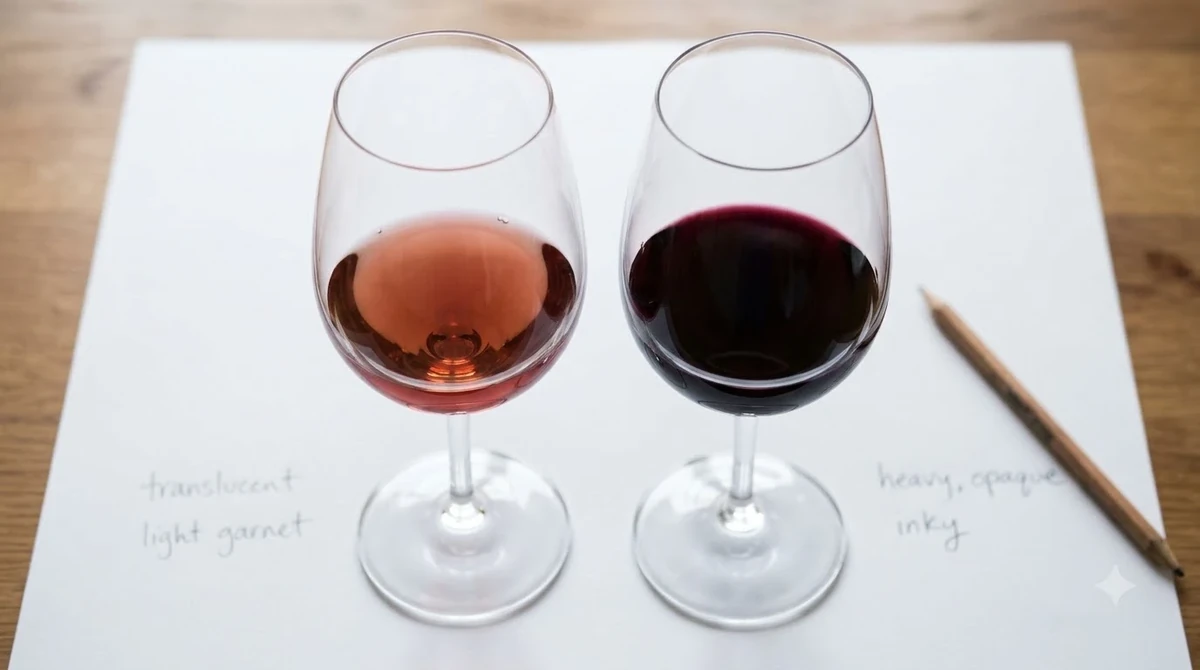
Temperature control is the single biggest factor in unlocking Pinot Grigio’s aromatics. Straight out of a standard kitchen refrigerator, which typically sits around 37°F to 40°F, a light white wine can taste muted, overly tart, and stripped of its pear and blossom nuances. Pulling the bottle from the fridge roughly 15 to 20 minutes before pouring allows it to warm into that sweet spot of 45°F to 50°F. Fuller-bodied styles, such as Alsatian Pinot Gris or skin-contact Ramato, shine slightly warmer—closer to 50°F to 54°F—so their spice and textural richness can open up.
Choose a standard white wine glass with a medium-sized, slightly tapered bowl. The narrower rim helps trap volatile citrus and floral aromatics while keeping the wine cool in your hand, and holding the glass by the stem prevents body heat from warming the pour too quickly. Unlike bold red wines or structured white Burgundies, crisp Italian Pinot Grigio does not require decanting and is meant to be enjoyed young, typically within one to two years of the vintage date on the label.
Tip: If you forgot to chill your bottle ahead of time, submerge it in a bucket filled with equal parts ice and cold water plus a handful of table salt; this drops the wine to 45°F in about 15 minutes.
Food Pairing With Pinot Grigio
Pinot Grigio’s brisk acidity, clean finish, and absence of heavy oak make it one of the most versatile table wines for light, fresh, and savory dishes. Acting much like a squeeze of fresh lemon juice, the wine cuts through rich sauces, refreshes the palate between bites, and complements delicate herbs.
Seafood and shellfish are the classic partners for mineral-driven Italian Pinot Grigio. Oysters on the half shell, shrimp scampi, grilled sea bass, seared scallops, and citrus-marinated ceviche all mirror the wine’s saline edge and bright lemon notes. According to Wine Enthusiast’s masterclass on Pinot Grigio, the grape’s natural vibrancy also tames salty or fried dishes, making it an effortless match for crispy calamari, fish tacos, or a plate of herb-dusted french fries.
Fresh cheeses, salads, and poultry dishes also thrive alongside crisp styles. Soft, tangy cheeses like fresh goat cheese, mozzarella, burrata, and feta harmonize with the wine’s high acid without overwhelming its delicate fruit. For heartier meals—such as roast chicken with thyme, pork tenderloin, or creamy mushroom pasta—step up to a fuller-bodied Pinot Gris from Oregon or Alsace, whose broader mid-palate and stone fruit weight can stand up to richer textures. If you enjoy high-acid whites that handle diverse dinner menus, you might also appreciate exploring chenin blanc tasting notes for another food-friendly option.
How to Choose a Bottle of Pinot Grigio
Reading the regional appellation, vintage year, and alcohol percentage on a Pinot Grigio label tells you immediately whether a bottle will taste lean and stony or lush and fruit-forward. Paying attention to three quick clues on the front and back labels takes the guesswork out of shopping.
First, look at the geographic origin printed on the label. Massive, generic designations like Delle Venezie DOC or Venezie IGT typically signify high-volume, budget-friendly wines engineered for simple, crowd-pleasing citrus refreshment. If you want greater aromatic complexity, concentrated mineral depth, and nuanced texture, seek out specific northern Italian sub-regions like Alto Adige DOC, Trentino DOC, Collio DOC, or Friuli Colli Orientali DOC.
Second, check the alcohol by volume (ABV) and any winemaking notes on the back label. Bottles sitting between 11.5% and 12.5% ABV almost always reflect earlier harvesting, resulting in a lighter body, sharper green apple flavors, and bone-dry crispness. Bottles labeled at 13% to 14% ABV indicate riper grapes, delivering plush stone fruit, softer acidity, and a rounder mouthfeel. Mentions of sur lie aging or stainless-steel fermentation also signal whether the winemaker prioritized creamy weight or pure, steely freshness.
Finally, inspect the vintage year. Because crisp Pinot Grigio relies on primary fruit and vibrant acidity rather than oak structure, always reach for the most recent release—ideally within one to two years of harvest—unless you are specifically buying an age-worthy Grand Cru bottling from Alsace.
Frequently Asked Questions
Is Pinot Grigio sweet or dry?
The vast majority of Pinot Grigio—especially from Italy, Oregon, and California—is fermented completely dry, containing less than 1% residual sugar. However, ripe fruit flavors like white peach and melon in warmer-climate bottles can create an impression of sweetness even when no sugar remains. The main exceptions are off-dry and late-harvest styles from Alsace, France, which are intentionally made with noticeable sweetness.
What is the difference between Pinot Grigio and Pinot Gris?
Pinot Grigio and Pinot Gris are the exact same grape variety, Vitis vinifera Pinot Gris, just named in Italian and French respectively. Winemakers use the Italian name “Pinot Grigio” to signal a light-bodied, bone-dry, citrus-and-mineral style, while “Pinot Gris” usually indicates a richer, fuller-bodied wine with riper stone fruit, baking spices, and softer acidity.
Does Pinot Grigio have oak flavors?
Classic Pinot Grigio is almost never aged in new oak barrels, meaning you will not taste vanilla, toast, or buttered popcorn notes like you would in oaked Chardonnay. Winemakers overwhelmingly ferment Pinot Grigio in inert stainless steel tanks to preserve its pure citrus, green apple, and floral aromatics, though a small handful of artisanal producers use neutral old casks or chestnut barrels for subtle texture.
How many calories and carbs are in a glass of Pinot Grigio?
A standard 5-ounce (150 ml) pour of dry Pinot Grigio typically contains between 110 and 125 calories, depending on its alcohol percentage. Because dry styles have virtually all their grape sugars fermented into alcohol, a standard glass generally has only about 3 to 4 grams of carbohydrates.
From the razor-sharp, mineral-laced pours of Italy’s Alpine valleys to the lush, spice-kissed bottlings of Alsace and the Pacific Northwest, Pinot Grigio rewards anyone who pays attention to what is in the glass. By matching the region and style to your meal and serving temperature, you can experience the full aromatic range of this remarkably adaptable grape.
More in Wine Types & Grapes
 Zinfandel Sugar Content: Dry Red vs. White Zinfandel GramsUpdated Nov 21, 2026
 Best Zinfandel Substitute Options for Sipping and CookingUpdated Nov 21, 2026
 Zweigelt Food Pairing: Best Dishes, Cheeses, and Serving TipsUpdated Nov 21, 2026
 Zinfandel Tannins Explained: How Structure Shapes Every BottleUpdated Nov 21, 2026
 Zinfandel Sweetness Level: Dry Red vs. Sweet White Zin ExplainedUpdated Nov 21, 2026
 Xinomavro Food Pairing: Best Dishes, Styles, and Serving TipsUpdated Nov 21, 2026