


We may earn a commission when you buy through links on this page, at no extra cost to you. Learn more.
Pairing white wine with chicken comes down to matching the weight and acidity of the bottle to the sauce, cooking method, and cut of meat rather than the bird itself. Lean, citrus-driven preparations call for crisp, high-acid whites like Sauvignon Blanc or Pinot Grigio, while roasted skin and cream sauces need fuller-bodied options such as oaked Chardonnay or Viognier. For spicy or sweet-and-sour chicken recipes, an off-dry Riesling balances heat and sugar without overwhelming the palate.
Because poultry has a mild, adaptable flavor profile, it acts like a culinary blank canvas on the dinner table. A poached chicken breast and a plate of crispy buttermilk fried chicken share the same main ingredient, yet they demand completely different styles of wine to taste balanced. Understanding a few foundational rules around preparation, sauce richness, and serving temperature turns an everyday poultry dinner into an effortless match.
Why Sauce and Cooking Method Matter More Than the Bird
Chicken is naturally lean and subtle, meaning the cooking technique, browning, and accompanying sauce dictate which white wine will harmonize with the dish. Matching the flavor intensity and body of the wine to the heaviest element on the plate prevents the bottle from either disappearing or overpowering the meal.
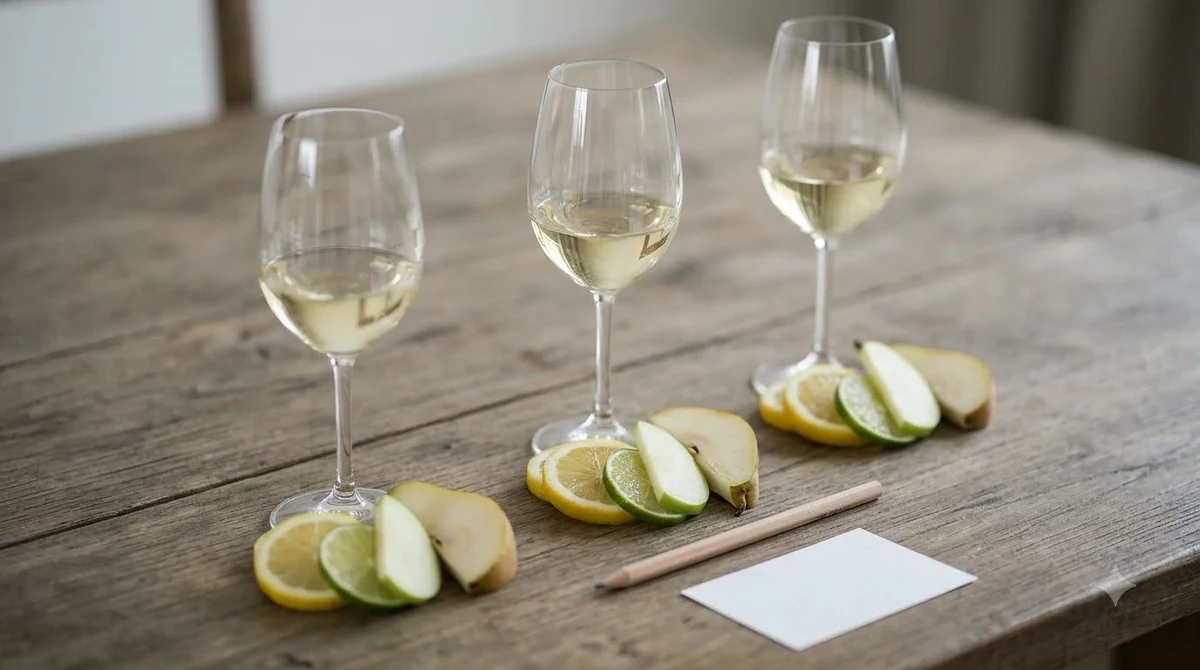
According to pairing guidelines from Wine Folly, poultry preparations shift the flavor equation dramatically depending on how heat and fat are applied. Poaching preserves moisture while keeping flavors gentle and delicate, which leaves room for light, understated whites that would otherwise get lost. Roasting, on the other hand, caramelizes the skin and concentrates savory pan drippings, creating enough richness to support a broader, rounder white wine with subtle oak influence.
The cut of meat also plays a supporting role in how much weight a bottle can carry. White breast meat is lower in fat and pairs effortlessly with zesty, linear wines, whereas dark meat from thighs and drumsticks contains more richness and connective tissue, allowing it to stand up to fuller-bodied whites or even lighter styles from our guide to Wine by Type. When a dish features a prominent pan sauce, marinade, or glaze, always anchor your bottle choice to the sauce first and treat the chicken as the supporting texture.
Acidity and sweetness in the recipe require equal attention so the wine never tastes flat or bitter. If a chicken dish relies on lemon juice, vinegar, or capers, the wine needs at least as much natural acidity as the food to keep the finish bright. Conversely, sweet glazes or fiery chili pastes will make bone-dry, high-alcohol whites taste sharp and hot, making a touch of residual sugar essential.
Best White Wines for Classic Chicken Preparations
Different white grape varieties bring distinct levels of body, acidity, and aromatics that align naturally with specific chicken recipes. Choosing from five core white wine styles covers nearly every poultry dish from weeknight salads to Sunday roasts.
Chardonnay is the benchmark white for roast chicken and creamy sauces, though style matters tremendously. An oaked Chardonnay from California, Chile, or Southern France offers round texture, baking spice, and richness that mirror golden roasted skin, butter-basted breasts, and cream-based mushroom or tarragon sauces. When the dish is lighter—such as cold chicken salad or simply grilled cutlets—an unoaked Chardonnay or Chablis delivers crisp apple and mineral notes without heavy wood.
Sauvignon Blanc excels whenever fresh green herbs, garlic, or bright citrus lead the recipe. Regions like New Zealand, Chile, Washington State, and California produce vibrant bottles with lime, grass, and herbal notes that latch onto rosemary, thyme, oregano, and lemon-caper piccata sauces. Its brisk acidity slices cleanly through olive oil and compound butter while keeping each bite feeling fresh.
Riesling is the premier problem-solver for spicy, sweet-and-sour, or aromatic Asian-inspired chicken dishes. Off-dry styles carry a gentle touch of residual sugar alongside mouthwatering acidity, which cools down chili heat in Thai curries, buffalo wings, or sweet chili glazes while echoing pineapple or ginger notes. Dry Riesling also works beautifully alongside herb-roasted poultry and tangy mustard marinades.
Chenin Blanc and Pinot Grigio shine with delicate, lightly seasoned dishes where subtlety is the goal. Dry Chenin Blanc from the Loire Valley or South Africa brings orchard fruit, white flowers, and lively acidity to poached chicken, light pan-seared cutlets, and warm chicken salads. Pinot Grigio, along with Spanish Albariño and Italian Vermentino, provides a clean, citrus-and-saline finish ideal for grilled chicken skewers, lemon-herb marinades, and summer picnic spreads.
Viognier and White Rhône Blends offer an aromatic, full-bodied alternative to Chardonnay for richly seasoned meals. Viognier brings floral aromas of honeysuckle and stone fruit that pair naturally with fragrant herbs like sage and lavender, as well as lightly spiced Moroccan or apricot-glazed chicken. White Côtes du Rhône blends built on Marsanne and Roussanne provide a plush, savory texture that complements creamy casseroles and roasted root vegetables.
Chicken and White Wine Pairing Chart
Matching common chicken recipes with the right white wine style is straightforward once you line up the primary flavor driver with the grape’s structure. Use the reference table below to pair popular preparations with reliable white wine styles and understand why each match works.
| Chicken Dish | Recommended White Wine | Why the Pairing Works |
|---|---|---|
| Herb-Roasted Whole Chicken | Oaked Chardonnay or White Rhône Blend | Medium-to-full body and subtle oak match browned skin and savory pan juices. |
| Lemon Herb Chicken or Piccata | Sauvignon Blanc or Pinot Grigio | High natural acidity mirrors the lemon and capers without turning metallic. |
| Chicken Alfredo or Cream Sauce | Oaked Chardonnay or Viognier | Plush texture stands up to heavy dairy while acidity refreshes the palate. |
| Crispy Fried Chicken | Dry Sparkling Wine (Brut Champagne or Cava) | Effervescence and sharp acidity cut through fried batter and oil. |
| Spicy Chicken Curry or Wings | Off-Dry Riesling or Gewürztraminer | Slight sweetness and lower alcohol tame chili heat and aromatic spices. |
| Poached Chicken or Chicken Salad | Unoaked Chardonnay, Dry Chenin Blanc, or Albariño | Crisp, delicate fruit flavors complement lean white meat without overpowering it. |
Notice how sparkling white wines earn a dedicated spot for fried chicken despite not being still table wines. Reviewers at Wine Folly highlight that the combination of brisk acidity and lively carbonation acts like a palate cleanser between crunchy, salty bites, lifting heavy cooking oil off the tongue far better than a still, full-bodied white ever could. Brut Cava, Crémant, and Champagne all deliver this crisp contrast effortlessly.
When a chicken recipe leans heavily toward dark, earthy mushrooms or tomato-based braises like chicken cacciatore, white wine starts reaching its structural limits. Those savory, umami-heavy sauces often bridge nicely into light-bodied reds, or you can explore fruit-driven options like pinot noir sangria for casual warm-weather gatherings where both white and dark meats hit the grill.
How to Serve White Wine Alongside Chicken
Serving temperature has an immediate impact on how well a white wine interacts with food, as over-chilling mutes aromatics and under-chilling makes alcohol feel heavy. Dialing in the proper chill level ensures the wine’s fruit, acidity, and texture show up clearly next to your meal.
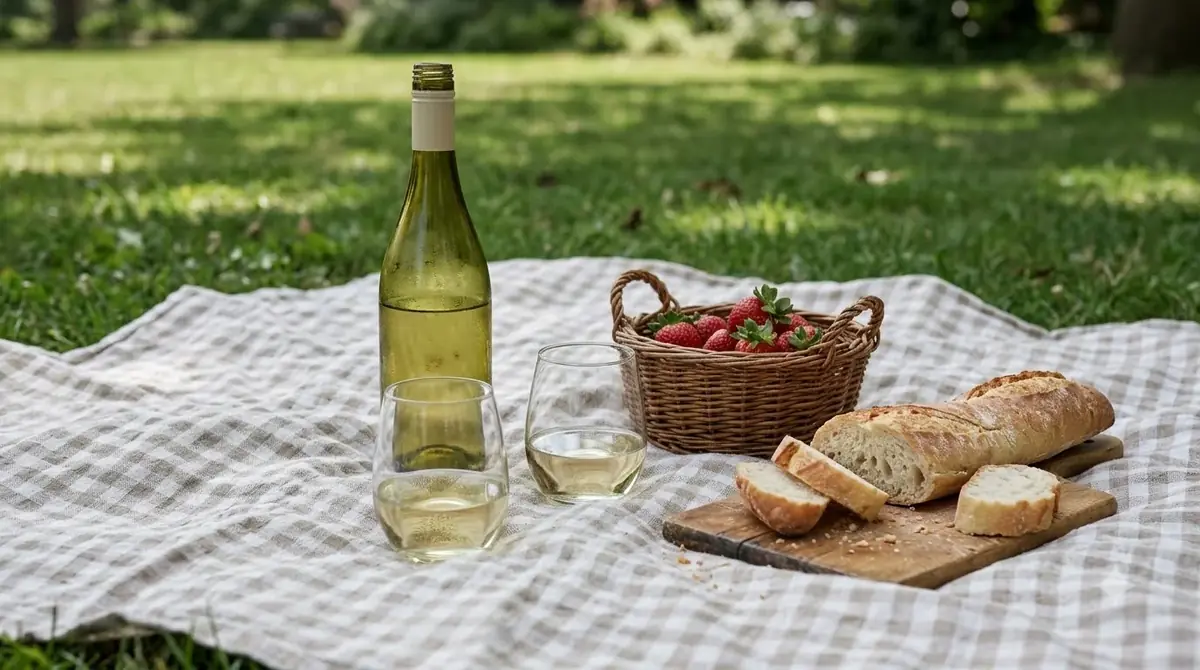
Most household refrigerators run around 35 to 40 degrees Fahrenheit, which is noticeably colder than ideal for almost every style of white wine. According to VinePair, light-bodied, crisp whites such as Sauvignon Blanc, Pinot Grigio, and dry Riesling taste best served cold between 45 and 50 degrees Fahrenheit, where their citrus aromas and racy acidity stay sharp and expressive. Pulling these bottles out of the refrigerator about 10 to 15 minutes before pouring allows the aromatics to wake up.
Fuller-bodied whites like oaked Chardonnay and Viognier perform best slightly warmer, around 50 to 55 degrees Fahrenheit. Serving a barrel-aged Chardonnay straight from an ice-cold fridge flattens its creamy mouthfeel and hides subtle notes of toasted nuts and orchard fruit. Giving richer whites 20 to 30 minutes on the counter before dinner lets their rounder texture bloom alongside roast chicken or cream sauces.
Tip: If you cook a white wine pan sauce—such as lemon beurre blanc or white wine garlic reduction—pour the same style of dry, crisp white wine into your glass that you used in the skillet so the flavors bridge naturally.
Glassware also subtly shapes the dining experience without requiring specialized stemware for every grape. A standard tulip-shaped white wine glass concentrates bright citrus and floral notes toward the nose for Sauvignon Blanc and Riesling, while a slightly wider bowl gives oaked Chardonnay room to breathe and showcase its plush texture. Keeping an ice bucket nearby during longer meals helps maintain that 45 to 55 degree window without forcing the bottle back into a freezing fridge.
Common Mistakes to Avoid When Pairing White Wine and Chicken
Even flexible pairings can fall flat when a few classic flavor clashes occur between the plate and the glass. Avoiding four common missteps will keep your chicken dinner balanced from the first sip to the last bite.
First, do not pair heavily oaked, buttery Chardonnay with sharp citrus or vinegar-heavy marinades. High acid in dishes like lemon piccata or balsamic-glazed chicken strips the fruit out of rich, low-acid wines, leaving the oak tasting woody and bitter on the finish. Save barrel-aged whites for butter, cream, and roasted preparations, and reach for high-acid unoaked grapes whenever tart ingredients lead the recipe.
Second, avoid high-alcohol, bone-dry wines with spicy buffalo wings, Nashville hot chicken, or fiery curries. Alcohol amplifies the burning sensation of capsaicin on the palate, making spicy food taste noticeably hotter while stripping away the wine’s fruit flavors. Choosing a lower-alcohol, off-dry Riesling keeps the heat comfortable and highlights the savory spices in the dish.
Third, never cook with sweet dessert wines or salted grocery-store “cooking wine” when making a pan sauce intended to match a dry table wine. Sweet wines concentrate into syrupy glazes when reduced over heat, while salted cooking wines add harsh sodium and off-flavors. Always deglaze the pan with a clean, dry white wine you genuinely enjoy drinking, saving sweeter styles like recioto wine for post-dinner sipping rather than savory skillet reductions.
Finally, remember to account for side dishes and nutritional preferences when planning the menu. A lean grilled chicken breast served next to truffled mac and cheese needs a fuller white than the same breast served over steamed green beans, while diners tracking macros or comparing pinot noir carbs against dry white wines will find that bone-dry whites like Sauvignon Blanc and Pinot Grigio keep residual sugar minimal without sacrificing flavor.
Frequently Asked Questions
What is the single most versatile white wine with chicken?
Chardonnay is the most versatile white wine for chicken because it spans both crisp unoaked styles and rich barrel-aged versions. An unoaked Chardonnay pairs cleanly with grilled herbs, lemon, and salads, while an oaked bottle matches roasted skin and cream sauces.
Can you pair white wine with dark meat chicken like thighs and drumsticks?
Yes, dark meat chicken pairs very well with fuller-bodied white wines that have enough weight to match the extra fat and rich flavor. Look for oaked Chardonnay, Viognier, or a White Côtes du Rhône blend, especially when the thighs are roasted or braised in a savory pan sauce.
What white wine goes best with fried chicken?
Dry sparkling white wine—such as Brut Champagne, Cava, or Crémant—is the top choice for fried chicken. The combination of brisk acidity and lively bubbles cuts right through the rich batter and cooking oil, refreshing your palate between crunchy bites.
Should you serve white wine ice cold with chicken?
No, serving white wine straight from a 35 to 40 degree refrigerator mutes its aromas and flavors. Crisp whites taste best between 45 and 50 degrees Fahrenheit, while fuller-bodied whites like oaked Chardonnay open up best between 50 and 55 degrees Fahrenheit.
Choosing the right white wine with chicken ultimately comes down to looking at how the dish is cooked and dressed rather than overthinking the protein itself. Match crisp, high-acid whites to bright citrus and herbs, lean toward fuller-bodied bottles for roasted skin and cream, and save off-dry styles for spicy glazes. With those simple guidelines in place, every poultry dinner becomes an easy opportunity to pour a bottle that makes both the food and the wine shine.
More in Wine Types & Grapes
 Zinfandel Sugar Content: Dry Red vs. White Zinfandel GramsUpdated Nov 21, 2026
 Best Zinfandel Substitute Options for Sipping and CookingUpdated Nov 21, 2026
 Zweigelt Food Pairing: Best Dishes, Cheeses, and Serving TipsUpdated Nov 21, 2026
 Zinfandel Tannins Explained: How Structure Shapes Every BottleUpdated Nov 21, 2026
 Zinfandel Sweetness Level: Dry Red vs. Sweet White Zin ExplainedUpdated Nov 21, 2026
 Xinomavro Food Pairing: Best Dishes, Styles, and Serving TipsUpdated Nov 21, 2026