

We may earn a commission when you buy through links on this page, at no extra cost to you. Learn more.
When wine drinkers ask where is moscato from, the direct answer is the Piedmont region of northwestern Italy, specifically the hills surrounding the town of Asti. While the grape family behind it—known globally as Muscat—originated in the ancient Mediterranean basin and grows across Europe, Australia, and the Americas, Italy made the sweet, lightly sparkling style famous. Classic Italian Moscato d’Asti is produced from Muscat Blanc à Petits Grains grapes and is prized for its bright peach, orange blossom, and honeysuckle aromas.
Understanding Moscato means separating the modern Italian wine style from its ancient botanical roots. Depending on where the grapes are harvested and how the winemaker handles fermentation, a bottle labeled Moscato or Muscat can be lightly fizzy and low in alcohol, crisp and completely dry, or richly fortified for dessert.
What It Is
Moscato is the Italian name for wine made primarily from Muscat Blanc à Petits Grains, widely considered one of the oldest cultivated wine grape varieties in the world. Although the wine itself is synonymous with Italy, the grape family spans hundreds of mutations and regional synonyms across the globe.
Wine historians and researchers at VinePair note that the Muscat family likely originated in ancient Greece before Roman traders and settlers carried cuttings throughout the Mediterranean basin. Because the grape has existed for millennia, it has cross-pollinated and mutated into yellow, pink, and dark-skinned varieties. Two primary parent grapes account for the vast majority of bottles sold today: Muscat Blanc à Petits Grains, prized for its intense floral perfume, and Muscat of Alexandria, known for higher sugar levels and lush grapey sweetness.
In northwestern Italy, winemakers perfected a method that captures the fresh, aromatic character of Muscat Blanc à Petits Grains without turning the wine heavy or syrupy. Rather than allowing yeast to convert all the natural grape sugar into alcohol, producers chill the stainless steel fermentation tanks early. This arrested fermentation leaves behind natural residual sugar, gentle carbon dioxide bubbles, and a remarkably low alcohol by volume (ABV) around 5.5 percent.
Because the name changes from country to country, shoppers often encounter Moscato under different aliases. In France, it appears as Muscat; in Spain and Portugal, it is called Moscatel; in Austria and Germany, it goes by Muskateller; and in Sicily, Muscat of Alexandria is locally known as Zibibbo. Exploring these regional names reveals a far wider spectrum of wine styles than the sweet white bottles typically stocked on American grocery shelves.
Flavor and Styles
Most people associate Moscato with sweet notes of ripe peach, mandarin orange, pear, and honeysuckle, yet the grape is produced in five distinct styles ranging from bone-dry to dessert-sweet. The final profile depends on whether the winemaker stops fermentation early, lets it finish dry, or fortifies the wine with grape spirit.
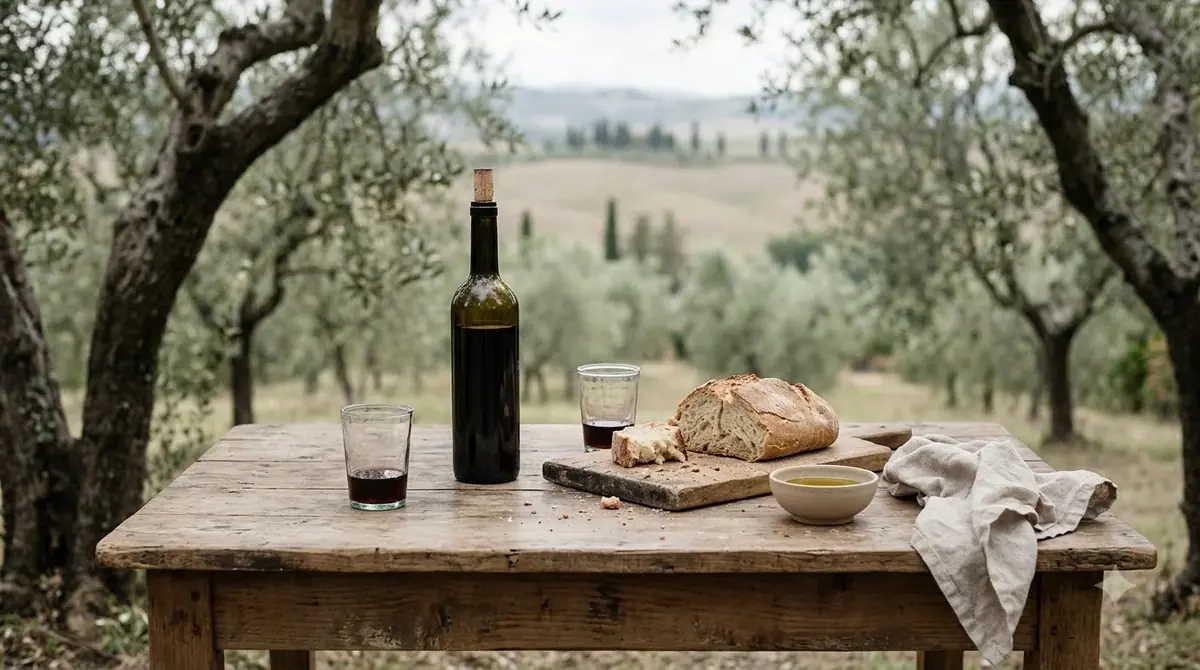
Semi-sparkling Moscato d’Asti is the benchmark style, classified as frizzante in Italian due to its soft, gentle spritz rather than aggressive Champagne-style bubbles. According to Wine Folly, Moscato d’Asti balances its high natural sugar with crisp acidity and sits around 5.5 percent ABV, whereas standard dry table wines typically reach around 13 percent ABV. Asti Spumante, made in the same Italian zone, undergoes a fuller secondary fermentation that yields stronger carbonation and slightly higher alcohol between 7 and 9 percent.
Beyond bubbly versions, winemakers craft still Moscato that can range from off-dry to completely dry, such as Austrian Muskateller or dry Alsatian Muscat. Even when fermented without residual sugar, the grape’s natural aromatic compounds—called terpenes—trick the human nose into perceiving sweetness through vivid scents of Meyer lemon, crushed rose petals, and fresh table grapes. Pink Moscato blends white Muscat grapes with a splash of red wine such as Merlot to add strawberry and cherry notes, while Red Moscato relies on Black Muscat, a cross between Schiava and Muscat of Alexandria that offers raspberry, violet, and black tea nuances.
| Moscato Style | Key Origin | Sweetness & Fizz | Typical ABV | Core Flavor Notes |
|---|---|---|---|---|
| Moscato d’Asti | Piedmont, Italy | Sweet, lightly sparkling (frizzante) | 4.5% – 6% | White peach, orange blossom, honeysuckle |
| Asti Spumante | Piedmont, Italy | Sweet, fully sparkling | 7% – 9% | Ripe pear, golden apple, lemon zest |
| Dry Still Muscat | France, Austria | Dry, still | 11% – 14% | Grapefruit, white flowers, crisp lime |
| Pink Moscato | California, Italy | Sweet, still or frizzante | 5% – 8% | Fresh strawberry, mandarin, rosewater |
| Fortified Muscat | France, Spain, Greece | Lusciously sweet, still | 15% – 20% | Caramel, dried apricot, toasted fig |
Where It Grows
Piedmont remains the spiritual and commercial heartland of Moscato, where steep, sun-drenched hillsides around Asti, Alba, and Alessandria provide ideal growing conditions. At the same time, hardy Muscat vines thrive in warm Mediterranean and New World climates across five continents.

Within Piedmont, the Moscato d’Asti DOCG zone covers rolling sandstone and calcareous marl hills surrounding villages like Santo Stefano Belbo, Strevi, and Calosso. Warm afternoon sunlight ripens the golden berries to high sugar levels, while cool evening breezes rolling down from the Alps preserve the vibrant natural acidity that keeps the finished wine refreshing. Farther south in Italy, the volcanic island of Pantelleria off the coast of Sicily produces rich, amber-colored passito dessert wines from sun-dried Zibibbo grapes.
Outside Italy, Muscat takes on distinct regional identities shaped by local climate and tradition. In France, Alsace crafts aromatic dry versions, while the southern Rhône Valley and Roussillon produce sweet fortified wines like Muscat de Beaumes-de-Venise and Muscat de Rivesaltes. Spain’s southern coast turns Moscatel into dark, nutty sherry styles, and Portugal’s Setúbal Peninsula uses the rare Moscatel Roxo grape for barrel-aged dessert wines. In the United States, California’s Central Valley and Lodi regions grow massive volumes of Muscat Blanc and Muscat of Alexandria to supply accessible, fruit-forward bottles alongside other popular wine types.
Australia also holds a storied tradition with Muscat, particularly in Victoria’s Rutherglen region, where winemakers age fortified Brown Muscat in warm barrel rooms to create concentrated flavors of toffee, raisins, and espresso. Whether grown in cool alpine foothills or sun-baked coastal plains, the grape consistently mirrors its environment while retaining its unmistakable floral signature.
How to Serve
Chilling Moscato thoroughly before pouring is essential, as cold temperatures sharpen its natural acidity and keep the sweetness feeling crisp rather than heavy. Serving the bottle too warm dulls the floral aromatics and makes residual sugar feel syrupy on the palate.
For sweet and lightly sparkling bottles like Moscato d’Asti, aim for a serving temperature between 43°F and 46°F (6°C to 8°C), which translates to roughly two to three hours in a standard refrigerator or 20 minutes in an ice-and-water bucket. Dry still styles of Muscat show their best aromatic complexity slightly warmer, around 45°F to 50°F (7°C to 10°C). Unlike bold red wines such as bottles from regions where Pinot Noir is grown, Moscato never requires decanting and should be uncorked right before pouring to preserve its delicate spritz.
Glassware choice also influences how you experience the wine. While tall, narrow Champagne flutes trap bubbles, their small rims restrict airflow and mute Moscato’s famous bouquet. A tulip-shaped sparkling glass or a standard all-purpose white wine glass gives the aromas room to open up while directing the chilled wine cleanly onto the center of the tongue.
Tip: Drink young, aromatic Moscato within one year of the vintage date printed on the label so the fresh peach and citrus notes stay vibrant.
Food Pairing
Moscato is one of the most versatile pairing wines at the dinner table because its combination of residual sugar, bright acidity, and low alcohol calms spicy heat and complements savory-sweet dishes. Rather than saving it solely for cake, sommeliers frequently pour chilled Moscato alongside bold, heavily spiced entrees.
Spicy Southeast Asian and Sichuan cuisines are natural partners for sweet, low-alcohol Moscato. Capsaicin—the compound responsible for chili heat—binds to pain receptors on the tongue and feels intensified by high alcohol or heavy tannins. Because Moscato d’Asti sits near 5.5 percent ABV and carries natural sweetness, it cools the palate between bites of Thai green curry, Vietnamese lemongrass dishes, spicy Korean barbecue, or Kung Pao chicken while echoing aromatic ingredients like fresh ginger, cardamom, and cilantro.
Brunch and charcuterie boards also benefit from Moscato’s lively acidity and fruit profile. Its gentle fizz cuts cleanly through rich, salty cured meats like prosciutto di Parma, creamy triple-cream Brie, and pungent blue cheeses such as Gorgonzola. At the end of a meal, pair Moscato with fruit-forward desserts—peach cobbler, lemon tarts, berry pavlova, or Italian hazelnut cake—making sure the wine is slightly sweeter than the dish itself so the dessert does not make the wine taste tart.
How to Choose a Bottle
Reading the back label and checking the alcohol percentage are the two fastest ways to identify whether a bottle of Moscato will taste sweet and fizzy, crisp and dry, or rich and syrupy. A quick glance at these details prevents surprises once you pull the cork.
If you want the classic Italian experience, look for the words “Moscato d’Asti” paired with the “DOCG” designation on the neck or front label, which guarantees the grapes were grown and bottled under strict quality rules in Piedmont. Check the alcohol percentage printed near the bottom corner: bottles between 4.5 and 6 percent ABV will be sweet, delicate, and lightly sparkling, whereas bottles reading 11 to 14 percent ABV indicate dry styles like Alsatian Muscat or Austrian Muskateller.
Shoppers who enjoy lightly sparkling, fruit-driven Italian wines can also compare Moscato with sparkling reds from regions where Lambrusco originates or crisp, dry northern Italian whites from areas where Pinot Grigio comes from. Checking the vintage year on white Moscato is equally important—unless you are buying an aged fortified style like Rutherglen Muscat or Moscatel de Setúbal, reach for the most recent harvest year on the shelf to ensure maximum freshness.
Frequently Asked Questions
Is Moscato always a sweet wine?
No, Moscato is not always sweet, even though sweet Italian versions are the most famous. Winemakers in France, Austria, and California regularly ferment Muscat grapes completely dry, producing crisp white wines with 11 to 14 percent ABV that smell floral and fruity without containing residual sugar.
What is the difference between Moscato d’Asti and Asti Spumante?
Both wines come from Piedmont, Italy, and use Muscat Blanc à Petits Grains grapes, but they differ in carbonation and alcohol level. Moscato d’Asti is lightly sparkling (frizzante), sweeter, and lower in alcohol at around 5.5 percent ABV, while Asti Spumante is fully sparkling with stronger pressure and 7 to 9 percent ABV.
Why does Moscato have such low alcohol compared to other wines?
Winemakers intentionally chill the fermentation tanks early before yeast can convert all of the natural grape sugar into alcohol. Stopping fermentation midway leaves behind natural fruit sweetness, gentle bubbles, and an alcohol level roughly half that of standard dry white or red wines.
Are Moscato and Muscat the exact same grape?
Yes, Moscato is simply the Italian name for the Muscat grape family. Depending on the country of origin, the exact same grape lineage appears on labels as Muscat in France, Moscatel in Spain and Portugal, Muskateller in Austria, and Zibibbo in Sicily.
From ancient Greek vineyards to the rolling sandstone hills of Piedmont, Moscato carries thousands of years of winemaking history in every glass. Whether you pour a chilled bottle of Moscato d’Asti alongside spicy takeout or uncork a dry Muscat for warm-weather sipping, knowing its origins makes choosing the right style effortless.
More in Wine Types & Grapes
 Zinfandel Sugar Content: Dry Red vs. White Zinfandel GramsUpdated Nov 21, 2026
 Best Zinfandel Substitute Options for Sipping and CookingUpdated Nov 21, 2026
 Zweigelt Food Pairing: Best Dishes, Cheeses, and Serving TipsUpdated Nov 21, 2026
 Zinfandel Tannins Explained: How Structure Shapes Every BottleUpdated Nov 21, 2026
 Zinfandel Sweetness Level: Dry Red vs. Sweet White Zin ExplainedUpdated Nov 21, 2026
 Xinomavro Food Pairing: Best Dishes, Styles, and Serving TipsUpdated Nov 21, 2026