

We may earn a commission when you buy through links on this page, at no extra cost to you. Learn more.
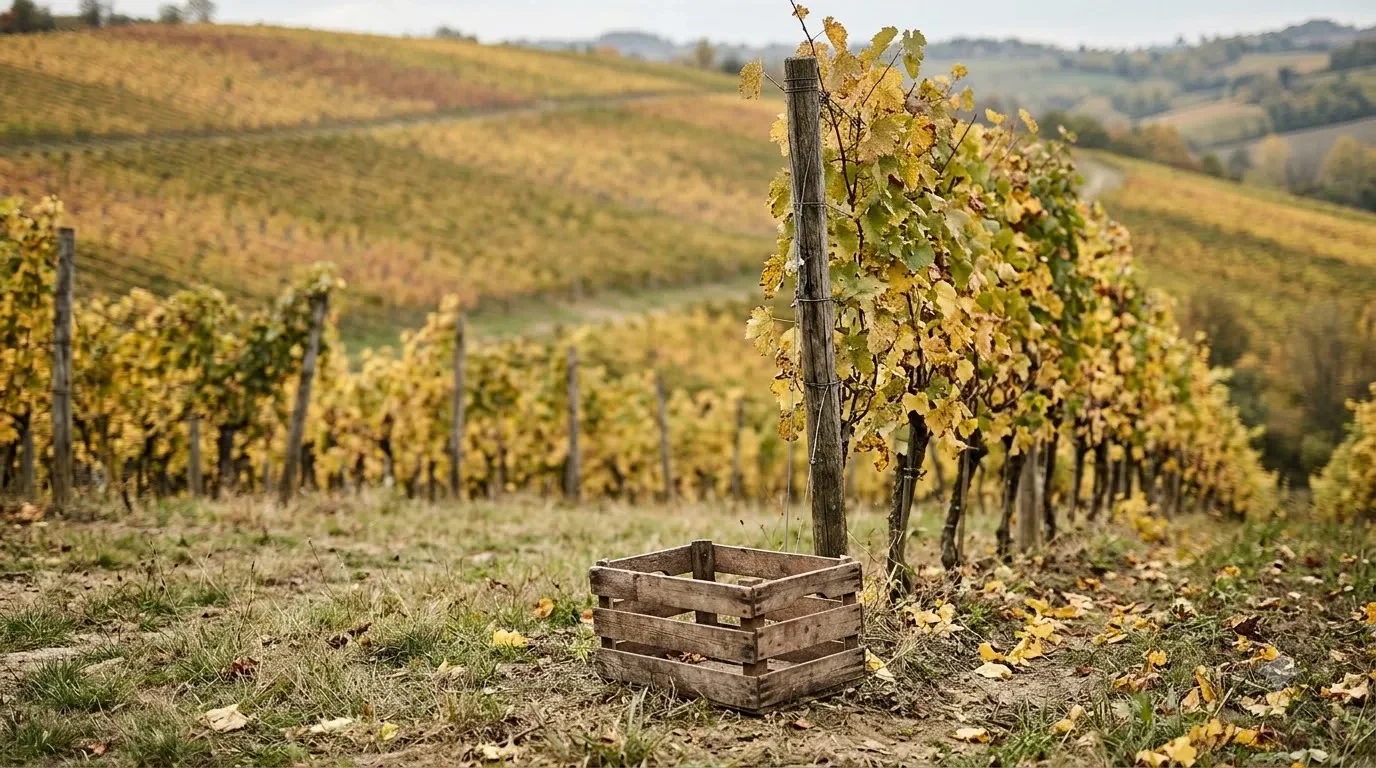
Pennsylvania vineyards are the grape plantings spread across the state, which the Wikipedia article on Pennsylvania wine describes as the eighth-largest wine-producing state in the country, with 119 wineries. The state has five designated American Viticultural Areas, including Lake Erie, Lehigh Valley, Lancaster Valley, Cumberland Valley, and Central Delaware Valley. The climate is moderated by Lake Erie to the north and the Atlantic Ocean to the east, which gives the regions a range of growing conditions.
This guide covers where Pennsylvania’s vineyards are, how grape growing began there, which grapes are planted, and how the state’s regions differ. It also offers practical tips for visiting the wine country and for choosing Pennsylvania wines at home.
Where Pennsylvania’s Vineyards Are Located
Pennsylvania’s vineyards are spread across several regions rather than concentrated in one place. The Lake Erie AVA follows the state’s northwestern shoreline, where the lake’s influence shapes the season. The Lehigh Valley, Lancaster Valley, and Cumberland Valley AVAs sit in the central and southeastern parts of the state, while the Central Delaware Valley AVA lies near the Philadelphia area.
That spread matters for anyone planning a trip. A visit to the Lake Erie region and a visit to the southeastern valleys feel very different, with different landscapes, different tasting-room styles, and different grape lineups. Many visitors choose one region and explore it thoroughly rather than trying to cover the whole state in a single trip.
A Brief History of Pennsylvania Grape Growing
Pennsylvania has one of the longer histories of grape growing in the United States. According to the Wikipedia article on Pennsylvania wine, around 1740 a hybrid of European and North American grapes was discovered near Philadelphia and initially named Alexander, after the gardener who found it. Later, in 1786, Pierre Legaux founded the Pennsylvania Vine Company just outside Philadelphia, which became the nation’s first commercial vineyard.
That early start is a useful reminder that American wine grew out of local experiments with native and imported grapes. Over the following centuries the state’s wine industry changed many times, and the current wineries reflect a mix of older family estates and newer producers who have worked to build a modern reputation.
Grapes Grown in Pennsylvania Vineyards
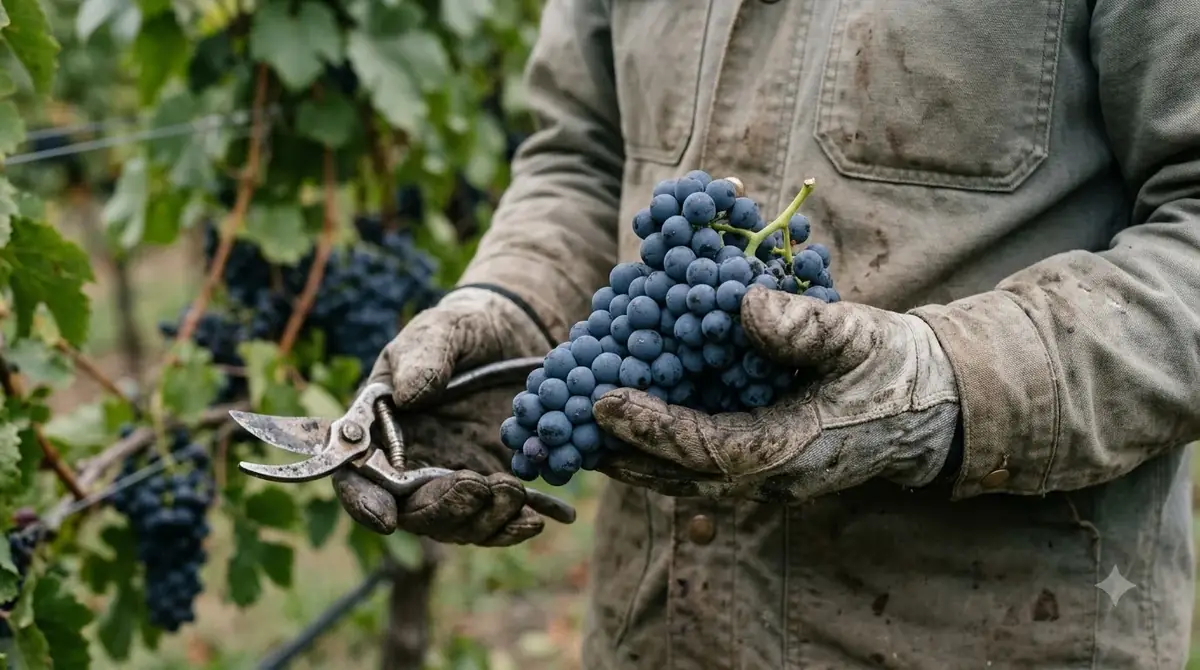
Pennsylvania’s grape list is broad. The Wikipedia article names a long range of varieties, including Concord, Catawba, Chambourcin, Chardonnay, Pinot noir, Riesling, Merlot, and Cabernet Sauvignon. That mix combines native American varieties with European vinifera, and it means Pennsylvania wineries can offer everything from sweet, fruit-forward wines to dry, structured reds.
Concord deserves a note because it is so widely associated with the East. Wine Folly’s guide to the grape explains that it is an American species, and that it is used mainly for table purposes, such as juice and flavoring, rather than for winemaking. Pennsylvania wineries use it in a variety of products, so a label with Concord on it often signals a sweeter, more fruit-driven style.
| Grape group | Typical style in Pennsylvania |
|---|---|
| Native and hybrid varieties (Concord, Catawba, Chambourcin) | Fruit-forward, sometimes sweet, distinctly American character |
| Vinifera whites (Chardonnay, Riesling) | Crisp to medium-bodied, depending on the winemaker |
| Vinifera reds (Pinot noir, Merlot, Cabernet Sauvignon) | Red fruit and structure, varying by vintage and site |
Winemakers across the state often describe their work as a balance between tradition and experiment. Some focus on native and hybrid grapes that handle eastern weather well, while others concentrate on European varieties and invest in careful site selection. Many producers offer both kinds of wine, so a single tasting room can show the range of what Pennsylvania grows.
How Climate Shapes the State’s Wines
The climate of the state is milder than in many surrounding areas, according to the Wikipedia article, and that moderation is largely due to Lake Erie to the north and the Atlantic Ocean to the east. The continental climate of the AVAs produces the usual seasonal swings, while the extreme southeastern lowlands have a warmer, more humid pattern.
Those differences mean a Lake Erie wine and a Lancaster Valley wine can taste quite distinct, even when they share a grape variety. Humidity is a common challenge in the East, so growers manage canopies, spray schedules, and air flow to keep the fruit healthy through the growing season.
Food pairing works well with the state’s varied styles. Lighter reds and Pinot noir suit roasted poultry and mushroom dishes, while crisp whites such as Chardonnay and Riesling go with seafood, salads, and soft cheeses. Fruit-forward native wines often match barbecue and other bold, smoky foods, where their sweetness balances the char.
Tip: When you compare Pennsylvania wines with those from drier regions, check the label for the AVA name. The region often gives a useful clue about the climate and the style you are about to taste.
Planning a Trip to Pennsylvania Wine Country
Because the state’s wineries are spread across several regions, planning matters. Pick one or two areas for your trip, and build your route around them. Lake Erie and the central valleys each have their own cluster of tasting rooms, so a focused plan saves driving time and gives you more time at each stop. Visitors who enjoy a slower pace often plan a lunch or an overnight stay between tastings, which turns a tasting day into a more relaxed outing.
Check the hours of each winery before you go, since some estates keep seasonal schedules and may close on certain weekdays. Many tasting rooms welcome walk-ins, but popular weekends fill up quickly, so a reservation can help. If you plan to taste at several places, arrange a designated driver or a tour service.
For a broader sense of how Pennsylvania compares with other American wine areas, the Wine Regions section is a good place to start. Readers who want to compare a very different climate may also find the Arizona vineyards guide useful, since the contrast highlights how much altitude and season shape the wines.
Buying Pennsylvania wine at home takes a little planning. Many wineries sell directly from their tasting rooms and websites, and some ship within their state’s rules. Local shops and restaurants may also carry a selection. Check the label for the vintage, the grape or blend, and the AVA, since those details explain most of the style before you open the bottle.
Frequently Asked Questions
How many wineries are in Pennsylvania?
The Wikipedia article on Pennsylvania wine lists 119 wineries across the state. The number changes as new producers open, so check a current directory before planning a route.
What are the main wine regions in Pennsylvania?
The state has five designated AVAs: Central Delaware Valley, Cumberland Valley, Lake Erie, Lancaster Valley, and Lehigh Valley. Each has its own climate and grape mix.
When did grape growing start in Pennsylvania?
According to the Wikipedia article, a grape hybrid was discovered near Philadelphia around 1740. In 1786, Pierre Legaux founded the Pennsylvania Vine Company, which became the nation’s first commercial vineyard.
Which grapes grow in Pennsylvania vineyards?
Growers plant a broad mix, including native and hybrid grapes such as Concord and Catawba, along with European varieties like Chardonnay, Riesling, Pinot noir, Merlot, and Cabernet Sauvignon.
Pennsylvania vineyards reward a patient approach. Start with one region, taste across the grape range from native varieties to European ones, and pay attention to how the lake and the Atlantic shape each glass. The state’s long history and broad mix of wines make it a rewarding place to explore, whether you visit in person or shop for bottles at home. Taking notes on each bottle you try, including the grape, the region, and how the wine tasted with food, will make your next choice easier.
More in Wine Regions
 Willcox Wine Trail: Discover Arizona’s High-Elevation Wine CountryUpdated Nov 20, 2026
 Yakima Valley Wine Region: Find the Best Styles to TryUpdated Nov 20, 2026
 Vosne Romanee Wine Tasting: Identify Aromas and Choose Better PairingsUpdated Nov 20, 2026
 Yakima Valley Wine Festival: Find the Best Seasonal Wine EventsUpdated Nov 20, 2026
 Wales Vineyards: Discover Cool-Climate Wines and Where to VisitUpdated Nov 20, 2026
 Yountville Wine Festival: Discover Napa Wines and Local FoodUpdated Nov 20, 2026