

We may earn a commission when you buy through links on this page, at no extra cost to you. Learn more.
Augusta vineyards are wine-growing estates located in the Augusta American Viticultural Area (AVA) of eastern Missouri, the very first federally recognized wine appellation in the United States. Spanning 9,600 acres along the bluffs of the Missouri River roughly 40 miles west of St. Louis, this historic region became the nation’s inaugural AVA on June 20, 1980, eight months before Napa Valley earned its designation. Today, local producers cultivate resilient native American grapes, French-American hybrids, and select European varieties across silty, wind-blown loess soils.
While coastal wine regions often dominate national wine conversations, the rolling hills of St. Charles County hold an unmatched place in American viticultural history. From 19th-century German immigrant roots to modern dry table wines and fortified ports, exploring these river-bluff estates reveals how Midwest winemaking continues to thrive on its own distinct terms.
Overview of the Augusta Wine Region
Centered around the small historic town of Augusta, Missouri, the region occupies a 15-square-mile pocket on the northern bank of the Missouri River inside the larger Ozark Mountain AVA. Its federal recognition in June 1980 established the legal framework that still defines Wine Regions across the United States today.
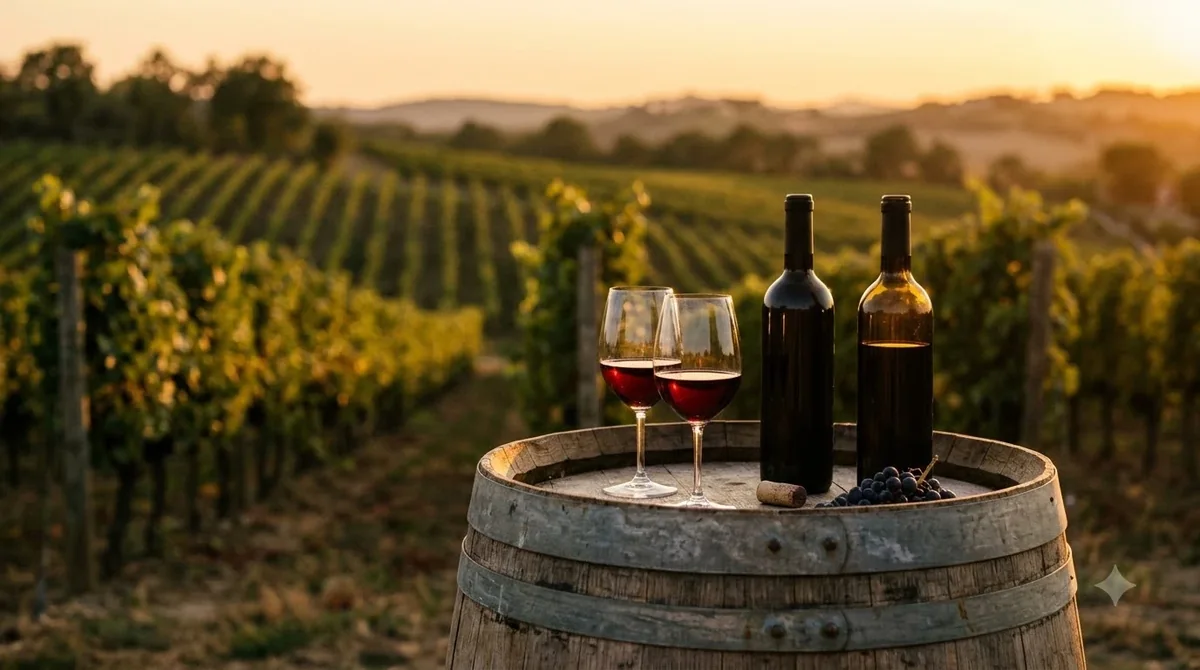
German immigrants settled this stretch of the Missouri River Valley in the mid-1800s because the steep, wooded river bluffs reminded them of the Rhine Valley back home, earning the corridor the lasting nickname “Missouri Rhineland.” By the late 19th century, Missouri ranked as the second-largest wine-producing state in the nation, shipping barrels up the river to Chicago and beyond. Prohibition in 1920 abruptly halted commercial production, forcing historic cellars to close and leading to the destruction of established vines.
A dedicated revival began in the late 1960s as winemakers replanted the hillsides and restored old stone cellars. As VinePair’s history of the AVA system notes, the Augusta AVA paved the way for modern American appellation rules by proving that specific geography, soil, and climate directly shape the character of local wine. Rather than mimicking California styles, Augusta growers leaned into cold-hardy grapes suited to continental Midwest seasons.
Terroir, Soils, and Microclimate
The vineyards around Augusta benefit from a distinctive combination of Hayne Silt-Loam soils, river-valley air currents, and a 188-day growing season that moderates extreme temperature swings. These natural conditions allow grapes to ripen fully during warm, humid summers while surviving harsh winter freezes.
Geologically, the hillsides are blanketed in deep loess—fine, wind-blown silt deposited over glacial till—alongside alluvial silt left behind by historic Missouri River flooding. Closer to the riverbanks, the soil holds a heavier clay concentration, whereas the higher bluff elevations contain more silt and offer superior drainage. Because grapevines dislike standing water around their roots, the highest-performing vineyard blocks sit on elevated, south-facing slopes that catch steady afternoon sunlight and gentle breezes off the water.
Situated in USDA plant hardiness zone 6b, Augusta experiences cold winters that would damage delicate European Vitis vinifera vines left unprotected. However, the steep river bluffs create natural air drainage, helping cold air sink toward the valley floor and reducing the risk of spring frost damage on upper vineyard rows. Warm summer days build sugar and rich fruit flavors in the berries, while river breezes help keep canopies dry and healthy through humid July and August afternoons.
Key Grapes and Wine Styles
Because humid summers and freezing winters challenge traditional European grapes, Augusta vineyards specialize in native North American varieties and French-American hybrids alongside select plantings of Cabernet Sauvignon and Chardonnay. Winemakers craft a wide spectrum of styles here, ranging from bone-dry barrel-aged reds to crisp, aromatic whites and sweet dessert wines.
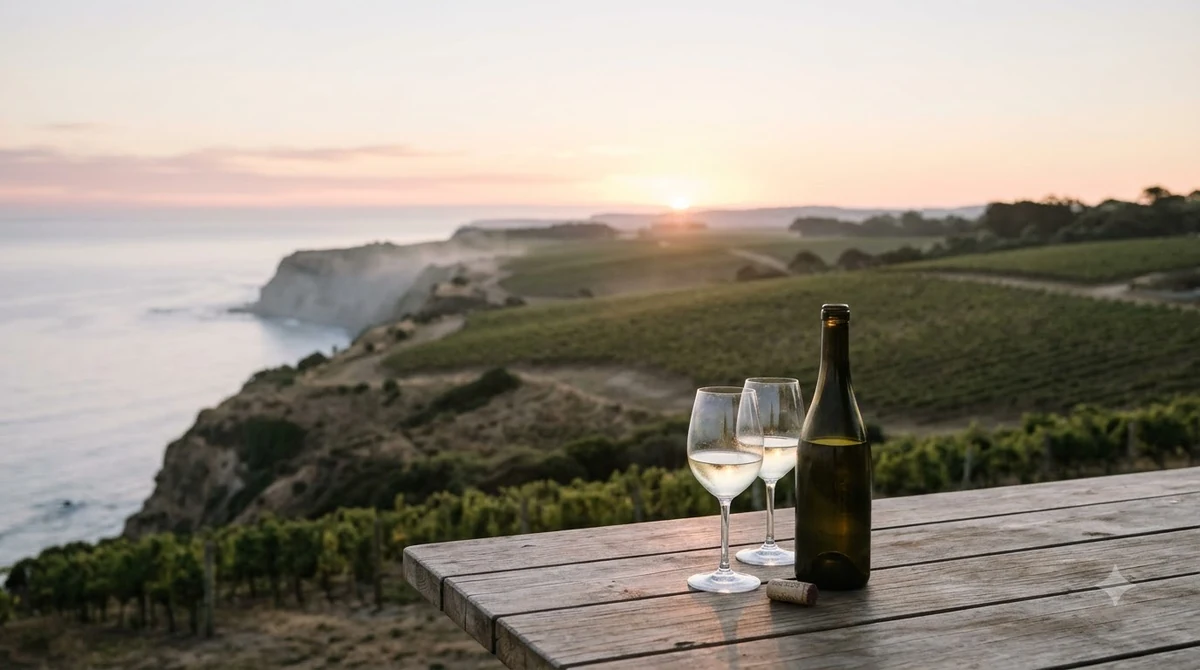
Norton—also known as Cynthiana—serves as Missouri’s official state grape and stands as the flagship red variety across Augusta. A native Vitis aestivalis grape, Norton resists fungal pressure in humid weather and produces deeply colored, full-bodied dry reds with dark cherry, raspberry, spice, and earthy undertones. Chambourcin, a French-American hybrid, is the second pillar of local red winemaking, yielding velvety, medium-to-full-bodied wines layered with blackberry, plum, and black pepper notes.
On the white wine side, Vidal Blanc is widely regarded by local vintners as Augusta’s signature white grape. This versatile French-American hybrid holds bright natural acidity even in warm vintages, allowing producers to bottle it as a crisp, dry seafood companion or as a lush, honeyed late-harvest dessert wine. Vignoles, Seyval Blanc, Traminette, and Chardonel round out the white lineup, offering everything from off-dry tropical fruit profiles to oak-aged styles reminiscent of traditional white Burgundy.
| Grape Variety | Category | Typical Style in Augusta | Key Tasting Notes |
|---|---|---|---|
| Norton (Cynthiana) | Native American (V. aestivalis) | Dry, full-bodied red | Black cherry, raspberry, spice, earth, firm acidity |
| Chambourcin | French-American hybrid | Dry, medium-to-full red | Plum, cassis, blackberry, licorice, velvety finish |
| Vidal Blanc | French-American hybrid | Dry crisp white to late-harvest | White peach, citrus, floral notes, bright acidity |
| Vignoles | French-American hybrid | Semi-sweet to sweet white | Pineapple, apricot, honeysuckle, balanced tartness |
| Chardonel | French-American hybrid | Dry white (unoaked or oaked) | Green apple, pear, toasted oak, crisp mineral finish |
| Traminette | Hybrid (Gewürztraminer cross) | Dry to off-dry aromatic white | Lychee, white peach, citrus blossom, subtle spice |
Notable Producers and Historic Estates
With roughly half a dozen wineries operating inside its compact 15-square-mile boundary, Augusta offers a tight-knit community where historic estates sit just minutes apart along Highway 94. Each producer brings a distinct personality, ranging from 19th-century underground cellars to contemporary hilltop tasting rooms.
Mount Pleasant Estates, founded in 1859 by German brothers George and Frederick Muench, is the oldest commercial winery in the appellation. Sitting on a south-facing bluff with hand-carved underground cellars dating back to the 1800s, Mount Pleasant played a pivotal role in petitioning the federal government for Augusta’s AVA status in 1980 and remains famous for its estate Norton, dry reds, and barrel-aged port-style fortified wines. Just up the ridge, Montelle Winery—established in 1970—co-authored the original AVA petition and greets guests from a scenic perch roughly 500 feet above the Missouri River Valley.
Right in the heart of town on High Street, Augusta Winery’s estate history reflects the region’s modern renaissance since its founding in 1988. Known for small-batch bottlings that have earned national and international acclaim—including its award-winning Chardonel and dry Vidal Blanc—the winery features a shaded wine and beer garden popular with weekend visitors. Nearby, Balducci Vineyards stretches across 76 acres of rolling hills with casual dining and outdoor patios, while Noboleis Vineyards adds a relaxed, family-run atmosphere focused on approachable dry whites, smooth reds, and sweeping vineyard vistas.
Visiting Augusta Vineyards: Practical Tips
Located roughly 35 to 40 miles west of downtown St. Louis, Augusta is an easy half-day or full-day trip that rewards visitors who plan their route around tasting hours and seasonal events. Most wineries sit within a few miles of one another along Missouri Highway 94 and the surrounding country roads.
Spring and autumn offer the most comfortable weather for sitting outdoors on winery patios, with October bringing vibrant fall foliage across the Missouri River bluffs and active harvest energy in the cellars. Summer weekends draw lively crowds for outdoor live music from April through October, so arriving right when tasting rooms open around 11:00 a.m. helps secure shaded patio seating and unhurried time with tasting-room staff. Unlike high-elevation desert estates you might explore in nevada vineyards, Augusta’s riverfront hills can feel warm and humid in mid-summer, making lightweight clothing and plenty of water essential between tastings.
Tip: Pack a picnic lunch with local cheeses and crusty bread—several Augusta tasting rooms, including Augusta Winery, welcome outside picnic baskets on their grounds as long as all beverages are purchased on site.
For travelers who prefer active sightseeing, the Katy Trail State Park runs directly along the base of the bluffs beneath Augusta. Many visitors park in town, ride bikes along the crushed-limestone rail trail for an hour or two, and then head up the hill for a guided tasting flight and lunch overlooking the vines.
How to Buy and Enjoy Augusta Wines
Because Augusta is a compact appellation with modest annual case production, most bottles are sold directly through winery tasting rooms, wine clubs, and regional Missouri retailers rather than nationwide grocery chains. Understanding how to source and serve these bottles ensures you experience them at their peak.
If you live outside Missouri, ordering directly from producer websites—such as Mount Pleasant Estates, Augusta Winery, or Noboleis Vineyards—is the most reliable way to obtain single-vineyard Norton, Chambourcin, or Vidal Blanc. When tasting through a flight for the first time, start with dry white hybrids like Seyval Blanc or Chardonel before moving into aromatic Traminette, medium-bodied Chambourcin, and structured Norton. Unlike volcanic hillside estates in red mountain vineyards where Cabernet Sauvignon dominates every tasting bar, Augusta flights shine brightest when you lean into indigenous and hybrid varietals crafted specifically for Midwest terroir.
At home, serve dry white hybrids well chilled between 45°F and 50°F alongside grilled freshwater fish, roast chicken, or creamy goat cheese. Pour dry Norton and Chambourcin slightly below room temperature—around 60°F to 65°F—and give young Norton 30 to 45 minutes in a decanter to soften its brisk natural acidity and bring out its dark berry and baking-spice aromatics. Most crisp white and semi-sweet styles are meant to be enjoyed within two to three years of release, while top-tier Norton and fortified tawny styles can cellar gracefully for five to ten years.
Frequently Asked Questions
Why is the Augusta AVA historically important in American wine?
On June 20, 1980, the federal government designated Augusta, Missouri, as the very first American Viticultural Area (AVA) in the United States. It received official approval eight months before California’s Napa Valley, establishing the geographic appellation system used across the entire country today.
What types of grapes grow best in Augusta vineyards?
Native American grapes and French-American hybrids thrive best in Augusta’s humid summers and cold winters. Norton (Missouri’s state grape) and Chambourcin lead red wine production, while Vidal Blanc, Vignoles, Seyval Blanc, and Chardonel are the most widely planted white varieties.
How far are Augusta vineyards from St. Louis?
Augusta is located approximately 35 to 40 miles west of St. Louis in St. Charles County, making it roughly a 45- to 55-minute drive via Interstate 64 and Missouri Highway 94. Its close proximity makes it one of the most accessible day-trip wine destinations in the Midwest.
Are Augusta wines all sweet, or do wineries make dry wines?
While Augusta wineries do produce popular semi-sweet and sweet wines—especially from Vignoles and Concord—they also craft serious, award-winning dry wines. Dry barrel-aged Norton, Chambourcin, Cabernet Franc, Chardonel, and crisp dry Vidal Blanc are staples at nearly every estate in the region.
From its landmark 1980 federal designation to its 19th-century stone cellars overlooking the Missouri River, Augusta remains a living chapter of American winemaking. Whether you visit in person along Highway 94 or uncork a bottle of estate Norton at dinner, these river-bluff vineyards deliver an authentic taste of Missouri’s viticultural heritage.
More in Wine Regions
 Willcox Wine Trail: Discover Arizona’s High-Elevation Wine CountryUpdated Nov 20, 2026
 Yakima Valley Wine Region: Find the Best Styles to TryUpdated Nov 20, 2026
 Vosne Romanee Wine Tasting: Identify Aromas and Choose Better PairingsUpdated Nov 20, 2026
 Yakima Valley Wine Festival: Find the Best Seasonal Wine EventsUpdated Nov 20, 2026
 Wales Vineyards: Discover Cool-Climate Wines and Where to VisitUpdated Nov 20, 2026
 Yountville Wine Festival: Discover Napa Wines and Local FoodUpdated Nov 20, 2026