

We may earn a commission when you buy through links on this page, at no extra cost to you. Learn more.
To understand how to store wine glasses properly, place delicate, thin-rimmed stemware upright on its base inside a dry, odor-free cabinet, or suspend it by the foot from a properly fitted hanging rack. Keep glasses completely dry before putting them away, leave at least half an inch of space between bowls so they never touch, and keep them away from strong-smelling spices or kitchen grease. Thick-rimmed everyday glasses can rest rim-down on a padded shelf liner, while fine crystal should never bear weight on its lip.
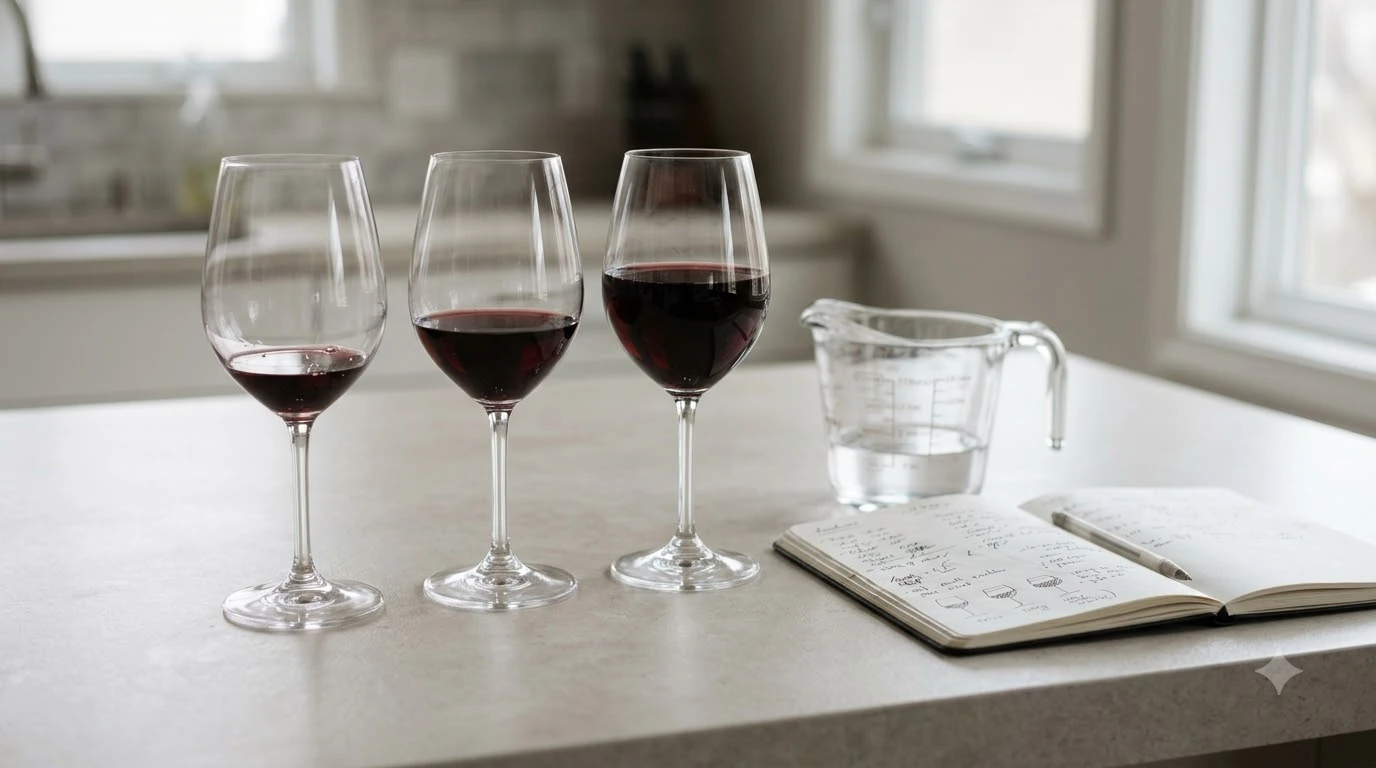
Good stemware does a lot of quiet work at the table, concentrating aromas and directing wine across your palate, yet most chipped rims and cloudy bowls happen between pours rather than during dinner. A few simple habits around orientation, spacing, and cabinet placement keep both everyday glasses and fine crystal clear, odor-free, and ready to pour.
Should You Store Wine Glasses Upright or Upside Down?
Delicate, thin-rimmed wine glasses belong upright on their bases, while sturdy, thick-rimmed glasses can sit upside down on a lined shelf if dust is a concern. Choosing the right orientation comes down to where the glass carries its weight and how fragile its lip is.
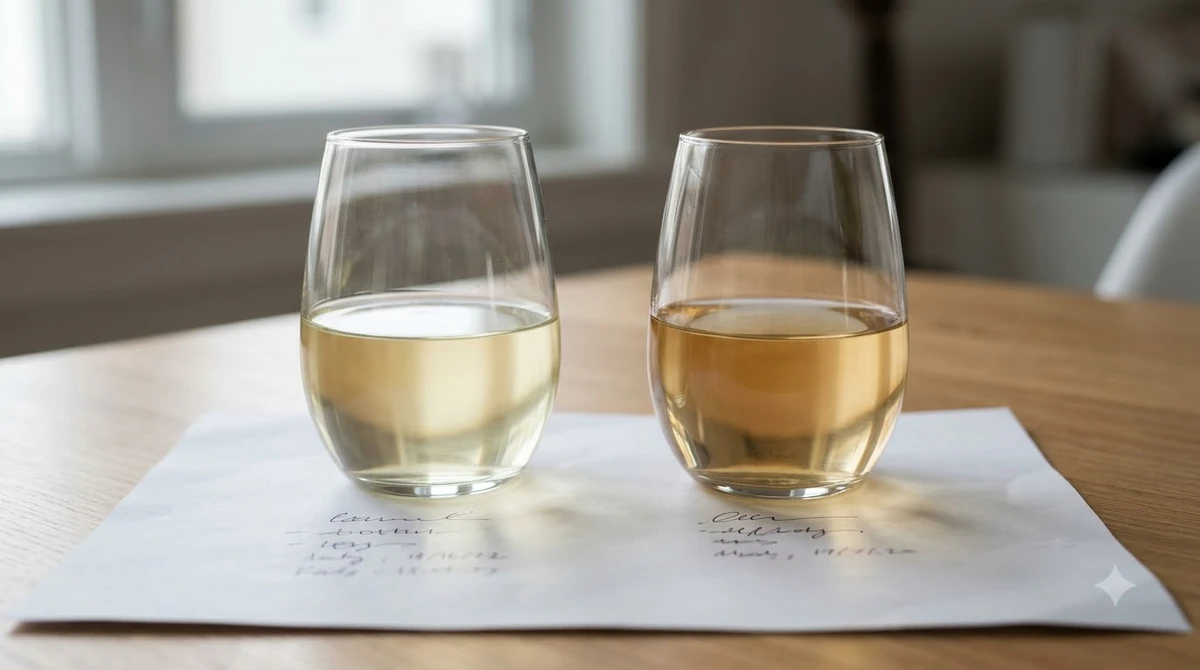
The rim is the thinnest, most vulnerable part of any wine glass, especially on hand-blown or fine crystal models. Setting a thin-rimmed bowl upside down transfers the entire weight of the glass onto that fragile edge, where hard wood, laminate, or slight shelf vibrations can cause microscopic nicks that eventually turn into cracks. According to Wine Enthusiast, refined stemware with thinner rims should stay right-side up to prevent toppling and breakage, while pieces with a thicker rim or foot handle upside-down storage without trouble.
If you prefer storing sturdier glasses rim-down to keep dust out of the bowl, line the shelf first with a soft silicone mat, cork sheet, or clean linen cloth so the glass never contacts a bare hard surface. Avoid alternating glasses up and down in a checkerboard pattern to squeeze extra pieces onto a narrow shelf; while it looks tidy at a glance, reaching for a back glass makes it far easier to clip a neighboring stem or knock an inverted bowl off balance.
Comparing the Best Wine Glass Storage Methods
Closed cabinets, under-cabinet hanging racks, padded drawers, and divided storage boxes each solve different space and dust challenges depending on how often you pour. Matching your storage setup to your glassware thickness and kitchen layout prevents accidental knocks while keeping your favorite shapes easy to reach.
| Storage Method | Best For | Glass Orientation | Key Precautions |
|---|---|---|---|
| Closed Kitchen or Dining Cabinet | Everyday stemware and fine crystal | Upright on base (thick rims optional rim-down on liner) | Keep away from spices, coffee, and stove steam; leave spacing between bowls |
| Under-Cabinet or Wall Hanging Rack | Saving shelf space and displaying sturdy stemware | Suspended upside down by the foot | Verify rail width matches foot and stem thickness; leave clearance below |
| Open Shelving | Frequently rotated daily-use glasses | Upright on base | Keep far from cooking grease; rinse dust before serving |
| Deep Padded Drawer | Stemless wine glasses and short tumblers | Upright on non-slip dividers | Use pegboards or soft dividers so bowls do not slide when opening |
| Divided Storage Box | Seasonal crystal, moving, or long-term storage | Upright in individual cells | Ensure 100% dry before closing; avoid sealing crystal in airtight plastic |
Closed cabinets remain the safest all-around home for fine stemware because doors block airborne dust, pet hair, and cooking vapors while letting glasses rest naturally on their feet. Before loading a shelf, measure from the shelf surface to the lowest overhead hinge or trim so you can lift a tall Bordeaux or Burgundy glass straight up and out without tilting its rim into the wood above.
Hanging stemware racks slide under upper cabinets or mount to a wall, holding glasses inverted by their bases so the rims touch nothing at all. This approach frees up valuable shelf real estate and works well for uniform sets, provided the metal or wood rails fit your glass feet snugly without forcing or wobbling. Oversized balloon bowls, however, often bump neighboring rails or hang too low over countertops, making cabinet shelves or divided cases a better fit for wide-bowled Pinot Noir glasses.
Preparing Wine Glasses Before Putting Them Away
Every wine glass must be completely washed, rinsed, and air- or towel-dried before entering a cabinet or storage box. Trapped moisture and lingering detergent residue are the fastest ways to ruin clarity and spoil the aroma of your next bottle.
Even a few drops of water left inside an inverted bowl or trapped inside a closed storage case can cause mineral spotting, dullness, or musty odors over time. After handwashing in warm water or running a gentle, low-temperature dishwasher cycle, let glasses air-dry upright on a clean mat or polish them dry with two lint-free microfiber cloths—one cradling the bowl and the other polishing, never twisting the stem against the base.
If you keep a cabinet full of matching glasses, practice rotating them by placing freshly washed pieces at the back of the shelf and pulling from the front next time. Rotation spreads out everyday wear, keeps rarely used glasses from gathering a film of dust, and gives you a quick visual check for tiny chips before guests arrive. For more practical answers on serving and caring for your collection, browse our Wine Q&A section.
Where to Keep Wine Glasses (and What to Avoid)
Store wine glasses in a cool, dry, well-ventilated cabinet located away from strong-smelling foods, heat sources, and cooking grease. Glass surfaces can pick up surrounding odors and airborne films that dull both shine and wine aromatics.
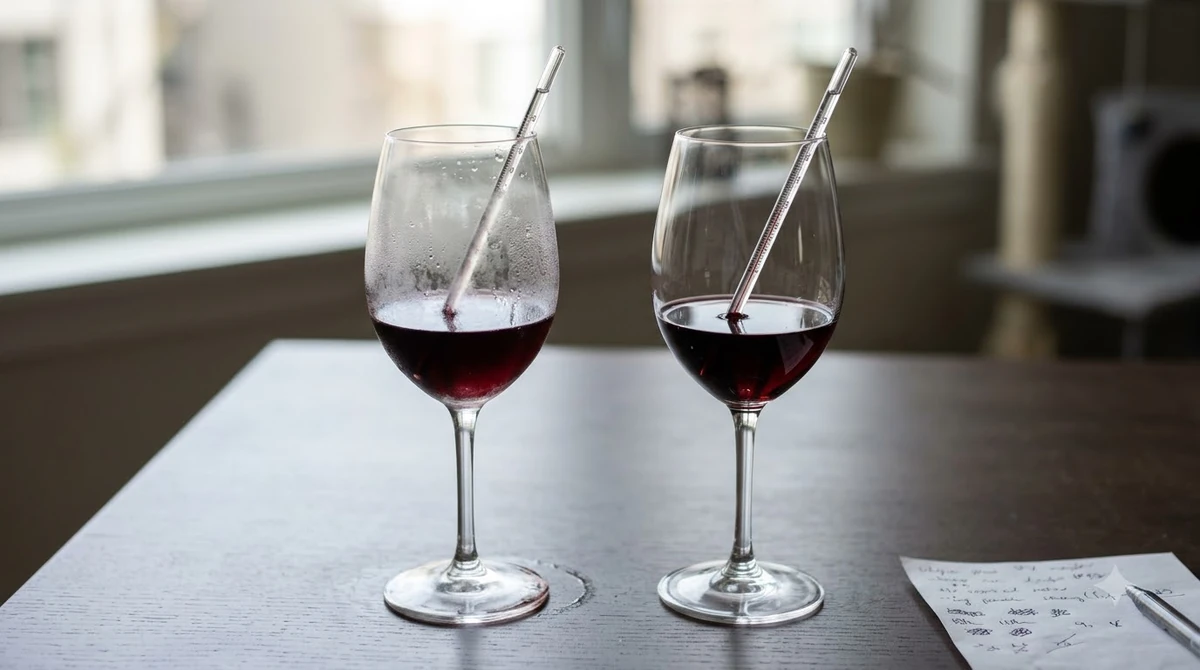
According to RIEDEL’s glass care guidelines, you should avoid storing glasses in kitchen cupboards next to strong-smelling items because the glass can absorb those odors and interfere with the aroma of the wine. Keep stemware out of cabinets shared with coffee beans, garlic, onions, dried spices, scented dish soaps, or cleaning supplies, and skip freshly painted or heavily off-gassing wood cabinetry until the finish has fully cured.
Location inside the kitchen matters just as much as what shares the shelf. Cabinets directly above a stove, toaster oven, or dishwasher vent expose glasses to repeated waves of steam and fine cooking grease, leaving a sticky film that attracts dust and requires rewashing before use. A dining room hutch, bar cabinet, or upper kitchen cupboard situated away from heat and direct sunlight keeps glassware cleaner longer and protects delicate crystal from thermal stress.
Tip: Leave at least half an inch of breathing room between glass bowls on a shelf so you can grab one stem without knocking its neighbor.
How to Store Stemless, Crystal, and Long-Term Glassware
Different glass styles call for small adjustments: stemless tumblers do well in lined drawers or low shelves, ultra-thin crystal needs extra buffer space, and seasonal sets belong in breathable divided boxes. Treating each category according to its shape prevents the most common storage accidents.
Stemless wine glasses lack the height and top-heavy balance of traditional stemware, making them great candidates for deep kitchen drawers fitted with non-slip liners or adjustable peg dividers. Never stack stemless wine glasses inside one another—even sturdy glass can wedge tight under temperature changes, scratching the interior walls or cracking when you try to pull them apart.
For heirloom crystal or specialty glasses reserved for holidays and tastings, compartmentalized storage boxes with cardboard, foam, or padded fabric dividers keep each piece isolated from bumps and dust. Store those cases upright in a cool closet rather than a damp basement or hot attic, and avoid wrapping crystal in sealed plastic bags, which can trap ambient moisture against the glass surface. Whether you are setting out a pair of everyday glasses or hosting a dinner where you are mindful of how many glasses of wine is too much, clean, well-stored stemware makes every pour taste sharper—right down to subtle nuances like what is terroir in wine.
Frequently Asked Questions
Is it better to store wine glasses upright or upside down?
Upright on the base is safer for delicate, thin-rimmed wine glasses because the rim is the most fragile part of the glass and should not bear weight. Thick-rimmed everyday glasses can be stored upside down on a soft shelf liner if you want to keep dust out of the bowl, or hung upside down by the foot on a fitted stemware rack.
Can I hang delicate crystal wine glasses on an under-cabinet rack?
Only if the rack’s rail spacing and channel width properly support the foot without forcing the stem or letting the glass wobble, and if neighboring bowls have enough clearance not to touch. For ultra-thin hand-blown crystal or oversized Burgundy bowls, upright storage in a closed cabinet is generally safer than hanging.
Why do wine glasses sometimes smell strange when taken out of the cupboard?
Glass surfaces can absorb volatile odors from nearby spices, coffee, onions, cleaning products, or raw wood shelving, and lingering moisture can create a musty scent inside closed cabinets. Moving stemware to an odor-free cupboard and rinsing glasses briefly with warm water before pouring solves the issue.
Should I stack stemless wine glasses to save cabinet space?
No, stacking stemless wine glasses creates friction that scratches the crystal and risks wedging two glasses tightly together, which often leads to breakage when separating them. Store stemless glasses side by side in a single layer on a shelf or in a divided drawer.
Taking a few minutes to organize an odor-free shelf, line hard surfaces, and space your bowls apart protects your glassware from avoidable chips and dullness. Once your storage routine is set, every glass stays clear, neutral, and ready whenever you open a bottle.
More in Wine Basics
 Which Rose Is Best for Your Taste, Budget, and Food PairingsUpdated Nov 21, 2026
 Is Cheap Wine Bad? How to Find Bottles Worth DrinkingUpdated Nov 21, 2026
 What To Write On A Wine Gift Tag: Thoughtful Messages For Every OccasionUpdated Nov 21, 2026
 Which Wine Is Best For Weight Loss? Compare Lower-Calorie ChoicesUpdated Nov 21, 2026
 What Is The Best Wine For Mimosas? Choose Bubbly That Balances Orange JuiceUpdated Nov 20, 2026
 Which Prosecco Is Best for Your Taste and OccasionUpdated Nov 20, 2026