

We may earn a commission when you buy through links on this page, at no extra cost to you. Learn more.
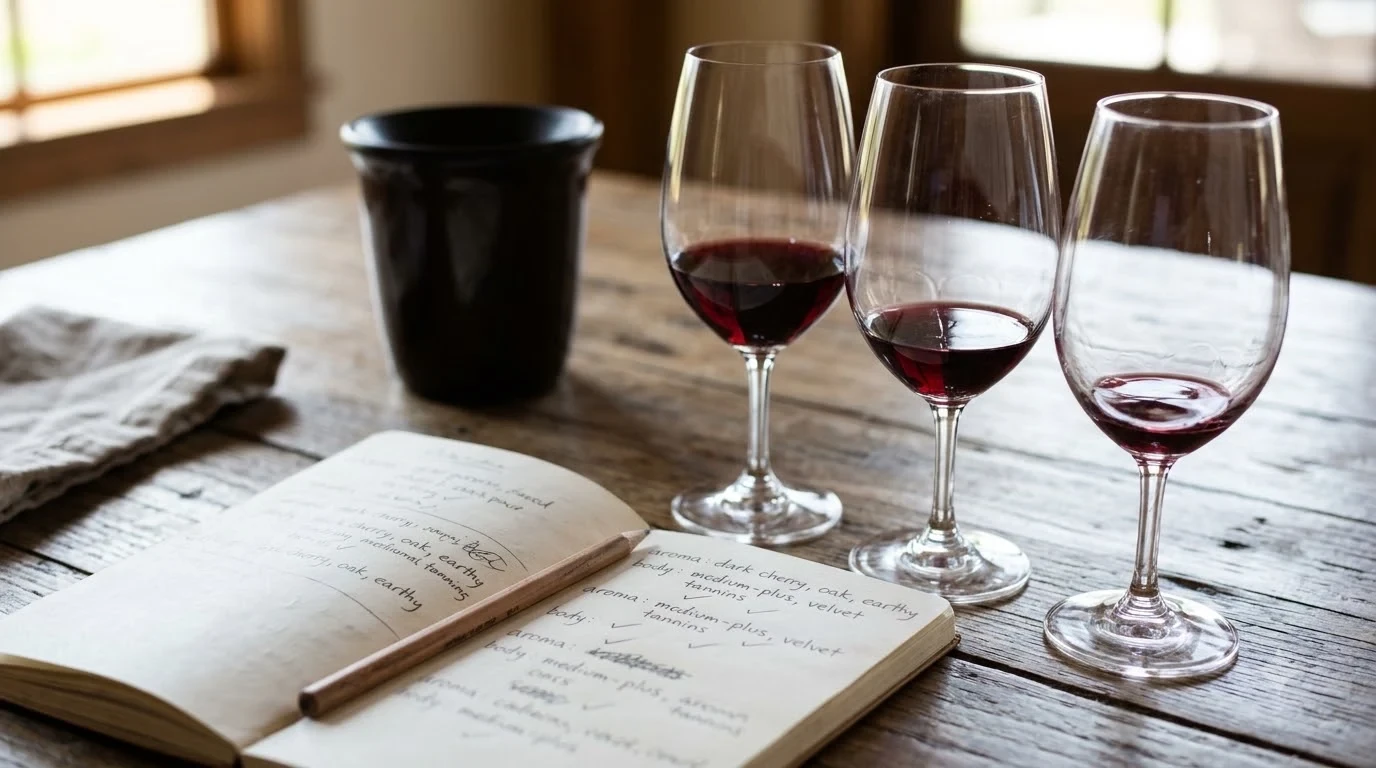
Learning how to host a wine tasting party comes down to selecting four to six themed bottles, serving two- to three-ounce tasting pours in a clear progression from light to bold, and providing neutral palate cleansers alongside plenty of water. A standard 750-milliliter bottle yields roughly ten tasting pours, meaning one bottle of each selection easily covers an intimate gathering of five to ten guests. Organizing the lineup around a single unifying thread—such as one grape variety grown in different regions—allows your guests to compare aromas, acidity, and structure side by side rather than simply drinking random bottles.
Turning a casual evening with friends into a structured tasting does not require sommelier credentials, expensive crystal, or a sprawling cellar. When you give guests a clear framework and a comfortable space to share honest impressions, even newcomers quickly pick up on the subtle differences between bottles.
Choosing a Theme and Building Your Lineup
A focused theme anchors the entire evening by giving your guests a specific reference point to compare across every glass. Selecting four to six wines creates enough variety to spark lively conversation without overwhelming anyone’s palate before the final pour.
According to Wine Folly, comparing wines side by side trains the palate far faster than opening individual bottles on separate nights. One of the easiest themes for beginners and seasoned drinkers alike is a single-varietal regional comparison, such as tasting a cool-climate Pinot Noir alongside a warmer-climate expression from another country. Exploring how geography and climate shape a single grape naturally invites discussion about what terroir in wine actually means in the glass.
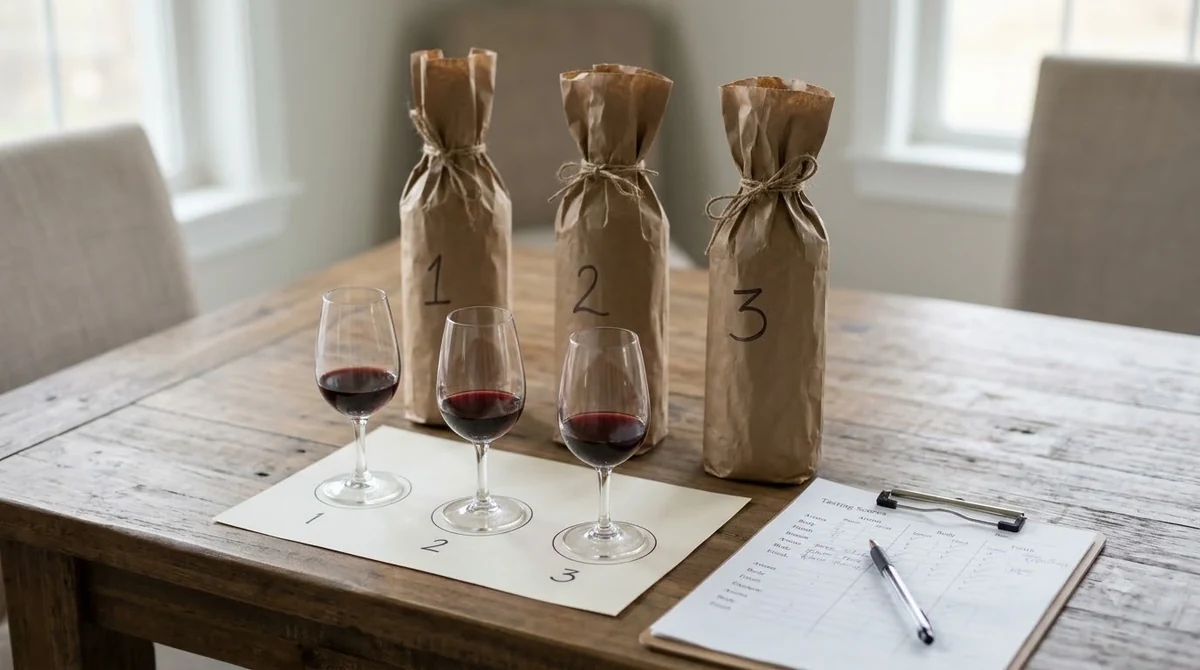
If your crowd prefers broader variety, you can build a flight around a specific region—like four distinct reds from Tuscany—or compare oaked versus unoaked versions of the same white grape. Another crowd-pleasing approach is a blind tasting, where guests bring a bottle fitting the chosen theme and the host conceals every label in brown paper bags or aluminum foil. Numbering the bags allows everyone to evaluate the liquid purely on aroma and flavor without being swayed by label prestige or origin.
Guest Count, Quantities, and Pour Sizes
Planning your bottle count around two- to three-ounce tasting pours keeps guests engaged and sharp through the entire flight. Because a standard 750-milliliter bottle holds roughly ten tasting pours, you can calculate exact quantities well before shopping.
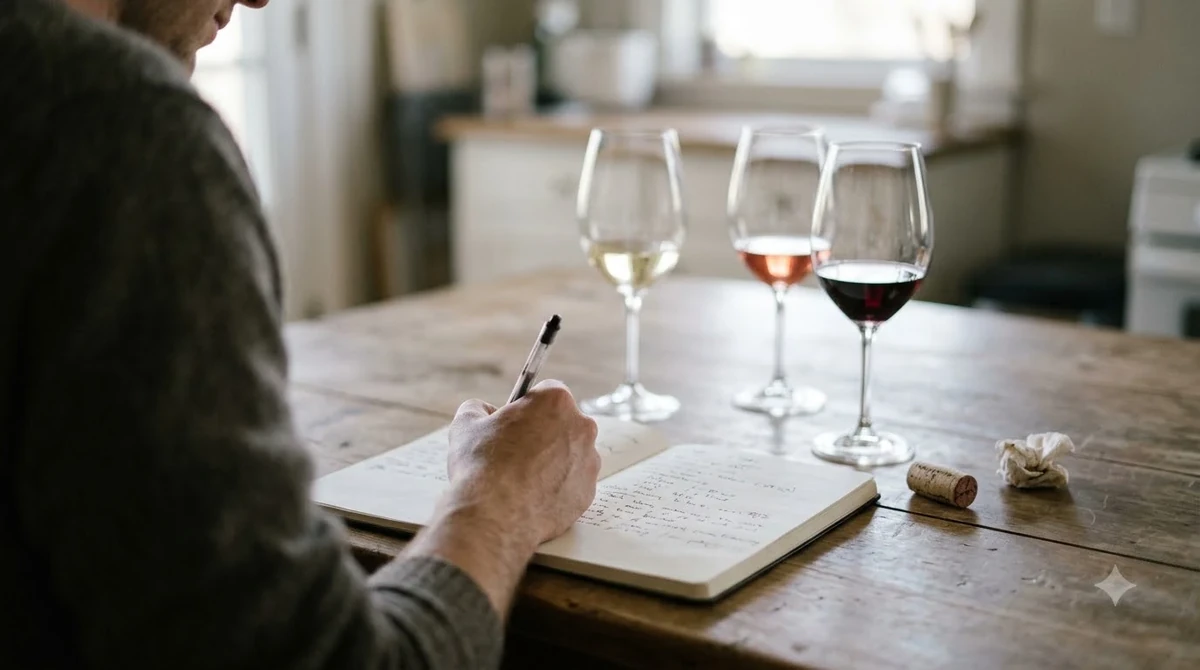
For a group of five to eight guests, buying one bottle of each of your five or six selected wines provides enough liquid for every person to receive a proper sample, with a little left over for second looks at favorite bottles. Once your guest list reaches eight to ten people, reviewers at VinePair recommend doubling up on bottles or asking each attendee to contribute to ensure no one misses a pour. Keeping pours modest is especially important if your lineup includes full-bodied reds above 14.5 percent ABV, which fatigue the senses much faster than crisp, lower-alcohol whites.
| Party Size | Recommended Wines | Total Bottles Needed | Pour Size per Sample |
|---|---|---|---|
| 4 to 6 guests | 4 to 5 wines | 4 to 5 bottles (1 of each) | 2 to 3 ounces (60–90 ml) |
| 7 to 10 guests | 5 to 6 wines | 10 to 12 bottles (2 of each) | 2 to 3 ounces (60–90 ml) |
| 11 to 14 guests | 5 to 6 wines | 10 to 12 bottles (2 of each) | 2 ounces (60 ml) |
Pacing matters just as much as portion control when you are pouring multiple flights. Allow ten to fifteen minutes per wine so guests have time to swirl, smell, sip, and jot down a few quick thoughts before moving on. Building in a short break halfway through the lineup gives everyone a chance to drink water, reset their taste buds, and stay within comfortable limits—a helpful habit if you ever wonder how many glasses of wine is too much over the course of a single evening.
The Proper Order and Serving Temperatures
Sequencing your lineup from lightest and brightest to heaviest and sweetest prevents bold tannins or residual sugar from masking delicate wines served afterward. Serving each style within its ideal temperature range ensures that bright aromatics shine while alcohol stays balanced.
Start the evening with sparkling wines such as Champagne or Cava, which wake up the palate with crisp acidity and lively bubbles. Move next into light-bodied, unoaked whites like Sauvignon Blanc or Albariño, followed by fuller, richer whites such as oaked Chardonnay. Rosé bridges the gap smoothly before you transition into light-bodied reds like Pinot Noir or Gamay, finishing with full-bodied reds such as Cabernet Sauvignon or Syrah—and finally any sweet dessert wines.
Temperature control makes an immediate difference in how expressive those wines appear. White wines are frequently served straight from a frigid refrigerator, which mutes their fruit and floral notes; aim for 45°F to 55°F (7°C to 13°C) instead. Conversely, red wines are often poured too warm in heated living rooms, making them taste flat or overly alcoholic. Chilling reds slightly to between 55°F and 65°F (13°C to 18°C) keeps their fruit vibrant and their structure focused, and decanting bold reds thirty to sixty minutes ahead gives tight tannins room to soften.
Tip: Put red bottles in the refrigerator for about twenty minutes before guests arrive to bring them down from room temperature, and pull white bottles out of the fridge twenty minutes before pouring so they warm slightly into their ideal aromatic zone.
Setting the Table and Essential Supplies
A functional tasting station requires clear, matching glassware, a neutral backdrop for judging color, and simple tools for rinsing and note-taking. You do not need specialized tasting mats or professional spittoons to make the table feel organized and welcoming.
Clear, thin-rimmed wine glasses with a bowl wider than the opening allow aromas to gather toward the nose while letting guests examine color and clarity against a white tablecloth or sheet of white paper. Providing two glasses per guest is ideal because it lets people compare two wines side by side—for instance, sniffing an Old World bottle immediately after its New World counterpart. If you are hosting a larger crowd and lack matching stems, renting identical wine glasses from a local party supply shop saves both money and hours of post-party washing.
Set each place with a water glass, a pen, and a simple tasting card listing basic prompts like appearance, aroma, flavor, and a personal rating out of five. Place shared pitchers of room-temperature water, a clean dump bucket or large opaque bowl for discarding unfinished pours, and plenty of unscented napkins down the center of the table. Keep the room well lit and ask guests ahead of time to skip heavy cologne or perfume, as strong ambient scents easily overpower delicate floral or herbal notes in the glass.
Palate Cleansers and Food Timing
Serving neutral, low-flavor snacks during the formal tasting protects your guests’ taste buds from fat, salt, acid, and spice that distort wine structure. Save richer charcuterie boards, seasoned cheeses, and substantial dishes for after the final wine has been discussed.
While the tasting is underway, stick strictly to plain water crackers, sliced French baguette, and plenty of still water. Strong flavors can dramatically alter how a wine behaves on the tongue: high-acid foods like pickles or vinaigrette can make a crisp white wine taste flat, while sugary treats make dry red wines seem harsh and overly bitter. Plain carbohydrates absorb residual tannins and neutralize lingering acidity between pours without leaving behind competing flavors.
Once everyone has finished evaluating the flight and comparing notes, bring out the real food and let guests revisit their favorite bottles freely. Aged cheeses, cured meats, fresh berries, nuts, and crusty bread turn the second half of the night into a relaxed social gathering where people can test how their top-scoring wines interact with food. If you are hosting during colder months and plan to serve a spiced warm batch afterward, check how long does mulled wine last so any leftovers store safely.
Frequently Asked Questions
How many wines should you serve at a wine tasting party?
Four to six different wines is the ideal range for a home tasting party. Fewer than four bottles limits meaningful comparison, while serving seven or more tends to fatigue guests’ palates and blur the differences between styles.
Should guests actually spit wine out during a home tasting?
Providing a dump bucket or personal cup for spitting or pouring out unfinished samples is smart etiquette, even at casual home tastings. Guests never have to spit if they prefer to swallow small pours, though having a visible option prevents overconsumption when tasting five or six wines in one sitting.
Do you need two wine glasses per person for a tasting party?
Having two identical clear glasses per guest makes side-by-side comparison much easier because tasters can smell and sip two wines back-to-back. If cabinet space is tight, one glass per person still works well as long as guests rinse with a splash of water between pours.
How do you keep a wine tasting party from feeling too formal or intimidating?
Encourage guests to describe wines using everyday words—such as crisp, jammy, earthy, or smooth—rather than worrying about technical vocabulary. Remind everyone at the start that personal preference matters most and there are no wrong answers in the glass, or explore additional essential wine basics together as questions come up.
Great wine tastings succeed when curiosity takes center stage over strict rules or pretentious jargon. With a clear theme, thoughtful pacing, and a handful of well-chosen bottles, your living room table becomes the best tasting room in town.
More in Wine Basics
 Which Rose Is Best for Your Taste, Budget, and Food PairingsUpdated Nov 21, 2026
 Is Cheap Wine Bad? How to Find Bottles Worth DrinkingUpdated Nov 21, 2026
 What To Write On A Wine Gift Tag: Thoughtful Messages For Every OccasionUpdated Nov 21, 2026
 Which Wine Is Best For Weight Loss? Compare Lower-Calorie ChoicesUpdated Nov 21, 2026
 What Is The Best Wine For Mimosas? Choose Bubbly That Balances Orange JuiceUpdated Nov 20, 2026
 Which Prosecco Is Best for Your Taste and OccasionUpdated Nov 20, 2026