

We may earn a commission when you buy through links on this page, at no extra cost to you. Learn more.
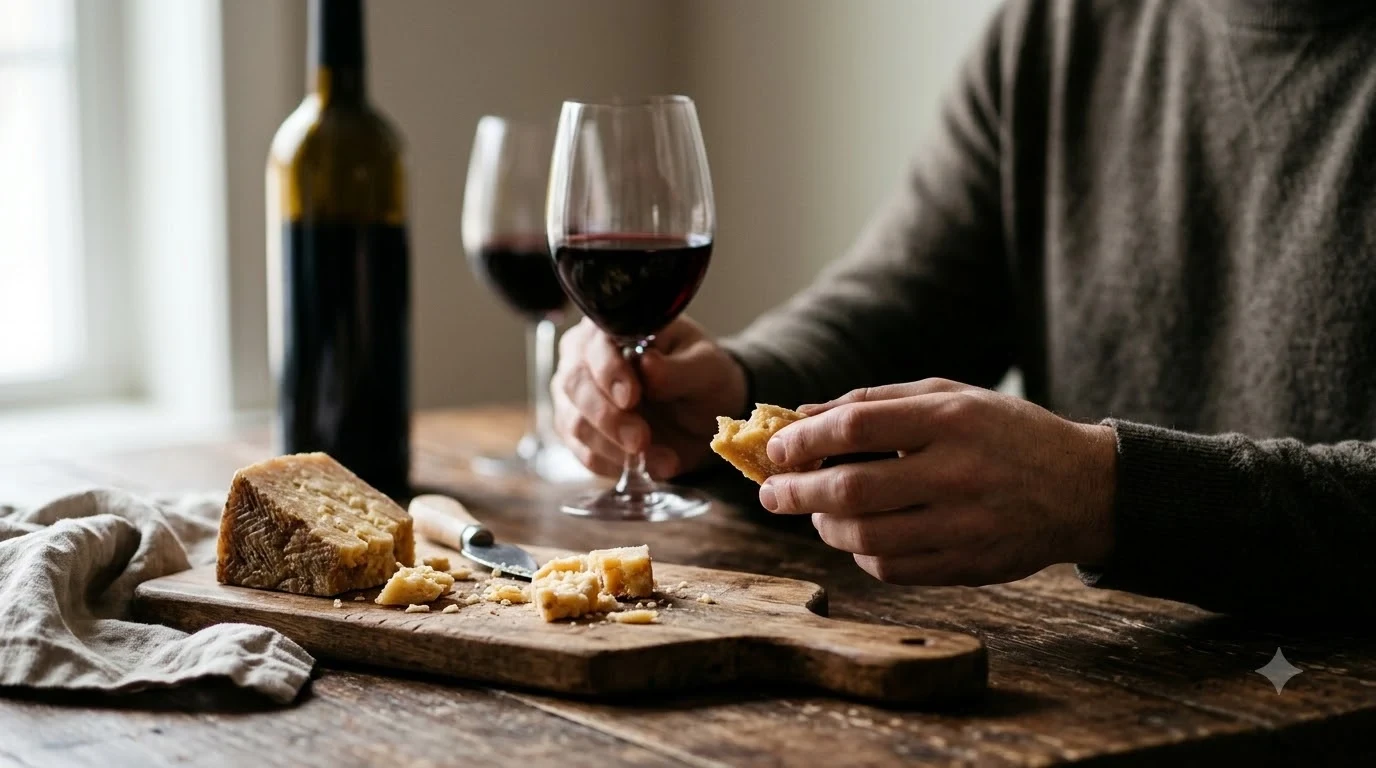
Fall wine pairing works best when you match the wine’s earthy, fruity, or spiced character to the season’s food, such as roasted squash, mushrooms, pork, and braised dishes. Light-bodied reds like Pinot Noir and spicy, jammy reds like Zinfandel handle most autumn meals well, while crisp whites suit lighter fall dishes. The seasonal flavors are the guide: earth, spice, and roasted fruit go with wines that have similar notes.
This guide explains which wine styles suit autumn food, how to serve them, and which dishes to pair with each. It focuses on wines that are easy to find and food that is easy to cook, so you can plan a fall dinner without a long list of rules.
Why autumn food and wine go together
Autumn cooking leans on roasting, braising, and warm spices. Root vegetables caramelize in the oven, mushrooms turn savory in a pan, and cinnamon, clove, and nutmeg appear in desserts and sauces. Wines can echo these flavors. A red with notes of forest floor, mushroom, or spice will feel at home beside a roast, while a red with bright berry fruit can lift a richer dish.
Pairing works in two directions. A wine that is too bold can overpower a delicate dish, and a light wine can disappear next to a heavily spiced one. The goal is balance, so the wine and the food should feel like they belong on the same table. Autumn meals also tend to run long, with slow roasts and several courses, so a wine that stays steady from the first glass to the last is often a better choice than one bold bottle that fades quickly.
Pinot Noir for earthy fall dishes
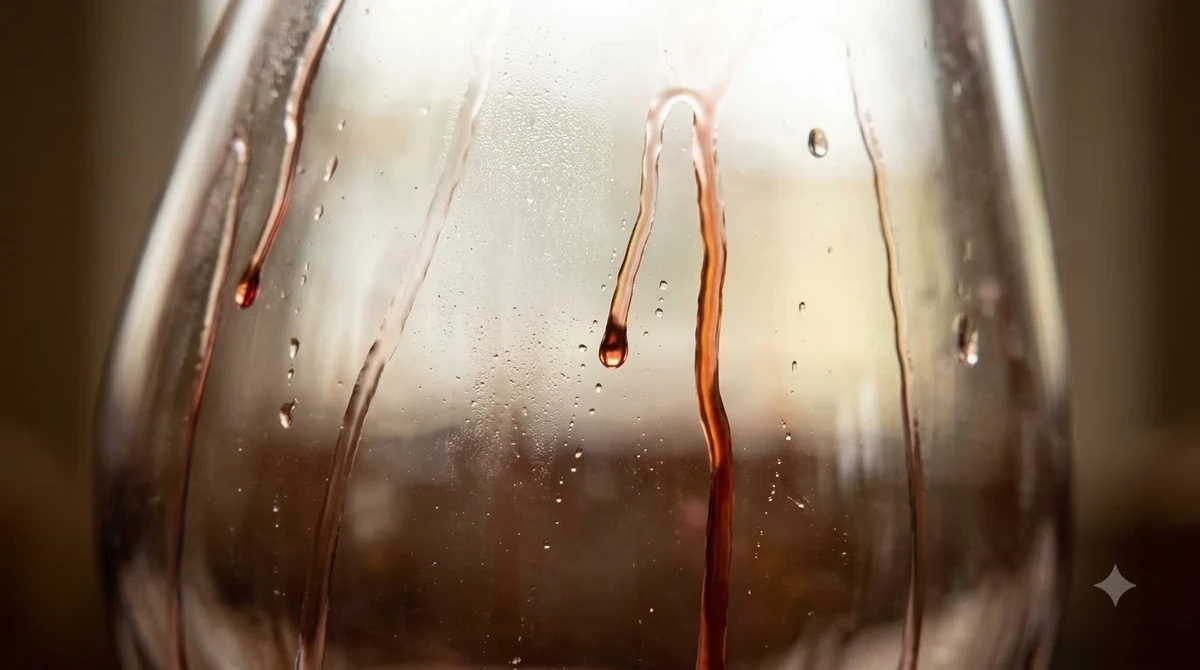
Pinot Noir is one of the most useful wines for autumn. Wine Folly’s Pinot Noir guide describes its fruit as leaning toward ripe cherry and raspberry, with earthy notes such as forest floor, tea leaves, and mushroom. The wine is usually light to medium-bodied with low tannin, which makes it flexible at the table. The same guide describes it as a versatile food wine, and it notes that the wine’s acidity helps it cut through fatty dishes.
That combination makes Pinot Noir a natural match for mushroom risotto, roast chicken with herbs, and pork with a fruit glaze. Duck is a classic pairing, since the wine’s acidity handles the richness of the fat, and the guide suggests the same logic for spiced duck. Salmon is another fall option, especially when it is roasted with herbs or served with a sauce that has a little acidity.
Zinfandel for smoky and spiced dishes
Zinfandel suits bolder autumn food. Wine Folly’s Zinfandel guide describes it as a bold, fruit-forward red with jammy fruit and smoky, spicy notes, with medium-full body and medium-high tannin. That structure can stand up to barbecue, grilled meats, and chili. It is a good choice when the menu leans heavy and the table needs a wine with some weight.
Because Zinfandel is fuller than Pinot Noir, it works best with dishes that have enough fat, char, or spice to match it. Spiced sausages, roasted pork shoulder, and hearty stews are all natural choices. If you want an apple or cider flavor in the same meal, our guide to apple cider sangria is a fun way to bring fall fruit to the table alongside a red.
Serving temperatures that suit fall
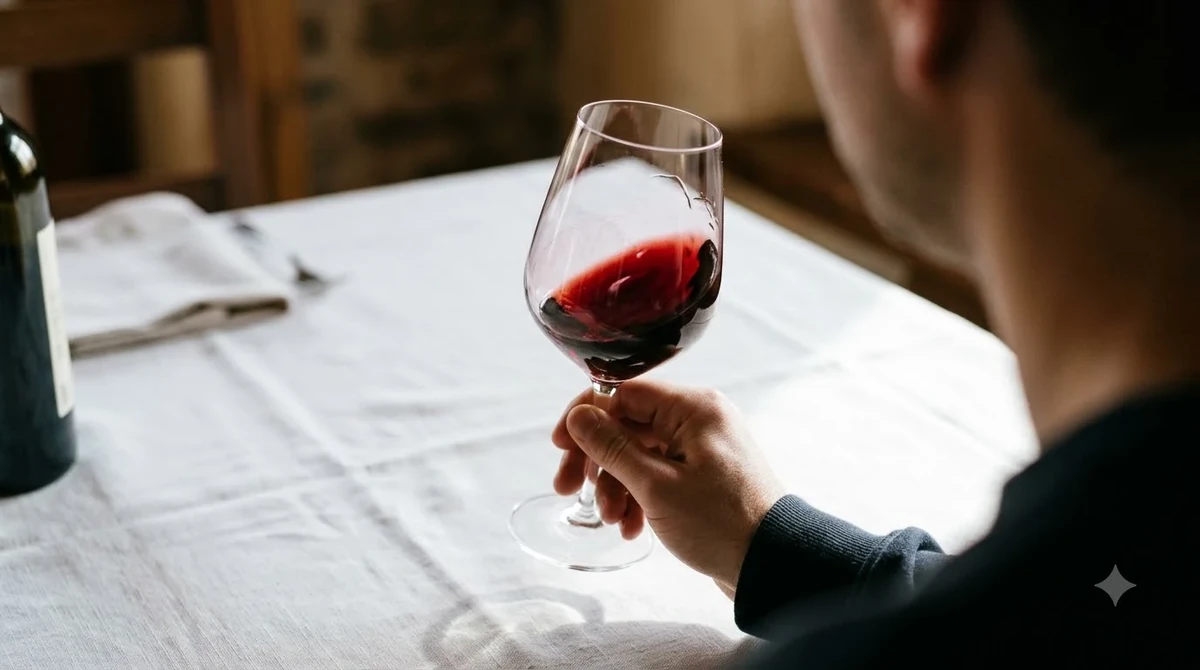
Temperature changes how a red tastes, so it helps to set the bottle out before serving. Pinot Noir is usually served slightly cool, at about 55 to 60°F (12 to 15°C), which keeps its fruit lively and lets the earthy notes show. Zinfandel is usually served a little warmer, around 60 to 68°F (15 to 20°C), and it often benefits from about 30 minutes of decanting for a young bottle.
For a crisp white with a light autumn meal, Albariño is a good option. Wine Folly suggests serving that high-acid white at 38 to 45°F (3 to 7°C). A chilled glass with good acidity can cut through creamy soups, roasted squash with lemon, or fresh salads.
A simple fall pairing guide
The table below matches common autumn dishes with a wine style. Think of it as a starting point. Your own preferences matter more than any rule, so use it to narrow the choices and then taste the wine with the meal.
| Autumn dish | Wine style | Why it works |
|---|---|---|
| Mushroom risotto | Pinot Noir | Earthy notes in the wine echo the mushrooms |
| Roast duck | Pinot Noir | Acidity cuts through the fat |
| Roast pork with fruit glaze | Pinot Noir or Zinfandel | Fruit and spice balance the sweet glaze |
| Grilled sausages or chili | Zinfandel | Bold fruit and smoky spice stand up to rich, spiced food |
| Roasted squash soup | Albariño or another crisp white | Bright acidity keeps the soup from feeling heavy |
| Apple or pear dessert | Sweet white or a light, fruity red | Matching fruit tones work across the meal |
Use the table to plan a menu with more than one wine. Two bottles, one light and one bold, can cover a whole fall dinner from appetizer to dessert.
Sweet potatoes, carrots, and parsnips are common on autumn tables, and they often bring out a little natural sweetness when roasted. A Pinot Noir with bright fruit suits those vegetables, while a more savory dish built around them may call for a wine with more earth. If you are cooking for a group, plan the wines around the dish that most guests will eat, and let the second bottle handle the rest of the menu. Serving the lighter wine first and the bolder one with the main course also helps the flavors build in a sensible order.
How to choose fall wines
Start with the main dish, since it usually sets the pairing. If the centerpiece is rich, earthy, or fatty, choose a red with good acidity and moderate tannin. If it is spicy or smoky, a bolder red can match the intensity. Keep one lighter white or a sparkling wine on hand for appetizers and cooler evenings.
Price does not have to set the pairing either. Many autumn dishes work well with an everyday bottle, and a few details matter more: the grape, the body, and the serving temperature. For more background on matching wine to food, the Wine Recipes & Cocktails section offers related guides.
Frequently Asked Questions
What is the best wine for fall dinner?
Pinot Noir is a versatile choice for many autumn dishes, especially mushroom, roast duck, and roast pork. Zinfandel suits bolder, smoky, and spiced food.
Should red wine be served chilled in the fall?
Red wine is usually served slightly cool rather than at room temperature in a warm kitchen. According to Wine Folly, Pinot Noir is best around 55 to 60°F, and Zinfandel is often served a little warmer, around 60 to 68°F.
Is Pinot Noir good with roast chicken?
Yes. Pinot Noir works well with roast chicken, especially when the dish has herbs, mushrooms, or a pan sauce. Its light body and acidity keep the pairing balanced.
What white wine works for autumn meals?
Crisp, high-acid whites such as Albariño work well with lighter autumn dishes like squash soup or fresh salads. Serve them chilled, at about 38 to 45°F.
Fall wine pairing is about matching the season’s flavors with wines that share their character. Choose a red for earthy or spiced food, keep a crisp white for lighter dishes, and serve each wine at the right temperature. The guides in the food pairing section can help you plan the rest of the menu.
More in Food & Wine Pairing
 Risotto With White Wine Recipe: Make a Creamy Dinner at HomeUpdated Nov 20, 2026
 Wassail With Wine Recipe for a Festive Spiced Holiday DrinkUpdated Nov 20, 2026
 Spritz Veneziano Recipe: Make a Classic Venetian Aperitivo at HomeUpdated Nov 20, 2026
 Summer Wine Punch Recipe for Easy Homemade EntertainingUpdated Nov 20, 2026
 Bishop Recipe: How to Make a Bright, Citrus-Forward Red Wine CocktailUpdated Nov 20, 2026
 Wine Cupcakes Recipe: Bake Rich Chocolate Cupcakes at HomeUpdated Nov 20, 2026