


We may earn a commission when you buy through links on this page, at no extra cost to you. Learn more.
What is fortified wine? It is wine with a distilled spirit added, usually brandy, which raises the alcohol level to around 20% by volume and often leaves the wine sweeter and longer-lasting than a table wine. Port, sherry, Madeira, and Marsala are the best-known examples, and vermouth is a fortified wine flavored with herbs and spices. The timing of the spirit addition decides much of the final style.
Fortified wines can look like a mystery on a shelf of ordinary bottles. Some are sweet and rich, some are bone dry, and a few taste nutty or smoky. They share one defining trait, which is the added spirit, but their flavors come from many other choices. This guide explains how fortification works, what the main types have in common, and how to serve and store them.
How fortification works
A fortified wine is a wine to which a distilled spirit, usually brandy, has been added. The spirit raises the alcohol level, and the timing of the addition controls how sweet the final wine will be. Fortified wines typically reach about 20% alcohol by volume, which is well above the roughly 9 to 14% of most unfortified wines.
When the spirit goes in during fermentation, it stops the yeast from turning the sugar into alcohol. The result is a wine that keeps some natural sweetness along with the higher strength. Drier styles, such as sherry, are fortified shortly before or after fermentation finishes, so most of the sugar has already been converted. Sweetness in those wines is usually added later, if at all.
That single decision creates a wide range of results. A wine fortified early is sweet and rich. A wine fortified late is dry and sharp. Many fortified wines then age for years in barrels, and the aging adds further character that depends on the producer and the style.
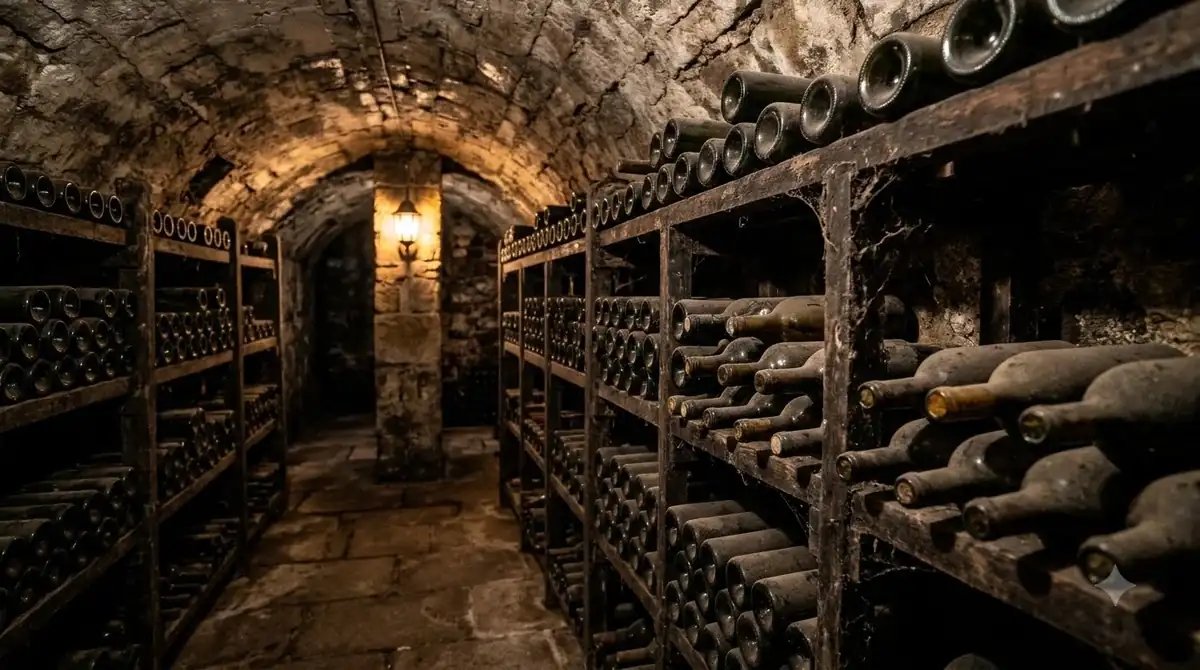
Port: sweet, rich and built for aging
Port comes from Portugal’s Douro Valley. It is fortified partway through fermentation, so it is typically sweet and red, though dry, semi-dry, white, and rosé versions also exist. Port is probably the most famous fortified wine, and it is often served after a meal.
Tawny port shows how barrel aging can change the flavor. According to Wine Folly’s guide to tawny port, tawny is sweet, and its aging in wood gives it much of its character. Smaller barrels let the wine oxidize slowly, which changes its color, aroma, and taste over time. Tawny is often treated as a dessert wine, and it pairs well with nuts, cheese, and dark chocolate.
Ruby port is younger and fruitier, with a bright red color and more direct berry flavors. Both styles are sweet, but they taste quite different, so it helps to know which one you are buying.
Sherry: from bone dry to cream
Sherry is made from white grapes grown near Jerez in southern Spain. Because it is fortified after fermentation, most sherries start out dry, and their final sweetness depends on the style. The range is wide, from very dry, light finos to darker, sometimes sweeter olorosos.

Fino and manzanilla are pale, dry, and crisp, and they are often served chilled as an aperitif. Oloroso is darker and richer, with nutty and dried-fruit notes. Cream sherry is always sweet, and it is the style most people think of when they hear the word sherry, although it is far from the only option.
Tip: An opened bottle of dry sherry keeps its character much better than most wines, but it still belongs in the refrigerator and should be finished within a few weeks.
Madeira, Marsala and vermouth
Madeira comes from the Madeira Islands in the Atlantic. It is deliberately heated and oxidized during maturation, which gives it a distinctive flavor, and it ranges from dry to sweet. Madeira is an unusually durable wine once opened, so a bottle can last for weeks or longer without falling apart, which makes it a practical choice for cooking as well as sipping.
Marsala comes from Sicily, and it is sold either fortified or unfortified. The fortified Fine style is at least 17% alcohol and aged at least four months. The Superiore style is at least 18% and aged at least two years. Marsala is well known in cooking, especially in sauces for chicken, veal, and mushrooms.
Vermouth is a fortified wine flavored with botanicals, and it is produced mainly in Italy, France, and Spain. Most bottles are about 16 to 18% alcohol. Sweet vermouth is typically red and mildly bitter, while dry vermouth is pale and more bitter, often with a nutmeg or bitter orange character. Vermouth is a common cocktail ingredient, and it can also serve as an aperitif.
How fortified wine compares with table wine
The higher alcohol level changes how these wines behave. A fortified wine is more stable once opened than a standard table wine, because the extra alcohol slows spoilage. That is why a bottle of port or sherry can stay drinkable for several weeks after opening, while most table wines start to fade within a few days. Storing the bottle upright and sealed helps, and a cool, dark cupboard is a good place for most styles.
The sugar and alcohol together also make these wines feel heavier in the mouth. A small pour goes a long way. Serving sizes for fortified wine are usually smaller than for table wine, which keeps the experience balanced and also keeps the alcohol content in check. For a comparison of table-wine strength, the calories in white wine guide shows how a typical glass differs from a stronger bottle.
Serving and food pairings
Serving temperature changes the flavor a great deal. Dry, pale styles such as fino and manzanilla are often chilled, while richer sweet styles can be served slightly cool or at a cellar temperature. Tawny and aged styles are often enjoyed at room temperature in a small glass that concentrates the aromas.
Pairings follow the sweetness. Dry fortified wines work well as an aperitif or with olives, almonds, and cured meats. Sweet styles pair with desserts, blue cheese, and nuts. Tawny port is a natural partner for crème brûlée or dark chocolate, while cream sherry suits simple cakes and fruit desserts.
Cooking with fortified wine is also common. A splash of dry sherry or Marsala can build depth in a pan sauce, and a little Madeira can add richness to mushrooms. Because the flavors concentrate as the sauce reduces, use a light hand and taste as you go.
Choosing a bottle
Start with sweetness. If you prefer a dry drink, look for fino, manzanilla, or dry Madeira. If you want something rich and dessert-like, look for tawny, ruby, or cream sherry, or a sweet Madeira. The label often states the style, and the producer’s description will usually tell you whether the wine is dry or sweet.
Age can also matter. Some labels show an age, such as a 10-year tawny, which suggests the blend’s average time in the barrel. Older styles are often more complex, but they also cost more. A younger bottle can be a good everyday choice, especially for cooking.
Frequently Asked Questions
What is the difference between fortified wine and table wine?
Fortified wine has a distilled spirit added, which raises its alcohol to around 20%. Table wine usually sits between about 9 and 14%. The extra spirit also helps fortified wines last longer once opened.
Are all fortified wines sweet?
No. Port is usually sweet, but many sherries are dry. Fino and manzanilla are very dry, and Marsala and Madeira range from dry to sweet, depending on the style.
How long does fortified wine last after opening?
It lasts longer than most table wine. Dry sherry and port often stay good for several weeks when sealed and refrigerated, and Madeira is known for keeping well after it is opened.
Is vermouth a fortified wine?
Yes. Vermouth is a fortified wine flavored with herbs, spices, and other botanicals. It is used as an aperitif and as an ingredient in classic cocktails such as the martini and the Manhattan.
Fortified wine rewards curiosity, because a few simple choices produce a wide range of flavors. Once you know how the spirit is added and how each style is aged, it becomes much easier to choose a bottle for a drink, a meal, or a recipe. For a wider look at the main wine categories, the Wine by Type guide is a good next step.
More in Wine Types & Grapes
 Zinfandel Sugar Content: Dry Red vs. White Zinfandel GramsUpdated Nov 21, 2026
 Best Zinfandel Substitute Options for Sipping and CookingUpdated Nov 21, 2026
 Zweigelt Food Pairing: Best Dishes, Cheeses, and Serving TipsUpdated Nov 21, 2026
 Zinfandel Tannins Explained: How Structure Shapes Every BottleUpdated Nov 21, 2026
 Zinfandel Sweetness Level: Dry Red vs. Sweet White Zin ExplainedUpdated Nov 21, 2026
 Xinomavro Food Pairing: Best Dishes, Styles, and Serving TipsUpdated Nov 21, 2026