

We may earn a commission when you buy through links on this page, at no extra cost to you. Learn more.
The standard franzia chillable red alcohol content is 9% ABV (alcohol by volume), though some regional and historical nutritional listings note 11% ABV depending on the vintage batch and state distribution rules. A standard 5-ounce glass contains roughly 107 calories, 11 grams of carbohydrates, and 8 grams of residual sugar, making it noticeably lighter in alcohol than most dry table reds. Produced in California by The Wine Group, this semi-sweet red blend is packaged primarily in 5-liter and 1.5-liter bag-in-box formats designed to stay fresh in the refrigerator for up to six weeks after opening.
Most traditional red wines sit between 13% and 15% ABV and taste harsh or overly tannic when served straight from the refrigerator. Franzia Chillable Red takes a completely different approach by lowering the alcohol level, retaining noticeable residual sugar, and keeping tannins soft so the wine feels crisp and juicy at cold temperatures.
What Franzia Chillable Red Is and How It Is Made
Franzia Chillable Red is a semi-sweet, light-bodied California red blend engineered specifically to be served cold without turning bitter or astringent. Produced by The Wine Group in Ripon, California, it bridges the gap between sweet pink wines and classic dry reds.
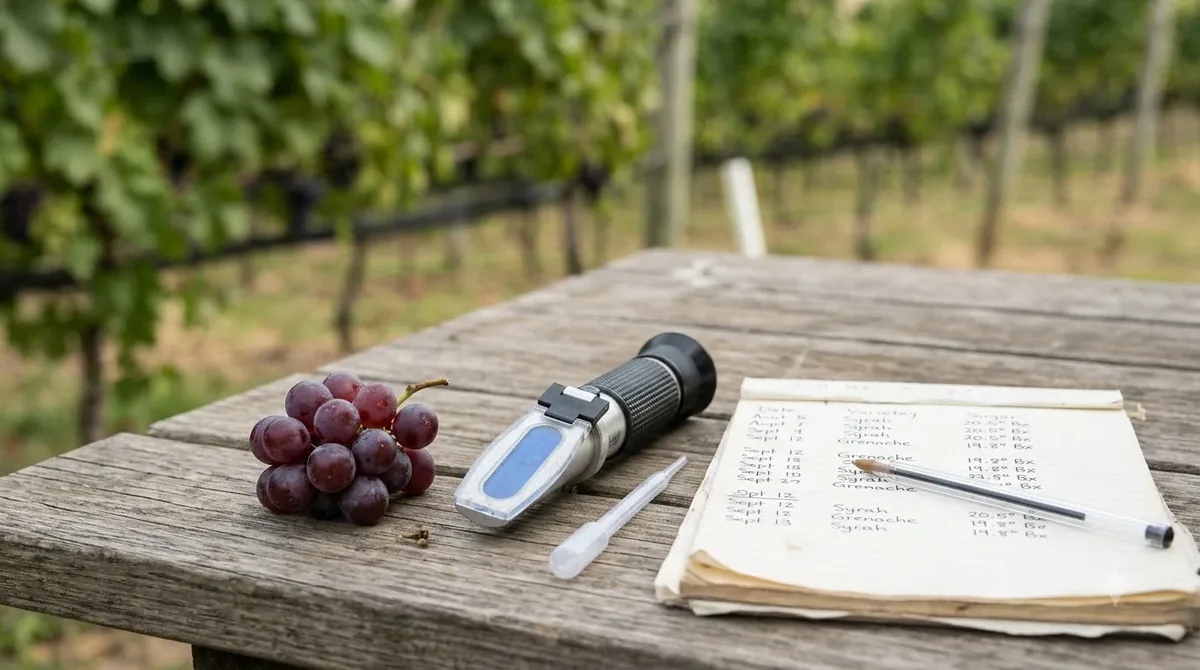
In standard winemaking, higher alcohol levels come from fermenting very ripe grapes until nearly all their natural sugars convert into ethanol. To keep the alcohol level down at 9% ABV, winemakers harvest grapes with moderate sugar levels or halt fermentation early, leaving behind 8 grams of sugar per 5-ounce pour. That remaining sweetness balances the wine’s natural acidity and prevents the flat, metallic sensation that dry, high-tannin reds often develop when chilled.
According to retail and producer technical sheets, the blend draws on California Central Valley red varieties—such as Syrah, Pinot Noir, and Zinfandel—crafted without heavy oak aging. Avoiding oak barrels eliminates woody tannins that tighten up in cold temperatures, resulting in a clean, fruit-driven profile. For readers comparing wine brands across the grocery aisle, this deliberate fermentation and blending strategy explains why Chillable Red drinks more like a fruity refresher than a conventional Cabernet Sauvignon.
Packaging also plays a central role in the wine’s design and consistency. As VinePair notes in its guide to Franzia boxed wine, the brand’s signature bag-in-box construction and one-way flip tap prevent oxygen from entering the pouch as glasses are poured. Because air cannot reach the remaining wine, a 5-liter box—which holds the equivalent of 34 five-ounce glasses, or roughly 6.7 standard 750-milliliter bottles—maintains its intended flavor and alcohol balance for up to six weeks in the fridge.
Alcohol Content, Calories, and Nutrition Breakdown
At 9% ABV, a standard 5-ounce serving of Franzia Chillable Red delivers roughly 0.45 ounces of pure alcohol, alongside 107 calories and 11 grams of carbohydrates. While 9% ABV is the standard figure printed on current boxes, certain state retail listings and legacy nutrition databases occasionally report 11% ABV due to minor batch adjustments.
| Metric (Per 5 oz Serving) | Franzia Chillable Red (9% ABV) | Franzia Chillable Red (11% ABV Listing) | Typical Dry California Red (14% ABV) |
|---|---|---|---|
| Alcohol by Volume (ABV) | 9.0% | 11.0% | 14.0% |
| Pure Alcohol per Glass | 0.45 fl oz | 0.55 fl oz | 0.70 fl oz |
| Calories | 107 kcal | 107–120 kcal | 125 kcal |
| Total Carbohydrates | 11 g | 4–11 g | 4 g |
| Residual Sugar | 8 g | 0.5–8 g | 1 g or less |
| Serving Style | Chilled | Chilled | Cellar / Room Temp |
Understanding these figures helps clarify why the wine feels so easygoing in the glass. Alcohol contributes both physical warmth and perceived viscosity, so dropping from 14% ABV to 9% ABV removes the heavy, warming sensation on the back of the palate. Even if you encounter a regional batch labeled at 11% ABV, the alcohol concentration remains noticeably lower than mainstream bottled red blends.
According to the official nutrition panel published on Franzia’s Chillable Red product page, the 107 calories in a 5-ounce pour come from a combination of alcohol and the 8 grams of residual sugar. Unlike dry red wines—where almost every calorie comes from ethanol alone—a larger share of Chillable Red’s caloric total comes from unfermented grape sugars, which directly shapes its softer mouthfeel.
How Chillable Red Compares to Other Popular Wines
Compared to full-bodied bottled reds and other boxed favorites, Franzia Chillable Red sits near the lower end of the wine alcohol spectrum. Its 9% ABV places it closer to white Zinfandel and Riesling than to classic dry table reds.
Within Franzia’s own lineup, alcohol levels vary noticeably depending on dryness and style. If you compare it to Franzia Chardonnay alcohol content, the white wine typically carries a slightly higher ABV because more of its grape sugar is fermented into alcohol to achieve a crisper, drier finish. Meanwhile, checking Franzia White Zinfandel alcohol content reveals a much closer match, as both rely on arrested fermentation and moderate alcohol to deliver sweet, approachable berry notes.
The contrast becomes even sharper when stacked against mainstream bottled red wines. Looking at Meiomi Pinot Noir alcohol content, for example, highlights how rich, oak-aged California reds routinely push past 13.5% or 14% ABV. That five-percentage-point jump represents more than a 50% increase in pure alcohol per glass, meaning two glasses of a standard dry California Pinot Noir contain roughly the same amount of ethanol as three glasses of Chillable Red.
Flavor Profile and Why Temperature Matters
Franzia Chillable Red offers bright aromas of dark cherry and cranberry followed by sweet, juicy flavors of ripe strawberry, raspberry, and plum on a light-bodied frame. Serving the wine cold sharpens its fruit acidity and keeps the 8 grams of sugar from tasting syrupy.
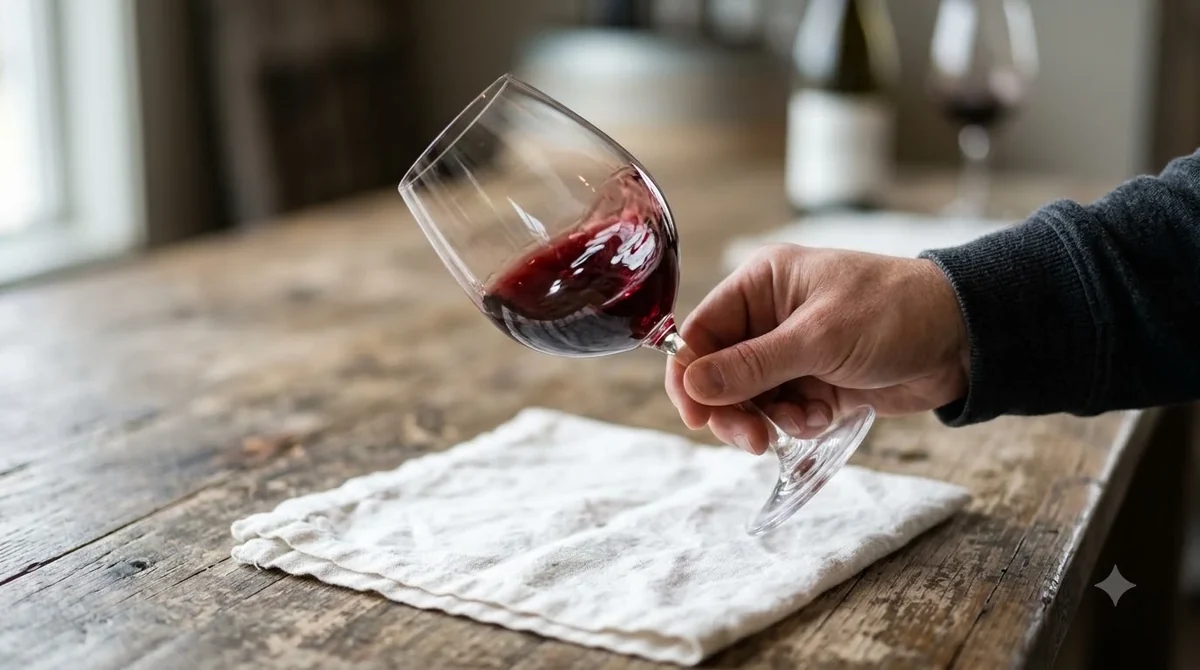
Temperature acts like an equalizer on wine structure. When a wine is warm, sweetness feels heavier and alcohol vapors become more prominent on the nose. Chilling Chillable Red in a standard household refrigerator brings out its crisp red-berry snap while keeping the 9% ABV completely tucked behind the fruit.
Reviewers at Sporked note that the wine tastes notably light and juicy with virtually zero oak influence or astringent grip, comparing its refreshing profile to a chilled berry cooler. Because there are no harsh tannins to turn bitter when cold, the finish stays clean and short, making it especially popular among drinkers who usually prefer Moscato, sangria, or fruit-forward cocktails over traditional dry red wine.
Tip: Store the 5-liter box directly on a refrigerator shelf with the dispensing spout facing outward so every glass pours at an ideal fridge temperature without needing ice cubes that dilute the flavor.
Serving Ideas and Food Pairings
Because of its low 9% ABV, light body, and semi-sweet berry profile, Franzia Chillable Red pairs best with casual, salty, spicy, or tomato-based dishes rather than heavy, marbled steaks. It works equally well poured straight from the tap into stemless glasses or used as a chilled base for batch sangria.
Salt and spice are natural partners for a sweet, low-alcohol red. The wine’s residual sugar cools down capsaicin heat in spicy Asian noodles, buffalo wings, or jalapeño popper dip, while its bright cranberry and cherry acidity cuts right through melted cheese on pepperoni pizza, lasagna, and fried mozzarella sticks. Smoky barbecue pulled pork also aligns well with the wine’s jammy strawberry and raspberry notes.
For warm-weather gatherings, the 5-liter format offers practical flexibility. Hosts can serve it cold alongside grilled chicken and green salads, or pour it over sliced oranges, fresh strawberries, and diced apples for an effortless sangria pitcher. Because the alcohol starts at 9% ABV, adding fresh fruit and a splash of club soda creates a light, crowd-friendly refresher suitable for afternoon cookouts.
Frequently Asked Questions
Is Franzia Chillable Red considered a low-alcohol wine?
Yes, at 9% ABV, Franzia Chillable Red sits well below the 13% to 15% ABV range of standard dry red wines. Because it contains roughly one-third less alcohol per ounce than a typical Cabernet Sauvignon or Pinot Noir, it falls squarely into the lower-alcohol table wine category.
Why do some nutrition trackers list Franzia Chillable Red at 11% ABV instead of 9%?
The current standard specification for Franzia Chillable Red is 9% ABV, which appears on major retail listings across the United States. However, older nutrition databases and certain state-specific production runs have historically listed 11% ABV, reflecting minor vintage or regional formulation differences.
Does Franzia Chillable Red have to be served cold?
While you can drink it at room temperature without any safety issues, the producer specifically formulates the blend to be served chilled. Cold temperatures keep its 8 grams of residual sugar tasting crisp and refreshing, whereas warming the wine makes the sweetness feel noticeably heavier.
How many standard drinks are in a 5-liter box of Franzia Chillable Red?
According to Franzia, a 5-liter box yields 34 five-ounce servings. At 9% ABV, each 5-ounce glass contains 0.45 ounces of pure alcohol—slightly less than the 0.6 ounces found in a standard U.S. drink—meaning the entire box holds roughly 25.5 standard U.S. drinks.
With its 9% ABV, soft tannin profile, and 8 grams of residual sugar per pour, Franzia Chillable Red is built specifically for cold, easygoing refreshment rather than formal cellar aging. Keeping a box in the refrigerator gives you a low-alcohol, fruit-forward red that stays fresh for weeks and pairs effortlessly with everyday casual meals.
More in Wine Brands
 Underwood Wine Price: Compare Bottles, Cans, and Pack SizesUpdated Nov 21, 2026
 Zenato Wine Price: Compare Styles and Choose the Right BottleUpdated Nov 21, 2026
 Zuccardi Wine Price: Compare Bottles and Find the Right RangeUpdated Nov 21, 2026
 Yellow Tail Moscato Review: Taste, Sweetness and Serving TipsUpdated Nov 21, 2026
 Wolf Blass Yellow Label Review: Choose Your Best StyleUpdated Nov 21, 2026
 Wolffer Estate Rose Review: Choose the Right Bottle for Your TableUpdated Nov 21, 2026