

We may earn a commission when you buy through links on this page, at no extra cost to you. Learn more.
Hudson Valley wine comes from cool-climate vineyards along the Hudson River in New York State, where French hybrids and cool-climate Vitis vinifera varieties produce fresh, lively wines. The region’s American Viticultural Area, the Hudson River Region, was recognized in 1982 and is the oldest wine-growing district in the state. Wines range from crisp whites such as Riesling and Vidal blanc to reds made from Baco noir, Cabernet Franc and Pinot Noir. This guide covers the styles, grapes, history and buying tips for Hudson Valley wine.
Hudson Valley wine is easy to overlook next to better-known regions, but it has a distinct character that comes from the river, the hills and a climate that asks growers to work carefully. The wines are usually lighter and brighter than many New World reds and whites, which makes them easy to enjoy with everyday meals. If you want a general primer on how regions shape flavor, our Wine Regions guide is a good place to begin.
What Gives Hudson Valley Wine Its Character
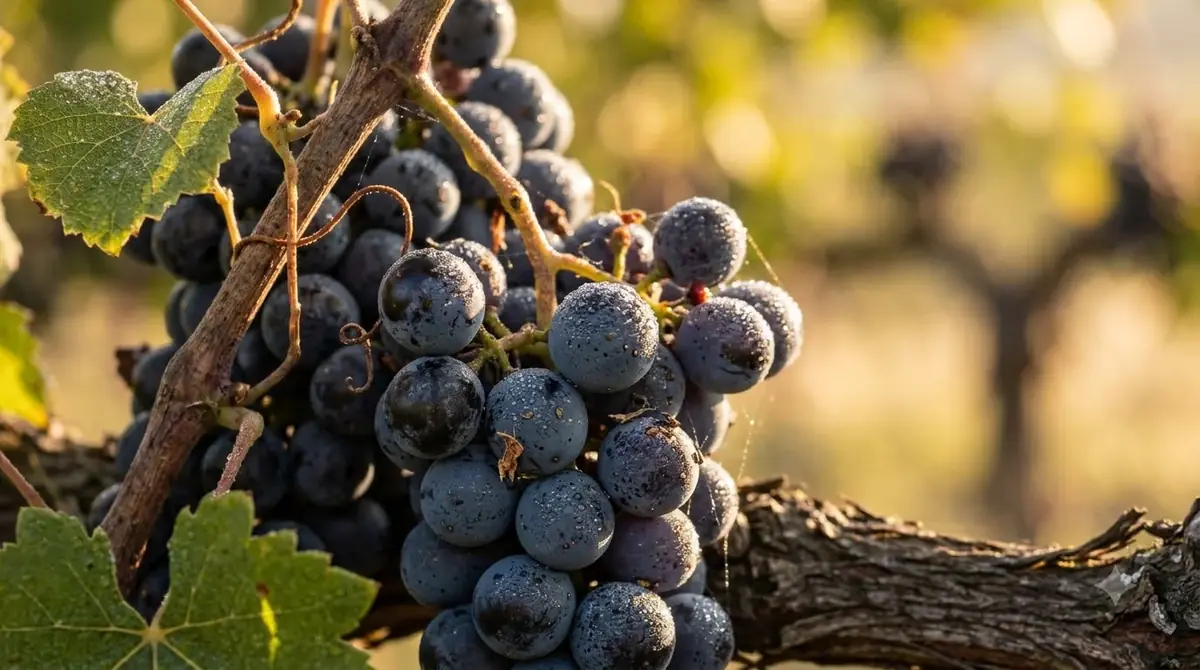
The Hudson River Region is cool, and the river plays a large part in that. Ocean breezes move up the valley, cooling the summer and moderating the winter. Vineyards mostly sit on western hillsides close to the water, where air drains well and frost risk is lower. The result is a climate where grapes ripen steadily, which tends to keep acidity high and alcohol moderate.
Because of this climate, Hudson Valley wines often show bright fruit, clean finishes and a sense of freshness. Cool-climate reds can feel elegant rather than heavy, and whites often carry lively acidity that makes them good with food. These are general tendencies rather than rules, and each winery’s choices in the vineyard and cellar change the outcome.
The Grapes and Styles to Look For
Reference sources list about twenty grape varieties grown in the region. Among the most common are Baco noir, Cabernet Franc, Chardonnay, Merlot, Pinot Noir, Riesling and Vidal blanc. French hybrids and cool-climate Vitis vinifera varieties are the most important, which helps explain why local wines often differ from those made in warmer regions.
Riesling is one of the most useful styles to try. It is an aromatic white with high acidity and a light body, and it can be made dry or sweet. Wine Folly’s Riesling profile describes flavors of lime, green apple and jasmine, and it suggests serving the wine cool, at about 38 to 45 degrees Fahrenheit. That range suits many Hudson Valley whites, especially the crisp, dry versions.
| Style | Common grapes | What to expect |
|---|---|---|
| Crisp white | Riesling, Vidal blanc | High acidity, fresh fruit, light to medium body |
| Fuller white | Chardonnay | Richer texture, depends on oak and winemaking |
| Light red | Pinot Noir, Baco noir | Bright fruit, moderate tannin, easy drinking |
| Structured red | Cabernet Franc, Merlot | Savory notes, firm structure, good with food |
Tip: Look for wines labeled with the Hudson River Region appellation. The label tells you the grapes came from the AVA, which is a useful clue when you want the regional style.
Where the Region’s Wine Comes From
Most Hudson Valley wine is made from grapes grown in Columbia and Ulster Counties, where the largest share of planted vineyard land lies. Reference figures put the total planted area at about 1,000 acres, which is small compared with major wine regions. Many wineries source some fruit from their own vineyards and some from neighboring growers, so the blend of sources can vary from one bottle to the next.
The region also has a deep history. Wine has been made here for more than 300 years, beginning after French Huguenots settled New Paltz in 1677. The first commercial winery opened in 1827 on Croton Point. Those long roots give the region a tradition that many newer wine areas lack, and they help explain why the valley has a strong identity in New York wine.
How to Serve and Pair Hudson Valley Wine
Serving temperature has a large effect on how these wines taste. Crisp whites such as Riesling and Vidal blanc are best cool, while fuller whites like Chardonnay can be served slightly warmer. Lighter reds such as Pinot Noir and Baco noir are usually best a little below room temperature, and Cabernet Franc and Merlot often suit a touch more warmth. Use a standard glass with room to swirl.
The food matches are generous. Off-dry Riesling works well with spicy foods, and it pairs with pork, duck and shellfish. Pinot Noir suits roast chicken, mushroom dishes and grilled salmon. Cabernet Franc and Merlot are good with roast meats and hearty vegetable dishes. Because the wines are fresh and balanced, they often work well at casual meals as well as special dinners.
How to Buy Hudson Valley Wine
Hudson Valley wine is widely sold in tasting rooms, and many wineries ship within New York and to other states where the law allows. Local wine shops and farm markets also carry a good selection, especially in the Hudson Valley towns. If you are new to the region, a tasting flight is a practical way to compare styles before buying a full bottle.
Check the vintage and the producer’s notes, because cool-climate wines can vary more from year to year than wines from warm regions. A bottle from a recent vintage will usually be fresher, while a structured red may gain complexity with a few years of bottle age. Storing bottles on their side in a cool, dark place helps keep the cork moist and the wine stable.
Price and quality do not always move together, so it helps to taste a few examples before settling on a favorite style. Smaller wineries often offer limited releases, seasonal bottlings and small-lot wines that show the character of a single vineyard. Asking the staff which wines the winemaker is most proud of can lead to good discoveries that a shelf label would not reveal.
Sparkling and off-dry styles also deserve a place on your list. Cool-climate acidity suits sparkling wine well, and a lightly sweet white can be a pleasant match for brunch, spicy takeout or a dessert course. If you usually drink bold reds, a crisp white from the valley can show you how much variety the region offers.
Frequently Asked Questions
Is Hudson Valley wine good?
Many Hudson Valley wines are fresh, balanced and food-friendly. Quality depends on the producer, so look for wineries that name their vineyard sources and appellation and read recent reviews before you buy.
What is the Hudson River Region AVA?
It is the American Viticultural Area centered on the Hudson River in southeastern New York. The U.S. Bureau of Alcohol, Tobacco and Firearms established it in 1982, and it was the first AVA in the state.
What is the best Hudson Valley wine to start with?
A dry Riesling or a Pinot Noir from a respected local producer is a good starting point. Both show the cool-climate character of the region and are easy to pair with food.
How should I serve Hudson Valley white wine?
Serve crisp whites such as Riesling cool, at about 38 to 45 degrees Fahrenheit, in a white wine glass. Fuller whites like Chardonnay can be served a few degrees warmer to show their texture.
Hudson Valley wine is a good choice for drinkers who like fresh, balanced styles and a region with a long history. Start with a crisp white and a light red from the same winery, then compare them with a wine from another cool-climate region, such as the bottles covered in our Willamette Valley wine guide, to see how the river valley shapes the flavor. For the vineyards behind these bottles, read the Hudson Valley vineyards guide.
More in Wine Regions
 Willcox Wine Trail: Discover Arizona’s High-Elevation Wine CountryUpdated Nov 20, 2026
 Yakima Valley Wine Region: Find the Best Styles to TryUpdated Nov 20, 2026
 Vosne Romanee Wine Tasting: Identify Aromas and Choose Better PairingsUpdated Nov 20, 2026
 Yakima Valley Wine Festival: Find the Best Seasonal Wine EventsUpdated Nov 20, 2026
 Wales Vineyards: Discover Cool-Climate Wines and Where to VisitUpdated Nov 20, 2026
 Yountville Wine Festival: Discover Napa Wines and Local FoodUpdated Nov 20, 2026