

We may earn a commission when you buy through links on this page, at no extra cost to you. Learn more.
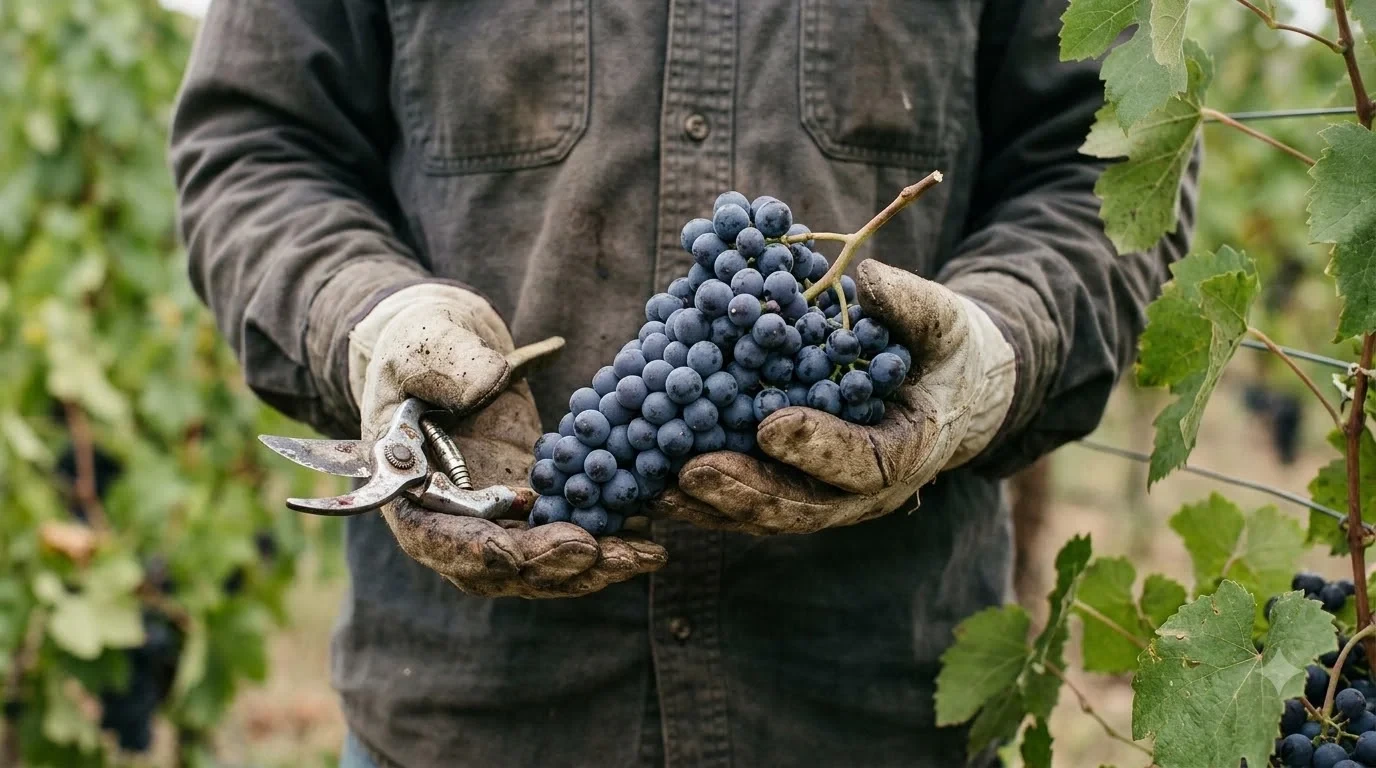
Valle de Guadalupe vineyards sit in a Mediterranean-climate valley in Ensenada Municipality, Baja California, Mexico, and according to Wikipedia the valley produces an estimated 70 percent of Mexican wine. Cool, rainy winters and dry, warm summers give the vines a long growing season, and ocean breezes moderate the heat. Red Bordeaux varieties are the most typical plantings, though the valley grows a wide range of grapes.
Most people who hear about Mexican wine have never heard of the Valle de Guadalupe. That is changing as more visitors discover its vineyards, olive groves, and small family estates. This guide explains where the vineyards are, how the climate shapes what grows there, and what to know before you plan a visit or pick a bottle from the region.
Where the Valle de Guadalupe Vineyards Are
The valley lies in the Ensenada Municipality of Baja California. Wikipedia places it about 20 kilometers north of Ensenada and about 113 kilometers southeast of the San Diego to Tijuana border crossing, at an elevation of roughly 344 meters. That location is one reason the valley is popular with day-trippers from the San Diego and Tijuana area, although the drive can take longer than the map suggests.
The valley is more than a wine region. Wikipedia notes that olives, oranges, vegetables, and honey are grown there, and cattle still graze in parts of the valley. Many vineyards sit alongside these crops, so a visit often combines wine with farm produce and local food.
Climate and Terroir
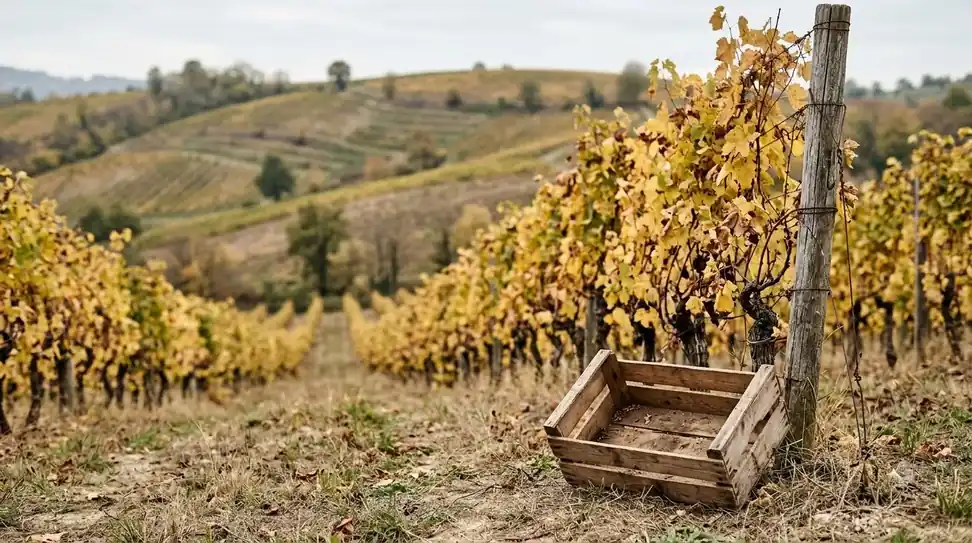
The valley has a Mediterranean climate, with cool, rainy winters and dry, warm summers. Ocean breezes help keep temperatures from climbing too high during the growing season. Wikipedia gives average temperatures of about 5 degrees Celsius in winter and about 30 degrees Celsius in summer, which shows how much the day-to-day conditions can swing across the seasons.
For a grower, this pattern means the vines get enough warmth to ripen fruit but also enough cool air at night to hold on to acidity. That balance is part of what makes the valley’s reds structured while still keeping fruit forward.
| Factor | What Wikipedia reports | Why it matters for vines |
|---|---|---|
| Climate type | Mediterranean | Wet winters and dry summers suit vinifera grapes |
| Winter average | About 5 °C | Vines rest during the cool months |
| Summer average | About 30 °C | Warm days help the grapes ripen |
| Ocean influence | Breezes moderate temperature | Helps preserve acidity and slows overripening |
| Elevation | About 344 m | Affects day-night temperature swings |
If you want a contrast with another warm, dry growing area, the arizona vineyards guide explains how irrigation and heat shape the grapes in a very different setting.
Grape Varieties Grown in the Valley
Vinifera grapes are the highest-value crop in the valley, according to Wikipedia. Vintners grow a broad range, including Malbec, Sauvignon Blanc, and Tempranillo, and red Bordeaux varieties are the most typical plantings. That mix gives visitors a chance to taste both the classic French reds and Spanish and Argentine styles from the same area.
Malbec and Tempranillo are two of the most useful grapes to know. Wine Folly’s Malbec profile describes dark fruit flavors of red plum and blackberry, with cocoa notes and medium tannins. Its Tempranillo profile, which describes Spain’s most widely planted red grape, notes cherry and dried fig flavors with medium-high acidity and tannin. Both styles fit the valley’s warm days and cool nights.
| Grape | Typical style | Food ideas |
|---|---|---|
| Malbec | Full-bodied red with dark fruit and cocoa | Leaner red meats, burgers, blue cheese |
| Tempranillo | Medium-high tannin, cherry and savory notes | Steak, lamb, tomato-based dishes |
| Sauvignon Blanc | Fresh, herbaceous white | Seafood, salads, fresh cheeses |
| Bordeaux-style blends | Structured red with layered fruit | Roast meats, mushrooms, aged cheeses |
A Short History of Winemaking in the Valley
The valley has a long human history before modern wine. Wikipedia says the Kumeyaay and Kiliwa peoples lived in the valley for thousands of years. A Dominican mission was founded there in 1834 and abandoned in 1840. Later the land was held by the Moreno and Flower families, and Russian Molokan settlers arrived in 1905.
Modern winemaking began in 1972, when Casa Pedro Domecq started operations in the valley. The number of wineries grew from six in 1999 to twenty-five in 2005, according to the same source. Wikipedia’s figures for later years vary, with some sections citing well over 100 wineries, so treat any single count as a snapshot rather than a fixed number.
Visiting the Vineyards
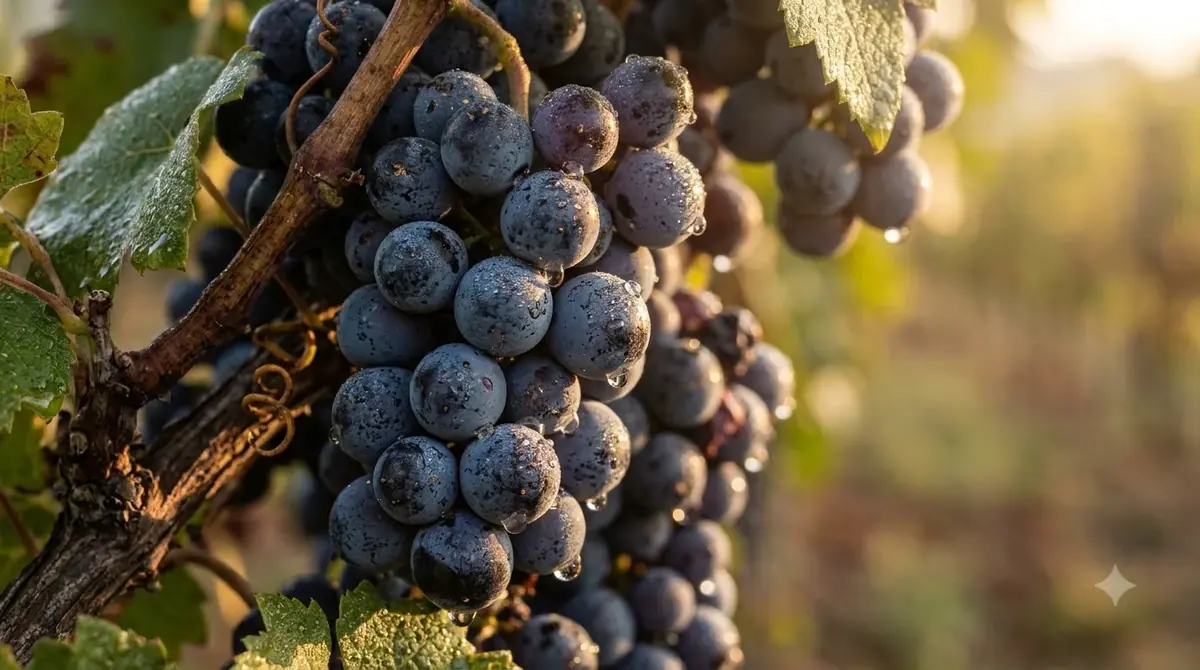
The valley works well for a day trip or a longer stay, since many vineyards offer tastings, tours, and meals on site. Plan your route in advance, because the roads between estates are not always marked clearly, and some wineries keep limited hours or require reservations. Visiting on a weekday can make the experience calmer if you want to talk with winemakers.
Ask whether a tasting includes a flight of several wines, which lets you compare styles side by side. Many visitors pair a tasting with a meal, since the local kitchens often use produce grown nearby. If you plan to drive, designate a driver or book a tour, and keep the day relaxed so the trip stays enjoyable and safe. For a broader look at how regions differ, the Wine Regions hub covers how place shapes flavor.
Timing your trip around the season is worth the effort. The cool, rainy winters and dry summers shape the rhythm of the valley, so the landscape looks different from one visit to the next. Spring and autumn are often the most comfortable months for walking between estates, because the temperatures are milder than the peak of summer. Whatever season you choose, bring water, wear sun protection, and keep a flexible schedule so you can linger at the vineyards that catch your interest.
Tip: Ask the tasting room which vineyard block the grapes came from. Knowing the site helps you compare bottles from the same grape across different estates.
How to Choose a Valle de Guadalupe Wine
Look at the grape on the label first. A Malbec or Tempranillo will tell you a lot about structure and flavor, while a blend often shows the house style. Check whether the bottle is labeled with the Valle de Guadalupe name, since the origin helps you understand the climate behind the wine.
If you are new to the region, start with a red you already know. Compare a Bordeaux-style blend with a single-varietal Malbec to see how the same valley can produce different textures. Store reds in a cool place and drink them within a few years unless the producer says otherwise, since younger bottles usually show the most fruit.
Frequently Asked Questions
Where is the Valle de Guadalupe?
The valley is in the Ensenada Municipality of Baja California, Mexico, roughly 20 kilometers north of Ensenada. Wikipedia places it about 113 kilometers southeast of the San Diego to Tijuana border crossing.
What grapes grow in the Valle de Guadalupe?
Vinifera grapes are the main crop, and the valley grows Malbec, Sauvignon Blanc, and Tempranillo among others. Red Bordeaux varieties are the most typical plantings, according to Wikipedia.
What is the climate like in the valley?
The valley has a Mediterranean climate with cool, rainy winters and dry, warm summers. Ocean breezes moderate the heat, which helps vines ripen fruit while keeping acidity.
How much of Mexican wine comes from this valley?
Wikipedia describes the valley as producing an estimated 70 percent of Mexican wine. That makes it the most important wine area in the country, though the figure is an estimate from the source.
The Valle de Guadalupe rewards a slow visit. Pick two or three vineyards, taste a few grapes side by side, and pay attention to how the climate shows in each glass. For more on the same region from the winery side, read our valle de guadalupe wineries guide before you go.
More in Wine Regions
 Willcox Wine Trail: Discover Arizona’s High-Elevation Wine CountryUpdated Nov 20, 2026
 Yakima Valley Wine Region: Find the Best Styles to TryUpdated Nov 20, 2026
 Vosne Romanee Wine Tasting: Identify Aromas and Choose Better PairingsUpdated Nov 20, 2026
 Yakima Valley Wine Festival: Find the Best Seasonal Wine EventsUpdated Nov 20, 2026
 Wales Vineyards: Discover Cool-Climate Wines and Where to VisitUpdated Nov 20, 2026
 Yountville Wine Festival: Discover Napa Wines and Local FoodUpdated Nov 20, 2026