

We may earn a commission when you buy through links on this page, at no extra cost to you. Learn more.
Sylvaner wine is a dry, light-bodied white with high-toned aromas of peach, orange blossom, and herbs. The grape is known as Silvaner in Germany and is also grown in Alsace and Austria. Its medium-high acidity and absence of tannins make it crisp and food-friendly, and it is best served well chilled. It suits outdoor meals, fruit-based salads, and fish or tofu dishes with fresh herbs.
Sylvaner is one of the more underrated white grapes on the shelf. It rarely gets the attention given to Riesling or Chardonnay, yet it offers a clean, herbal style that many people find refreshing in warm weather. This guide explains what sylvaner tastes like, where it is grown, how to serve it, and how to pick a bottle that fits your table.
What Sylvaner Wine Is
Sylvaner is a white grape that is most closely associated with Germany, where it is usually spelled Silvaner. Wine Folly’s grape profile for Silvaner notes that the grape is primarily found in Germany, and it describes a wine that is typically dry and aromatic. The same grape also appears in parts of Alsace and Austria, where producers often make it in a light, everyday style.
Because the grape can be planted in cool and moderate climates, it tends to keep its acidity even when the summer is warm. That acidity is the backbone of the wine. Sylvaner rarely tastes heavy, and it is more likely to strike drinkers as bright and lively than as rich or creamy.
Flavor Profile and Body
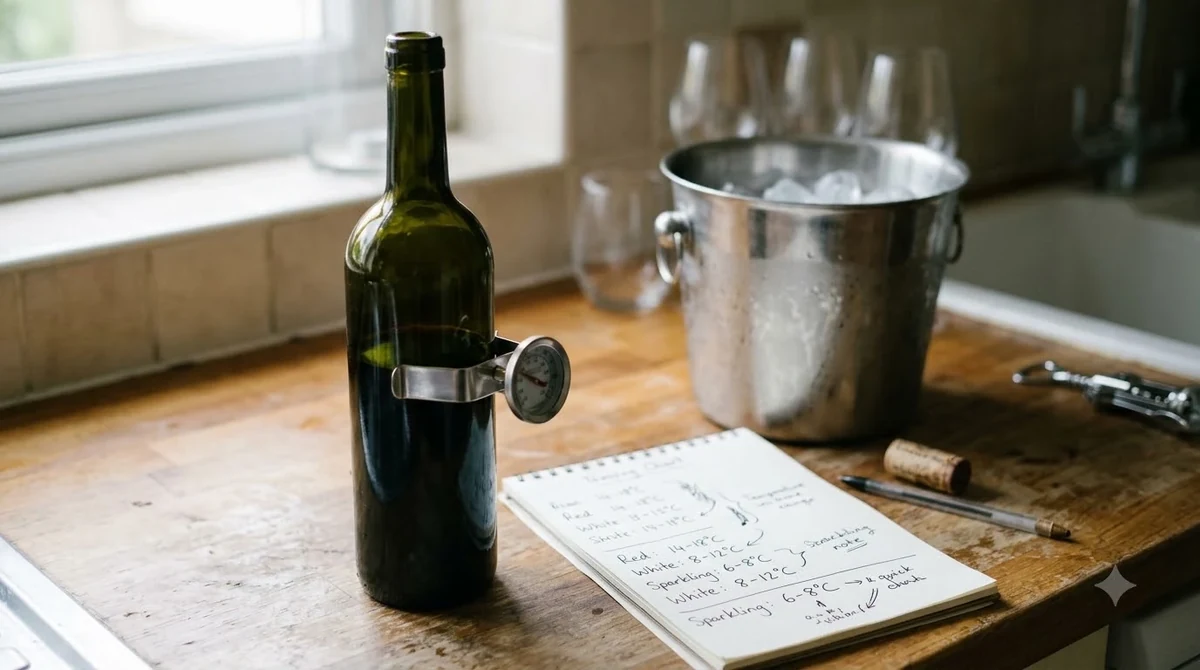
The aromas and flavors of sylvaner lean toward stone fruit and flowers. Wine Folly lists peach and passion fruit as the main fruit notes, with orange blossom as a floral layer. Thyme and flint add a savory, herbal edge, and the flint note gives the wine a faint stony quality that many drinkers associate with cool-climate whites.
The body is medium-light and the acidity is medium-high, which places sylvaner between a delicate Pinot Grigio and a more structured Sauvignon Blanc. The wine has no tannins, so it finishes clean and does not leave a drying sensation. Alcohol typically runs from 11.5% to 13.5% ABV, which is lower than many everyday whites and helps explain why the wine feels so light on the palate.
Sweetness is usually not a feature. Wine Folly describes sylvaner as dry, and most examples follow that pattern. If you want a sweeter white, a different grape or a late-harvest style will suit you better, but a basic sylvaner will taste crisp and savory.
| Feature | What to expect |
|---|---|
| Style | Dry white |
| Body | Medium-light |
| Acidity | Medium-high |
| Tannins | None |
| Typical flavors | Peach, passion fruit, orange blossom, thyme, flint |
| Alcohol | About 11.5% to 13.5% ABV |
Where Sylvaner Grows
Germany is the grape’s main home, and the country’s sylvaner is often sold as a simple, fresh wine for everyday drinking. Alsace in eastern France and parts of Austria also grow the grape. In each region the style follows the local climate: cooler sites give sharper, more mineral wines, while warmer sites give rounder fruit.
Sylvaner is less common in other wine countries, so bottles outside Europe can be hard to find. Warm-climate regions tend to produce riper versions with more tropical fruit, and the producers in Valle de Guadalupe show how a hot, dry site changes white wine character. For a broader view of how climate shapes white wine, the wine regions guide is a useful reference.
How to Serve Sylvaner
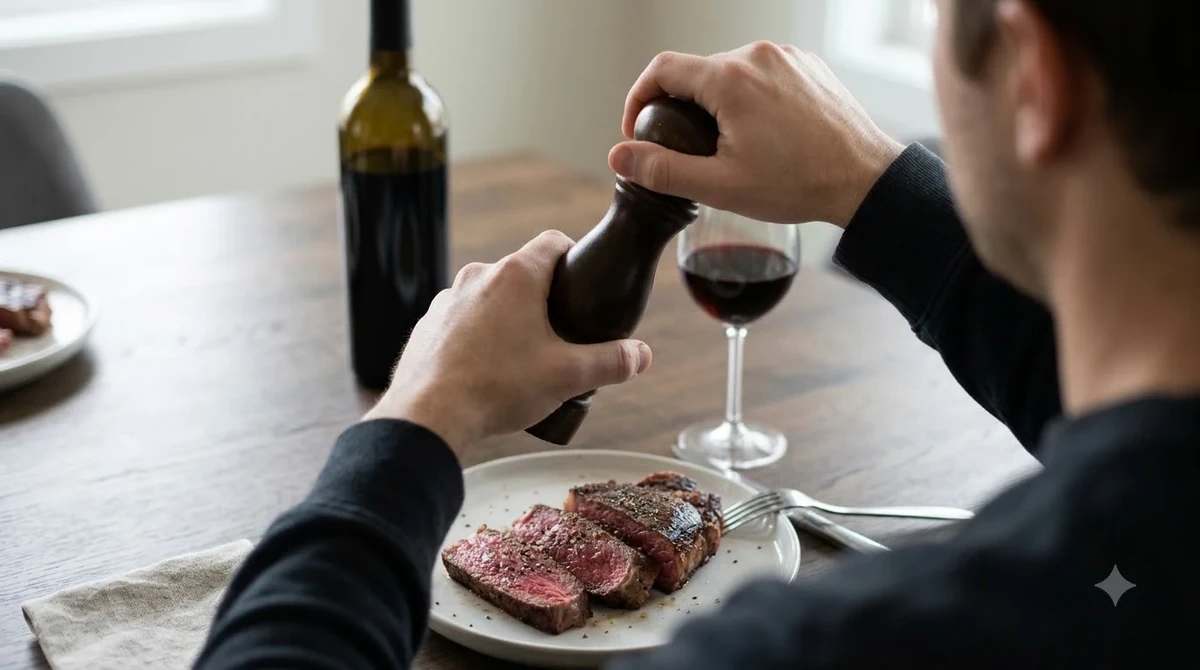
Wine Folly recommends serving sylvaner at 38 to 45 degrees Fahrenheit (3 to 7 degrees Celsius), in a standard white wine glass. Serving it cold keeps the acidity lively and the herbal notes in balance. Let the bottle sit for a few minutes after it comes out of the refrigerator if it tastes sharp, since the aromas open a little as it warms.
Decanting is not needed. The wine is meant to be drunk fresh, and Wine Folly suggests cellaring it for three to five years, which is a longer window than many everyday whites but still short compared with aged Rieslings. Keep an opened bottle sealed in the refrigerator and drink it within a few days for the best flavor.
Tip: Sylvaner is a good choice for a warm afternoon. Chill the bottle for about two hours before serving, and use a glass with a narrower bowl to keep the aromas focused.
Food Pairings That Fit the Style
Wine Folly points to alfresco dining, fruit-driven salads, lighter meats, tofu, and fish as natural partners for sylvaner. The wine’s herbal and savory notes make it a good match for dishes built around fresh herbs such as parsley, dill, chervil, or basil. Grilled chicken with lemon and herbs, a white fish with a light sauce, and a salad with peaches or pears all work well with the wine’s acidity.
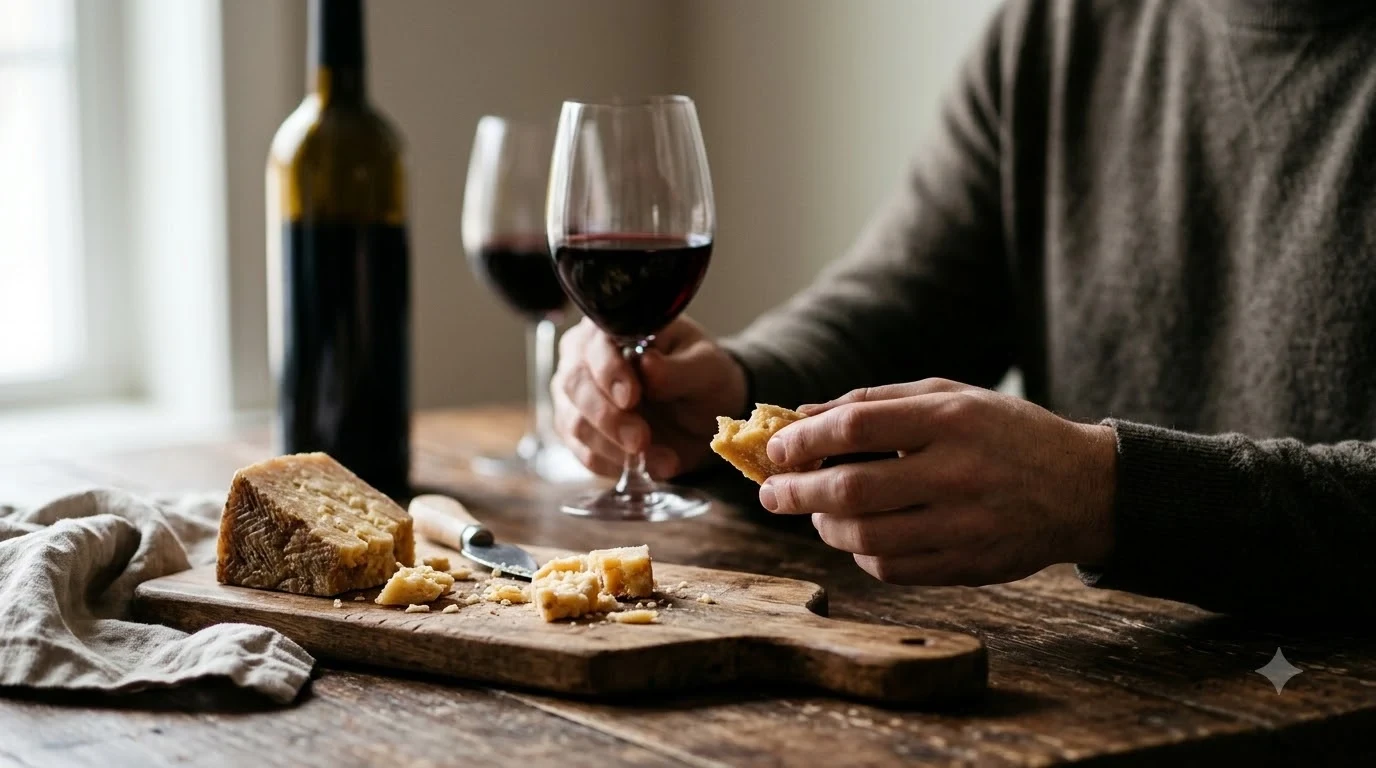
Sylvaner is also a good option with vegetables. Asparagus, green beans, and zucchini tend to suit its herbal character. Avoid very rich, buttery dishes, which can overpower the wine. Cheese is a mixed case: fresh goat cheese and young, mild cheeses suit the herbal character, while aged, pungent cheeses tend to make the wine taste thin. A simple plate of cucumber, radish, and soft bread with herbs is a good way to show the wine at its best during a casual lunch. For a heavier main course, a sylvaner with more body from a cooler vintage will hold up better than a light, young bottle.
How to Choose a Good Bottle
Start with the label and check for the spelling used in the producing country. A German bottle may say Silvaner, while an Austrian or Alsace bottle may use the local spelling or a regional name. Look for the word dry, and check the alcohol level. Bottles near the lower end of the 11.5% to 13.5% range usually taste lighter and brighter.
Vintage matters more for sylvaner than for many whites, because the wine is best when it is young and fresh. Choose a recent release unless you know a producer’s older bottles are well regarded. If you enjoy the wine, try two or three producers side by side. Small differences in soil and winemaking can change the balance between herbal and fruity notes quite a lot.
Many people who enjoy Pinot Gris will find sylvaner a comfortable next step. The two share a dry, friendly style, but sylvaner is usually lighter and more herbal. That makes it a good choice when you want a white that feels refreshing rather than round.
Frequently Asked Questions
What is sylvaner wine?
Sylvaner is a dry white wine made from the Sylvaner grape, known as Silvaner in Germany. It is light-bodied, with high-toned fruit, herbal notes, and crisp acidity.
Is sylvaner sweet or dry?
Most sylvaner is dry. Wine Folly lists the taste profile as dry, and the wine’s appeal comes from its fresh acidity and herbal character rather than residual sugar.
What does sylvaner taste like?
Expect peach and passion fruit with orange blossom, thyme, and a faint flinty note. The body is light, and the finish is clean with no tannin.
How should I serve sylvaner?
Serve it well chilled, around 38 to 45 degrees Fahrenheit, in a white wine glass. It does not need decanting and is best enjoyed fresh.
Sylvaner is a practical choice for warm weather and light meals. Pick a recent bottle from Germany or Alsace, chill it well, and serve it with herb-forward dishes. If you like the style, the next step is to compare a few producers and see how soil and climate change the wine.
More in Wine Regions
 Willcox Wine Trail: Discover Arizona’s High-Elevation Wine CountryUpdated Nov 20, 2026
 Yakima Valley Wine Region: Find the Best Styles to TryUpdated Nov 20, 2026
 Vosne Romanee Wine Tasting: Identify Aromas and Choose Better PairingsUpdated Nov 20, 2026
 Yakima Valley Wine Festival: Find the Best Seasonal Wine EventsUpdated Nov 20, 2026
 Wales Vineyards: Discover Cool-Climate Wines and Where to VisitUpdated Nov 20, 2026
 Yountville Wine Festival: Discover Napa Wines and Local FoodUpdated Nov 20, 2026