

We may earn a commission when you buy through links on this page, at no extra cost to you. Learn more.
What is sauvignon blanc? It is a dry white wine made from the sauvignon blanc grape, known for its high acidity, light to medium body, and fresh aromas of citrus, green herbs, and tropical fruit. It is one of the most recognizable white wines, and its style changes a lot depending on where the grapes grow and whether the wine sees any oak. Most bottles are crisp and meant to be drunk young.
If you have ever picked up a bottle labeled sauvignon blanc and wondered what to expect, you are not alone. The name comes up often on wine lists and in grocery aisles, yet the bottles can taste quite different from one another. This guide explains the basic profile, the main styles, how to serve the wine, and which foods bring out its best qualities.
What sauvignon blanc tastes like
Sauvignon blanc is usually described as dry, with no tannins, which means it does not leave the drying, grippy feeling that red wines often do. Its body is medium-light, and its acidity is high. That combination makes the wine feel lively and clean on the palate, even when the fruit flavors are intense.
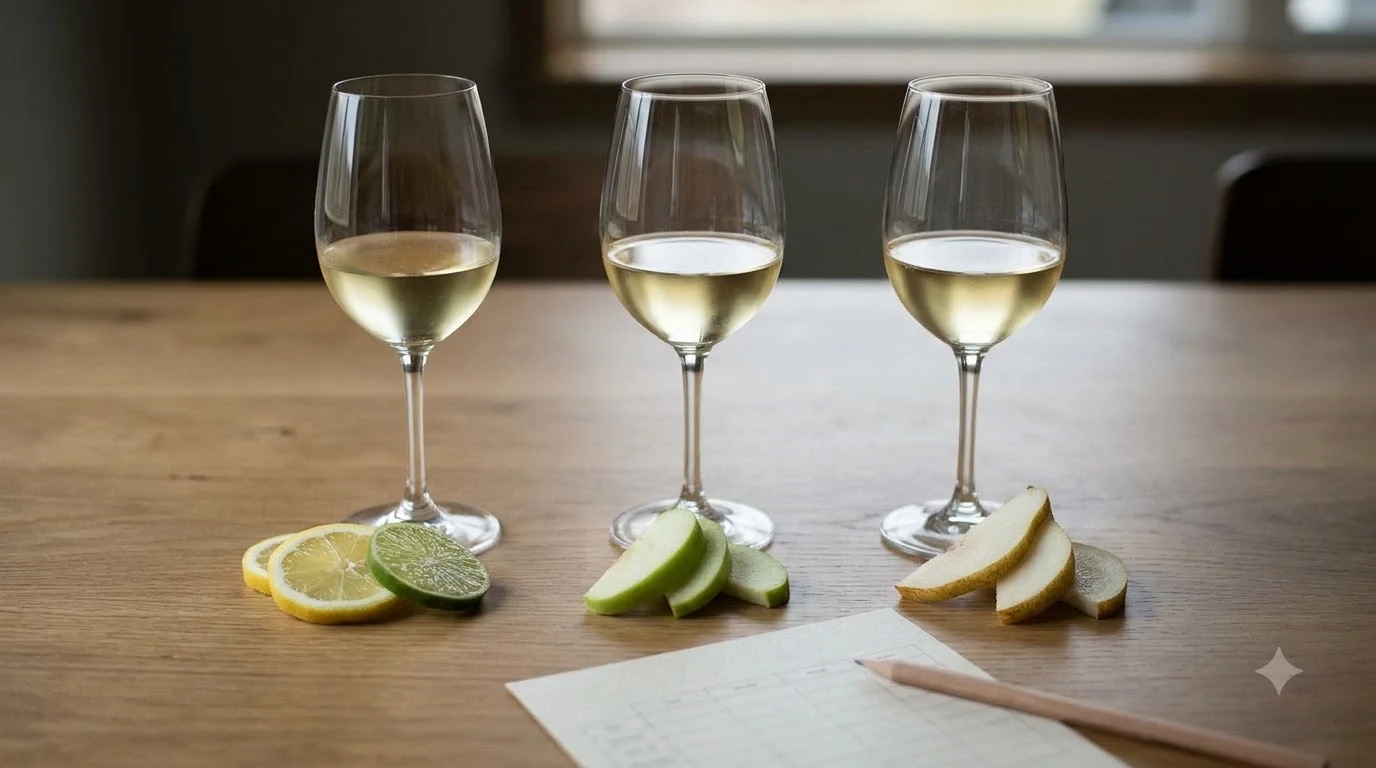
The primary flavors most often include gooseberry, honeydew melon, grapefruit, white peach, and passion fruit. Many people also pick up a distinctive aroma of freshly cut grass, along with notes of peas and asparagus. These green, herbal qualities are what give the grape its reputation. Wine Folly notes that the wine is typically between 11.5 and 13.5% alcohol by volume, which makes it lighter than many other white wines.
The phrase “when in doubt, go green” is a helpful way to think about the flavor profile. If a wine smells of herbs, citrus, or fresh-cut vegetables, you are probably tasting sauvignon blanc at its most typical.
How climate changes the style
Where the grapes are grown has a strong effect on the final wine. Cool climates tend to produce wines with brighter acidity, more green aromas, and tart fruit. In the Loire Valley of France, the cool climate gives a fruity, tart wine with lively acidity, and the wines from the region are often lean and precise.
New Zealand’s Marlborough region is the other famous example. According to Wine Folly, Marlborough sauvignon blanc is more citrus-focused than big and tropical, which is part of why it became a global benchmark for the style. Cool coastal areas in Australia also benefit from ocean breezes that keep the acidity high.
Warmer conditions change the flavor. In hotter Loire vintages, stone-fruit aromas and flavors can appear, such as peach or apricot. The wine becomes rounder and less sharp, while still staying fresh. If you see a bottle from a warm region, expect more ripe fruit and less green character.
Oak and blended styles
Most sauvignon blanc sees no oak at all. It is fermented and aged in stainless steel to keep the aromas fresh and the acidity sharp. Some producers do age the wine in oak, though, and this gives creamy or waxy aromas and a fuller, oilier texture.
The most famous oaked style comes from Bordeaux, where the grape is often blended with sémillon. According to Wine Folly, the Bordeaux versions typically see contact with their lees, the spent yeast left after fermentation, and barrel aging, which makes them taste richer than the unoaked wines. These bottles are a different experience, and they usually cost more than the crisp everyday versions.
When you choose a bottle, the label can tell you a lot. A wine from the Loire or Marlborough is usually unoaked and bright. A wine from Bordeaux, or one labeled as barrel-fermented, will likely be richer and more complex. Learning these patterns makes it much easier to find a bottle you enjoy.
Serving temperature and glassware
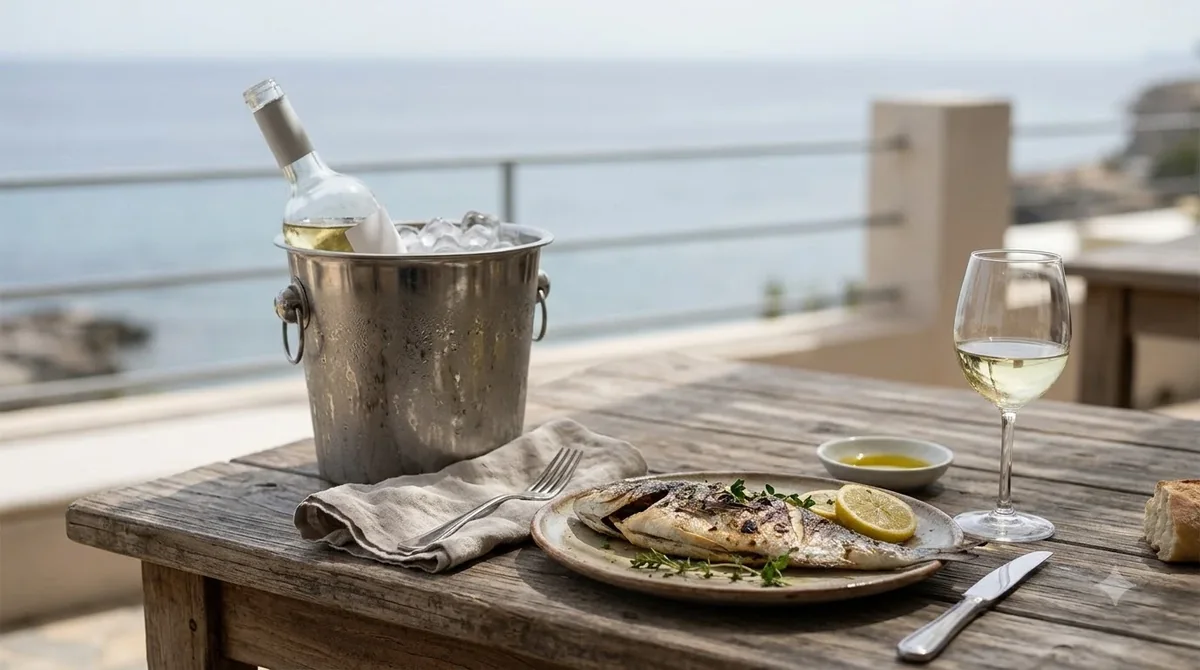
Sauvignon blanc is best served chilled, and Wine Folly recommends a serving temperature of about 45 to 55°F, or 7 to 12°C. At this range the acidity feels crisp and the aromas stay expressive. If the wine is too cold, the fruit and herbal notes can feel muted, while a wine that is too warm can seem flabby and loose.
A standard white wine glass works well. Its shape concentrates the aromas near the rim, so you can smell the grass and citrus notes clearly. Pour a moderate amount, and keep the bottle in an ice bucket or the refrigerator if you want the wine to stay cool through a long meal.
Because the wine is light and fresh, it is best consumed within a year or two of the vintage. Unoaked versions in particular lose their vivid character as they age, so there is little reason to store them for long periods.
Food pairings that work
Sauvignon blanc pairs well with foods that share its green, herbal character. Wine Folly suggests herb-driven sauces over chicken, tofu, or fish, and the acidity cuts through rich or oily dishes without overpowering them. Goat cheese is a classic partner, and the grape’s freshness works well with feta and other crumbly cheeses.
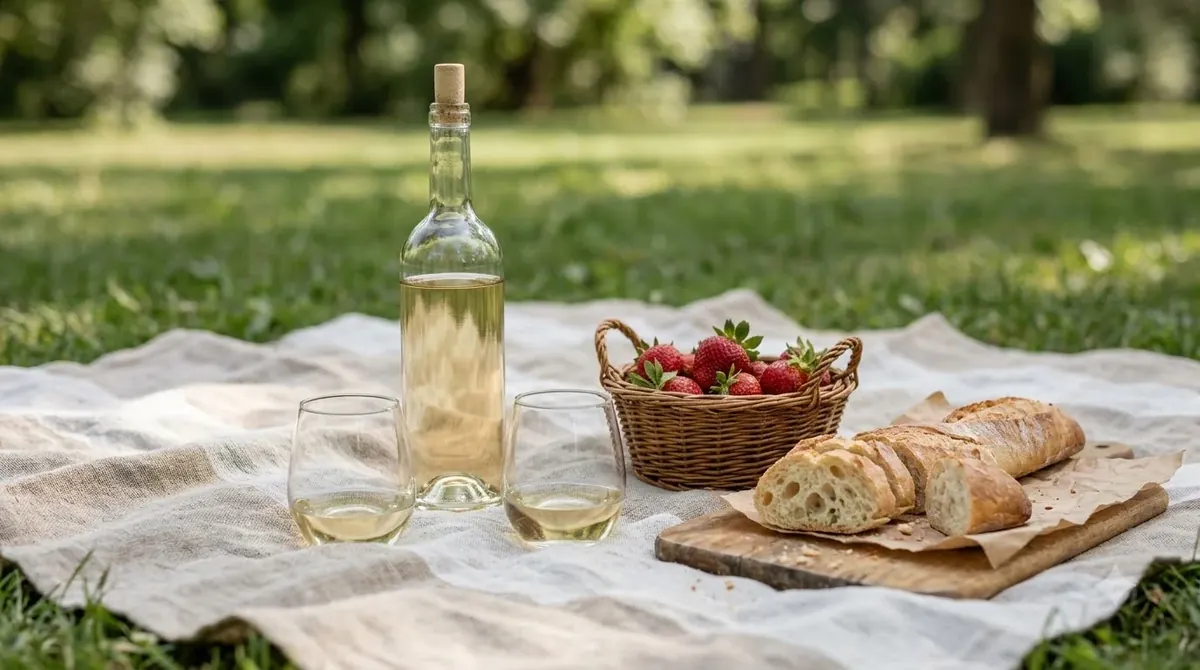
Seafood is a natural match. Oysters, crab, lobster, salmon, and halibut all find a good companion in a crisp sauvignon blanc. Chicken, turkey, and pork also work, especially when the dish includes lemon, garlic, or fresh herbs. Warm goat cheese and burrata are good choices for a starter.
Vegetables are another strong category. Asparagus risotto, cucumber and dill salads, and green beans all echo the wine’s herbal notes. Herb choices such as mint, dill, basil, and thyme bring out the grassy side of the wine, and herb-heavy Thai or Vietnamese dishes can also be a good match. Avoid heavy red-wine sauces, which can clash with the wine’s sharp profile.
Sauvignon blanc is also a useful choice for cooking. A splash in a pan sauce or a poaching liquid adds brightness, and the same herbal character carries through to the finished dish. For more on that, see the cooking with sauvignon blanc guide.
Sauvignon blanc compared with other whites
Many drinkers compare sauvignon blanc with chardonnay, since both are popular white wines. The difference is mostly about style. Chardonnay is often richer and sometimes oaked, with butter and vanilla notes, while sauvignon blanc is usually lighter, sharper, and greener. If you like a crisp, refreshing white, sauvignon blanc is often the better choice. For a side-by-side look at the two, the chardonnay vs sauvignon blanc comparison is a useful next step.
Pinot grigio is another frequent alternative. It is generally lighter and more neutral in flavor, while sauvignon blanc brings more aroma and more obvious herbal character. Each has a place on a table, and the choice often comes down to whether you want subtle or assertive flavors.
Frequently Asked Questions
Is sauvignon blanc a sweet or dry wine?
Sauvignon blanc is almost always dry, which means it has very little residual sugar. Its high acidity and herbal flavors can make it taste crisp, which some people mistake for sweetness, but the wine itself is not sweet.
What does sauvignon blanc taste like?
Common flavors include gooseberry, grapefruit, white peach, and passion fruit, along with green notes such as freshly cut grass, peas, and asparagus. The exact profile depends on the region and winemaking style.
Should sauvignon blanc be chilled?
Yes. Serving it at about 45 to 55°F, or 7 to 12°C, keeps the acidity crisp and the aromas clear. If it sits at room temperature for a long time, the wine can taste flat, so chill it again before serving.
What food goes well with sauvignon blanc?
Goat cheese, oysters, crab, chicken with herbs, and green vegetables such as asparagus are all good matches. The wine works well with dishes that have lemon, garlic, or fresh herbs.
Sauvignon blanc rewards anyone who enjoys a fresh, lively white wine. Once you know the difference between cool-climate and warm-climate bottles, and between unoaked and oaked styles, choosing one becomes much simpler. For a broader look at how different wines compare, the Wine by Type guide is a good place to continue.
More in Wine Types & Grapes
 Zinfandel Sugar Content: Dry Red vs. White Zinfandel GramsUpdated Nov 21, 2026
 Best Zinfandel Substitute Options for Sipping and CookingUpdated Nov 21, 2026
 Zweigelt Food Pairing: Best Dishes, Cheeses, and Serving TipsUpdated Nov 21, 2026
 Zinfandel Tannins Explained: How Structure Shapes Every BottleUpdated Nov 21, 2026
 Zinfandel Sweetness Level: Dry Red vs. Sweet White Zin ExplainedUpdated Nov 21, 2026
 Xinomavro Food Pairing: Best Dishes, Styles, and Serving TipsUpdated Nov 21, 2026