

We may earn a commission when you buy through links on this page, at no extra cost to you. Learn more.
Pet nat wine is a lightly sparkling style made by bottling wine before its first fermentation has finished, so the remaining sugar turns into carbon dioxide inside the bottle. The name comes from pétillant naturel, French for “naturally sparkling.” Most pet nats are low in alcohol, slightly cloudy, and fizzy in a rustic way that sets them apart from Champagne.
Pet nat is a style many American drinkers have seen on shop shelves, yet the label can still be confusing. This guide explains how the wine is made, what it tastes like, why it is often cloudy, and what to look for when you buy a bottle.
How pet nat wine is made
Pet nat is made with the méthode ancestrale, the oldest known way to make sparkling wine. Instead of adding yeast and sugar for a second fermentation, as Champagne does, the winemaker bottles the wine while fermentation is still active. The carbon dioxide made from the grapes’ natural sugars stays trapped in the bottle and creates the bubbles.
VinePair describes the core difference clearly. Pet nat is bottled before its first fermentation is fully complete, and it is generally not disgorged, which means the sediment is not removed before sale. It may or may not be filtered, depending on the producer.
Two main methods
Pet nat is not a single fixed recipe. Wine writers describe two main approaches. In the interruption method, the winemaker halts the primary fermentation at bottling, seals the bottle under a crown cap, and lets fermentation finish in the bottle. Wines made this way are sometimes hand disgorged to remove tartrate crystals and sediment. This approach is often used in cooler regions.
In the entr’acte method, fermentation is completed to dryness first. The winemaker then adds sweet juice from a second grape pick, and fermentation finishes in the bottle. These wines do not need disgorging, and the method is more common in warmer climates. Both routes aim for the same effect, but the finished wines can taste quite different.
What pet nat tastes like
Pet nat usually has a light, fizzy mouthfeel and a fresh, lively character. VinePair describes the style as raw, rustic, and lively, with flavors that reflect the place the grapes came from. Most examples are fairly low in alcohol, so they feel easy to drink with a meal or on their own.
Sweetness varies. Many pet nats are slightly sweet because some residual sugar remains, but dry examples also exist. Check the back label or ask the shop staff if you want a specific level of sweetness. The bubbles themselves also vary. Some bottles show a gentle sparkle, while others are much more vigorous.
Why pet nat is cloudy
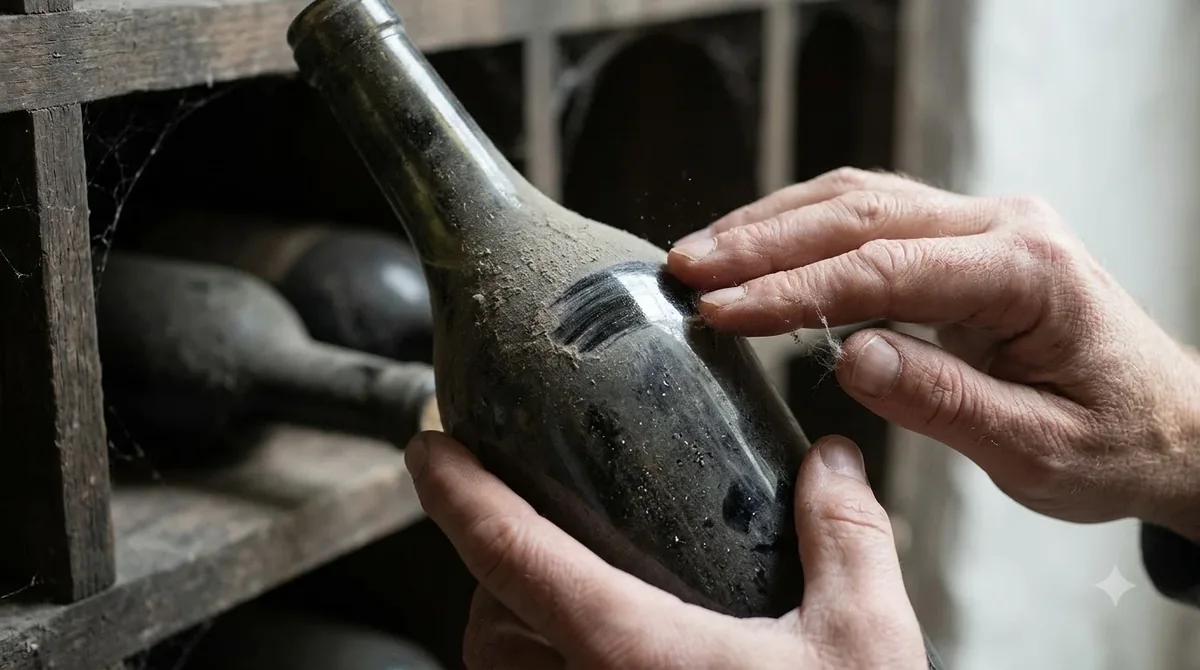
The cloudiness in many pet nats comes from the yeast left behind in the bottle, along with the fact that the wine is often not filtered. Wine writers describe the sediment, or lees, as part of the style rather than a flaw. The cloud can settle to the bottom if you let the bottle rest upright for a while, but it will not always clear completely.
If you prefer a clear glass, look for a pet nat labeled as disgorged or filtered. Those bottles tend to be clearer, though they lose a little of the rustic character that makes the style appealing to many drinkers.
| Feature | Typical pet nat |
|---|---|
| Method | Méthode ancestrale, bottled before first fermentation ends |
| Bubbles | Light to lively, from a gentle sparkle to a more vigorous fizz |
| Alcohol | Generally low |
| Sweetness | Often slightly sweet, dry examples exist |
| Clarity | Often cloudy, not always disgorged or filtered |
Where pet nat wine comes from
The ancestral method has a long history in France, where wines from Gaillac, Bugey Cerdon, and Blanquette de Limoux are linked to the approach. Producers in Germany and North America also make wines this way. Because the term “naturel” is restricted on French labels, some producers in Montlouis-sur-Loire use the term “pétillant originel” instead.
The method also has a long history outside France, which is one reason the style is now easy to find in many places. Producers who work with the ancestral method often describe their wines in terms of place and timing, since the fermentation finishes at its own pace inside each bottle.
That history matters when you shop. Pet nat is now made in many regions, so the label, the producer, and the vintage tell you more than the place name alone.
How to serve pet nat wine
Serve pet nat chilled, but not ice cold, so the aromas stay visible and the fizz does not overwhelm the fruit. A white wine glass works well, and a little air in the glass helps the aromas open. Pour slowly, because the bubbles can rise quickly, and expect a cloud of sediment at the bottom of the bottle if you pour the last bit.
VinePair notes that pet nats can benefit from a couple of years in bottle, though the style does not develop much further with aging. That makes it a wine to drink fairly young.
Tip: Shake a pet nat gently before opening only if you want the cloud mixed in. If you want a clearer pour, stand the bottle upright for a while first and open it slowly.
How to choose a pet nat
Start with the producer’s notes. A good pet nat label often gives the grape, the method, and whether the wine is disgorged or filtered. That information tells you what kind of cloud and sweetness to expect. Grapes vary widely, so the same method can produce very different wines.
Because pet nat sits outside the traditional Champagne rules, labels can be less standardized than you may expect. A bottle may name the grape, the vintage, and the region, while leaving out the method or the sweetness. When the back label is thin, a short question to a wine shop or restaurant staff member usually gets you a useful answer about how the wine was made and whether it is clear or cloudy.
If you are new to the style, try a pet nat next to a classic sparkling wine. The contrast makes the rustic, lightly fizzy character easier to notice. If you want to explore the wider world of white wines, the cabernet franc wine page covers a red variety with a different profile, and the Wine by Type section groups many styles together.
Frequently Asked Questions
Is pet nat wine the same as Champagne?
No. Champagne uses a second fermentation with added yeast and sugar, then the sediment is removed. Pet nat is bottled before its first fermentation is complete, and it is generally not disgorged.
Why is pet nat cloudy?
Pet nat often contains yeast left in the bottle and is often not filtered. Wine writers treat the cloud as part of the style rather than a fault.
Is pet nat sweet?
Many pet nats are slightly sweet because some residual sugar remains, but dry examples also exist. The label or the shop staff can help you find the level you prefer.
How much alcohol is in pet nat?
Most pet nats are generally low in alcohol compared with many still wines. The exact figure varies by producer, so check the label for the specific bottle.
Pet nat is a wine that rewards curiosity. Try one from a producer you trust, compare it with a classic sparkling wine, and note how the cloud and sweetness change from bottle to bottle. You can read more on the calories in white wine page if you are tracking what you drink, since sweetness and alcohol both affect the total.
For a clear overview of the style, the VinePair pet nat guide covers the method, the cloud, and the flavor profile in more detail.
More in Wine Types & Grapes
 Zinfandel Sugar Content: Dry Red vs. White Zinfandel GramsUpdated Nov 21, 2026
 Best Zinfandel Substitute Options for Sipping and CookingUpdated Nov 21, 2026
 Zweigelt Food Pairing: Best Dishes, Cheeses, and Serving TipsUpdated Nov 21, 2026
 Zinfandel Tannins Explained: How Structure Shapes Every BottleUpdated Nov 21, 2026
 Zinfandel Sweetness Level: Dry Red vs. Sweet White Zin ExplainedUpdated Nov 21, 2026
 Xinomavro Food Pairing: Best Dishes, Styles, and Serving TipsUpdated Nov 21, 2026