

We may earn a commission when you buy through links on this page, at no extra cost to you. Learn more.
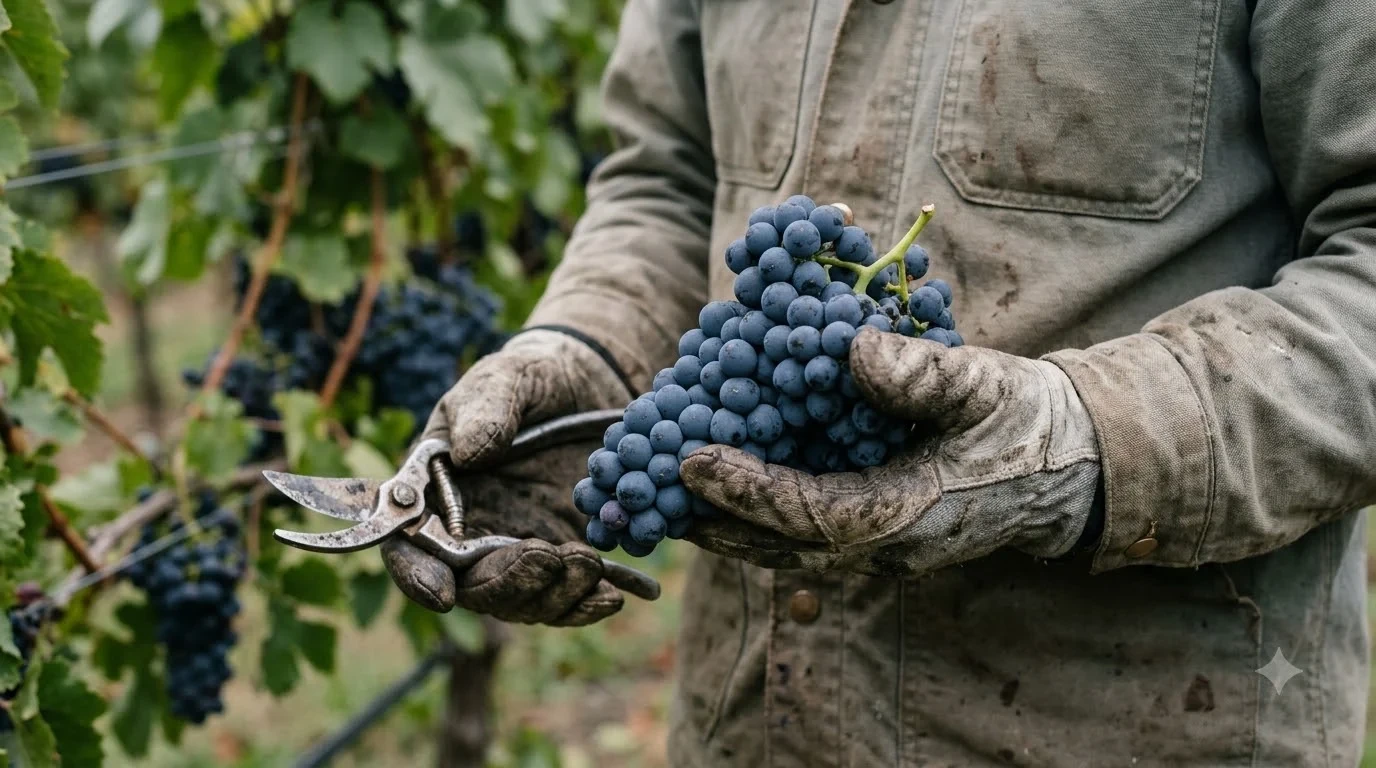
Old Mission Peninsula vineyards are the grape plantings on a narrow finger of land in Michigan’s Grand Traverse region, reaching into Grand Traverse Bay on Lake Michigan. The American Viticultural Area was established in 1987, and the peninsula is roughly 19 miles long and no more than three miles wide. Its vineyards are planted mostly with cool-climate European varieties, and the surrounding water helps moderate the local climate.
This guide covers where the Old Mission Peninsula vineyards are, how the planting began, which grapes grow best there, and how the lake-moderated climate shapes the fruit. It also includes practical notes for anyone planning a visit to the region.
Where the Old Mission Peninsula Vineyards Sit
The peninsula sits in Grand Traverse County, in northwestern Michigan. It runs north into Grand Traverse Bay, so most vineyards are close to the water on at least two sides. According to the Wikipedia article on the Old Mission Peninsula AVA, the peninsula is about 19 miles long and no more than three miles wide.
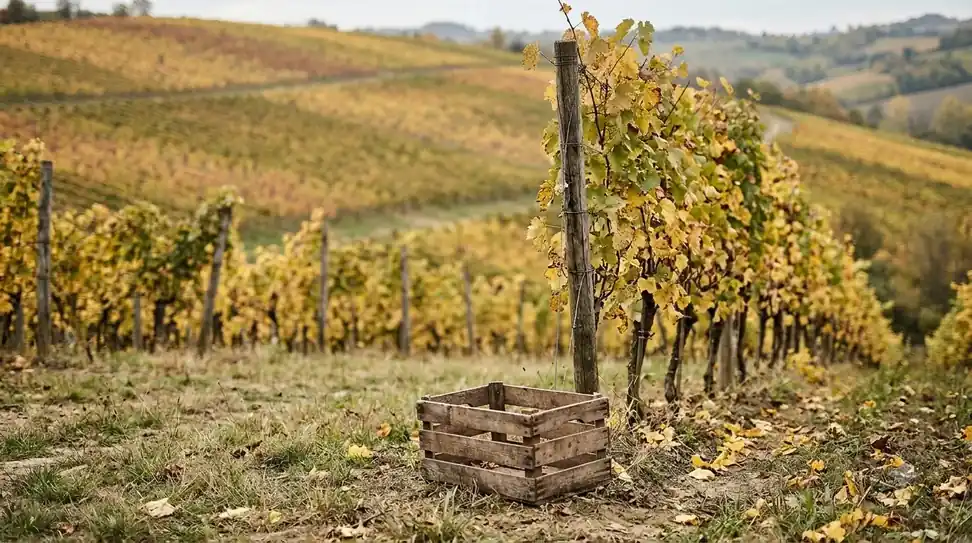
That shape matters for growers. Almost no site on the peninsula is far from the lake, which means the water influences frost timing, air movement, and the length of the growing season across the whole area. Visitors often notice the change in scenery as they drive north, with orchards, farm stands, and rolling slopes giving way to tasting rooms overlooking the bay.
A Brief History of Planting
The peninsula was settled in 1842 by a Presbyterian minister, according to the same Wikipedia source. Commercial wine grape planting came much later. In 1974, Edward O’Keefe Jr. of Chateau Grand Traverse began planting vinifera grapes, the European species that produces most fine wines. The following year he expanded the plantings to 55 acres, which the article describes as the first large-scale planting of Vitis vinifera in the region.
The AVA itself was established on June 8, 1987. That designation gave the growing area a formal boundary and a recognized name, and it helped the region build a reputation for cool-climate wines. Growers who came later could point to a defined place on a label, which made the peninsula easier to recognize in shops and restaurants. Today the area includes about 1,800 acres of vinifera vineyards, and the wineries there produce an average of about 90,000 cases a year, according to the same source.
Grapes That Grow Best Here
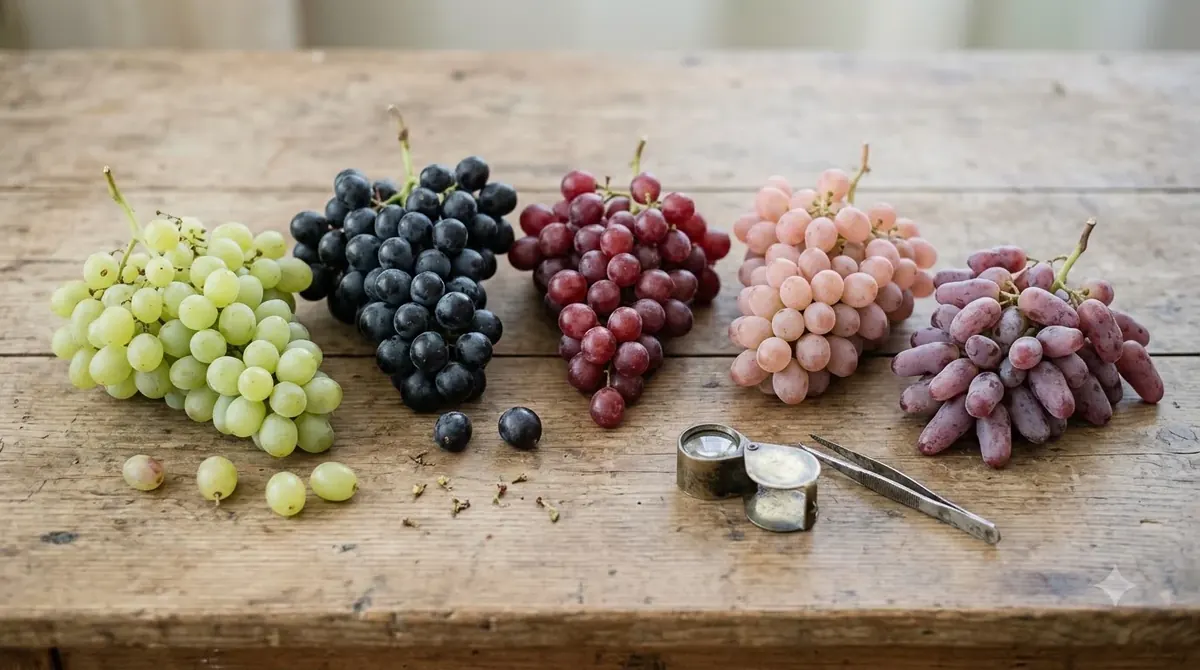
Cool-climate varieties are the core of the peninsula’s plantings. The Wikipedia article lists Riesling, Chardonnay, Gewürztraminer, Pinot gris, Pinot noir, Cabernet Franc, and Merlot among the varieties that perform well in the area. Cabernet Sauvignon, Malbec, and Muscat Ottonel are also planted, though in smaller amounts.
Riesling is one of the most natural fits. Wine Folly’s guide to Riesling notes that the grape is mostly grown in cool climates, is listed as having high acidity, and ranges from dry to very sweet. Growers on the peninsula work with that range, so a Riesling from one winery can taste bone dry while another’s bottling leans noticeably off-dry.
| Grape group | Typical role on the peninsula |
|---|---|
| Riesling and Gewürztraminer | Aromatic whites, dry to off-dry styles |
| Chardonnay and Pinot gris | Crisp to medium-bodied whites |
| Pinot noir, Cabernet Franc, Merlot | Lighter red wines with fresh fruit |
| Cabernet Sauvignon, Malbec | Smaller plantings, warmer-year reds |
Red grapes need more heat to ripen fully, so the reds made here are usually lighter in body than those from warmer American regions. Pinot noir and Cabernet Franc tend to show red fruit and gentle structure. Merlot is also planted, and its results depend heavily on the vintage. Growers often choose sites on the slopes and in well-drained soils to reduce the risk of excess moisture around the vines.
White grapes are generally the more consistent performers. Their ripening window suits the peninsula’s season, and their acidity can carry the fruit through a cool summer. For that reason, many visitors find the whites a good place to start when they first explore the area.
How the Lake Shapes the Climate
The surrounding waters are the defining feature of the peninsula’s climate. The Wikipedia article states that the water moderates the climate and helps prevent frost during the growing season. That protection matters in a northern region where a late spring frost can damage young shoots.
The same moderation keeps the growing season cool and steady. Growers get a long ripening period that helps preserve acidity, which is why so many varieties here stay bright. The trade-off is that wet weather around harvest can create disease pressure, so vineyard work focuses on canopy management and air movement through the rows.
Tip: When you compare Old Mission Peninsula wines with those from warmer regions, look for higher acidity and lighter alcohol. Those traits are common in cool-climate bottles and often make the wines more food-friendly.
Planning a Visit to the Peninsula
Most of the tasting rooms are spread along the peninsula, so a day trip works best when you pick two or three stops close together. The drive is part of the experience, since the road follows the shoreline and gives views of the bay from several points. Because the area is small, a relaxed pace works better than trying to cover every winery in one afternoon.
Early in the day is often the calmest time to visit, and a slower start gives you room to talk with staff about the wines. Check each winery’s hours and tasting policies before you go, especially outside the summer months. Some estates require reservations, while others accept walk-ins. Bring water, plan a meal, and arrange a designated driver or a tour service if you plan to taste at several stops.
Wine is only one reason to visit. The peninsula’s shoreline, orchards, and small towns give a visit a relaxed, outdoor feel, and many visitors combine tastings with a walk or a picnic by the water. Plan for a slower schedule than a busy urban wine trip, and leave room for spontaneous stops.
If you plan to buy bottles, ask whether a winery ships to your state, and confirm how it packs and sends orders. Some estates also offer wine club memberships, which can be a practical way to receive a selection of their releases over time.
Frequently Asked Questions
Where are the Old Mission Peninsula vineyards?
They are on the Old Mission Peninsula in Grand Traverse County, Michigan. The peninsula extends into Grand Traverse Bay on Lake Michigan and is about 19 miles long.
When was the Old Mission Peninsula AVA established?
The American Viticultural Area was established on June 8, 1987, according to the Wikipedia article on the AVA. Commercial vinifera planting began in 1974, when Chateau Grand Traverse started its plantings.
What grapes grow on the Old Mission Peninsula?
Cool-climate varieties are the core of the plantings, including Riesling, Chardonnay, Pinot noir, Cabernet Franc, and Merlot. Cabernet Sauvignon and Malbec are planted in smaller amounts.
Why does the lake matter for the vineyards?
The surrounding water moderates the climate and helps protect vines from frost during the growing season. It also keeps the season cool and steady, which helps grapes hold their acidity.
Whether you read about the peninsula or visit in person, the pattern is the same: a narrow strip of land, a large body of water, and a cool season that gives the grapes time to develop. That combination is what makes the Old Mission Peninsula vineyards worth a closer look.
The Old Mission Peninsula offers a compact way to explore a cool-climate wine region with a distinct sense of place. Start with the region’s history, pick out a grape you already like, and use the lake-moderated climate as a guide to why the wines taste the way they do. For more on the wines themselves, see Old Mission Peninsula wine, and for other American regions, the Wine Regions section is a good next step.
More in Wine Regions
 Willcox Wine Trail: Discover Arizona’s High-Elevation Wine CountryUpdated Nov 20, 2026
 Yakima Valley Wine Region: Find the Best Styles to TryUpdated Nov 20, 2026
 Vosne Romanee Wine Tasting: Identify Aromas and Choose Better PairingsUpdated Nov 20, 2026
 Yakima Valley Wine Festival: Find the Best Seasonal Wine EventsUpdated Nov 20, 2026
 Wales Vineyards: Discover Cool-Climate Wines and Where to VisitUpdated Nov 20, 2026
 Yountville Wine Festival: Discover Napa Wines and Local FoodUpdated Nov 20, 2026